
So you’ve just moved into a new space and everything seems perfect: the furniture is chic and the colour scheme is on point, the layout just right. But still, something feels… off. The space doesn’t feel as warm and welcoming as you’d hope. Chances are it’s not the furniture or the decor — it’s the lighting.
Lighting is one of those things that can make or break a room, but it’s often an afterthought. Even the most stunning interior design in the world will fall a little flat if lighting is too harsh, too dim or just poorly placed. This is where ambient lighting comes into play. It’s the secret ingredient that pulls a space together, striking just the right balance between function and mood.
So, here’s a deep dive into why ambient lighting is the key to elevating your space, and how to use it to your advantage in your own home.
-
The Foundation of a Well-Lit Home
Ambient lighting is at the core of any well-designed space — it’s the general lighting that sets the overall tone of a room. One of the best ways to achieve this is with the downlight installation Melbourne homeowners rely on for a sleek, modern look.
Recessed downlights provide even illumination while remaining inconspicuous, rendering them the smart choice for anything from living rooms to kitchens or bathrooms. The key is to install them strategically — too many can make a space feel stark, while too few can leave dark spots that disrupt the overall ambience.
Before you dive into feature lights or bold pendants, it’s best to nail the fundamentals first. Consider ambient lighting to be the base layer of your lighting design.
It illuminates a room with an even brightness that doesn’t create harsh shadows or unflattering angles. Good ambient lighting ensures that every corner of your space is evenly lit, making it functional while maintaining a welcoming atmosphere.
-
Setting the Mood with Warm & Cool Tones
Have you ever noticed how some spaces feel instantly cosy and warm, whilst others emit a crisp, energetic vibe? That is the effect of lighting colour temperature.
Warm white LEDs (usually 2700K-3000K) provide a gentle, welcoming light that’s well suited for unwinding, making them ideal for living rooms and bedrooms. By contrast, cool white light (4000K-5000K) is brighter, more refreshing and is best for kitchens, bathrooms, and work areas where clarity is key.
The trick for this basic electrical work in your home is to use the right balance of warm and cool tones in different areas. Combining the two can also add contrast and depth — consider warm lighting in a lounge area alongside cooler task lighting in a kitchen for a balanced aesthetic.
-
Layering for Depth and Dimension
One of the biggest mistakes people make with lighting is relying on a single light source. A well-lit home isn’t just about having one ceiling light — it’s about layering different types of lighting to create depth and interest.
The three main types of lighting you should consider are:
- Ambient light (general lighting that fills the entire room)
- Task lighting (focused light for specific tasks such as reading, cooking, or studying)
- Accent lighting (decorative lighting that emphasises design features such as artwork, shelves or textured walls)
Mixing and matching these lighting types allows you to create a space that is varied and visually engaging. For example, pairing soft overhead lighting with a floor lamp and some wall sconces can make a living room feel much more inviting than a single ceiling light ever could.
-
Smart Lighting: Convenience & Customisation
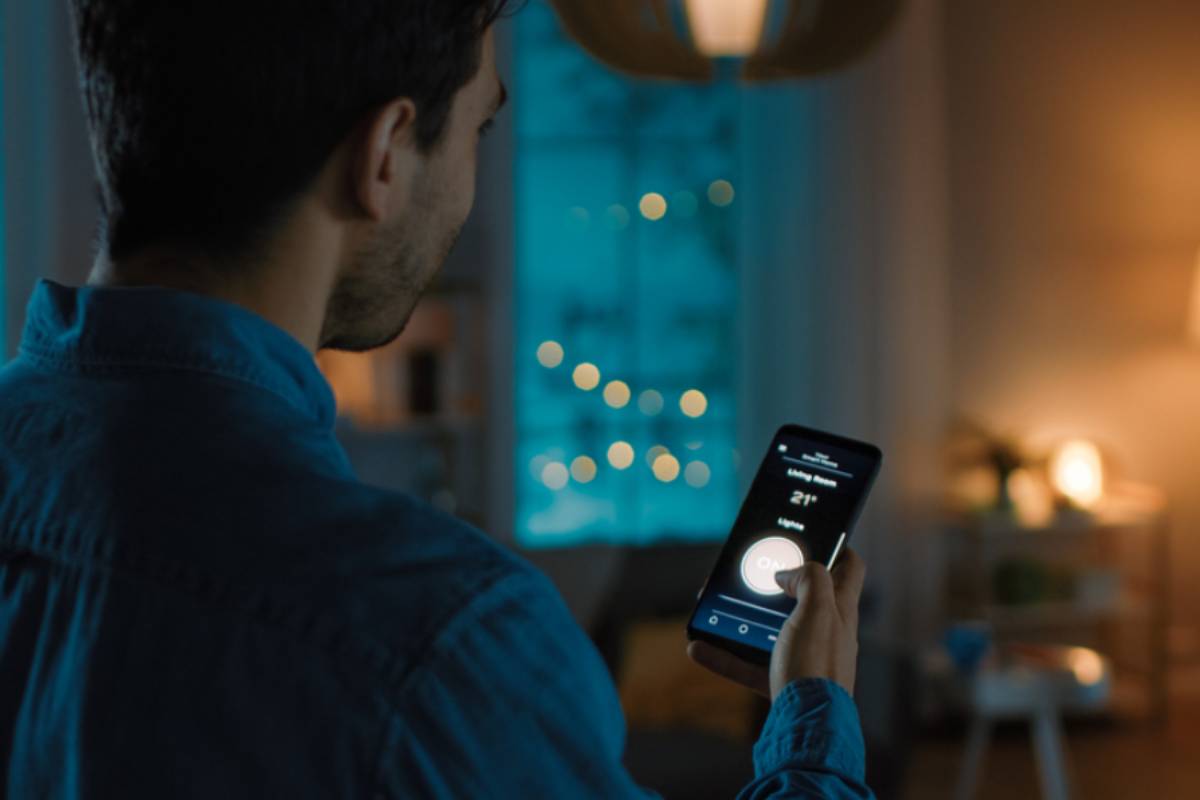
Technology has completely changed the way we approach home lighting and it’s pretty amazing. Gone are the days of basic on-and-off switches — smart lighting lets you customise your home’s ambience at the touch of a button.
Smart LED bulbs allow you to dim lights, switch between colour temperatures, and even choose different colours to match your mood. Many of the systems are voice-activated or app-controlled, making it easier than ever to set the perfect scene without even getting up from the sofa.
Bonus: Smart lighting isn’t just incredibly convenient, but it’s energy-efficient, too. Dimmable LED options let you control how much power you’re using, cutting down on electricity costs while still leaving your home beautifully lit.
-
The Impact of Natural Light Integration
Ambient lighting isn’t only about artificial lighting sourced — it’s also about taking advantage of natural light. As you probably already know, the way daylight interacts with your home can significantly affect its overall ambience.
Making the most of natural light can enhance your space by making it feel more open, airy, and uplifting. Big windows, skylights, roman blinds and cellular shades are all great options that allow sunlight to penetrate your home during the day, limiting the need for artificial light and thus giving your home a more natural and balanced feel.
To maximise the impact, you can use mirrors to reflect natural light into darker corners or opt for light, reflective surfaces that bounce daylight around the room. The more you work with natural light, the less artificial lighting you’ll need — creating a more energy-efficient home in the process.
-
Creating Ambience with Dimmers & Mood Lighting
If you’re looking for an easy way to take your home’s lighting design to the next level, consider installing dimmers. Being able to adjust brightness levels means you can instantly switch up the atmosphere to suit any occasion.
A bright, well-lit space might be perfect for working or socialising during the day, but in the evening, softer lighting can create a more relaxed, intimate setting. Dimmers provide you full control, making it possible to adjust the lighting according to your requirements.
Mood lighting options such as LED strip lights, wall sconces or even fairy lights also add a cosy, personal touch to the home. From under-cabinet lighting in the kitchen to a soft ceiling fan light in the living area, these smaller touches can have a big impact in setting the mood of a space.
-
The Psychological Effects of Good Lighting
Lighting is more than just something nice to look at — it can actually affect how we feel as well. The right type of ambient lighting can improve mood, increase productivity and even regulate the quality of your sleep.
Harsh, overly bright lighting (especially in the evening) can be overstimulating, making it harder to relax. Dim, warm lighting, on the other hand, sends a message to your brain that it’s time to unwind.
That’s why many experts suggest steering clear of blue-toned lights before bed, because they can block melatonin production and disrupt sleep patterns. By designing your home with thoughtful, well-balanced lighting, you can create a space that feels comfortable and supports your overall well-being.
The Lighting That Brings It All Together
And there you have it — 7 reasons why ambient lighting is the unsung hero of home design. From a modern, minimalist vibe to a warm, cosy retreat, it’s safe to say that lighting can completely change your home.
The key is to play around, layer different kinds of lighting sources and discover what will work for your home’s unique style and functionality.
So the next time you walk into a room and something feels “off”, maybe take a step back and look at the lighting. It might just be the missing piece of the puzzle that takes your home from “nice” to absolutely breathtaking.
Related Posts