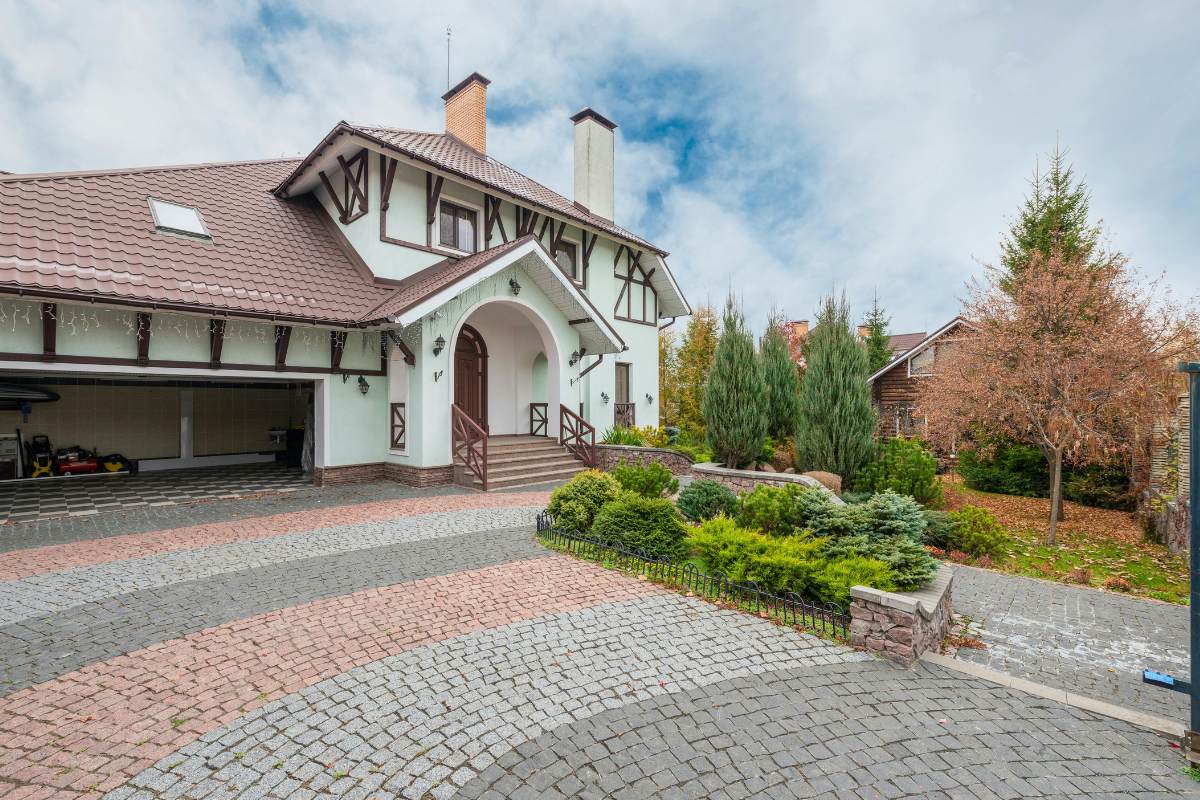
A great landscape isn’t just about the ornaments. It’s about structure, flow, and purpose. To achieve this, you need to consider the other elements that make up your landscape design. Patios, walkways, and retaining walls do more than add visual appeal—they shape how you use and enjoy your outdoor space.
Each feature plays a distinct role: a well-placed patio creates inviting gathering spaces; walkways guide movement and enhance charm; and retaining walls combine function with style. Together, they transform your yard into a practical, beautiful, and cohesive outdoor living area. Let’s explore how to make the most of these essential elements and why they matter more than you might expect.
Retaining Walls: More Than Just Support
A retaining wall might seem like a simple structure, but it plays a big role in the look and function of your yard. At its core, a retaining wall holds back soil, especially on sloped ground, but it also helps prevent top-soil erosion, keeps landscapes neat, and turns unusable space into something functional, like a flat lawn or garden bed.
Beyond function, retaining walls can add style. They come in all shapes and sizes to match your aesthetic preference. You can choose from concrete blocks, natural stone, or bricks. Some designs can even double as built-in seating or planters, which can make your space more inviting and practical.
If you’re considering installing the retaining walls yourself, there are some things you need to bear in mind. DIY can work for smaller walls (under 3 feet). However, if you’re going for taller walls, then it’s better to call in a professional.
Choosing the right retaining wall blocks is key. In the USA and Canada, look for local suppliers with strong reviews, good support, and a wide range of options. Companies like Belgard or Allan Block are the brands to consider.
In Australia, especially if you’re in Perth, Remastone is a trusted name. Known for quality products and helpful service, they offer a great selection of retaining wall blocks to suit all styles and needs.
The perfect retaining wall can make a big difference, whether you’re reworking a sloped yard or simply want to add some structure. The first step is to choose the right materials and provider.
Patios: The Heart of Outdoor Living
A patio is the anchor of any backyard, your go-to space for chilling, dining, and entertaining. This robust platform transforms a yard into a beloved outdoor space for morning coffee or nighttime barbecues.
Picking Materials
- Concrete and pavers offer great durability and low upkeep—perfect if you’re after a clean, polished look or need drainage options.
- Natural stone (flagstone, slate) brings texture and timeless charm.
- Gravel is budget-friendly, DIY‑friendly, and drains well—however, it can shift or erode over time.
Design Tips
Plan for traffic flow and furniture. A good rule is to leave 2–2½ feet between your table/fire pit and seating. Keep the patio size in line with how you use it—15×15 ft works for many setups. Consider the overall structure and design of your house while designing your patio. Matching rooflines, flooring, or landscaping creates a seamless transition between indoors and outdoors.
Comfort & Style Add‑Ons
Shade from umbrellas, pergolas, or awnings keeps things cool and inviting. To cosy it up for all seasons, add comfy seating, rugs, cushions, and a fire pit or heater.
Your patio isn’t just a slab. It’s where memories happen: laughter, meals, quiet moments, all made better under the open sky.
Walkways: Guiding Movement and Style
Walkways do more than connect points A to B—they guide traffic, keep shoes clean, and give your yard instant style.
Why They Matter
A good path helps with flow and safety. It keeps people off the grass, stops soil compaction, and keeps feet dry if there are wet areas.
Materials and Vibes
- Stone or brick: classic and sturdy—best for focal routes near patios or front doors.
- Gravel/mulch: relaxed and budget-friendly, drains well, though it needs some upkeep.
- Pavers or concrete: clean, uniform, low-maintenance—great for everyday use.
Layout Tips
Straight paths feel formal and structured, while gentle curves feel inviting and natural. Aim for about 4–6 feet wide on main walkways, enough for two people. And don’t forget the lighting. Spotlights at turns or along the edges make it safe at night.
Connecting Key Spaces
Sync your walkway with patios, garden beds, and entrances to create a natural route through the yard. Consider how people move and what they see—widen it at seating areas or gateways to make it feel intentional
Pulling It All Together
Your yard is like a story. Patios, walkways, and soft plantings are the chapters that make it engaging and alive. When hardscape (like pavers and patios) blends with softscape (like shrubs, trees, and flowers), you get that picture‑perfect balance between structure and nature.
To create harmony, start strong with your hard elements, then soften the edges with greenery. Planters are a smart touch to merge the two worlds.
It’s best to always be mindful of your plans to avoid common slip‑ups. Overbuilding without breaks can make your space feel cold and tiring, and ignoring drainage can lead to puddles or foundation damage.
A comfy, cohesive yard means balance in materials, purpose, and flow. Mix hard and soft with intention, plan for proper drainage, and avoid cramming everything in your space.
Build with Purpose, Enjoy for Years
A beautiful yard isn’t about cramming in features. It’s about thoughtful design. When patios, walkways, and retaining walls work together, they create an inviting and functional space. Start with intention, blend structure with nature, and build a landscape that feels like home.
Related Posts