
Modern automotive diagnostics software transforms your smartphone or laptop into a powerful vehicle health monitoring system, revolutionizing how we approach basic car maintenance and repairs. Gone are the days of puzzling over mysterious check engine lights or relying solely on mechanic interpretations. These sophisticated tools decode real-time sensor data, providing instant insights into your vehicle’s performance, potential issues, and maintenance needs.
By connecting directly to your car’s OBD-II port, diagnostic software offers professional-grade analysis capabilities that were once exclusive to dealership service centers. Whether you’re a DIY enthusiast tracking engine performance or a professional technician managing multiple vehicles, these digital solutions deliver precise, actionable data that streamlines the troubleshooting process.
The latest generation of diagnostic tools combines artificial intelligence with extensive vehicle databases, offering predictive maintenance alerts, detailed repair guides, and even cost estimates for potential fixes. This technological advancement empowers car owners to make informed decisions about their vehicle’s health while potentially saving thousands in unnecessary repairs.
How Modern AI Diagnostic Tools Work
Sensor Integration and Real-Time Analysis
Modern automotive diagnostics software relies heavily on sophisticated sensor integration to collect and analyze vehicle data in real-time. OBD-II diagnostic scanners connect to your vehicle’s onboard computer system, accessing data from multiple sensors throughout the car. These sensors monitor everything from engine performance and emissions to transmission behavior and electrical systems.
The software processes this incoming data stream using artificial intelligence and machine learning algorithms to identify patterns and potential issues. Think of it as having a team of virtual mechanics constantly monitoring your vehicle’s vital signs. When the software detects abnormal readings or concerning patterns, it can alert you immediately, often before problems become serious.
Real-time analysis helps predict maintenance needs and prevent breakdowns by comparing current sensor readings against known healthy ranges. For example, if your engine’s temperature sensor shows slightly elevated readings over time, the software can flag this trend before overheating occurs. This predictive capability is particularly valuable for fleet managers and professional mechanics who need to maintain multiple vehicles efficiently.
The system also stores historical data, creating a detailed service history that helps track vehicle health over time and makes future diagnostics more accurate.
Machine Learning and Pattern Recognition
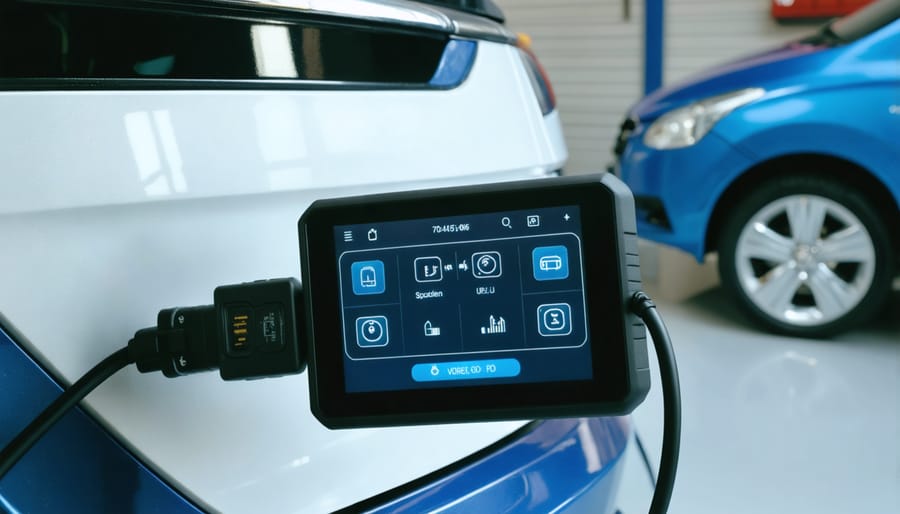
Modern automotive diagnostic software uses machine learning algorithms to analyze vast amounts of vehicle data, continuously improving its ability to identify problems accurately. These smart systems learn from millions of diagnostic sessions across different vehicle makes and models, building a comprehensive database of common issues and their symptoms.
When you connect your diagnostic tool to a vehicle, the software compares current readings against this learned database. It can recognize patterns that might indicate developing problems before they become serious failures. For example, if certain sensor readings consistently appear together before a specific component fails, the software learns to flag these patterns as early warning signs.
The pattern recognition capabilities extend beyond simple error code reading. The software can identify subtle variations in sensor data, fuel mixture readings, and electrical signals that human technicians might miss. This artificial intelligence approach helps eliminate guesswork and reduces diagnostic time significantly.
As more vehicles are scanned and more repairs are performed, these systems become increasingly accurate. They can even adapt to regional differences, accounting for how climate and driving conditions affect vehicle performance. This continuous learning process means that diagnostic solutions become more reliable and precise with each use, benefiting both professional mechanics and DIY enthusiasts.
Key Features for DIY Mechanics
User-Friendly Interfaces
Modern automotive diagnostic software has evolved to become increasingly user-friendly, making it accessible to both DIY mechanics and car enthusiasts. The interfaces typically feature intuitive touchscreen controls, clear icons, and step-by-step guidance that helps users navigate through diagnostic procedures without feeling overwhelmed.
Most diagnostic software now includes color-coded trouble codes and straightforward explanations in plain English, eliminating the need to constantly reference technical manuals. Visual aids such as real-time graphs, gauges, and diagrams help users better understand their vehicle’s performance data. Many programs also offer multilingual support and customizable displays to accommodate different user preferences.
Mobile compatibility has become a standard feature, with many diagnostic tools offering smartphone and tablet apps that sync with the main scanner. This allows users to view and analyze diagnostic data on familiar devices, share reports with mechanics, or save vehicle history for future reference.
Built-in help features and tooltips provide instant explanations of technical terms and suggested fixes for common problems. Many interfaces also include tutorial videos and interactive guides that walk users through basic diagnostic procedures. Community forums integrated within the software enable users to share experiences and solutions, creating a supportive environment for troubleshooting.
For beginners, most software packages offer a “basic mode” that focuses on essential functions while allowing users to gradually explore more advanced features as their confidence grows.
Mobile Integration and Cloud Support
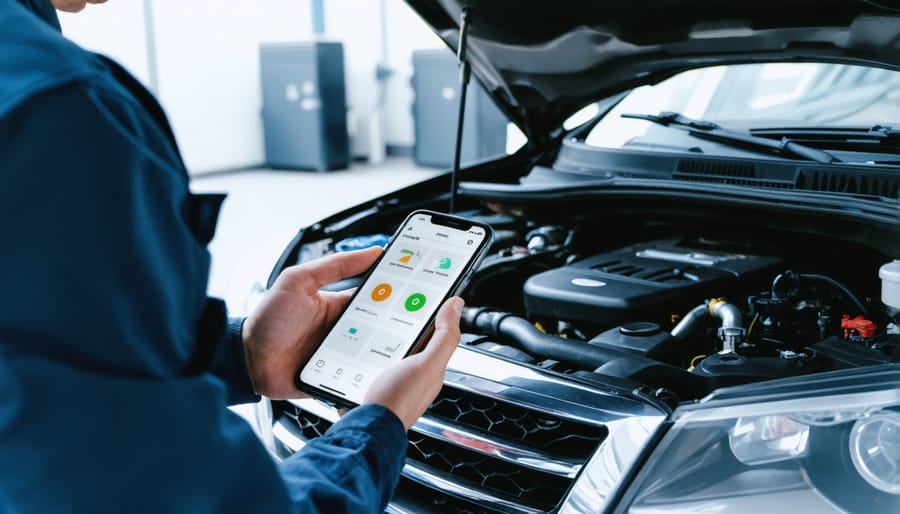
Modern automotive diagnostics has evolved beyond traditional plug-in scanners, with mobile diagnostic applications and cloud connectivity revolutionizing how we diagnose vehicle issues. Today’s diagnostic software seamlessly integrates with smartphones and tablets, allowing mechanics and DIY enthusiasts to access vehicle data anywhere, anytime.
Cloud support enables real-time data sharing between technicians, making it possible to get second opinions on complex problems or access a vast database of diagnostic information. Users can store vehicle history, diagnostic reports, and repair recommendations in secure cloud storage, creating a comprehensive service record that’s always accessible.
Many diagnostic platforms now offer features like wireless OBD-II connectivity, which lets you monitor vehicle performance through your mobile device without physical cables. This wireless freedom means you can check engine parameters while road testing, making it easier to identify intermittent issues that might not show up during stationary diagnostics.
The mobile integration also brings user-friendly interfaces with intuitive touchscreen controls, making complex diagnostic procedures more approachable for DIY mechanics. Features like automated diagnostic reports, repair cost estimators, and direct parts ordering through mobile apps streamline the entire repair process. Regular over-the-air updates ensure your diagnostic software stays current with the latest vehicle models and diagnostic protocols.
To complement smart diagnostics, sourcing quality parts from a trusted 4×4 accessories shop ensures your vehicle is equipped for both performance and reliability on and off the road.
Professional-Grade Capabilities
Multi-Vehicle Support
Modern automotive diagnostic software stands out for its ability to work with multiple vehicle makes and models, making it a versatile tool for both home mechanics and professional technicians. Most professional-grade scanning tools support domestic, European, and Asian vehicles, with coverage spanning from the mid-1990s to current models.
Leading diagnostic software packages typically include comprehensive databases for major manufacturers like Toyota, Ford, GM, BMW, Mercedes-Benz, and Volkswagen. This broad coverage allows users to work on different vehicles without needing multiple specialized tools. Many software solutions offer regular updates to include new vehicle models and maintain compatibility with the latest automotive technology.
The level of support varies between different software packages. Basic scanners might only read generic OBD-II codes, while advanced diagnostic software can access manufacturer-specific codes and advanced vehicle systems. Premium packages often include detailed wiring diagrams, component locations, and repair procedures specific to each make and model.
When choosing diagnostic software, consider the vehicles you commonly work with. Some packages offer modular purchasing options, allowing you to buy access to specific manufacturers’ databases as needed. This flexibility helps users customize their diagnostic capabilities while managing costs effectively. Community forums often provide valuable feedback about software compatibility with specific vehicle models, helping users make informed decisions about which package best suits their needs.
Advanced Diagnostic Protocols
Modern automotive diagnostic software offers sophisticated protocols that make professional-level diagnosis more accessible than ever. These advanced features go beyond basic OBD-II scanning to provide comprehensive vehicle analysis and troubleshooting capabilities.
The most advanced protocols include bi-directional control, which allows technicians to not just read data but also send commands to various vehicle systems. This means you can activate components, run system tests, and even reprogram modules without additional specialized equipment.
PassThru technology enables direct communication with manufacturer servers, allowing for factory-level programming and security system updates. This is particularly valuable for working with newer vehicles that require specific programming procedures.
Many advanced diagnostic tools now support Controller Area Network (CAN) protocols, essential for modern vehicles with multiple electronic control units. These protocols enable faster data transfer and more accurate readings across complex vehicle networks.
Enhanced diagnostic features often include automated system tests, guided diagnostic procedures, and real-time data graphing. These capabilities help both professionals and experienced DIY enthusiasts pinpoint issues more efficiently.
The software also typically includes manufacturer-specific protocols (MSPs) that provide access to proprietary systems and components. This means you can work on vehicle-specific features like adaptive cruise control, lane departure systems, and other advanced driver assistance systems (ADAS).
For optimal results, it’s important to ensure your diagnostic software regularly receives updates to maintain compatibility with the latest vehicles and protocols.
Cost-Benefit Analysis
Return on Investment
Investing in automotive diagnostics software typically delivers significant returns through both time and cost savings. When comparing diagnostic tools, most users report recovering their initial investment within 3-6 months of regular use. Professional mechanics can save an average of 2-3 hours per day on diagnostics, translating to approximately $200-300 in additional billable hours daily.
DIY enthusiasts also benefit substantially, saving an estimated $75-150 per diagnostic session by avoiding shop visits for minor issues. The software’s ability to identify problems accurately reduces parts wastage, with users reporting up to 40% savings on unnecessary component replacements. Many insurance companies also offer reduced rates for vehicles maintained with professional diagnostic tools, providing additional long-term savings.
The efficiency gains are equally impressive, with most users reporting 60% faster problem identification compared to traditional troubleshooting methods. This improved accuracy and speed means fewer comebacks and warranty claims for professionals, while DIY users benefit from reduced vehicle downtime and more confident repairs.
Time and Resource Savings
Modern automotive diagnostic software dramatically reduces the time mechanics and DIY enthusiasts spend troubleshooting vehicle issues. Instead of performing multiple manual checks, technicians can connect the software and receive comprehensive diagnostic reports within minutes. This efficiency translates to significant cost savings, as shops can service more vehicles per day while car owners spend less time waiting for repairs.
Resource optimization is another key benefit. Rather than investing in multiple specialized testing equipment, a single diagnostic software solution can cover numerous vehicle makes and models. The software’s ability to store and access vehicle history eliminates the need for paper records and reduces storage requirements. Many systems also include built-in repair guides and technical information, reducing the time spent searching through multiple repair manuals.
For DIY enthusiasts, these tools eliminate countless hours of trial-and-error diagnostics. The software can quickly pinpoint specific issues, helping users avoid purchasing unnecessary parts or performing unneeded repairs. Regular software updates ensure access to the latest diagnostic procedures and vehicle specifications, making it a sustainable investment for both professional shops and home mechanics.
Safety and Best Practices
When using automotive diagnostic software, safety should always be your top priority. First, ensure your vehicle is parked on level ground with the parking brake engaged before connecting any diagnostic equipment. Never run diagnostic tests in enclosed spaces without proper ventilation, as engine exhaust can be dangerous.
Always use manufacturer-approved scanning tools and follow the software’s system requirements carefully. Keep your diagnostic software updated to the latest version to ensure accuracy and compatibility with newer vehicle models. Before starting any diagnostic procedure, disconnect any charging systems or external power sources connected to the vehicle.
Protect your personal safety by wearing appropriate protective gear, including safety glasses when working under the hood. Keep loose clothing, jewelry, and long hair secured to prevent entanglement with moving parts. When performing live diagnostics with the engine running, be extra cautious around moving components and hot surfaces.
Protect your data by regularly backing up diagnostic reports and scan results. Many modern diagnostic tools connect to the internet, so ensure your software has up-to-date security features to prevent unauthorized access to vehicle systems. Use strong passwords and secure networks when transmitting diagnostic data.
Never override or bypass safety features within the diagnostic software. If you’re unsure about a procedure, consult the vehicle’s service manual or seek professional assistance. Remember that incorrect use of diagnostic tools can potentially damage expensive vehicle components or compromise safety systems.
For DIY enthusiasts, start with basic diagnostic procedures and gradually work up to more complex tests as you gain experience. Professional technicians should regularly review and follow their shop’s safety protocols when using diagnostic equipment.
As automotive diagnostics software continues to evolve with AI integration, both DIY mechanics and professionals are experiencing improved accuracy and efficiency in their diagnostic work. These smart tools can now learn from millions of repair cases, offering increasingly precise predictions and solutions for vehicle issues. The future looks promising, with developments in machine learning set to make diagnostic tools even more accessible and user-friendly. Community feedback shows that these AI-powered systems are already reducing diagnostic time by up to 70% and helping users save significantly on repair costs. As more vehicles become connected and software-dependent, having reliable diagnostic tools will become essential for anyone involved in car maintenance and repair. The integration of real-time monitoring and predictive diagnostics suggests we’re moving toward a future where vehicle problems can be identified and addressed before they become serious issues.
Related Posts