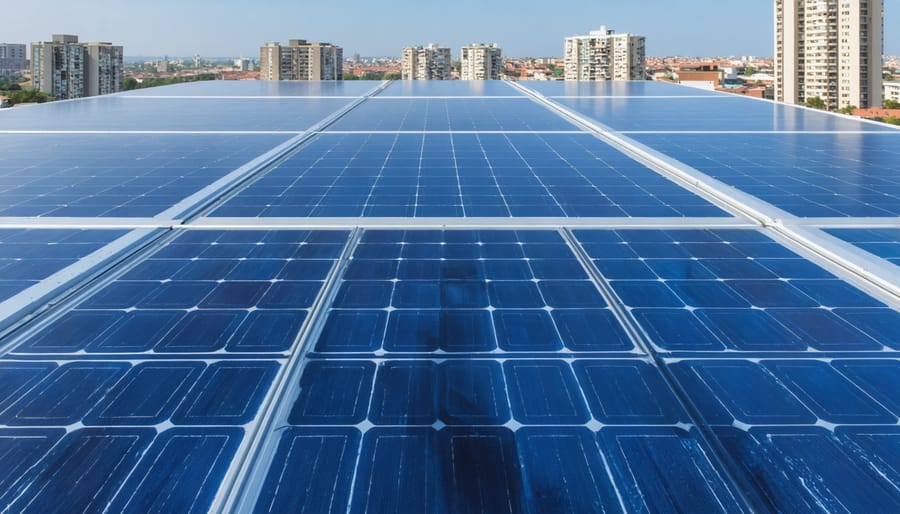
Transform your building into a power-generating asset with building-integrated photovoltaics (BIPV) – the cutting-edge solution that seamlessly merges solar technology with architectural design. Unlike traditional solar panels, BIPV components replace conventional building materials, serving dual purposes as both construction elements and clean energy generators while improving building energy efficiency.
These innovative systems integrate directly into roofing tiles, windows, facades, and skylights, eliminating the bulky appearance of standard solar installations while maintaining aesthetic appeal. Modern BIPV solutions achieve power generation efficiencies up to 20% while reducing material and installation costs through their dual functionality.
For building owners and architects, BIPV represents a practical pathway to achieve net-zero energy goals without compromising design integrity. The technology not only generates clean electricity but also enhances thermal insulation, reduces HVAC loads, and can qualify for various green building certifications and incentives. As construction costs continue rising, BIPV’s ability to serve multiple functions makes it an increasingly attractive option for both new construction and renovation projects.
How BIPV Systems Work: A Practical Overview
Common BIPV Components
Building-integrated photovoltaics consist of several key components working together to generate and deliver solar power while serving as building materials. The photovoltaic cells, typically made from crystalline silicon or thin-film technology, form the core element by converting sunlight into electricity. These cells are embedded within specialized glass panels or other construction materials, featuring a transparent front layer that protects while allowing maximum light transmission.
The system includes an inverter that converts the DC power generated by the cells into usable AC power for the building. Mounting systems and frames secure the BIPV elements to the building structure while providing proper ventilation and drainage. These components are designed to meet both electrical and construction requirements.
Wiring and junction boxes connect the various BIPV elements, routing power to the building’s electrical system. Many modern installations also include monitoring systems that track power generation and system performance. Weather-tight seals and thermal insulation layers ensure the components maintain building envelope integrity while protecting against moisture and temperature fluctuations.
All these components are engineered to seamlessly integrate with traditional building materials, offering both functionality and aesthetic appeal.
Installation Points in Buildings
Building-integrated photovoltaics can be effectively installed in several key areas of a building, maximizing both energy generation and architectural integration. Roofs are the most common installation point, offering optimal sun exposure through both traditional solar tiles and modern solar shingles. South-facing walls present excellent opportunities for solar cladding systems, which can replace conventional siding while generating power.
Windows and skylights can incorporate semi-transparent solar cells, allowing natural light while producing electricity. These solutions work particularly well in office buildings and commercial spaces. Awnings and canopies serve dual purposes by providing shade and generating power, making them ideal for entrances and outdoor seating areas.
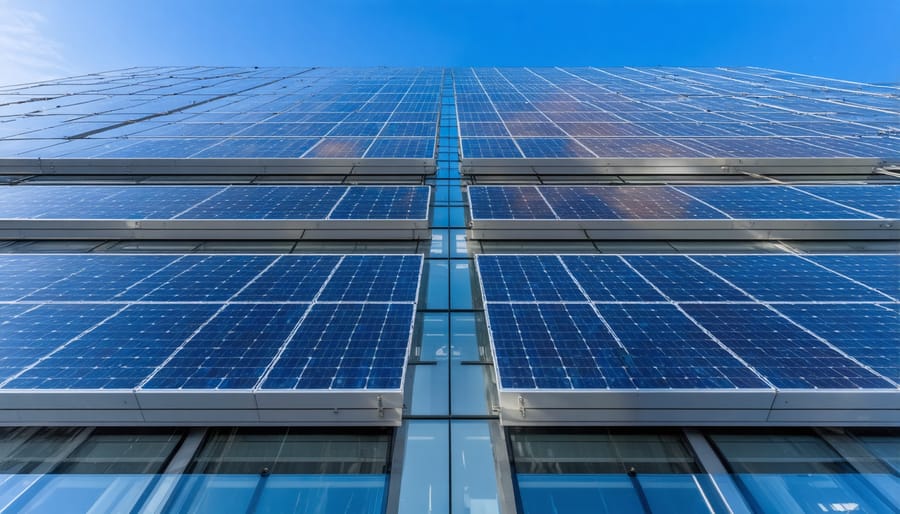
Building facades can utilize solar curtain walls, which replace traditional glass panels with photovoltaic modules. Balcony railings and barriers offer another creative integration point, especially in multi-story buildings. Even carports and parking structures can be equipped with BIPV systems, providing both vehicle protection and energy generation.
For optimal performance, installation points should be chosen based on sun exposure, building orientation, and local climate conditions. Consider consulting with a solar professional to identify the most effective locations for your specific building.
BIPV Materials and Options
Solar Tiles and Shingles
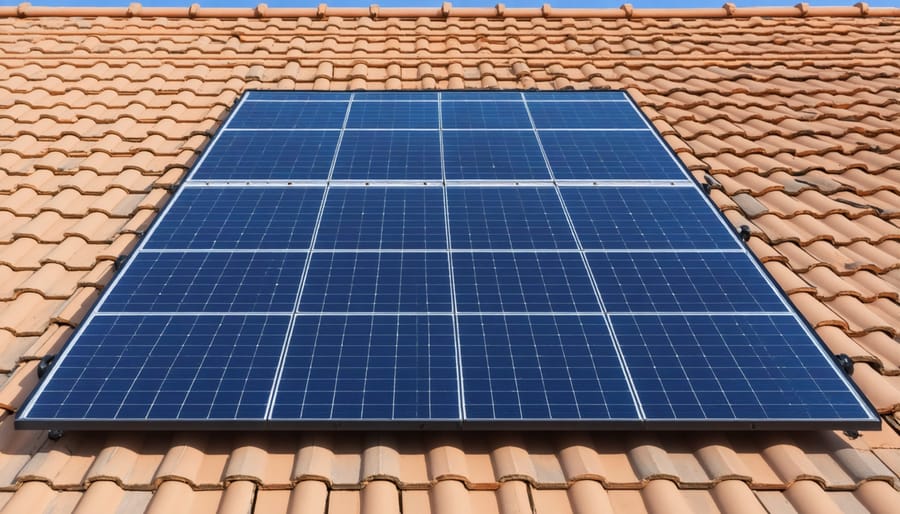
Solar tiles and shingles represent one of the most seamless ways to integrate solar power into your home’s architecture. Unlike traditional solar panels, these products are designed to look and function just like regular roofing materials while harvesting solar energy. They’re particularly popular among homeowners who want to maintain their property’s aesthetic appeal while embracing renewable energy.
These innovative products come in two main varieties: solar tiles and solar shingles. Solar tiles are typically larger pieces that mimic the appearance of traditional clay or slate tiles, while solar shingles are smaller units that look like asphalt shingles. Both types are engineered to withstand the same weather conditions as conventional roofing materials.
Installation usually requires a certified professional, as these systems integrate directly with your home’s electrical system and roofing structure. The process involves replacing existing roofing materials with the solar alternatives, creating a weatherproof seal while establishing the necessary electrical connections.
When it comes to efficiency, most solar tiles and shingles convert 14-18% of sunlight into electricity, which is slightly lower than traditional solar panels. However, their seamless integration often makes them a preferred choice for homes in historic districts or neighborhoods with strict aesthetic guidelines.
Maintenance is similar to regular roofing materials, though you’ll want to ensure regular cleaning and inspection of both the physical materials and electrical components to maintain optimal performance. Most manufacturers offer warranties ranging from 20-25 years, covering both power production and weather protection.
Solar Glass and Windows
Solar glass and windows represent one of the most innovative approaches to building-integrated photovoltaics, offering a way to transform ordinary windows into power-generating surfaces while maintaining their primary function. These components come in various transparency levels, typically ranging from 10% to 50%, allowing building owners to balance natural light transmission with power generation.
The technology behind solar windows involves thin-film solar cells sandwiched between glass panes or special coatings applied to the glass surface. Semi-transparent solar cells are created using materials like amorphous silicon or organic photovoltaic materials, which can be manufactured in different opacity levels to suit specific needs.
For residential applications, homeowners often choose higher transparency options (30-40%) for living spaces where natural light is essential. Commercial buildings might opt for lower transparency (10-20%) in areas where light control is desired, such as conference rooms or computer workspaces. These windows can generate between 50-150 watts per square meter, depending on the transparency level and installation conditions.
Installation requires careful consideration of orientation and shading, as these factors significantly impact power generation. While the efficiency of solar glass is generally lower than traditional solar panels, their dual functionality makes them particularly valuable in urban environments where surface area is limited.
Maintenance is similar to regular windows, though extra care should be taken during cleaning to protect the photovoltaic elements. Most manufacturers recommend professional cleaning services familiar with solar glass maintenance.
Installation Considerations
Planning and Assessment
Before installing building-integrated photovoltaics (BIPV), a thorough assessment of your building’s suitability is essential. Start by evaluating your building’s orientation and sun exposure throughout the day. South-facing surfaces typically receive the most sunlight in the Northern Hemisphere, making them ideal for solar integration.
Conduct a shade analysis to identify potential obstructions from nearby buildings, trees, or other structures. This can be done using specialized solar assessment tools or by consulting with a solar professional. Remember to consider seasonal changes in sun position and foliage coverage.
Next, assess your building’s structural capacity to support BIPV components. This includes checking roof integrity, wall strength, and existing electrical infrastructure. A professional structural engineer should verify that your building can handle the additional weight and stress of BIPV installations.
Calculate your energy requirements by reviewing past utility bills and estimating future needs. This helps determine the appropriate size and capacity of your BIPV system. Consider factors like peak usage times and seasonal variations in energy consumption.
Don’t forget to check local building codes, zoning regulations, and historic preservation requirements. Many jurisdictions have specific guidelines for solar installations, particularly in historic districts or areas with strict architectural controls. Obtain necessary permits and ensure your planned installation complies with all relevant regulations.
Finally, evaluate the financial aspects, including installation costs, available incentives, and potential energy savings. Create a detailed timeline for implementation, considering weather conditions and contractor availability.
Professional vs DIY Installation
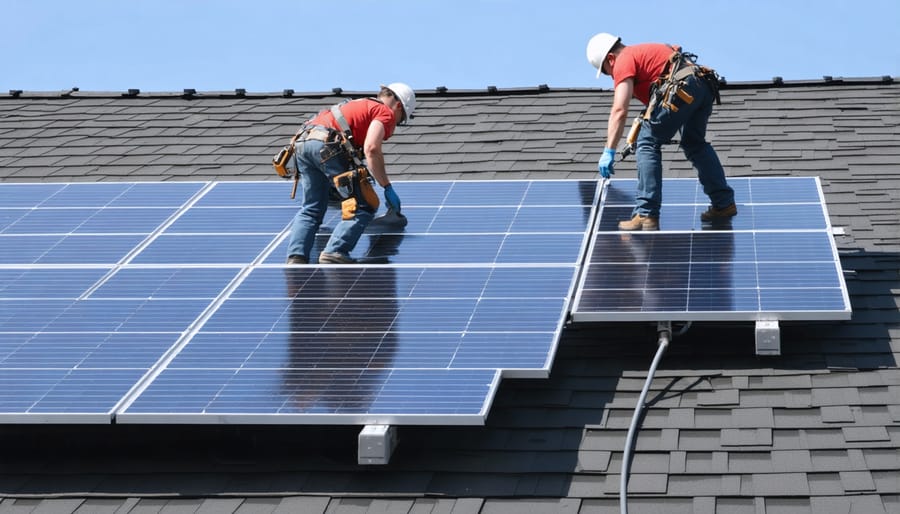
While some aspects of building-integrated photovoltaics can be handled by experienced DIYers familiar with solar panel installation basics, most BIPV projects require professional installation due to their complexity and integration with critical building components. DIY installations are typically limited to simple additions like solar tiles on existing structures or small-scale facade elements.
Professional installation is strongly recommended for:
– New construction BIPV integration
– Structural modifications to existing buildings
– Complex electrical system integration
– Weatherproofing and moisture barrier work
– Projects requiring building permits or code compliance
DIY-friendly tasks might include:
– Basic maintenance and cleaning
– Monitoring system performance
– Simple repairs to accessible components
– Planning and design consultation
– Material selection and research
Before attempting any DIY work, ensure you have proper documentation, understand local building codes, and possess the necessary skills. Working with heights, electricity, and building envelope components carries significant risks. Many manufacturers also require professional installation to maintain warranties.
Consider a hybrid approach where you handle the planning and basic maintenance while leaving critical installation work to certified professionals. This ensures safety, code compliance, and optimal system performance while still allowing hands-on involvement in your BIPV project.
Cost and Benefits Analysis
Building-integrated photovoltaics (BIPV) represent a significant initial investment, but their long-term benefits often justify the costs. The average installation cost ranges from $400 to $700 per square meter, depending on the type of integration and materials chosen. However, these costs are offset by eliminating the need for traditional building materials, effectively reducing the net installation expense by 20-30%.
The primary financial advantage comes from energy savings, with most BIPV systems paying for themselves within 7-10 years. You can calculate solar energy savings based on your specific location and energy consumption patterns. Many installations achieve energy bill reductions of 40-60% annually, with some systems generating surplus power that can be sold back to the grid.
Additional benefits include increased property value, with studies showing BIPV installations can boost home values by 3-4%. Many regions offer tax incentives, grants, and rebates that can reduce initial costs by up to 30%. Maintenance costs are relatively low, typically requiring only annual cleaning and occasional system checks.
From a durability perspective, BIPV systems often last 25-30 years, matching or exceeding the lifespan of traditional roofing materials. They also provide additional insulation, potentially reducing heating and cooling costs by 5-10%. Some insurance companies offer reduced premiums for buildings with BIPV installations, recognizing their durability and potential to reduce storm damage.
Consider that while upfront costs may seem high, the combination of energy savings, incentives, and property value increase makes BIPV a sound long-term investment for many building owners.
Maintenance Requirements
Regular solar panel cleaning and maintenance is crucial for ensuring optimal performance of building-integrated photovoltaic (BIPV) systems. Unlike traditional roof-mounted panels, BIPV maintenance requires special attention since these components are integral to the building structure.
Key maintenance tasks include regular inspection for damage, debris removal, and performance monitoring. Every 6-12 months, check for:
– Dust and dirt accumulation
– Bird droppings or leaves
– Micro-cracks or physical damage
– Loose electrical connections
– Water seepage around integration points
Most BIPV systems can be cleaned using soft brushes and mild soap solutions. Avoid high-pressure washing, which could damage the waterproof seals. During winter, snow removal should be handled carefully to prevent scratching the surface.
Performance monitoring is essential – track energy output through your inverter’s monitoring system. A sudden drop in generation might indicate maintenance needs. Consider installing remote monitoring systems for early problem detection.
Common troubleshooting steps include:
– Checking inverter displays for error codes
– Inspecting wiring connections
– Looking for physical damage after storms
– Testing voltage output
– Examining weather sealing integrity
For safety reasons, always hire certified professionals for electrical repairs and complex maintenance tasks. Regular upkeep not only maintains efficiency but also extends the system’s lifespan and preserves the building’s structural integrity.
Building-integrated photovoltaics represent an exciting frontier in sustainable construction, combining energy generation with architectural design. As we’ve explored, BIPV systems offer multiple benefits, from reducing energy costs to enhancing building aesthetics. For homeowners and contractors considering BIPV implementation, the key is to start with a thorough assessment of your building’s solar potential and energy needs.
Begin by consulting with certified BIPV installers who can evaluate your specific situation and recommend appropriate solutions. Remember to check local building codes and secure necessary permits before starting any installation. Consider joining online communities and forums where other DIY enthusiasts share their BIPV experiences and tips.
The future of BIPV looks promising, with advancing technology making systems more efficient and affordable. Whether you’re planning a new construction project or retrofitting an existing building, BIPV offers a smart investment in sustainable living. Start small if needed – even incorporating BIPV elements in windows or skylights can make a significant impact on your energy consumption while gaining hands-on experience with this innovative technology.
Related Posts