
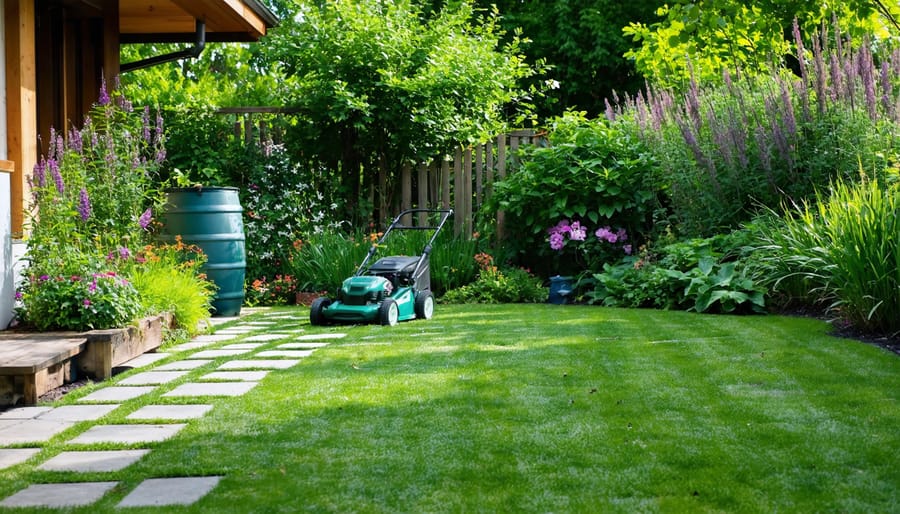
Transform your lawn into an eco-friendly oasis by replacing chemical fertilizers with organic compost tea, reducing water consumption through strategic morning watering, and maintaining grass height at 3-4 inches to naturally suppress weeds. Installing rain barrels captures free water while protecting local watersheds, and introducing native plants creates biodiversity that naturally deters pests. Electric or manual push mowers cut emissions while delivering precision cuts that help maintain a healthy lawn without the environmental impact of gas-powered equipment.
Sustainable lawn care isn’t just about protecting the environment – it’s about creating a resilient, low-maintenance outdoor space that thrives naturally. By embracing these earth-friendly practices, your lawn becomes a self-sustaining ecosystem that requires fewer resources while delivering better results. Smart cultural practices like grasscycling (leaving clippings on the lawn) and overseeding with drought-resistant varieties eliminate the need for harmful chemicals while building soil health from the ground up.
Smart Mowing Techniques That Save Time and Energy
The Right Mowing Height
Maintaining the optimal grass height is crucial for both lawn health and environmental sustainability. The general rule is to never cut more than one-third of the grass blade length in a single mowing session. This “one-third rule” promotes stronger root systems and helps your lawn naturally resist weeds and pests.
Different grass types thrive at varying heights. Cool-season grasses like Kentucky Bluegrass do best at 2.5 to 3.5 inches, while warm-season varieties such as Bermuda grass prefer 1 to 2 inches. During summer months, keeping grass slightly taller provides natural shade to the soil, reducing water evaporation and protecting beneficial soil microorganisms.
To determine your mowing frequency, observe your lawn’s growth rate rather than following a strict schedule. During peak growing seasons, you might need to mow weekly, while during slower periods, bi-weekly mowing may suffice. Always use sharp mower blades to make clean cuts, which heal quickly and prevent stress on the grass.
When mowing, alternate your cutting pattern each time to prevent soil compaction and encourage upright growth. Leave grass clippings on the lawn as natural mulch – they’ll decompose quickly, returning valuable nutrients to the soil and reducing the need for synthetic fertilizers.
Electric vs. Gas Mowers
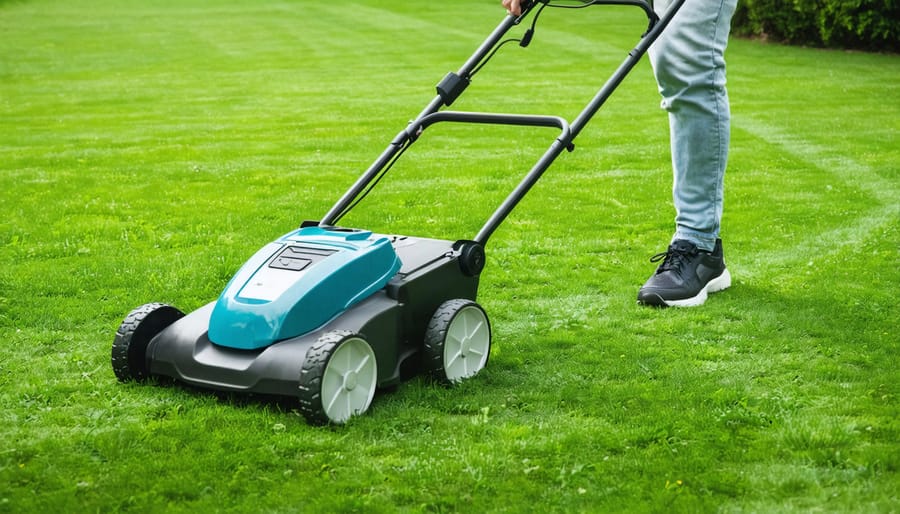
When choosing between electric and gas mowers, the environmental impact varies significantly. Electric mowers, particularly cordless models, produce zero direct emissions during operation and run much quieter than their gas counterparts. They require minimal maintenance, with no oil changes or spark plug replacements needed, making them both eco-friendly and cost-effective in the long run.
Gas mowers, while traditionally more powerful, contribute to air pollution through exhaust emissions and fuel vapors. A typical gas mower running for one hour produces as much pollution as driving a car for 45 miles. They also require regular maintenance using oil and other chemicals that can potentially harm the environment if not disposed of properly.
Battery-powered electric mowers have come a long way in recent years, with improved battery life and cutting power matching many gas models. Modern lithium-ion batteries last longer and charge faster than older models, though you may need a spare battery for larger lawns. The main environmental consideration with electric mowers is the source of electricity used for charging – using renewable energy maximizes their eco-friendly benefits.
For those concerned about environmental impact, electric mowers clearly have the advantage. While the initial cost might be higher, the reduced maintenance, lower operating costs, and minimal environmental impact make them an increasingly popular choice for environmentally conscious homeowners.
Natural Fertilization Methods That Work
Composting Basics
Composting transforms yard waste and kitchen scraps into nutrient-rich soil, creating a sustainable cycle for your lawn care routine. To start composting, choose a shaded spot in your yard and create a pile or use a composting bin. The key to successful composting is maintaining the right balance of “green” and “brown” materials.
Green materials include fresh grass clippings, vegetable scraps, and coffee grounds, providing nitrogen. Brown materials like dry leaves, twigs, and shredded paper add carbon. Aim for a ratio of about three parts brown to one part green materials.
Layer your materials, keeping them moist but not wet – similar to a wrung-out sponge. Turn the pile every few weeks using a garden fork to promote decomposition. Avoid adding meat, dairy, or diseased plants to prevent pest problems and maintain healthy compost.
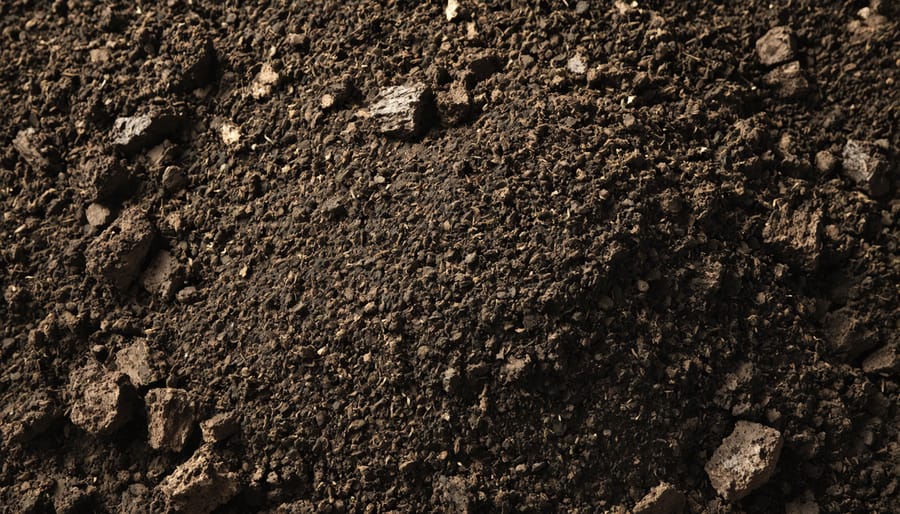
Your compost is ready when it’s dark, crumbly, and smells earthy, typically taking 3-6 months to mature. Use it as a natural fertilizer by spreading a thin layer over your lawn in spring or fall, or mix it into garden soil before planting. One mature compost pile can provide enough natural fertilizer for an average-sized lawn, reducing the need for chemical treatments while improving soil health and water retention.
Remember to collect grass clippings after mowing to add to your compost pile, creating a self-sustaining system for your lawn care needs.
Grass Cycling
Grass cycling is one of the simplest yet most effective eco-friendly lawn care practices you can adopt. Instead of bagging and disposing of grass clippings after mowing, leave them on your lawn to decompose naturally. These clippings break down quickly, returning valuable nutrients to the soil, including nitrogen, phosphorus, and potassium – the same elements found in commercial fertilizers.
When done correctly, grass cycling can reduce your lawn’s fertilizer needs by up to 25% while saving time and effort on yard waste disposal. The key is to mow regularly and only cut the top third of the grass blade. This ensures the clippings are small enough to decompose quickly without smothering the living grass beneath.
Many modern lawn mowers come equipped with mulching blades that chop clippings into smaller pieces, but you can practice grass cycling with any mower by removing the collection bag. Just remember to avoid mowing when the grass is wet, as damp clippings tend to clump and can lead to thatch buildup.
For those concerned about appearance, properly mulched clippings virtually disappear within a day or two, sinking between the grass blades to enrich the soil. This natural process not only feeds your lawn but also helps retain moisture, reducing the need for frequent watering and promoting healthier root development.
Water-Smart Lawn Management
Smart Watering Schedule
Proper watering timing and techniques are crucial for maintaining a healthy lawn while conserving water. The best time to water your lawn is early morning, between 4 AM and 10 AM, when temperatures are cooler and wind speeds are typically lower. This timing reduces water loss through evaporation and allows grass roots to absorb moisture effectively before the heat of the day.
Instead of daily light sprinklings, water deeply but less frequently to encourage deep root growth. Apply about 1 to 1.5 inches of water per week, adjusting for rainfall. Use a rain gauge or place an empty tuna can on your lawn to measure water application accurately.
Consider installing a smart irrigation controller that automatically adjusts watering schedules based on weather conditions and soil moisture levels. These systems can reduce water usage by up to 30% while maintaining optimal lawn health. For manual watering, use a timer to prevent overwatering and water waste.
Watch for signs that indicate your lawn needs water: footprints remaining visible after walking across the grass, or blades that don’t spring back up. During drought conditions, let your lawn go dormant naturally – most grass types can survive several weeks without water and will green up again when rain returns.
Remember to adjust your watering schedule seasonally, reducing frequency during cooler months and increasing during peak growing seasons.
Water-Saving Tools and Technologies
Modern water conservation technology has revolutionized lawn care, making it easier than ever to maintain a beautiful yard while protecting our precious water resources. At the heart of eco-friendly lawn maintenance are efficient irrigation systems that deliver precise amounts of water exactly where and when needed.
Smart sprinkler controllers are game-changers, automatically adjusting watering schedules based on weather conditions, soil moisture levels, and seasonal changes. These systems can reduce water usage by up to 50% compared to traditional timers. Soil moisture sensors work alongside these controllers, preventing unnecessary watering when the ground already has sufficient moisture.
Drip irrigation systems and soaker hoses are excellent alternatives to conventional sprinklers, delivering water directly to plant roots while minimizing evaporation and overspray. Rain barrels and cisterns help capture and store rainwater for later use, providing a free, sustainable water source for your lawn.
For spot watering, consider using water-efficient spray nozzles with adjustable patterns and flow rates. Many modern nozzles feature automatic shut-off mechanisms to prevent waste. Smart lawn moisture meters can help you make informed decisions about when to water, ensuring you’re not over or under-watering your grass.
Remember to regularly maintain and inspect your irrigation equipment for leaks or inefficiencies. Even small drips can add up to significant water waste over time.
Natural Pest Control Solutions
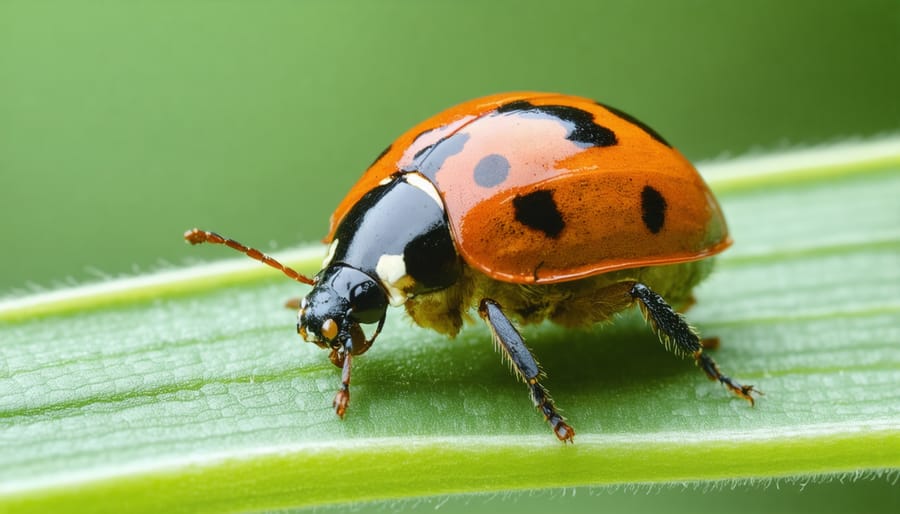
Beneficial Insects
Beneficial insects are nature’s own pest control squad, helping maintain a healthy lawn ecosystem while reducing the need for chemical treatments. Ladybugs, praying mantises, and ground beetles act as natural predators, feeding on common lawn pests like aphids, mites, and grubs.
To attract these helpful allies, incorporate flowering plants that provide nectar and pollen throughout the growing season. Plants like yarrow, dill, and native wildflowers are particularly effective at drawing beneficial insects. Creating small brush piles or leaving fallen leaves in garden beds provides shelter for these insects during harsh weather.
Ground-dwelling insects like beetles and parasitic wasps benefit from maintaining areas of bare soil and adding flat stones as refuge spots. Installing a shallow water source, such as a bird bath with partially submerged rocks, helps support insect populations during dry periods.
Avoid broad-spectrum pesticides, which can harm beneficial insects along with pests. Instead, practice targeted pest management when necessary. Maintaining diverse plant species in your lawn area also helps create a balanced ecosystem where beneficial insects can thrive.
Remember that some “untidy” areas in your yard actually support beneficial insect populations. Consider leaving small sections of your lawn slightly wilder, with longer grass and natural debris, to create microhabitats for these helpful creatures.
Natural Deterrents
Natural pest control solutions can effectively protect your lawn without harmful chemicals. One popular method is companion planting, where you strategically place pest-repelling plants like marigolds, chrysanthemums, and lavender around your lawn’s perimeter. These plants naturally deter common garden pests while adding beauty to your landscape.
Create your own organic pest spray by mixing water with natural ingredients like neem oil, garlic, or hot pepper. A simple solution of one tablespoon of neem oil and a few drops of liquid soap in one gallon of water works wonders against most garden pests. For specific problems, try a garlic spray (blend six cloves with water) to repel insects or a cayenne pepper solution to keep larger pests away.
Beneficial insects are your allies in natural pest control. Encourage ladybugs, praying mantises, and parasitic wasps to make your lawn their home by providing shallow water sources and native flowering plants. These helpful creatures naturally control harmful pest populations without any intervention needed.
Diatomaceous earth, a natural powder made from fossilized algae, creates an effective barrier against crawling insects when sprinkled around problem areas. For slug control, place shallow dishes of beer in your garden – they’re attracted to the yeast and will fall in. Coffee grounds spread around plants deter both slugs and cats while adding nutrients to your soil.
Embracing eco-friendly lawn care isn’t just about maintaining a beautiful yard – it’s about being a responsible steward of our environment. By implementing the sustainable practices we’ve discussed, you can create a thriving lawn while minimizing your ecological footprint. From choosing manual or electric tools over gas-powered equipment to adopting natural fertilization methods and water conservation techniques, every small change makes a difference.
Remember that transitioning to sustainable gardening practices is a journey, not a destination. Start with one or two changes that feel manageable, and gradually incorporate more eco-friendly methods as you become comfortable with your new routine. Your lawn will adapt and flourish under these gentler, more natural approaches.
The benefits extend beyond your property lines: reduced chemical runoff, decreased noise pollution, improved soil health, and enhanced biodiversity in your local ecosystem. Plus, many of these methods can save you money in the long run through reduced water bills and fewer chemical inputs.
We encourage you to share your eco-friendly lawn care experiences with others in your community. By working together and sharing knowledge, we can create a more sustainable future for our lawns and gardens while protecting the environment for generations to come.
Related Posts


Post a Comment