

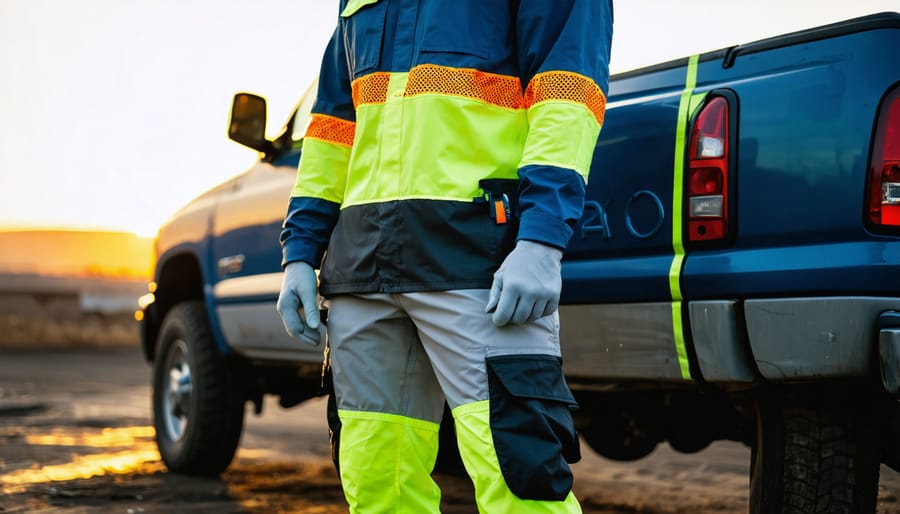
Y2K fashion is roaring back—but forget the low-rise jeans and butterfly clips. For tradespeople and DIYers, this era’s automotive and workwear aesthetic offers surprisingly practical inspiration for modern job sites. Think reflective safety elements that actually started as Y2K street style, cargo functionality reimagined from early 2000s utility wear, and durable synthetic materials that balance protection with mobility.
The late ’90s and early 2000s brought tech-inspired workwear innovations that prioritized visibility and multi-pocket storage—elements that remain essential today. Mechanics wore flame-resistant synthetic blends with metallic accents, construction crews adopted high-visibility neon that doubled as style, and tool belts evolved into streamlined tactical systems borrowed from the era’s utilitarian fashion movement.
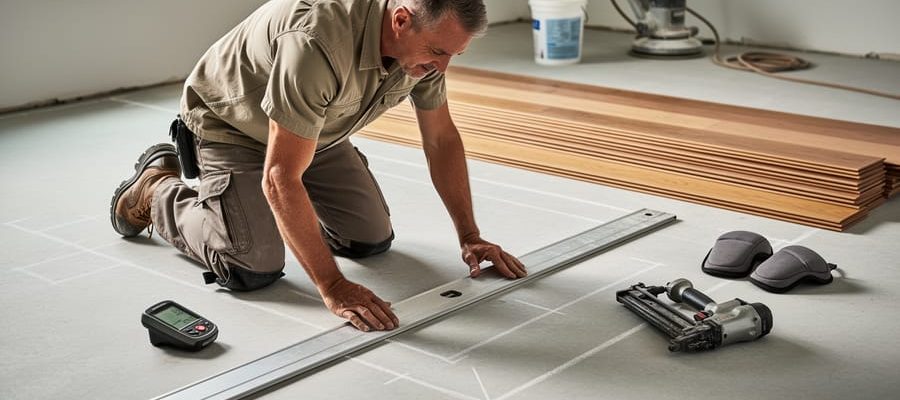
This intersection of form and function isn’t about nostalgia—it’s about recognizing which Y2K trends actually solve real problems on job sites. Reflective piping improves safety during low-light projects. Reinforced knee panels from skatewear translate perfectly to flooring installation. Breathable moisture-wicking fabrics developed for the tech boom keep you comfortable through summer roofing jobs.
Understanding Y2K’s practical fashion legacy helps you make smarter gear choices today. Whether you’re selecting work boots with that era’s improved ankle support technology or choosing tool storage systems inspired by Y2K’s pocket-heavy aesthetic, these functional elements prove some trends deserve revival—not for style points, but because they genuinely work.
What Y2K Automotive Fashion Actually Means for Your Worksite
The Racing Stripe Renaissance
Racing stripes weren’t just about looking fast in the early 2000s—they served a practical purpose that translated directly into today’s safety workwear. Those reflective metallic strips you remember from track pants and jackets? They were inspired by automotive racing culture, where high-visibility markings helped crews spot each other in split-second situations.
Modern work gear adopted this same principle. Reflective tape on coveralls, tool belts, and safety vests uses retroreflective technology—materials that bounce light directly back to its source. This means when a car’s headlights hit your work jacket at a construction site or roadside job, you’re visible from up to 1,000 feet away.
The Y2K aesthetic accidentally championed something essential: being seen equals staying safe. Today’s ANSI-certified high-visibility clothing features strategically placed reflective strips that follow the body’s contours, just like those fashion-forward racing stripes did. The difference? These modern applications meet strict safety standards (Class 2 or 3 ratings) that protect workers in low-light conditions.
Community feedback consistently ranks visibility gear among the most important safety investments, especially for outdoor projects and job sites near traffic.
Metallic and Chrome Finishes That Serve a Purpose
The shiny, reflective fabrics that defined Y2K fashion weren’t just about making a statement—they drew inspiration from automotive chrome and metallic car paint finishes. Today, these same materials have found practical applications in workwear, particularly for outdoor tradespeople.
Modern metallic-coated work shirts and jackets incorporate heat-reflective technology that bounces solar radiation away from your body. This means you stay cooler during summer roofing jobs, landscaping projects, or concrete work. The science is straightforward: lighter, reflective surfaces absorb less heat than dark fabrics, reducing heat stress by up to 20 degrees compared to traditional work clothing.
Community feedback from contractors has been overwhelmingly positive. One roofer noted that switching to a silver-coated work shirt made multi-hour jobs in direct sunlight significantly more bearable. Another user mentioned that metallic safety vests provide dual benefits—enhanced visibility and temperature regulation.
When selecting metallic workwear, look for UV-rated fabrics that maintain their reflective properties after multiple washes. While these garments cost slightly more upfront, the improved comfort and potential health benefits during extended outdoor work make them a worthwhile investment for serious tradespeople.
Practical Y2K Automotive Pieces That Actually Belong in Your Tool Bag
Cargo Pants With Racing-Inspired Pockets
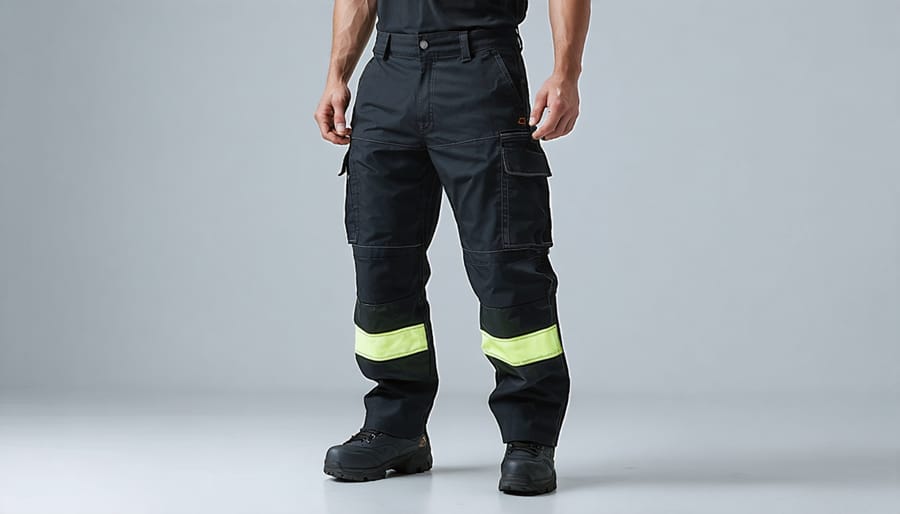
Multi-pocket cargo pants, a staple of Y2K fashion, took direct inspiration from pit crew uniforms where organization meant the difference between winning and losing a race. These pants weren’t just a style statement—they solved a real problem that tradespeople face daily: keeping tools accessible without constant trips to the toolbox.
The strategic pocket placement on racing-inspired cargo pants mirrors how pit crews carried specialized equipment for lightning-fast tire changes and adjustments. Side cargo pockets typically accommodate larger items like tape measures or small power tools, while smaller utility pockets near the knees provide quick access to fasteners, bits, or pencils. Many modern workwear versions feature reinforced stitching at stress points, just like the originals designed to withstand the physical demands of motorsports.
Community feedback from electricians and carpenters consistently highlights how these multi-pocket designs reduce wasted motion during projects. One contractor noted that having dedicated pockets for different tool types increased his efficiency by eliminating the “pocket shuffle” when reaching for specific items. The key is choosing pants with reinforced pocket bases to handle the weight of tools without sagging or tearing—a lesson learned directly from professional racing applications where durability under stress is non-negotiable.
Technical Jackets That Move Like You Do
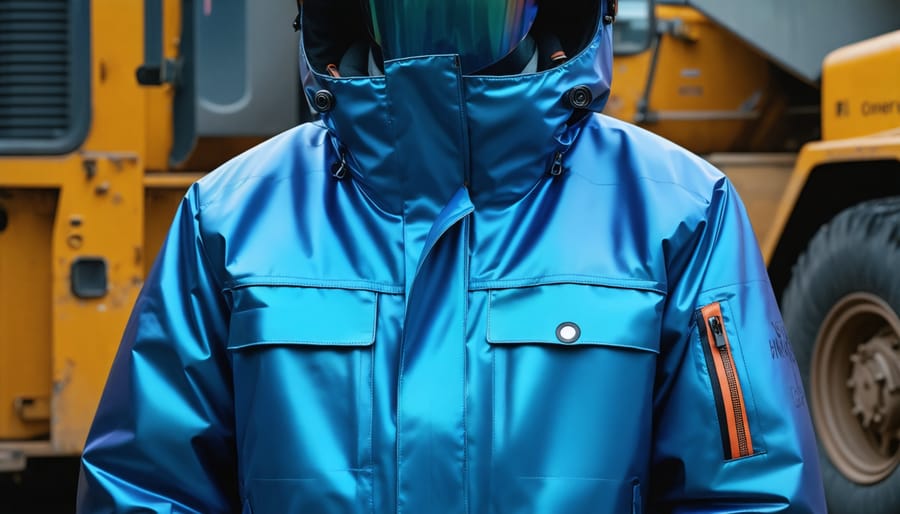
Y2K-era windbreakers and track jackets weren’t just fashion statements—they incorporated mobility features directly inspired by motorsports and racing suits. These technical jackets used articulated sleeves, stretch panels, and strategic mesh inserts to allow full range of motion, making them surprisingly practical for hands-on work.
For tradespeople and DIYers, this translates to real-world benefits. Look for jackets with raglan or action-back sleeve construction that won’t restrict your reach when working overhead or maneuvering in tight spaces. Zippered pit vents borrowed from racing gear provide temperature control during physically demanding tasks without requiring you to remove layers.
Modern reproductions often feature reflective piping—originally a style element but incredibly useful for worksite visibility and safety. Many community members report these lightweight shells work well as outer layers during spring and fall projects, protecting against wind and light rain without the bulk of traditional work jackets.
When shopping, test arm mobility by reaching across your body and above your head. Quality track jackets should move with you, not against you. Check user reviews for durability feedback, especially regarding zipper strength and fabric resistance to snags—crucial considerations the original Y2K designers didn’t always prioritize.
Utility Vests Straight From the Pit Lane
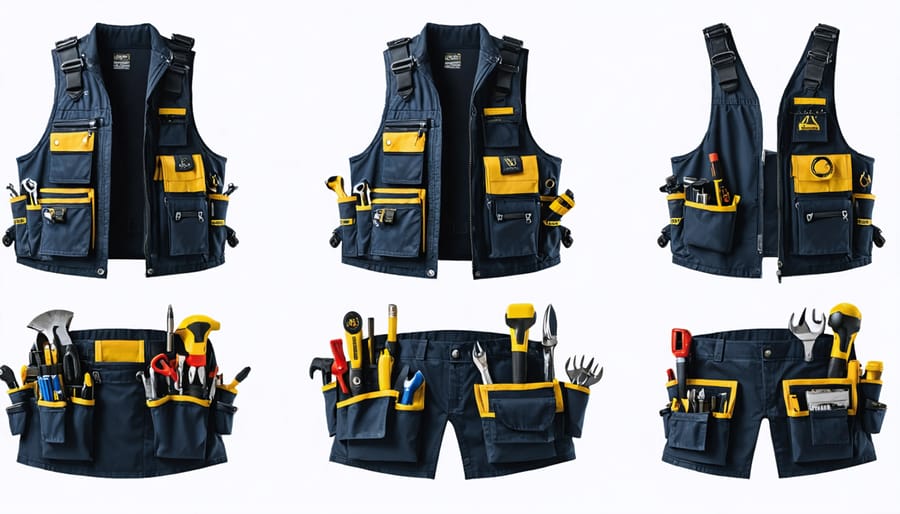
Tactical utility vests borrowed from early 2000s motorsport culture have found a surprising second life in workshops and job sites. These multi-pocket vests, originally designed for pit crews who needed split-second access to tools during tyre changes, solve a practical problem that tradespeople face daily: keeping essential tools within arm’s reach without weighing down your belt.
Modern versions feature reinforced stitching, breathable mesh panels, and strategically placed pockets sized for everything from screwdrivers to measuring tapes. The hands-free design means you’re not constantly bending to grab tools from a bag or making trips back to your toolbox. Community feedback highlights that professionals working on ladders or in tight spaces particularly appreciate having their most-used items distributed across their torso rather than pulling down on their hips.
When selecting a utility vest, look for adjustable straps that accommodate layers underneath, since you’ll likely wear it over work shirts or hoodies. Durable materials like ripstop nylon or canvas blends hold up better than lightweight fashion fabrics. The pockets should close securely—velcro or snap fasteners prevent tools from falling out when you lean forward.
Just as organizing your workspace improves efficiency, organizing your tools on your body keeps projects moving smoothly. Many users report reducing project time by eliminating unnecessary trips to fetch forgotten items, making these Y2K-inspired vests a functional investment rather than a fashion statement.
Safety Features Hidden in Y2K Automotive Style
Reflective Details That Keep You Visible
One of the most practical Y2K-inspired features making a comeback is reflective detailing—those metallic silver strips and panels that defined early 2000s workwear and sportswear. What started as a bold aesthetic choice actually serves a critical safety function on modern job sites.
Reflective tape and piping on work jackets, vests, and pants dramatically improve visibility during dawn, dusk, or nighttime work. When headlights or flashlights hit these surfaces, they bounce light directly back to the source, making you visible from hundreds of feet away. This is especially important for roadside work, outdoor construction, or any job site with vehicle traffic.
Modern workwear manufacturers have refined this Y2K staple by using high-performance reflective materials that meet ANSI safety standards while maintaining that signature metallic look. Community members in our reviews section consistently praise work jackets with reflective accents, noting they feel safer without sacrificing style.
The beauty of this trend is its dual purpose: you get the distinctive Y2K aesthetic while genuinely protecting yourself. Whether you’re working in your driveway at dawn or on a professional site, reflective details ensure you’re seen. Pro tip from our user community: regularly clean reflective strips to maintain their brightness and effectiveness.
Durable Materials Born on the Racetrack
The racing world has always pushed material innovation to the extreme, and those same high-performance fabrics eventually found their way into protective workwear. During the Y2K era, motorsport aesthetics weren’t just about looking fast—the technical textiles underneath were genuinely engineered for survival.
**Nomex and Fire-Resistant Blends**
Originally developed for race car drivers, Nomex became a game-changer for welders and metalworkers. This aramid fiber won’t melt, drip, or support combustion, making it ideal for anyone working with sparks or open flames. Many modern welding jackets still incorporate Nomex-based materials, though you might see it blended with other fibers for improved comfort. What started as racing safety gear now protects countless workshop professionals daily.
**Moisture-Wicking Synthetics**
Race teams pioneered polyester and nylon blends that pulled sweat away from the body—critical when you’re wearing full protective gear in a hot pit crew environment. Today’s work apparel uses these same moisture-management technologies to keep tradespeople comfortable during physically demanding jobs. Look for garments labeled “moisture-wicking” or “quick-dry” to experience this racetrack innovation firsthand.
**Reinforced Ripstop Fabrics**
Ripstop weaving, designed to prevent racing suit tears from spreading, now reinforces work pants and jackets at stress points. The distinctive grid pattern you’ll see in quality work gear directly descends from motorsport development. Community reviews consistently highlight ripstop garments as lasting significantly longer than standard cotton alternatives, particularly around knees and elbows where wear concentrates.
Where to Find Automotive-Inspired Workwear That Won’t Break the Budget
Finding affordable automotive-inspired workwear that balances style with function doesn’t require breaking your budget. Here’s where to look for practical pieces that work on actual job sites.
**Thrift and Second-Hand Options**
Op shops and online marketplaces like Facebook Marketplace and Gumtree are goldmines for authentic Y2K workwear. Look for vintage mechanic shirts with embroidered patches, cargo pants from brands like Dickies or Carhartt, and racing jackets. Many of these items were built to last, so second-hand pieces often retain their durability. Pro tip from our community: Check the seams and zippers before purchasing—quality construction means longer wear on the job.
**Budget-Friendly Retail Chains**
Big W, Kmart, and Target regularly stock utility-style clothing at accessible price points. Their cargo pants, utilitarian jackets, and graphic tees capture the Y2K aesthetic while meeting basic workwear needs. Bunnings Warehouse also carries functional workwear with reflective details and reinforced knees that align with the automotive look without the vintage price tag.
**Specialty Workwear Suppliers**
Stores like Workwear Group and Total Tools offer modern workwear with industrial aesthetics at competitive prices. Look for items with high-visibility elements, multiple pockets, and durable fabrics. Many pieces naturally echo Y2K automotive style through their functional design.
**Online Bargain Hunting**
Websites like eBay, Depop, and The Iconic’s sale section feature Y2K-inspired pieces at reduced prices. Set alerts for specific brands or styles you’re after. Community members report finding excellent deals during end-of-season sales.
**DIY Customization**
Purchase plain workwear and customize it yourself in your workshop or garage space. Iron-on patches, reflective tape from hardware stores, and fabric paint transform basic pieces into personalized automotive-style gear at minimal cost. This approach ensures your workwear meets safety requirements while expressing individual style—exactly what the Y2K aesthetic celebrated.
Real Tradespeople Share Their Y2K Workwear Wins
We reached out to our community to hear how Y2K-inspired workwear holds up in real-world conditions. The feedback highlighted practical benefits that matter when you’re actually turning wrenches or hauling materials.
**Marcus T., Automotive Technician (8 years)**
“I picked up a pair of those cargo pants with the reflective striping—honestly just liked the look—but they’ve become my go-to shop pants. The extra pockets actually fit my phone and small tools without getting in the way when I’m under a vehicle. The reinforced knees have lasted through six months of concrete floor work, which is more than I can say for my old jeans.”
**Sarah L., HVAC Installer**
“The baggy fit everyone jokes about? Game-changer for mobility. I can climb ladders and crawl through attics without feeling restricted. Plus, the looser cut means I’m not constantly snagging fabric on sharp edges. The bright colors help too—my crew can spot each other easily on large commercial sites.”
**David R., Weekend DIYer**
“I was skeptical about the ‘technical’ fabrics, but these work shirts with the contrasting panels actually wick sweat better than my old cotton tees. Finished my deck project in July heat and stayed way more comfortable. The visible stitching isn’t just for show either—those seams haven’t budged despite regular washing.”
**Key Takeaway from Our Community:**
The consensus? Y2K workwear’s roomy cuts, durable construction, and high-visibility elements weren’t just fashion statements—they addressed real job site needs. Today’s tradespeople appreciate these same features, proving that functional design stands the test of time regardless of trend cycles.
Y2K automotive fashion isn’t just about nostalgia—it’s a blueprint for workwear that actually works. The flame-resistant materials, reinforced stitching, and high-visibility elements that defined early 2000s racing gear translate directly into safer, more functional clothing for today’s job sites. When you choose work attire inspired by this era, you’re prioritizing visibility for safety, durability for long-term value, and practical features like strategically placed pockets that keep your tools organized and accessible.
Community feedback from tradespeople consistently highlights that the best workwear doesn’t compromise between protection and comfort. Those Y2K-inspired cargo pants with knee pad inserts? They’re protecting your joints during extended kneeling work. The moisture-wicking technical fabrics from racing suits? They’re keeping you comfortable through long shifts. The reflective striping that looked futuristic then? It’s keeping you visible and safe now.
The takeaway is simple: function-first fashion choices rooted in automotive heritage deliver real-world benefits. Your work clothes should work as hard as you do—and if they happen to look good while keeping you safe and organized, that’s the perfect combination.
Related Posts

Post a Comment