
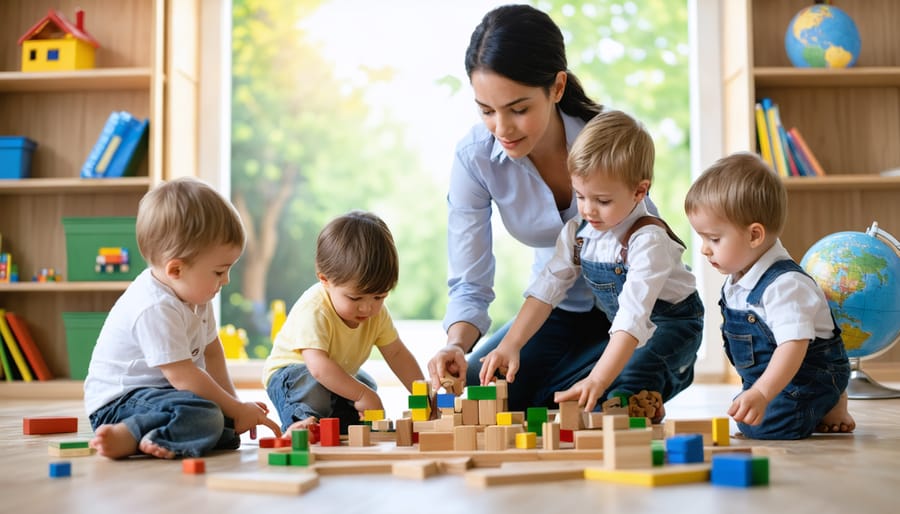
Early education is more than the first step in a child’s academic journey—it is the foundational layer that shapes future learning, behaviour, and social engagement. When children gain access to nurturing, structured learning environments at a young age, the benefits extend well beyond individual development. These early experiences influence families, communities, and even the long-term wellbeing of entire nations. Understanding how early education affects society helps policymakers, educators, and parents make informed decisions that build stronger generations. This article explores the long-term societal impact of early education and why investing in these formative years is essential for sustainable progress, equality, and collective prosperity.
Building Stronger Cognitive and Academic Foundations
Early education plays a crucial role in shaping a child’s cognitive growth. Through exposure to structured activities, interactive play, and basic academic concepts, children develop essential thinking and problem-solving skills. High-quality early programs help children build vocabulary, enhance memory, and learn how to express ideas clearly. When these foundations are strong, children tend to perform better throughout their entire schooling experience.
Moreover, research consistently shows that children who receive early learning support are more likely to stay engaged academically, graduate on time, and pursue higher education. This early boost reduces learning gaps and sets students on trajectories that benefit both personal achievement and the broader educational system. Overall, by strengthening early academic abilities, societies experience higher literacy rates, improved educational outcomes, and a more skilled future workforce.
Supporting Social and Emotional Development
Beyond academics, early education fosters emotional intelligence and social maturity—skills that significantly influence how individuals interact within society. Young children learn empathy, cooperation, patience, and conflict resolution through guided play and peer interaction. These early experiences help them develop emotional regulation, resilience, and positive attitudes toward learning.
When children learn how to communicate feelings, collaborate with others, and build healthy relationships, they grow into adults who contribute positively to their communities. Socially competent individuals tend to engage in fewer behavioural issues, build stronger friendships, and adapt better to changing environments. At a societal level, this leads to healthier communities with reduced conflict and stronger social cohesion.
Reducing Socioeconomic Disparities
One of the most powerful impacts of early education is its ability to reduce long-term inequalities. Children from low-income families often face significant developmental disadvantages due to limited resources, lack of educational materials, and reduced access to quality childcare. Early education provides a structured, supportive environment that bridges these gaps.
By offering equal learning opportunities to children regardless of background, early educational programs help level the playing field. When all children receive the same foundation, societies experience reduced poverty cycles, improved social mobility, and more equitable access to future opportunities. Over time, this contributes to stronger economies and more inclusive communities where success is not solely determined by socioeconomic status.
Boosting Workforce Readiness and Economic Growth
The connection between early education and long-term economic benefits is undeniable. When children receive quality education during their formative years, they are more likely to develop critical thinking, creativity, and adaptability—skills that employers value in modern industries. As these children grow into adults, they contribute to a more capable, innovative, and productive workforce.
Countries that invest heavily in early education often experience stronger economic performance, higher employment rates, and reduced public spending on social welfare programs. The reasoning is simple: early intervention significantly decreases the likelihood of future unemployment, poverty, or reliance on government assistance. In the long run, this investment generates substantial financial returns for society as a whole.
Reducing Crime and Promoting Safer Communities
Several long-term studies indicate that early education can lead to lower crime rates, making it a crucial factor in building safer societies. Children who participate in early education programs are less likely to engage in delinquent behaviour later in life. This outcome is linked to improved emotional regulation, better social skills, and increased academic success.
When children receive guidance, structure, and positive engagement early on, they develop the self-discipline and problem-solving abilities needed to avoid risky behaviours. This leads to safer neighbourhoods, lower criminal justice costs, and more stable communities. Essentially, investing in early education becomes a preventative measure that benefits both individuals and society.
Supporting Healthier Lifestyles and Habits
Early education doesn’t focus solely on reading and numbers—it also introduces children to healthy habits that influence their wellbeing for decades. Through daily routines, structured play, and guidance from caregivers, children learn about nutrition, hygiene, exercise, and general safety.
These early lessons translate into healthier lifestyle choices in adulthood. Individuals who receive early education are more likely to maintain good health, avoid harmful behaviours, and make informed decisions about diet and physical activity. Healthier populations place less strain on healthcare systems, allowing governments to allocate resources more efficiently and improve overall public wellbeing.
Strengthening Families and Communities
Early education benefits families by providing support, guidance, and resources. Parents often gain access to professional advice, community networks, and tools that help them contribute positively to their child’s development. When parents feel supported, they are more confident, less stressed, and better equipped to foster a nurturing home environment.
At the community level, early education centres become hubs of social connection. They bring together families from diverse backgrounds, encourage community involvement, and strengthen neighbourhood ties. These connections promote a greater sense of unity, trust, and mutual support—key elements of a thriving society.
Creating a More Informed, Engaged, and Responsible Society
At its core, early education helps shape future citizens who are informed, engaged, and responsible. Children learn the basics of communication, cooperation, and ethical behaviour—values that influence how they participate as adults in society. A population that has strong early foundations is more likely to vote, volunteer, support community initiatives, and engage in civic activities.
The ripple effect is powerful: societies become more democratic, inclusive, and forward-thinking when individuals grow up with the tools they need to contribute meaningfully.
Conclusion
Early education is not just an investment in children—it is an investment in society’s long-term success. From improving academic outcomes and strengthening emotional development to reducing crime, boosting economic growth, and promoting equality, the benefits reach far into the future. When communities and governments prioritize early education, they lay the groundwork for a stronger, healthier, and more prosperous society. The long-term rewards far outweigh the costs, making early childhood programs one of the most impactful steps toward sustainable social development and collective progress.
Related Posts