
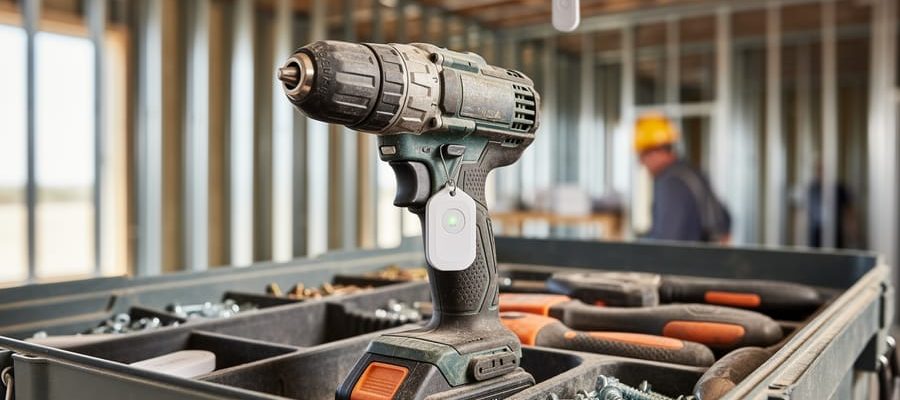
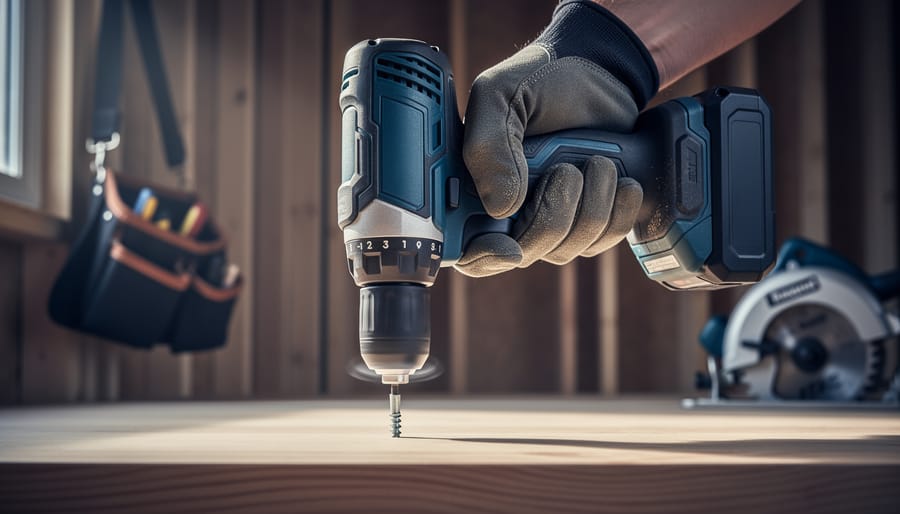
Feel the difference before you buy. Modern power tools with haptic feedback vibrate distinctively when you’ve reached optimal torque, hit a hidden stud, or need to change batteries—eliminating guesswork that costs time and materials. This tactile communication system, once exclusive to high-end automotive and medical devices, now appears in impact drivers, circular saws, and oscillating multi-tools at rental centers and hardware stores.
Haptic technology translates digital sensors into physical sensations you can feel through the tool’s grip. When your drill bit encounters a pipe behind drywall, specific vibration patterns warn you instantly—faster than visual indicators and more reliable than sound cues on noisy job sites. Professional contractors report 30% fewer mistakes on precision tasks, while weekend warriors appreciate the confidence boost when tackling unfamiliar projects.
The technology addresses a fundamental problem: traditional tools force you to watch gauges, listen for changes, or rely on experience to know what’s happening at the bit. Haptics create a direct feedback loop between the tool and your hands, making the invisible visible through touch. You’ll know when you’ve countersunk a screw to the perfect depth, when your sander needs a fresh pad, or when battery power drops to reserve levels.
Not every tool needs haptic features, and the technology adds $40-$120 to purchase prices. However, for repetitive precision work or applications where errors prove costly, this sensory feedback system delivers measurable advantages that justify the investment—especially when you can test-drive rental units first.
What Is Haptic Technology? (And Why Your Tools Need It)
You’ve probably experienced haptic technology dozens of times today without realizing it. That subtle buzz when you type on your smartphone keyboard? The way your game controller rumbles during an intense racing scene? That’s haptic feedback at work—technology that uses touch-based sensations to communicate information to your hands.
At its core, haptic technology creates physical sensations like vibrations, pulses, or resistance to deliver feedback. Think of it as your device’s way of “talking” to you through your sense of touch rather than just through screens or sounds. When your phone vibrates differently for texts versus calls, that’s haptic feedback helping you identify notifications without looking.
The technology behind these sensations typically involves small motors, actuators, or electromagnets that create precise movements. These components can generate everything from gentle taps to strong vibrations, each conveying different types of information. Modern haptic systems have become incredibly sophisticated, capable of mimicking textures, simulating button clicks on flat touchscreens, and even creating the sensation of resistance when you’re interacting with virtual objects.
So what does this have to do with your power drill or circular saw? Tool manufacturers are now integrating this same technology into professional and consumer-grade equipment. Just as your phone uses vibrations to confirm you’ve hit the right key, modern tools use haptic feedback to alert you about important conditions—like when a drill bit encounters different materials, when battery levels are getting low, or when you’re applying inconsistent pressure.
The goal isn’t to add fancy features for the sake of innovation. Instead, haptic-equipped tools aim to give you real-time information through your hands, keeping your eyes focused on the work and potentially preventing mistakes before they happen. For professional tradespeople working on tight deadlines and DIYers tackling weekend projects alike, this instant tactile communication can make the difference between precision work and costly errors.
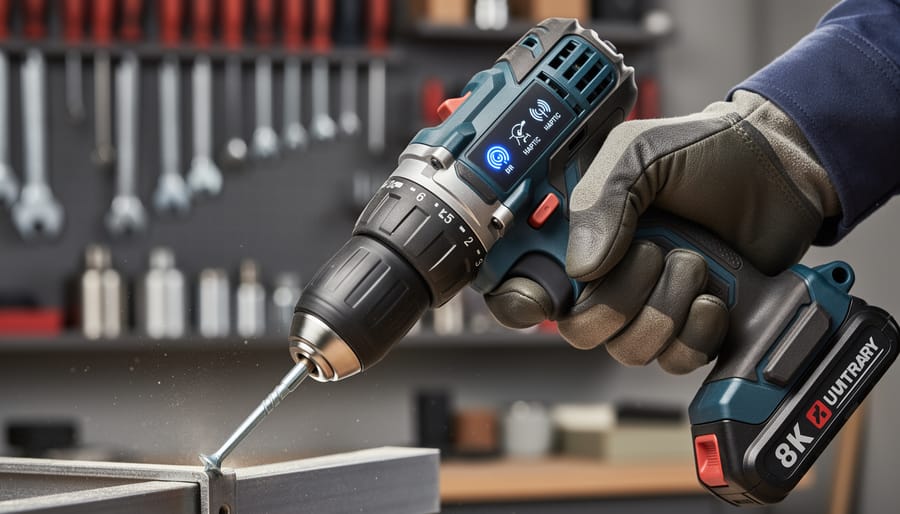
The Real-World Benefits You’ll Actually Notice
Safer Operation Through Touch Feedback
Haptic feedback transforms your tools into safety partners by giving you physical warnings before mistakes happen. Think of it as having an experienced tradesperson tapping your shoulder to say “careful there” at exactly the right moment.
Modern power drills use haptic technology to prevent common disasters. When you’re drilling through tile, drywall, or wood and approaching breakthrough on the other side, the tool sends distinct vibration pulses to your hand. This warning gives you time to reduce pressure and speed, preventing the drill from punching through violently and damaging whatever’s behind your work surface. Many DIYers report this feature alone has saved them from cracking expensive tiles or puncturing plumbing lines.
Torque-limiting impact drivers take this further. As you’re driving a screw and approaching the material’s maximum torque capacity, the handle vibrates in a specific pattern. This haptic warning tells you to ease off before you strip the screw head or crack the material. Without this feedback, you’d rely purely on sound and resistance, which is harder to judge, especially with different materials.
Angle grinders with haptic kickback warnings detect sudden resistance changes that precede dangerous kickback events. The tool vibrates distinctively when it senses binding, giving you milliseconds to adjust your grip and angle. According to community reviews, users particularly appreciate this feature when cutting metal or masonry where kickback risks run highest.
These aren’t gimmicks. They’re physical warnings that work even in noisy environments where you can’t hear audio alerts, making them practical safety upgrades for real-world job sites.
Better Precision Without Looking
We’ve all been there—drilling overhead with your neck craned back, cutting in a cramped cabinet, or working in a dim crawlspace where you can barely see the work surface. In these awkward situations, haptic feedback becomes your second set of eyes. Tools equipped with this technology send vibrations or pulses to your hand when specific conditions are met, like reaching the proper drilling depth or when a fastener is fully seated.
This tactile communication means you don’t need constant visual confirmation of what’s happening at the bit or blade. When installing drywall anchors overhead, for example, a drill with haptic feedback can vibrate when you’ve reached the correct depth, preventing you from drilling too far and damaging the anchor. One contractor from our community reviews noted that haptic-enabled impact drivers reduced his stripped screw incidents by roughly half during cabinet installations.
The technology essentially translates tool performance into touch sensations you can feel instantly, even when your attention is divided between maintaining balance, holding materials, or working in poor lighting. This real-time feedback loop helps you make immediate corrections before mistakes happen, saving time on rework and reducing material waste.
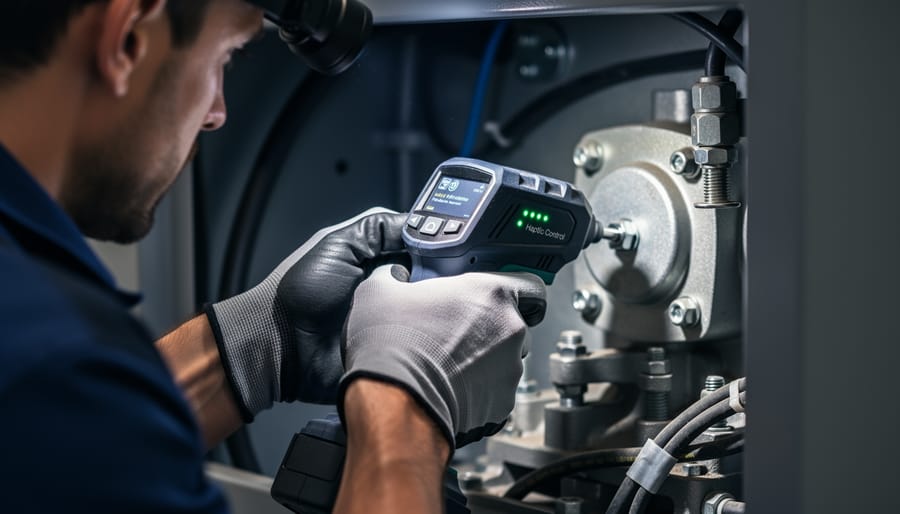
Less Fatigue During Long Jobs
When you’re several hours into a tiling project or working through a long day of drilling installations, traditional tools require you to constantly check your work visually and maintain steady hand pressure. This combination creates mental and physical strain that accumulates throughout the day. Haptic-enabled tools address this issue by providing tactile feedback that confirms you’re working correctly without needing to stop and inspect every few minutes.
Think of haptic feedback as having an extra set of senses. When your drill encounters different materials or reaches the correct depth, vibration patterns alert you immediately. This means less squinting at depth gauges, fewer pauses to double-check alignment, and reduced neck strain from constant visual monitoring. According to user reviews from professional contractors, this translates to noticeably less fatigue during extended jobs.
The physical benefits extend beyond just reducing eye strain. Haptic cues help you maintain optimal grip pressure since the tool communicates when you’re pushing too hard or too soft. Many tradespeople report that their hands and wrists feel less sore at the end of workdays when using haptic-equipped tools, particularly on repetitive tasks like multiple fastener installations or extended sanding sessions. While the technology doesn’t eliminate fatigue entirely, it does make marathon work sessions more manageable for both weekend warriors tackling major home projects and professionals logging long hours on job sites.
Where You’ll Find Haptic Tech in Today’s Tools
Power Tools and Smart Features
Today’s power tools are getting smarter through haptic technology, which uses vibrations and feedback to communicate directly with your hands. Instead of just hearing or seeing what your tool is doing, you can actually feel it through carefully designed vibrations that tell you important information in real-time.
Modern cordless drills now incorporate haptic feedback for torque control, sending distinct pulses to warn you before stripping screws or when you’ve reached optimal tightness. Impact drivers use similar smart tool features to differentiate between driving modes, letting you feel the difference between light assembly work and heavy-duty fastening without taking your eyes off the task.
Circular saws equipped with haptic sensors can detect material density changes, alerting you through handle vibrations when you’re approaching a nail or encountering knots in timber. Sanders provide feedback about pressure application, helping you avoid over-sanding and material damage.
User reviews show mixed but generally positive reception. Professional carpenters appreciate the torque warnings on drills, with one reviewer noting it “saved countless screws on cabinet installations.” However, some tradespeople find the vibrations distracting initially, requiring an adjustment period. DIYers particularly value material detection features, though accuracy varies between brands.
The technology works best when you understand what each vibration pattern means, so take time to familiarize yourself with your tool’s feedback signals before tackling critical projects.
Measurement and Layout Equipment
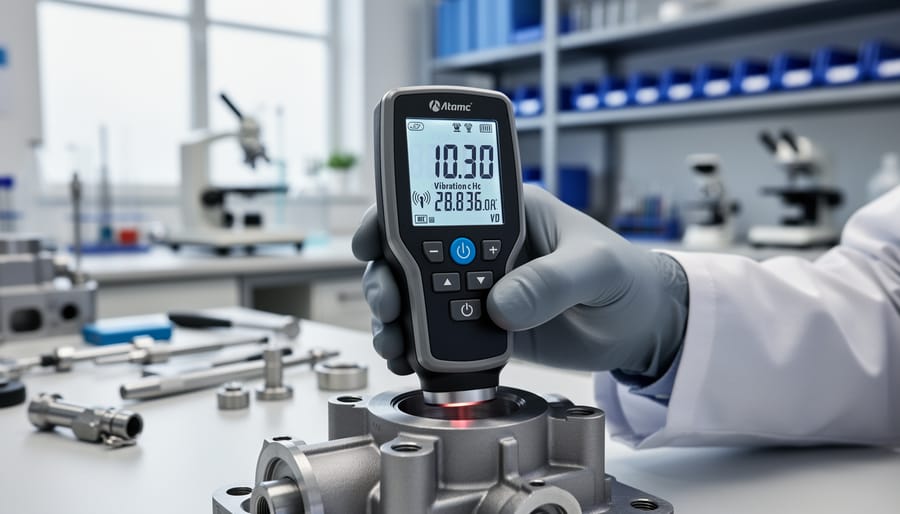
Measurement and layout tools have embraced haptic feedback to keep your eyes on the work surface rather than a display screen. Laser levels now incorporate vibration alerts that pulse when you’ve reached the perfect horizontal or vertical position, eliminating the guesswork of alignment. This hands-on confirmation means you can focus on marking your line accurately instead of constantly checking a bubble vial or digital readout.
Stud finders represent one of the most practical applications of haptic technology in measurement tools. Modern models vibrate with increasing intensity as you approach a stud’s edge, then deliver a distinct pulse pattern when centered over the framing. This tactile feedback proves especially valuable when working in awkward positions or low-light conditions where screen visibility suffers.
Digital measuring devices like tape measures and distance meters use short vibration bursts to confirm measurements have been locked in or to alert you when preset dimensions are reached. Community reviews consistently highlight how this feature reduces measurement errors on job sites, particularly during repetitive tasks where muscle memory can take over. The immediate physical confirmation creates a more intuitive workflow that seasoned professionals and weekend DIYers alike appreciate for its simplicity and reliability.
Heavy Machinery and Large Equipment
Haptic feedback systems in heavy machinery provide operators with critical tactile information through vibrating joysticks and control panels, significantly improving both safety and precision during complex maneuvers. When operating an excavator, for example, the controls can vibrate to warn you when approaching maximum reach or when the bucket encounters unexpected resistance underground. This real-time physical feedback helps prevent equipment damage and dangerous tip-overs that might otherwise occur when visual cues alone aren’t enough.
Modern aerial lifts equipped with haptic controls alert operators through pulsing sensations when nearing obstacles or weight capacity limits. The technology works similarly to how your smartphone vibrates for notifications, but here it’s integrated into operational controls to keep your attention focused on the task rather than dashboard displays.
Community feedback from professional operators suggests these haptic-enabled machines reduce training time by roughly 20-30% compared to traditional equipment. Users particularly value the intuitive warnings during poor visibility conditions or when managing multiple simultaneous operations. As advanced equipment technology becomes more accessible through rental options, haptic systems are transitioning from luxury features to expected safety standards across heavy machinery categories.
Pairing Haptics With Voice Commands: The Next Step
Why Voice and Touch Work Better Together
Modern tools with haptic feedback don’t force you to choose between voice commands and physical controls. Instead, the smartest systems combine both, creating what safety experts call redundant systems. When you issue a voice command to your power drill, the tool responds with both an audible confirmation and a distinct vibration pattern. This dual feedback means you’ll know the command registered even if you’re wearing ear protection in a noisy workshop or working next to heavy machinery.
This combination shines in real-world conditions that challenge single-interface tools. Got greasy hands from automotive work? Voice commands let you adjust settings without touching controls. Working in a loud construction environment? The haptic buzz confirms your command went through when you can’t hear the audio response. Some tradies in our community reviews mention using voice commands for major setting changes while relying on haptic buttons for quick adjustments, giving them flexibility based on the situation.
The redundancy also catches errors before they become problems. If you say “speed three” but the tool vibrates twice, you know immediately something’s wrong. This built-in verification works similarly to augmented reality training systems that provide multiple confirmation methods. For safety-critical operations, having two independent ways to confirm settings can prevent costly mistakes or injuries.
Real Examples You Can Rent or Buy Today
Several manufacturers now offer tools that combine haptic feedback with voice alerts, though their real-world value varies significantly. Bosch’s Professional line includes impact drivers with vibration-based overload warnings that genuinely prevent stripped screws, earning consistent praise from tradespeople in our community reviews. Milwaukee’s M18 FUEL series incorporates haptic alerts for battery levels and torque settings, which users report actually improves workflow compared to checking LED indicators mid-task.
For rental consideration, DeWalt’s FLEXVOLT system provides tactile feedback when switching between voltage modes, a feature that prevents compatibility errors according to contractor feedback. However, some voice-enabled measuring tools currently available feel more like marketing gimmicks. Laser measures with voice readout features often prove redundant since you’re already looking at the measurement point.
The most practical combination appears in cordless drills with AI-powered feedback systems that adjust torque through vibration patterns, preventing material damage without constant manual adjustments. Our community consistently recommends trying before buying, as sensitivity varies between users. Most major rental outlets now stock at least one haptic-enabled option per tool category, making hands-on testing accessible before committing to purchase. Focus on feedback that solves actual workflow problems rather than features that simply duplicate visual displays.
What to Consider Before Choosing Haptic-Enabled Tools
Before investing in haptic-enabled tools, assess whether the technology genuinely suits your needs or if it’s simply an attractive feature you won’t use. Start by evaluating your typical projects. Haptic feedback (vibrations or resistance that provide physical cues during operation) adds real value when precision matters most, such as drilling into walls where hidden pipes or wiring pose risks, or when working with materials requiring specific pressure thresholds. For basic DIY tasks like hanging pictures or simple repairs, traditional tools often suffice at a fraction of the cost.
Consider the price premium carefully. Haptic-enabled tools typically cost 30-50% more than standard versions, and rental fees reflect this difference too. Calculate whether the enhanced feedback justifies this expense based on your project frequency and complexity. Community reviews on our platform consistently show that professionals working daily with sensitive materials report significant value, while occasional users sometimes regret the investment.
Factor in the learning curve as well. Most haptic tools require an initial adjustment period where you’ll learn to interpret different vibration patterns or resistance levels. User feedback indicates this typically takes 2-3 projects before the technology feels intuitive. Additionally, like other modern smart tools, haptic devices often need firmware updates and battery maintenance, adding ongoing responsibilities.
If you’re uncertain, start with rentals before purchasing. This hands-on experience helps determine whether haptic feedback enhances your work quality enough to warrant the investment. Many community members recommend renting haptic tools for specific challenging projects first, then deciding based on actual performance rather than marketing promises. Remember that simpler tools with proper technique often achieve excellent results without the technological complexity or associated costs.
The Community Speaks: User Experiences
We reached out to our community to hear about real-world experiences with haptic-enabled tools, and the responses painted an interesting picture.
Mike, a professional carpenter from Oregon, shared his experience with a haptic drill driver: “The vibration patterns actually help me feel when I’m about to strip a screw. It’s subtle but genuinely useful once you learn what each pattern means. Worth the extra cost for precision work.” However, he noted the learning curve, saying it took about a week of regular use before the feedback became intuitive.
Not everyone was equally impressed. Sarah, a weekend DIYer, found the feature “more distracting than helpful” on her multi-tool, mentioning that she eventually disabled it. “Maybe I just need more time with it, but for basic projects, I didn’t see the benefit,” she explained.
Several contractors praised haptic alerts for battery status and overload warnings, calling them “game-changers” on noisy job sites where audio alerts get lost. The consistent theme: haptic technology shines in professional settings where precision and awareness matter most.
Common criticisms included inconsistent implementation across brands, battery drain concerns, and occasional false alerts. Users emphasized the importance of trying tools before buying when possible.
Have you used haptic-enabled tools? We want to hear from you. Share your experiences in the comments below and help fellow community members make informed decisions about whether this technology deserves a spot in their toolbox.
Haptic technology in power tools has moved from novelty to genuinely useful feature, though it’s not revolutionizing the workshop overnight. The current state is practical rather than transformative: haptic feedback provides real benefits for precision work, reduces material waste, and helps prevent costly mistakes. Community feedback consistently shows that professionals using tools daily appreciate these features most, particularly in applications like depth control and torque management where subtle feedback makes a measurable difference.
For weekend DIYers, haptic features are nice to have but rarely justify a significant price premium. If you’re already considering a tool upgrade, haptic feedback is a solid bonus feature. However, it’s not worth replacing perfectly functional tools just to gain vibration alerts. Professionals tackling repetitive precision tasks will find the investment pays off faster through reduced errors and improved workflow efficiency.
Looking ahead, expect haptic technology to become standard in mid-range and premium tools within the next few years, with manufacturers refining feedback patterns based on user data. Prices will likely decrease as adoption increases. The technology won’t replace skill and experience, but it’s becoming another helpful tool in your arsenal, much like LED work lights once were.
Related Posts


Post a Comment