
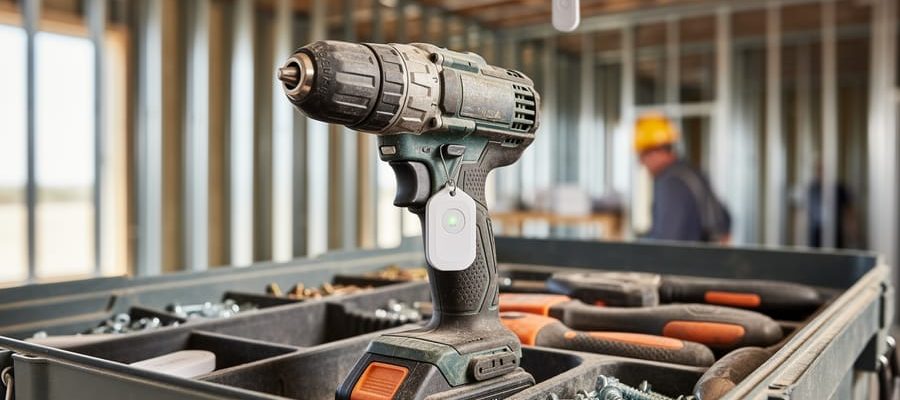
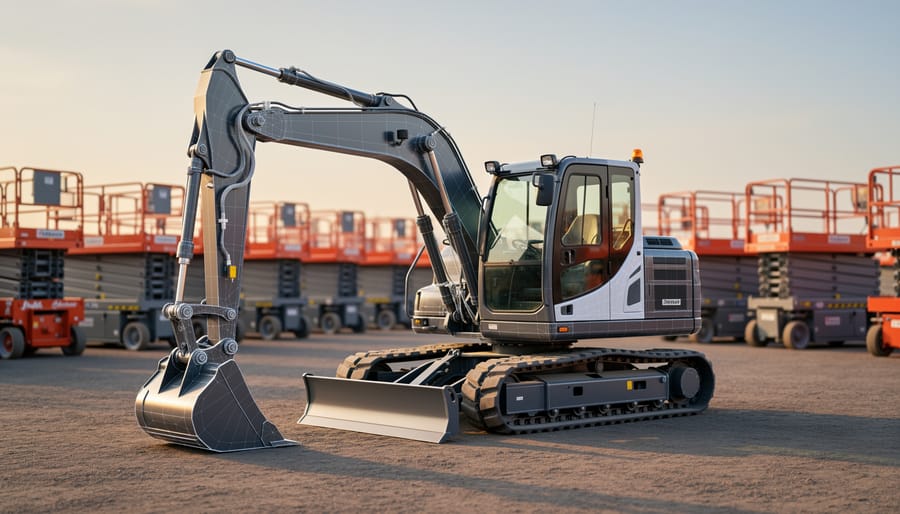
Digital twins software creates virtual replicas of physical tools, equipment, and jobsites that update in real-time, transforming how professionals and DIYers approach tool rental, maintenance, and project planning. This technology mirrors the exact condition, performance history, and operational status of actual equipment through sensors and data integration, giving you unprecedented visibility into tool availability, reliability, and optimal usage before you ever visit a rental counter.
The construction and trades industries are rapidly adopting digital twins to reduce downtime, predict maintenance needs, and optimize equipment deployment. For tool rental customers, this means accessing detailed equipment profiles showing actual usage hours, maintenance records, and performance metrics rather than relying solely on visual inspections or generic specifications. Rental businesses implementing these systems can track fleet health across multiple locations, anticipate failures before they occur, and provide customers with verified equipment histories.
Understanding digital twins begins with recognizing three core components: the physical asset itself, the virtual model built from collected data, and the continuous data exchange connecting them. Sensors mounted on equipment capture operating conditions, vibration patterns, temperature fluctuations, and usage intensity. This information feeds algorithms that predict when components need servicing, calculate remaining useful life, and recommend ideal tools for specific applications based on real-world performance data rather than manufacturer estimates alone.
What Digital Twins Actually Mean for Tool Equipment
The Virtual Mirror of Your Physical Tools
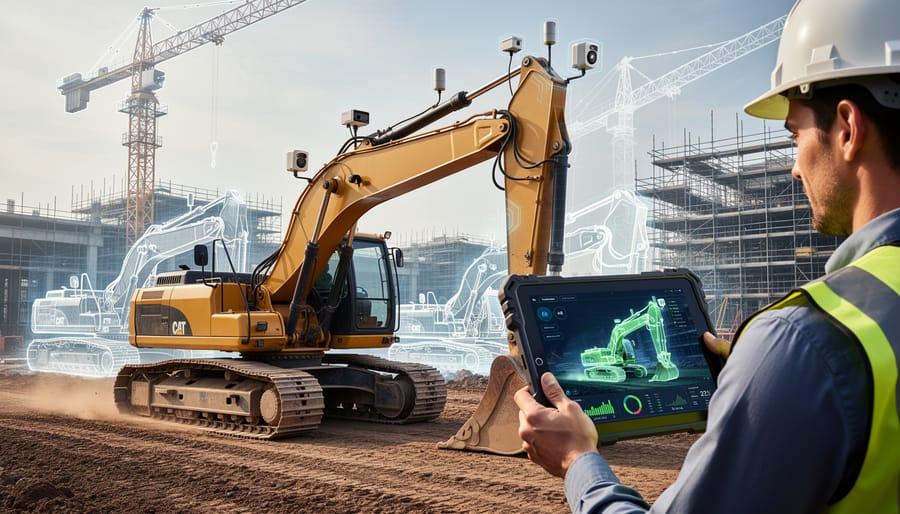
Think of a digital twin as a live, virtual copy of your physical power drill, excavator, or any other tool. But how does this digital mirror actually work? Let’s break it down into three straightforward steps.
First, smart equipment sensors embedded in the physical tool constantly collect data. These sensors monitor everything from operating temperature and vibration levels to runtime hours and maintenance needs. For example, a rental concrete mixer might have sensors tracking motor performance, drum rotation speed, and overall usage patterns throughout the day.
Next, specialized software takes all this sensor data and creates a virtual model, essentially a digital replica living in the cloud. This isn’t just a static image. The software processes incoming information to build a dynamic representation that mimics the tool’s current state, showing wear patterns, performance metrics, and potential issues before they become problems.
Finally, real-time synchronization keeps both versions connected. When the physical tool experiences stress or completes a job, the digital twin updates immediately. This continuous feedback loop means rental businesses can monitor equipment remotely, predict when maintenance is needed, and even alert users to potential safety concerns. For tradespeople, this translates to fewer unexpected breakdowns and more reliable tools when you need them most. The technology essentially gives tools a voice, communicating their condition and needs without requiring constant manual inspection.
From Heavy Machinery to Power Drills
Digital twin technology has moved beyond aerospace and manufacturing into everyday tool applications. Today’s heavy machinery leads the pack—excavators, bulldozers, and wheel loaders now feature digital twins that monitor engine performance, track maintenance needs, and predict component failures before they happen. Aerial work platforms and scissor lifts use this technology to log usage patterns and optimize safety systems.
The innovation extends to mid-sized equipment too. Concrete mixers, generators, and industrial compressors benefit from virtual replicas that help rental companies schedule preventive maintenance and reduce unexpected downtime. This represents a significant evolution in power tool technology.
Smaller tools are joining the digital twin revolution as well. High-end power drills, impact drivers, and rotary hammers from leading manufacturers now include sensors that create basic digital profiles. Diagnostic equipment like thermal cameras and moisture meters also leverage this technology to calibrate themselves and maintain accuracy. Even battery systems use digital twins to monitor charge cycles and optimize longevity, ensuring tools perform reliably when you need them most.
Why This Technology Matters When You’re Hiring Tools
Better Equipment Reliability and Less Job Disruption
Imagine you’re halfway through a critical job when your rented equipment suddenly fails. Digital twins help prevent this nightmare scenario through predictive maintenance—a fancy term for anticipating problems before they happen. Here’s how it works: the virtual model continuously monitors your equipment’s condition in real-time, tracking things like motor temperature, vibration patterns, and usage intensity. When sensors detect unusual wear or performance changes, the system alerts rental providers to service the tool before it breaks down.
For you, this means showing up to the job site with equipment you can trust. Rental companies using digital twin technology can confidently provide tools that won’t quit mid-project, reducing those frustrating delays that throw your timeline off track. Professional contractors especially appreciate this reliability when coordinating multiple trades or working under tight deadlines.
The community feedback speaks volumes: users consistently report fewer unexpected breakdowns and better overall equipment performance when renting from shops that implement this technology. Instead of reactive repairs after something breaks, digital twins enable proactive maintenance that keeps tools running smoothly. This translates directly into fewer trips back to the rental shop, less downtime on your projects, and greater confidence that your equipment will perform when you need it most.
Know Before You Rent: Equipment History at Your Fingertips
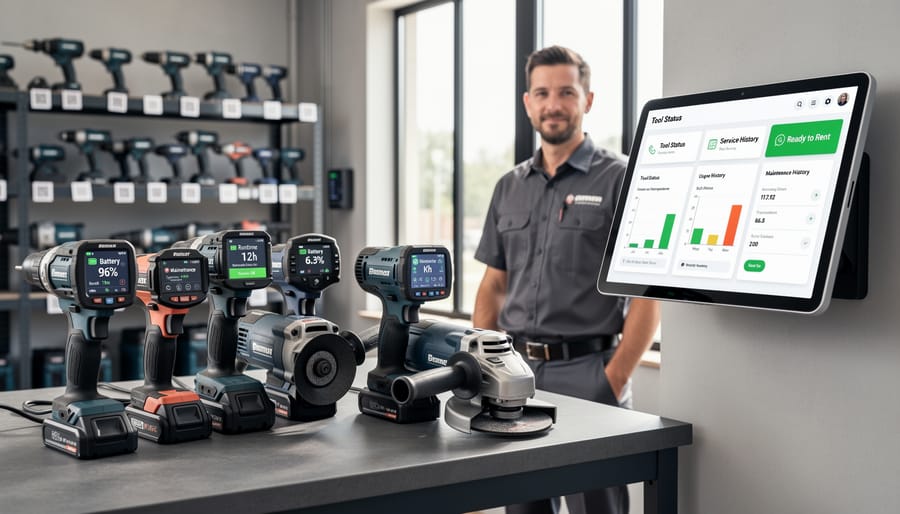
Imagine booking a rental tool and knowing its complete history before it arrives at your job site. Digital twin technology makes this transparency possible by maintaining comprehensive digital records for every piece of equipment. When you browse available tools, you can instantly access maintenance logs showing when the drill was last serviced, how many hours that compressor has logged, and whether previous renters reported any performance issues.
This equipment history functions like a detailed service record for a used car, except it updates in real-time. You’ll see if a tool recently underwent repairs, what parts were replaced, and how it performed during its last rental. Community-driven reviews from other users add another layer of insight, highlighting real-world experiences with specific units.
For professional tradespeople working on tight deadlines, this information prevents costly surprises. Instead of discovering a faulty tool on-site, you can select equipment with proven reliability. DIY enthusiasts benefit equally, choosing well-maintained tools that match their skill level and project requirements. The digital twin essentially gives you x-ray vision into each tool’s condition, transforming rental decisions from guesswork into informed choices backed by data and peer feedback.
Fairer Pricing and Transparent Condition Reports
One of the biggest pain points in tool rentals has always been the “he said, she said” over equipment condition. Digital twins eliminate this guesswork by creating precise digital records of each tool’s condition before and after every rental. Think of it as a detailed photo album combined with performance metrics—the software captures everything from surface scratches to internal wear patterns.
When you pick up a rented power drill, the digital twin documents its exact state: battery life, chuck alignment, trigger sensitivity, even microscopic wear on the gears. When you return it, another scan compares the current condition against the original record. This objective assessment removes subjective judgments from the equation.
For renters, this means no surprise charges for pre-existing damage you didn’t cause. For rental businesses, it provides concrete evidence when legitimate damage occurs, speeding up dispute resolution. Many platforms now share these condition reports directly with customers through mobile apps, letting you review and approve assessments on the spot.
This transparency builds trust in the rental process. Community reviews on rental platforms increasingly mention condition reporting accuracy as a key factor in choosing providers, showing how this technology directly impacts customer satisfaction and repeat business.
How Digital Twins Monitor and Protect Tool Performance
Real-Time Health Checks While You Work
Think of digital twin software as having a personal health monitor attached to your power tools and equipment. Embedded sensors constantly track vital signs like temperature, vibration levels, performance metrics, and usage patterns, creating a continuous stream of data that feeds into the digital twin model. This real-time tool feedback works similarly to how fitness trackers monitor your heart rate and activity levels.
For example, when you’re using a concrete saw, sensors detect if the blade temperature is climbing beyond safe operating limits or if vibration patterns indicate bearing wear. The digital twin compares these readings against normal parameters and historical data from similar tools. If something looks off, the system alerts you before a minor issue becomes a costly breakdown.
This is particularly valuable for rental businesses and professional tradespeople who rely on equipment daily. Instead of following rigid maintenance schedules that might be too early or too late, the digital twin tells you exactly when attention is needed based on actual usage and condition. A compressor that sits idle most days needs different care than one running eight hours daily on a construction site.
The beauty of this system is its learning capability. As more tools report data, the software gets better at predicting failure points and optimizing maintenance schedules, ultimately extending tool life and reducing unexpected downtime.
Predictive Maintenance: Fixing Problems Before They Happen
Digital twin software transforms maintenance from reactive guesswork into proactive planning. By continuously monitoring how tools perform during actual use, the software identifies subtle patterns that signal wear before catastrophic failures occur. Think of it as having a mechanic who never sleeps, constantly watching every component of your equipment.
The technology works by collecting real-time data from sensors embedded in tools and machinery. This predictive maintenance technology analyzes factors like vibration levels, temperature fluctuations, power consumption, and usage frequency. When patterns deviate from normal operating parameters, the system flags potential issues weeks or even months before a breakdown happens.
For rental businesses, this means scheduling maintenance during natural downtime rather than scrambling when equipment fails mid-job. A concrete saw showing unusual vibration patterns might indicate blade wear, prompting a replacement before a customer experiences problems. Power tools displaying temperature spikes can be serviced before motors burn out.
The benefits extend beyond preventing breakdowns. Predictive maintenance significantly extends tool lifespan by addressing minor issues before they cascade into major damage. Equipment stays in optimal condition, reducing overall repair costs and keeping rental inventory available when customers need it. Users appreciate receiving well-maintained tools, while businesses avoid the revenue loss from unexpected downtime. Community reviews consistently highlight reliability as a top priority, making predictive maintenance a win-win investment.
Digital Twins in Action: Real Tool Hire Scenarios
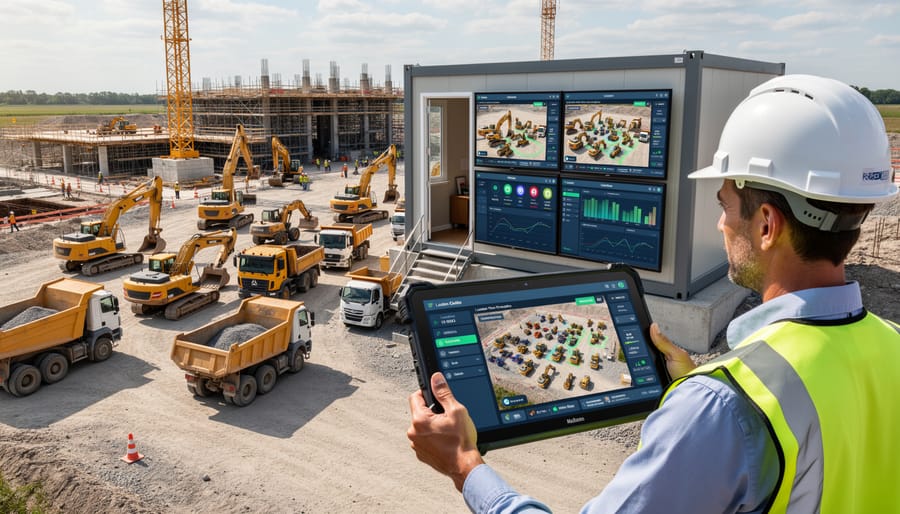
Construction Site Equipment Management
On large construction projects, managing dozens of excavators, cranes, and other heavy machinery across multiple sites presents significant logistical challenges. Digital twin software creates virtual replicas of each piece of equipment, tracking real-time location, operating hours, and performance metrics through connected sensors.
Here’s how it works in practice: When a rental company deploys advanced construction equipment to a project, sensors on each machine transmit data to the digital twin system. Project managers can instantly see which excavator is operating at maximum capacity, identify underutilized machinery that could be redeployed elsewhere, and receive alerts when equipment requires servicing.
One Queensland contractor shared their experience in a community review, noting how digital twins helped them reduce equipment downtime by 30 percent. The system predicted a hydraulic pump failure three days before it would have occurred, allowing them to schedule maintenance during non-working hours rather than facing unexpected delays.
For smaller operators and DIY project managers, this technology means accessing rental equipment with verified maintenance histories and accurate usage data. You’ll know exactly how many hours that excavator has operated and when it last received service, bringing transparency to the rental process and helping you plan projects with greater confidence.
DIY Home Renovation Projects
When planning a kitchen remodel or bathroom upgrade, homeowners can now make smarter rental decisions thanks to digital twin technology. Imagine needing a demolition hammer or tile saw for your weekend project. Rental platforms using digital twins provide complete transparency about each tool’s condition and performance history before you even reserve it.
Digital twins create virtual replicas of physical tools, tracking everything from motor hours to maintenance records. This means you’ll know exactly when that concrete mixer was last serviced or how many projects a particular sander has completed. Community reviews from fellow DIYers complement this data, giving you real-world insights about tool performance on projects similar to yours.
The technology also delivers personalized usage guidance. First time using a pressure washer for deck cleaning? The digital twin system can recommend optimal pressure settings based on your specific project and the tool’s current calibration. This combination of verifiable maintenance history and practical guidance helps prevent costly mistakes and project delays.
For homeowners tackling multiple renovation phases, digital twins help ensure consistency. You can track which specific drill or paint sprayer worked best for you, then request that exact unit for future projects. This data-driven approach transforms tool rental from guesswork into confident, informed decisions backed by both technology and community experience.
What to Look for in Tool Hire Companies Using This Technology
When evaluating tool hire companies that use digital twins software, start by asking whether they can provide real-time equipment status updates. A company genuinely leveraging this technology should be able to tell you the current condition, maintenance history, and availability of specific tools before you even visit their location. This transparency saves you time and ensures you’re getting reliable equipment.
Inquire about predictive maintenance capabilities. Companies using digital twins effectively should explain how the technology helps them anticipate equipment failures before they happen. This means fewer instances of receiving faulty tools or experiencing breakdowns mid-project. Ask how often their equipment undergoes maintenance based on actual usage data rather than arbitrary schedules.
Look for enhanced customer support features powered by digital twin insights. The best providers can offer personalized recommendations based on your project requirements and previous rental history. They should also provide digital documentation showing the equipment’s recent performance metrics and any relevant safety checks completed.
Request information about their monitoring systems. Companies should be able to track tool location and usage patterns, which protects both parties. This technology helps prevent disputes about rental periods and equipment condition upon return.
Check whether they offer mobile app integration that gives you access to your rental’s digital twin data. This feature lets you monitor equipment performance during your project and provides digital records of usage, which can be valuable for professional tradespeople managing multiple jobs.
Finally, read community reviews from other users who’ve rented digital twin-enabled equipment. Their firsthand experiences will reveal whether the company’s technology actually delivers practical benefits or is merely a marketing buzzword. Look for feedback mentioning improved reliability, better communication, and fewer equipment-related project delays.
The Future of Tool Rental: What’s Coming Next
The future of digital twin technology in tool rentals is closer than you might think, with several practical innovations already on the horizon. Over the next few years, expect to see enhanced mobile integration that lets you access detailed tool performance data right from your smartphone before and during rentals. This means checking real-time battery life, blade sharpness, or calibration status before you even pick up your equipment.
Predictive maintenance algorithms will become more sophisticated, reducing unexpected breakdowns by flagging potential issues days in advance. Rental shops will use this data to schedule proactive repairs, meaning fewer disruptions to your projects. For frequent renters, personalized recommendations based on your usage patterns will help you choose the right tool for each job, drawing from community feedback and actual performance metrics rather than just specifications.
Integration with augmented reality applications is gaining traction too. Imagine pointing your phone at a drill to instantly see its maintenance history, user tips from the community, or even setup tutorials specific to that exact unit. This bridges the gap between digital information and hands-on use.
Shared fleet data across rental networks will improve availability predictions, helping you locate specific tools nearby when your local shop is out of stock. These developments focus on solving real problems you face today, making tool rental more reliable, transparent, and user-friendly without requiring technical expertise to benefit from the technology.
Digital twins software is transforming the tool rental experience in ways that directly benefit you, whether you’re tackling a weekend project or managing professional jobs. This technology means you’ll find equipment that’s been properly maintained, accurately matches your needs, and arrives ready to work. The real-world advantages include fewer breakdowns on-site, more transparent pricing based on actual equipment condition, and better availability forecasting so you’re not left waiting for critical tools.
For the rental industry, digital twins represent a shift toward customer-focused service. Companies using this technology can provide honest assessments of equipment performance, backed by data rather than guesswork. You’ll see this reflected in improved tool quality, more reliable delivery schedules, and rental staff who can answer your questions with confidence.
When choosing equipment, ask rental providers about their maintenance tracking systems and equipment monitoring practices. Look for businesses that embrace technology to improve transparency. Check community reviews to see what other users say about equipment reliability and condition. The companies investing in digital twins and similar innovations are showing commitment to your success, not just their bottom line. This technology ultimately puts more power in your hands to make informed rental decisions.
Related Posts


Post a Comment