Leverage renovation-focused property investment strategies to increase rental yields by 15-30% through strategic upgrades that cost less than traditional contractors. Access professional-grade equipment through tool hire services to execute bathroom modernisations, kitchen updates, and outdoor entertainment areas at a fraction of standard renovation costs—transforming underperforming properties into high-demand rentals.
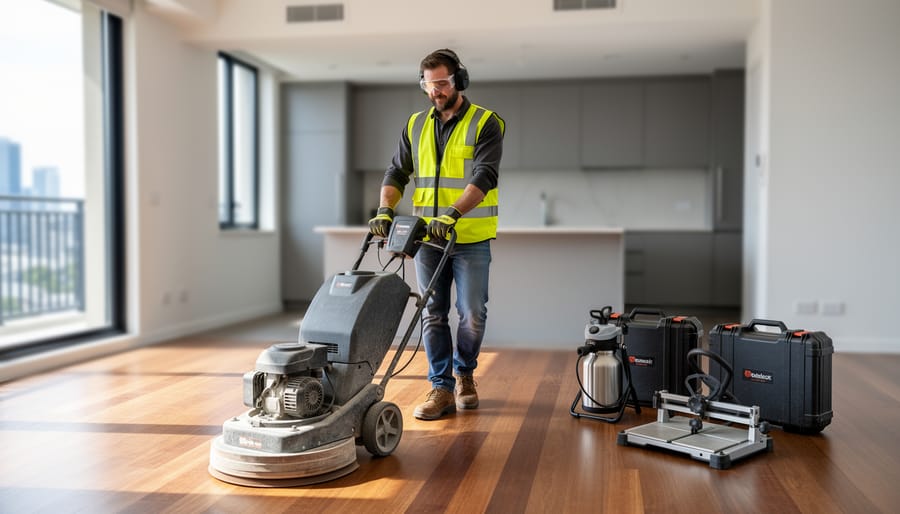
Prioritise cosmetic improvements with maximum impact: install contemporary fixtures using power tools, resurface dated flooring with sanders and polishers, and refresh exterior facades with pressure washers and spray painters. These targeted interventions typically deliver returns within 12-18 months while requiring minimal construction expertise when paired with the right equipment.
Implement a staged renovation approach that aligns with tenant turnover cycles. Schedule major works during vacancy periods using hired demolition hammers, tile cutters, and concrete mixers to minimise disruption and lost rental income. This method allows you to spread capital expenditure across multiple tax years while progressively building property value.
Calculate your equipment access costs against contractor quotes before committing to any upgrade project. Most property investors discover that hiring professional tools for weekend projects costs 60-80% less than outsourcing labour, particularly for repetitive tasks across multiple investment properties. The savings compound significantly when managing a portfolio of three or more properties.
Ensure compliance with Australian building standards by researching local council requirements before starting renovation work. Combine your practical execution with licensed tradesperson certifications for electrical and plumbing modifications, protecting your investment while maintaining insurance validity and tenant safety obligations.
Why Equipment Access Matters More Than Ownership in Property Investment

The True Cost of Owning vs. Hiring Tools for Renovations
Let’s examine the real numbers behind tool ownership versus hiring for typical renovation projects that property investors commonly undertake.
Consider a bathroom renovation requiring a tile cutter, demolition hammer, and angle grinder. Purchasing these tools outright costs approximately $800-$1,200. Add storage solutions ($200-$500 annually for secure shed space), maintenance and blade replacements ($150-$300 per project), and insurance considerations. For a single renovation, your actual cost approaches $1,500-$2,000.
Compare this to hiring the same equipment for a two-week bathroom project. Typical hire rates total $250-$400, with no ongoing storage costs, maintenance responsibilities, or depreciation concerns. The equipment arrives serviced and ready to use, backed by supplier support.
The financial advantage becomes clearer when considering opportunity costs. That $1,500 invested in tools could instead contribute to property deposits, repairs, or financing renovation projects that generate returns. For investors completing 2-3 renovations yearly across different properties, hiring provides predictable, tax-deductible expenses without capital tied up in depreciating assets.
The ownership model works when you’re renovating multiple properties simultaneously or running a trade business with consistent equipment needs. However, for most property investors tackling projects sequentially, the numbers strongly favour hiring. You’ll access professional-grade tools, avoid storage hassles, and maintain capital flexibility for your next investment opportunity. The savings per project typically range from $1,000-$1,500, directly improving your renovation ROI.
Scaling Your Portfolio Without Scaling Your Tool Shed
Managing a growing property portfolio doesn’t require a warehouse full of equipment. Tool hire allows you to tackle renovations across multiple properties simultaneously without the capital drain of purchasing duplicate equipment sets.
Consider this scenario: you’re renovating a kitchen in one property while landscaping another and repairing fences at a third. Rather than owning three angle grinders, two concrete mixers, and multiple pressure washers, you simply hire what you need, when you need it, where you need it. This approach frees up capital for actual property acquisitions rather than tying funds in depreciating equipment.
The flexibility becomes especially valuable during peak renovation periods. When you’ve identified several undervalued properties that need quick turnarounds, tool hire lets you scale your renovation capacity instantly. No waiting to finish one project before starting another because equipment is tied up elsewhere.
Australian tool hire companies increasingly offer delivery services, making multi-property management even more streamlined. You can schedule equipment delivery directly to each property address, coordinating contractors across different sites without personally transporting heavy machinery.
This model also supports better cash flow management. Instead of large upfront equipment purchases, you’re working with predictable, project-specific expenses that align with your renovation budgets and timelines, making financial planning more accurate across your entire portfolio.
Essential Renovation Strategies That Maximize ROI in Australian Markets
Cosmetic Renovations: Quick Wins with Minimal Tool Investment
Cosmetic renovations deliver impressive returns without breaking the bank, making them ideal entry points for property investors. A fresh coat of paint can return up to 3-4 times your investment, while new flooring transforms spaces instantly. These updates require minimal specialised skills but benefit greatly from proper equipment.
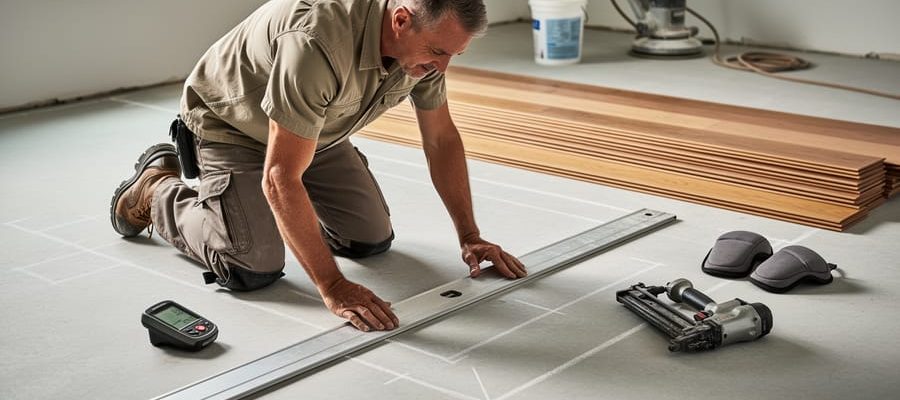
For painting projects, hire an airless paint sprayer (2-3 days), extension poles, and drop sheets from your local tool library. Budget 3-5 days for a standard three-bedroom property. Flooring installation demands a quality drop saw, flooring nailer for timber, and knee pads for comfort during the 4-7 day installation timeline.
Minor updates like lighting improvements, cabinet hardware replacements, and tap upgrades create significant visual impact. These typically require only basic power drills, screwdrivers, and levels—available as weekend hire packages.
Community feedback consistently highlights that proper surface preparation tools (sanders, pressure washers) separate amateur from professional-looking results. Don’t skip the prep work; hire quality sanders and cleaning equipment to ensure paint adhesion and smooth finishes.
Most cosmetic renovations suit weekend warriors working part-time. Hire tools Friday morning, return Monday evening, and you’ll complete one room comfortably while minimising rental costs.
Kitchen and Bathroom Upgrades: Where to DIY and When to Hire Pros
Kitchen and bathroom renovations deliver the highest return on investment for property flippers and rental upgrades, but knowing where your skills end and professional expertise begins protects both your budget and property value.
DIY-friendly kitchen tasks include cabinet painting, replacing hardware, installing new tapware, and updating splashbacks with peel-and-stick tiles. These require basic tools like sanders, paint sprayers, and tile cutters available through hire services. However, gas appliance installation, structural changes to cabinetry, and electrical work for rangehoods legally require licensed professionals in Australia.
Bathroom projects suit DIY for cosmetic updates: regrouting tiles, replacing vanity units, updating mirrors and lighting fixtures, and installing pre-fabricated shower screens. Tile removal and preparation work becomes manageable with hired demolition hammers and floor scrapers. The boundary sits at plumbing and waterproofing, where Australian building codes mandate qualified tradespeople to prevent costly water damage and ensure compliance.
A realistic skill assessment saves thousands. If you’ve never tiled before, practice on a garden shed before tackling an ensuites shower. Community reviews from other property investors on tool hire platforms provide honest feedback about project difficulty and equipment effectiveness, helping you make informed decisions about tackling projects yourself or engaging professionals for critical technical work.
Outdoor Improvements for Australian Properties
Australian buyers place premium value on well-executed outdoor spaces, making strategic improvements to decking, landscaping, and entertainment areas a smart investment move. Properties with functional outdoor rooms often command 15-20% higher sale prices in metropolitan markets.
For decking projects, hiring professional-grade equipment ensures quality results without the capital outlay. Pressure washers, sanding equipment, and pneumatic nailers allow you to refresh existing decks or install new ones to professional standards. When planning major landscaping transformations, consider the equipment requirements early—bobcats and excavators may be necessary for site preparation, retaining walls, or pool surrounds.
Creating outdoor entertainment zones resonates particularly well with Australian lifestyle expectations. Install shade structures using post hole diggers and concrete mixers, or construct built-in seating with masonry tools. These improvements show best during spring listings when buyers envision summer entertaining.
Before hiring heavy machinery like excavators or skid steers for significant earthworks, factor in site access limitations, operator certification requirements, and project timelines. Many property investors underestimate the complexity of operating heavy equipment safely. Community reviews from other renovators provide valuable insights into which equipment performs reliably for specific outdoor tasks, helping you avoid costly delays or substandard results that could diminish your property’s appeal.
Planning Your Renovation Timeline Around Tool Availability
Creating a Tool Hire Schedule That Keeps Projects on Track
A strategic hire schedule starts by breaking your renovation into distinct phases—demolition, structural work, finishing, and landscaping. List the specific tools required for each phase, noting the duration you’ll actually need them on-site. For example, a concrete mixer might only be necessary for three days during foundation work, while a paint sprayer could be needed intermittently across two weeks.
Next, map these requirements against your project timeline. Identify overlaps where you can maximize a single hire period and gaps where returning equipment early will save costs. Many Australian tool hire companies offer weekly rates that become cost-effective if you need equipment for more than three days, so align your booking periods accordingly.
Create a buffer of 10-15 percent in your timeline to account for weather delays or unexpected issues—common in Australian climates where sudden rain can halt outdoor work. This prevents the expensive scenario of returning hired tools only to re-hire them days later.
Document everything in a simple spreadsheet with columns for tool type, hire dates, supplier, and cost. This becomes your master reference that prevents double-bookings and ensures the right equipment arrives exactly when your tradies need it, keeping your investment property renovation moving forward without costly downtime.
Peak Season Planning and Off-Peak Advantages
Understanding Australian renovation cycles can significantly reduce your project costs and improve tool availability. The peak season typically runs from September through March, when warmer weather draws out property investors and DIY renovators alike. During these months, expect higher hire rates and reduced equipment availability, particularly for popular items like concrete mixers, pressure washers, and scaffolding.
Smart investors plan major renovations for the off-peak winter months between April and August. Tool hire companies often reduce rates by 15-30% during quieter periods, and you’ll have first pick of equipment without frustrating delays. This timing also means tradespeople are more available and potentially willing to negotiate on labour costs.
For multi-property portfolios, stagger your renovations to balance peak and off-peak advantages. Schedule exterior work requiring good weather for spring and summer, while interior projects like bathroom and kitchen updates suit winter months perfectly. Book equipment well in advance during peak season—at least two weeks ahead for standard tools, longer for specialized equipment. Many hire companies offer early-bird discounts for advance bookings, typically 5-10% off standard rates. Community feedback suggests that establishing relationships with local hire companies during off-peak periods often leads to preferential pricing and priority access year-round.
Budget-Smart Tool Choices for Different Investment Strategies
Fix-and-Flip: Speed vs. Cost in Tool Selection
Fix-and-flip projects demand rapid turnaround times, making tool selection a critical balancing act between speed and budget control. Professional-grade equipment can significantly accelerate renovation timelines, but purchasing outright often strains project finances unnecessarily.
The key is identifying which tools justify hire costs versus ownership. High-impact power tools like demolition hammers, professional-grade tile cutters, and spray painting equipment deliver exponential time savings that offset rental fees. A $150 daily hire for a quality spray painter, for instance, can complete interior work in two days versus five with manual methods, saving labour costs and bringing the property to market faster.
Smart flippers prioritize equipment reliability over budget tools that risk project delays. Breakdowns cost more than rental premiums when holding costs run $100-200 daily. Many successful investors integrate equipment planning into their property investment education, recognizing that strategic tool access directly impacts profit margins.
Community feedback consistently highlights that mid-week hire arrangements and bundled equipment packages offer the best value. Building relationships with hire providers can also secure priority access during peak renovation seasons, ensuring your timeline stays on track when every day counts toward your return on investment.
Long-Term Holds: Value-Add Renovations on a Budget
For property investors holding rental assets long-term, value-add renovations don’t require emptying your capital reserves all at once. Strategic tool hire allows you to stage improvements over time, tackling one upgrade per quarter while tenants occupy the property.
Start with high-impact, low-disruption projects during lease changeovers. Hiring a floor sander for weekend timber floor restoration can add $20-40 weekly to rental returns—a significant boost that pays for itself within months. Similarly, pressure washers transform tired exteriors and driveways between tenancies, creating strong first impressions for prospective renters.
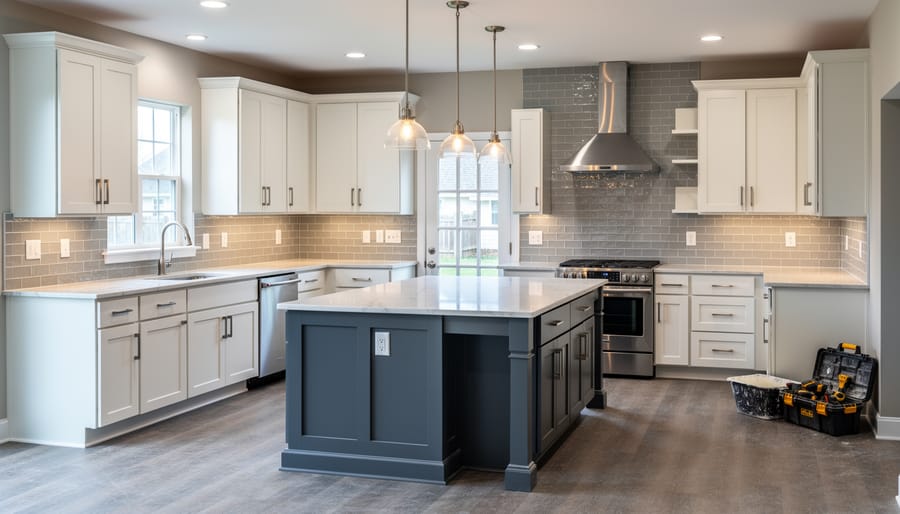
Break larger renovations into manageable phases aligned with your cash flow. Kitchen updates work well when staged: hire tile cutters one month for splashback replacement, then arrange paint sprayers the following quarter for cabinet refreshes. This approach spreads costs while maintaining steady improvement momentum.
Community feedback from fellow investors highlights the importance of quality equipment for lasting results. Reviews often emphasize that professional-grade tools deliver finishes tenants appreciate and maintain better, reducing callback maintenance costs.
Track your rental yield improvements against tool hire expenses to validate each project’s return on investment. Most investors find that strategic, phased renovations using hired equipment outperform large one-off capital expenditures, particularly in stable rental markets where incremental improvements compound over time.
Development Projects: Heavy Equipment Considerations
Large-scale development projects require careful equipment planning to control costs and maintain timelines. Excavators become essential when you’re dealing with significant earthmoving, foundation work, or landscaping beyond 50 cubic metres of material. For Australian development sites, hiring a 5-tonne excavator typically costs $400-600 daily, while purchasing one exceeds $80,000—making rental the smart choice for most investors.
Bobcats and skid-steer loaders shine in confined spaces where full-sized excavators can’t operate effectively. These versatile machines handle site preparation, material transport, and demolition work on townhouse developments or multi-unit renovations. Consider hiring when your project involves repeated lifting, grading, or moving materials across uneven terrain.
Specialized equipment like concrete pumps, trenchers, or rock breakers should be hired only when needed rather than kept on-site. Most development projects use these for 1-3 days maximum, making daily hire economically sensible. Always verify operator licensing requirements—many councils mandate tickets for equipment over 3 tonnes.
Community feedback consistently highlights that coordinating equipment delivery schedules prevents costly downtime. Book heavy machinery 2-3 weeks ahead for peak construction periods, and always have contingency dates ready to avoid project delays that erode your investment returns.
Safety and Compliance: Protecting Your Investment

Understanding Your Liability When Hiring Tools
Before you start hiring equipment for your investment property renovation, understanding your legal responsibilities is crucial. Most Australian tool hire companies require a damage deposit or bond, typically held on your credit card until the equipment returns undamaged. Read the rental agreement carefully—you’re generally liable for damage occurring during your hire period, regardless of fault.
Consider checking if your landlord insurance or personal contents insurance covers hired equipment and renovation-related incidents. Many standard policies don’t, so you may need additional coverage. This becomes particularly important when using high-value equipment like excavators or commercial-grade power tools.
Document the equipment’s condition with photos before leaving the hire shop. This protects you from being charged for pre-existing damage. Keep all receipts and understand the hire company’s after-hours contact procedures in case equipment fails.
For DIY renovations on investment properties, verify that your work complies with Australian building codes and local council requirements. Using hired tools doesn’t exempt you from permit requirements or proper trade qualifications for regulated work like electrical or plumbing. Community feedback consistently shows that investors who cut corners on compliance face costly rectification later.
Always maintain adequate public liability insurance when undertaking renovation work, particularly if contractors or tradespeople work alongside your DIY efforts. This protects your investment and personal assets if accidents occur.
When DIY Crosses the Line: Compliance and Licensed Work
Understanding compliance boundaries protects your investment and prevents costly mistakes. In Australia, property investors can legally tackle cosmetic improvements like painting, basic landscaping, and installing fixtures without professional certification. However, certain work requires licensed tradespeople by law.
Electrical work beyond changing light bulbs or power points must be performed by a licensed electrician. Similarly, plumbing modifications, gas fitting, and structural changes require qualified professionals. Even if you’re confident with tools, Australian regulations mandate licensed contractors for these tasks to ensure safety and maintain property insurance validity.
Permits are necessary for significant renovations including structural alterations, additions over certain square meterage, and changes to building footprints. Council requirements vary by location, so check with your local authority before starting major projects. Operating without proper permits can result in fines, forced removal of work, and complications when selling the property.
The smart approach for investors combines DIY capabilities with professional expertise. Handle demolition, preparation work, and finishing touches yourself while engaging licensed tradespeople for regulated tasks. This strategy maximizes cost savings without compromising compliance. Always retain receipts and certification from licensed professionals, as these documents add value during property sales and satisfy insurance requirements should claims arise.
Real Investor Stories: Tools That Paid for Themselves
Sarah Chen purchased a tired 1980s unit in Parramatta for $485,000 in early 2023. Rather than hiring contractors for the entire renovation, she strategically hired professional-grade tools to handle the cosmetic updates herself. Over six weekends, she hired a floor sander ($180), tile cutter ($95), and pressure washer ($65) to refresh the flooring, update the bathroom splashback, and clean the exterior. Her total tool hire costs came to $340, while the equivalent contractor quotes totalled $8,500. She sold the property four months later for $568,000, with buyers specifically praising the quality of finishes in their feedback.
Melbourne investor James Patel took a different approach with his Footscray investment property. He hired a demolition hammer and skip bins to remove an old brick garage, then used an excavator for a weekend to level the site for a granny flat. The strategic hire costs of $890 saved him approximately $4,200 in demolition quotes. The completed granny flat now generates an additional $320 per week in rental income, improving his property yield from 3.8% to 5.2%.
Brisbane couple Emma and Tom Rodriguez transformed a Nundah weatherboard home by hiring scaffolding and spray painting equipment to tackle the exterior themselves. Their three-week hire totalled $450 compared to professional quotes of $6,800. The fresh exterior presentation increased their rental appraisal by $75 per week, meaning the saving paid for itself within two months of tenancy.
These investors share a common thread: they identified tasks where quality tools delivered professional results without professional labour costs, maximizing their renovation budgets while maintaining finish standards that translated directly into improved sale prices or rental returns.
Smart tool access isn’t just about convenience—it’s a fundamental strategy that separates successful property investors from those who struggle with delays and budget blowouts. By integrating equipment hire into your renovation planning, you gain control over project timelines, reduce capital tied up in depreciating assets, and access professional-grade tools that elevate the quality of your work. This approach directly impacts your bottom line, allowing you to complete renovations faster, achieve better finishes, and move onto your next opportunity while competitors are still sorting out their equipment.
The real power lies in scalability. When you’re not constrained by tool ownership, you can confidently take on multiple properties simultaneously, adapting your equipment choices to each project’s specific requirements. Whether you’re building wealth through real estate as a side venture or scaling a full portfolio, making strategic equipment decisions ensures every project runs efficiently and profitably.
As you plan your next investment property renovation, prioritize tool hire as a core component of your strategy. Calculate the savings, consider the flexibility, and recognize that the right equipment at the right time transforms good property investments into exceptional ones.
Related Posts