
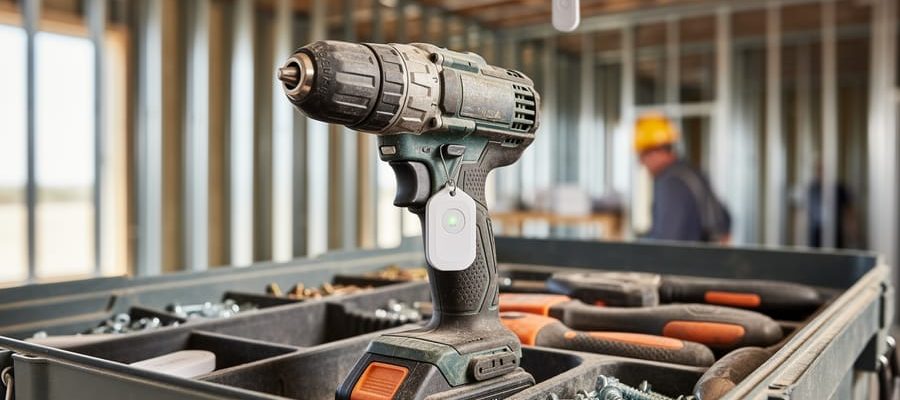
Edge AI devices process information directly on the tool itself rather than sending data to remote servers, enabling your equipment to make split-second decisions without internet connectivity. This technology transforms ordinary power tools and equipment into smart systems that adapt to materials, prevent errors, and protect users in real-time.
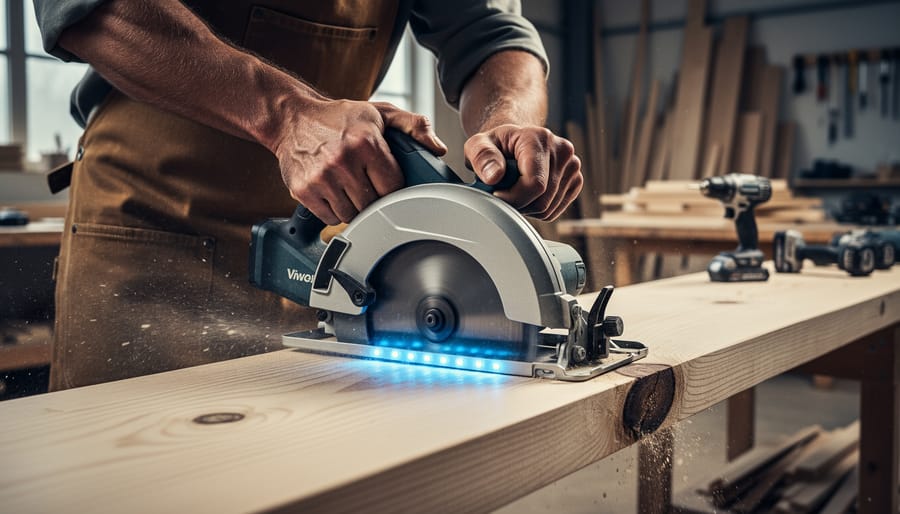
Understanding what sets these devices apart matters for your wallet and workflow. Traditional smart tools depend on cloud computing, creating delays of 100-200 milliseconds that can affect precision work. Edge AI eliminates this lag by embedding processors directly into the device, allowing a smart circular saw to detect knots in wood and adjust blade speed in under 20 milliseconds, or enabling a drill to recognize when it’s about to punch through drywall into electrical wiring.
The technology works through three key components: sensors that gather data about material density, tool position, and environmental factors; onboard processors that analyze this information using pre-trained algorithms; and immediate responses that adjust power, speed, or torque without human intervention. Think of it as having an experienced tradesperson’s instincts built into the tool itself.
For professionals managing multiple job sites, edge AI devices offer practical advantages beyond the initial novelty. They operate reliably in areas with poor cellular coverage, protect sensitive project data by keeping information local, and reduce the recurring costs associated with cloud-based subscriptions. These devices also learn from your specific usage patterns, gradually improving their performance for the unique demands of your trade.
What Exactly Are Edge AI Devices?
The Brain in Your Tool: How It Works
Think of edge AI like having a smart assistant built right into your tool instead of relying on your phone or the internet. Traditional smart devices send information to distant servers for processing, similar to calling someone for advice every time you need to make a decision. Edge AI devices, however, have that brain power built directly into the chip inside the tool itself.
Here’s how it works in practical terms: tiny AI processors, about the size of a postage stamp, are embedded into the tool’s circuit board. These chips have been trained to recognize patterns and make decisions instantly. For example, a smart drill with edge AI can sense when you’re about to strip a screw by analyzing the resistance and torque, then automatically adjust its speed without any delay.
The key difference is speed and independence. Because the processing happens right there in the tool, there’s no lag time waiting for internet responses. Your laser level can detect walls and calculate measurements in milliseconds. Your saw can identify material density and adjust blade speed immediately. It’s like having an experienced tradesperson’s instincts programmed directly into your equipment, working alongside you in real-time.
Why Your Tools Don’t Need WiFi Anymore
Traditional smart tools relied on constant internet connections to access cloud computing power, but that’s changing fast. Edge AI devices process information right inside the tool itself, eliminating the need for WiFi or mobile data.
This shift brings several game-changing advantages for tradespeople and DIYers. First, your tools work anywhere – whether you’re in a basement with no signal, on a remote construction site, or in rural areas with patchy coverage. No connection means no interruptions to your workflow.
Response times improve dramatically too. When smart tools learn and make decisions locally, they react in milliseconds rather than waiting for data to travel to distant servers and back. This matters when you need instant feedback on measurements, cut accuracy, or safety alerts.
Privacy becomes simpler as well. Your project details, measurements, and work patterns stay on your device rather than being transmitted through networks. There’s no cloud storage of sensitive client information or proprietary techniques.
Reliability gets a major boost since you’re not dependent on network availability, subscription services, or third-party servers that might experience downtime. Your tool’s intelligence works consistently, regardless of external factors.
Smart Tools You Can Actually Rent or Buy Today
Intelligent Power Tools That Adjust Themselves
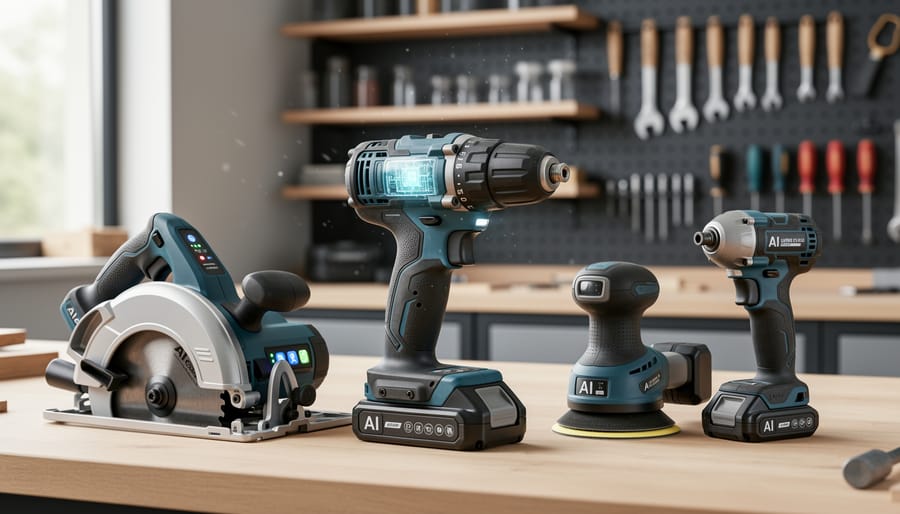
Modern power tools with edge AI are transforming job sites by making real-time adjustments without operator intervention. These smart devices use onboard sensors and processors to analyze materials and automatically optimize performance settings.
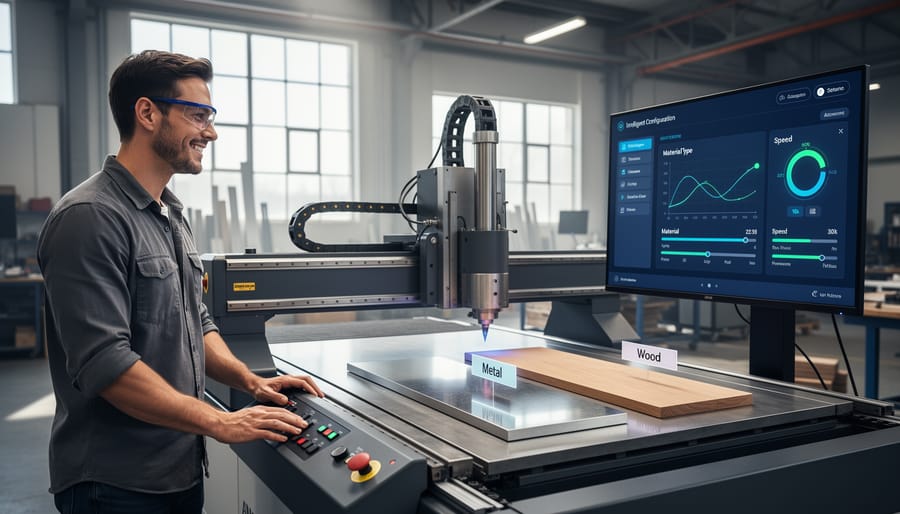
Leading manufacturers now offer drills that detect whether you’re working with timber, metal, or masonry, then instantly adjust torque and speed to prevent stripping screws or damaging materials. For example, some models recognize when a screw is nearly flush and reduce power to avoid over-driving. Similarly, intelligent circular saws can identify material density and adjust blade speed accordingly, reducing kickback risk and producing cleaner cuts.
Impact drivers with AI capabilities learn your usage patterns over time, remembering your preferred settings for different applications. Some models even communicate potential overheating before it occurs, extending tool life and preventing mid-project failures.
These technologies work alongside innovations like AR training technology to create safer, more efficient work environments. The onboard processing means adjustments happen in milliseconds, far faster than manual switching.
For rental customers and buyers alike, these self-adjusting tools reduce the learning curve and minimize costly mistakes. Community reviews consistently highlight improved precision and reduced material waste as key benefits, making them worthwhile investments for both professionals and serious DIYers.
Safety Equipment That Actually Thinks
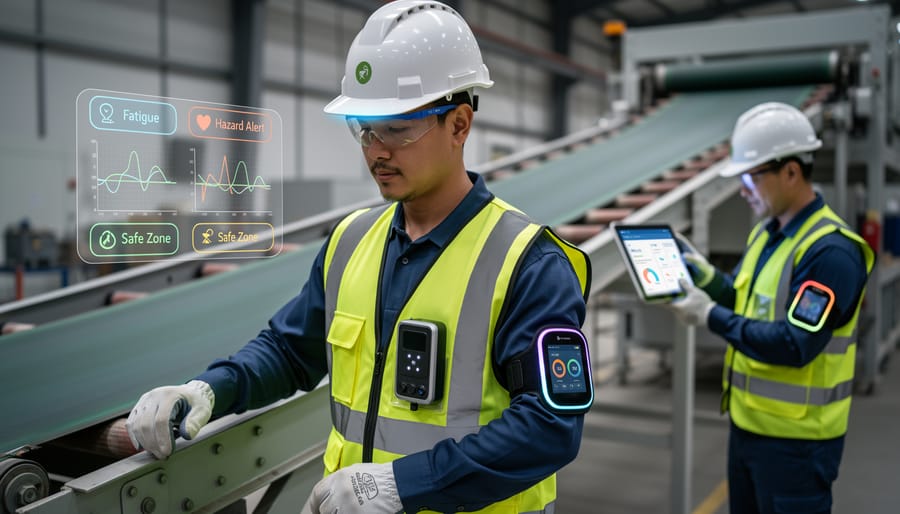
Safety gear has traditionally been passive protection—hard hats, gloves, and goggles. Edge AI is changing that by transforming safety equipment into active monitoring systems that help prevent accidents before they happen.
Smart hard hats now track head impacts and detect falls, automatically alerting supervisors if a worker goes down. Some models monitor environmental conditions like temperature and gas levels, warning you when conditions become dangerous. These devices process sensor data locally, meaning they work even in areas without cellular coverage or WiFi.
Wearable fatigue monitors analyze your movement patterns, reaction times, and vital signs to detect when you’re getting tired. Studies show fatigue contributes to up to 70% of workplace accidents, making this technology particularly valuable for contractors working long shifts or in demanding conditions.
Tool attachments are getting smarter too. AI-enabled dust monitors on power tools measure particulate levels and alert you when ventilation is inadequate. Smart gloves detect repetitive strain patterns and vibration exposure, helping you avoid long-term injuries.
The real advantage? These devices learn your normal working patterns and only alert you to genuine hazards, reducing the “alarm fatigue” that causes workers to ignore traditional safety systems. For anyone considering tool rentals with integrated safety features, this technology offers protection that adapts to how you actually work.
Measurement and Inspection Tools with AI Vision
Edge AI is transforming the way professionals and DIYers approach measurement and inspection tasks. These smart devices bring artificial intelligence directly to job sites, eliminating guesswork and reducing errors without requiring cloud connectivity.
Modern inspection cameras equipped with AI vision can automatically identify issues like pipe blockages, electrical faults, or structural damage. Simply point the camera at the problem area, and the device analyzes what it sees in real-time, often highlighting concerns on your screen and suggesting potential solutions. This technology is particularly valuable for plumbing and HVAC work, where identifying problems traditionally required extensive experience and time.
Smart measuring tools have also evolved significantly. Digital levels and measuring devices now use computer vision to detect surfaces, calculate angles, and verify alignments with greater accuracy than traditional methods. Some models can even overlay measurement data onto live camera feeds, showing you exactly where to cut or drill. This instant feedback helps prevent costly mistakes, especially on complex projects.
AI diagnostic tools for automotive and machinery applications represent another practical use case. These devices can scan engines, electrical systems, or equipment and provide immediate analysis of fault codes and performance issues, translating technical data into plain language recommendations.
Community feedback highlights that these tools significantly reduce the learning curve for less experienced users while boosting efficiency for professionals. The key advantage is instant, on-site intelligence that guides decision-making without requiring specialized training or internet access.
How Edge AI Makes Your Work Easier and Safer
Less Guesswork, Better Results
Edge AI devices act like having an experienced professional looking over your shoulder, helping you avoid costly mistakes before they happen. These smart tools analyze your work in real-time and provide instant feedback that can save materials, time, and frustration.
For example, AI-powered laser levels can detect when you’re working on an unlevel surface and alert you immediately, preventing hours of rework. Smart measuring tools catch measurement errors on the spot, reducing waste from cutting materials to the wrong size. Power tools with AI can adjust their settings automatically based on the material you’re cutting, giving you cleaner results without needing to consult reference charts or guess at the right speed settings.
The technology is particularly valuable for DIYers who might not have years of experience to draw from. Instead of learning through trial and error, the tool guides you toward professional-quality results from your first attempt. Professional tradespeople report that these devices help them maintain consistency across multiple projects and catch fatigue-related errors during long workdays. According to user feedback, many professionals note a 20-30% reduction in material waste once they started using AI-assisted measuring and cutting tools.
Preventing Accidents Before They Happen
Edge AI devices are transforming workplace safety by catching potential problems before they turn into accidents. These smart tools continuously monitor their own operation, learning what normal performance looks like and flagging anything unusual. When a power tool’s motor starts drawing more current than it should or vibrations increase beyond safe levels, the device can alert you immediately or even shut itself down automatically to prevent injuries or damage.
Predictive maintenance is one of the biggest safety advantages. Instead of waiting for a tool to fail mid-job, Edge AI tracks wear patterns and notifies you when components need attention. This means you can address issues during scheduled downtime rather than dealing with unexpected breakdowns that could cause accidents.
Built-in hazard detection takes safety further by recognizing dangerous conditions in real-time. Some devices can identify when you’re using improper technique, detect kickback risks, or sense when safety guards aren’t properly positioned. Usage monitoring also helps by tracking how long tools have been running continuously, preventing overheating and operator fatigue, both common accident contributors. For rental businesses and professional crews, this data creates accountability and ensures equipment stays in safe working condition.
Saving Time and Money on Every Job
Edge AI devices deliver real financial benefits that directly impact your bottom line, whether you’re running a professional trade operation or tackling weekend projects. By processing data locally, these tools eliminate the lag time associated with cloud-based systems, allowing you to complete measurements, cuts, and adjustments in real-time. This speed translates to faster project completion and reduced labor costs.
Material waste drops significantly when AI-powered tools provide precise measurements and cutting recommendations. Smart saws and measuring devices can calculate optimal cutting patterns, potentially saving hundreds of dollars in materials per project. Professional contractors report up to 15% reduction in material costs after adopting these technologies.
Tool performance optimization is another key advantage. Edge AI monitors equipment health, predicting maintenance needs before breakdowns occur. This preventative approach minimizes costly downtime and extends tool lifespan. For rental operations, this means you’re always working with properly maintained equipment that won’t fail mid-job.
Battery management gets smarter too, with AI optimizing power consumption based on task requirements. This extends runtime between charges and reduces the need for backup batteries. Combined with proper smart tool security measures, these devices protect your investment while maximizing productivity and minimizing operating expenses across every project.
What to Look for When Renting or Buying AI-Powered Tools
Battery Life and Power Requirements
Edge AI processing does impact battery life, but perhaps not as drastically as you might expect. Modern AI chips are designed with energy efficiency in mind, using specialized circuits that perform calculations more efficiently than traditional processors. In practical terms, a smart tool with edge AI might see a 10-20% reduction in runtime compared to its conventional counterpart, though this varies widely based on how frequently the AI features activate.
For example, a cordless drill with AI-powered torque adjustment only engages its processing when actively drilling, meaning the chip enters a low-power state during idle periods. Most manufacturers report that professional-grade smart tools still deliver 4-8 hours of typical workday use on a single charge.
The real consideration is whether the trade-off makes sense for your work. If AI features help you complete jobs faster or prevent costly mistakes, a slightly shorter runtime becomes less significant. Many users in community reviews note that the productivity gains offset any battery concerns. Keep spare batteries charged, just as you would with any cordless tool, and you’ll rarely notice the difference in day-to-day use.
Ease of Use and Learning Curve
Edge AI devices are designed with user-friendliness in mind, though there’s a learning curve depending on your tech comfort level. Most modern AI-powered tools feature intuitive interfaces with touchscreens or smartphone apps that guide you through setup and operation. Think of it like using a smart thermostat—the basics are straightforward, but accessing advanced features takes some exploration.
For DIY enthusiasts, you can typically start using basic functions right out of the box. Simple tasks like object detection in security cameras or automated adjustments in smart power tools require minimal training. However, professionals looking to maximize efficiency should plan for 1-2 hours of familiarization time to understand customization options and data insights.
Many manufacturers provide tutorial videos and quick-start guides that break down features in plain language. Community forums have also become valuable resources where users share tips and troubleshooting advice. If you’re renting edge AI equipment, ask the rental provider about orientation sessions—many now offer brief demos to help you hit the ground running and avoid common setup mistakes.
Compatibility and Updates
One of the most common concerns among potential buyers is whether Edge AI devices will stay current as technology evolves. The good news is that many manufacturers now offer firmware updates over-the-air, meaning your smart drill or AI-powered saw can receive performance improvements and new features without sending it back to the factory.
Before purchasing or renting, check if the device works with your existing equipment. Most Edge AI tools use standard batteries and accessories from their respective brands, though some smart features may require companion smartphone apps. Look for devices that support both iOS and Android platforms.
Long-term support varies by manufacturer. Leading brands typically provide at least 3-5 years of software updates, while smaller companies may offer shorter support windows. Community forums and user reviews can reveal how actively manufacturers respond to customer needs and whether they’ve maintained support for older models. Consider this especially important if you’re making a significant investment in professional-grade equipment that needs to perform reliably for years.
Real Users Share Their Experiences
We reached out to professionals and DIY enthusiasts who’ve worked with Edge AI-equipped tools to get their honest feedback. The response has been overwhelmingly positive, though users emphasize understanding what you’re actually getting.
Mike, a residential contractor from Ohio, shares his experience with an AI-powered laser level: “The automatic adjustment saved me hours on a recent basement remodel. It catches errors I might have missed when I’m rushing. Worth every penny for repeat jobs.” This sentiment echoes across many professional reviews, where time savings directly translate to profitability.
However, not everyone needs the upgrade. Sarah, a weekend DIYer, notes: “I rented an Edge AI circular saw for a deck project. The safety features were incredible and gave me confidence, but for occasional use, I’m glad I didn’t buy. Renting made perfect sense.” This highlights an important point: rental options let you access premium technology without the investment commitment.
Common concerns center around learning curves and battery life. Most users report that Edge AI features become intuitive within the first project, though initial setup requires patience. Battery consumption varies, with demanding AI features reducing runtime by 15-20% compared to standard tools.
The consensus? Edge AI devices genuinely improve accuracy and safety, making them valuable for professionals with consistent workloads. For occasional users, renting provides an excellent way to access this technology when projects demand precision without the upfront cost.
Edge AI devices represent a significant leap forward in tool technology, bringing smarter capabilities directly to your jobsite without relying on internet connectivity. Whether you’re a professional tradesperson looking to boost productivity or a DIY enthusiast exploring cutting-edge equipment, these intelligent tools offer real-world benefits like improved accuracy, enhanced safety features, and automated adjustments that adapt to your work. Before committing to a purchase, consider renting Edge AI-enabled tools to test how they fit your specific needs and workflow. The technology is rapidly evolving, making rentals an excellent way to stay current without major capital investment. We’d love to hear from our community about your experiences with these smart devices. Have you tried Edge AI tools on your projects? What features impressed you most, or what challenges did you encounter? Share your reviews and insights to help fellow users make informed decisions about incorporating this technology into their toolkit.
Related Posts


Post a Comment