

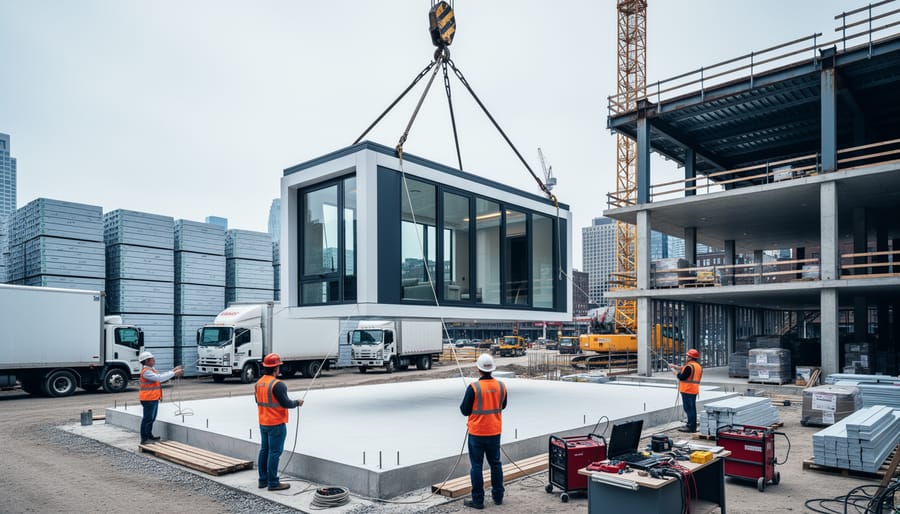
Prefabrication and modular construction can slash your project timeline by 30-50% while reducing waste and labor costs, but only if you understand how these methods fundamentally differ from traditional building. Instead of constructing everything on-site, prefab involves manufacturing building components or entire modules in a controlled factory environment, then transporting and assembassembling them at your location. This approach requires proper planning and estimating upfront, as changes become exponentially more expensive once factory production begins.
Start by determining whether panelized systems, pod modules, or hybrid prefab suits your specific project scope and site constraints. Panelized systems work well for walls and roof sections where you’ll complete assembly on-site, while fully finished modules make sense for repetitive units like bathrooms or entire rooms. Calculate your total costs by factoring in manufacturing expenses, specialized transport and crane hire, foundation preparation, and on-site assembly labor—many builders underestimate the foundation work required to accept prefab units.
Secure your site access early, as delivery trucks and cranes need clear pathways and stable ground conditions that traditional construction doesn’t always demand. Order specialized lifting equipment and connection tools weeks in advance, since prefab assembly windows are tight and delays compound quickly. The precision of factory-built components means your foundation and connection points must meet exact specifications, typically within 10mm tolerances rather than the 25mm acceptable in conventional building.
What Prefabrication and Modular Construction Actually Mean
Prefabrication: Building Components Off-Site
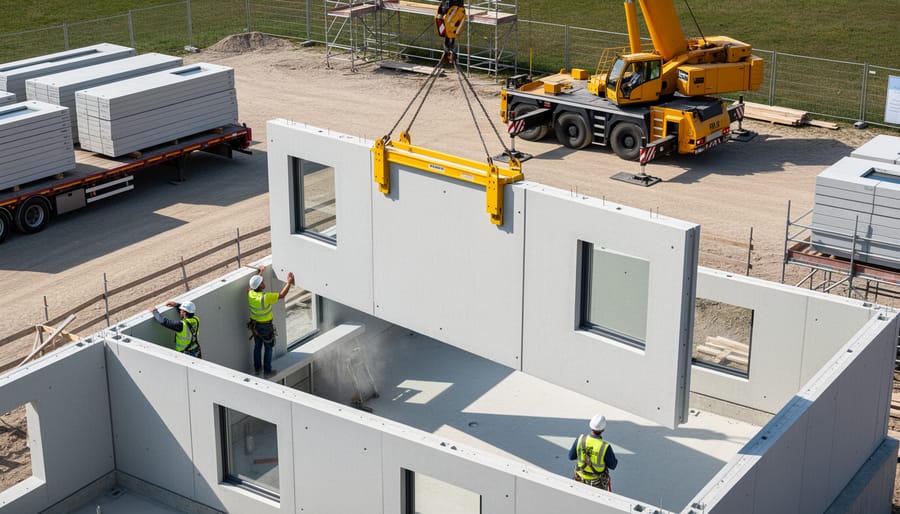
Prefabrication involves manufacturing building components in a factory or workshop before transporting them to your construction site. Common prefab elements include wall panels complete with insulation and electrical conduits, roof trusses engineered for specific load requirements, floor cassettes, and even bathroom pods with pre-installed plumbing fixtures.
The controlled environment of a factory offers significant advantages over traditional on-site construction. Components are built on level surfaces with consistent power supply, protected from weather delays that can add weeks to your project timeline. Quality control is more rigorous, with each element inspected before leaving the facility.
Manufacturers use precision cutting equipment and jigs to ensure repeatability across identical components. For example, wall panels are assembled on specialized tables where studs, sheathing, and moisture barriers are fitted together following exact specifications. This process reduces material waste by up to 30% compared to site cutting.
Once manufactured, components are labeled, packaged for protection during transport, and delivered according to your construction schedule. Many DIY builders and contractors find this approach particularly beneficial for complex elements like engineered roof trusses, which require calculations and precision cuts that are challenging to achieve on-site without specialized equipment and expertise.
Modular Construction: Complete Building Blocks
Modular construction takes prefabrication a significant step further by delivering complete, three-dimensional building sections that arrive on-site nearly finished. Unlike prefab components that require substantial assembly, modular units are entire rooms or functional spaces manufactured off-site in controlled factory environments.
Think of bathroom pods as a prime example. These arrive as complete bathrooms with tiles installed, plumbing fitted, fixtures mounted, and electrical work finished. Similarly, kitchen units come with cabinets, worktops, appliances, and even backsplashes already in place. Hotel rooms, student accommodation modules, and even entire apartment sections can be manufactured this way.
The key distinction is that prefab components are individual building parts like wall panels or roof trusses that need joining together, while modular units are self-contained spaces that simply stack or connect to adjacent modules. Once positioned by crane, modules typically only need final connections for utilities and weatherproofing at the joints.
This approach dramatically reduces on-site labor requirements and construction time. Many projects report 30-50% faster completion compared to traditional builds. Quality control improves too, since factory conditions allow consistent workmanship away from weather disruptions. For DIYers or smaller contractors, understanding these differences helps determine which approach suits your project scale and complexity.
Why Planning and Estimating Matter More for Prefab Projects
The Front-Loaded Nature of Prefab Work
Unlike traditional construction where you can make decisions as you go, prefabrication demands a front-loaded approach to planning. Think of it like ordering a custom kitchen versus building one on-site—once the factory starts manufacturing your modules, changes become expensive or impossible.
Before fabrication begins, you’ll need to finalize your design drawings, materials specifications, and equipment placements. This includes exact locations for electrical outlets, plumbing fixtures, and even door swing directions. While this upfront investment in planning time might feel restrictive, it actually reduces costly surprises during installation.
The trade-off is worth understanding: traditional builds allow you to adjust as work progresses, but prefab locks in most decisions early. However, this constraint forces better planning and coordination between trades, ultimately reducing conflicts and delays. Community feedback from contractors using prefab methods consistently highlights this as both a challenge for first-timers and a major efficiency gain once mastered.
Budget extra time during the design phase—roughly 20-30% more than conventional projects—to account for this detailed planning requirement. The decisions you make now will directly impact your installation timeline and final costs.
Coordination Between Site and Factory
Successful prefab projects hinge on precise coordination between off-site manufacturing and on-site installation. When factory-built components arrive, your site must be completely ready to receive them. This means foundations cured, utilities roughed in, and access routes cleared for delivery vehicles—often large lorries requiring specific turning radii and ground stability.
Create a detailed delivery schedule with your prefab supplier at least four weeks before the first shipment. Confirm exact arrival windows, as prefab modules can’t simply sit exposed to weather while you finish site preparation. Most suppliers require 24-48 hours’ notice if you need to reschedule, and delays can incur storage fees.
Arrange necessary lifting equipment rental well in advance. A tower crane or mobile crane is typically essential for positioning modules, and availability during peak construction seasons can be limited. Your site supervisor should conduct a final readiness checklist 48 hours before delivery, confirming adequate storage space for components arriving in sequences and verifying that your crew understands the installation order. Poor coordination here creates costly bottlenecks—modules stacking up on-site while foundations aren’t ready, or crews standing idle waiting for delayed shipments.
Planning Your Prefab or Modular Project: The Essential Steps
Step 1: Define Your Project Scope and Requirements
Before diving into prefabrication, you need to clearly outline what you’re building with precision. Start by documenting exact dimensions, including floor area, ceiling heights, and wall thicknesses. List all functional requirements such as plumbing locations, electrical outlets, window placements, and door swings.
Create a simple sketch or use free design software to visualize your structure. Note any special features like insulation requirements, weatherproofing needs, or load-bearing specifications. Consider local building codes and permit requirements early, as these directly impact your design choices.
Document material preferences, whether you’re after timber frame, steel, or concrete panels. Include finish specifications like cladding types, roofing materials, and interior surfaces. The more detailed your requirements, the more accurate your supplier quotes will be.
Think through the installation process too. Will the modules need crane access? Are there site restrictions that limit panel sizes? Understanding these constraints upfront prevents costly modifications later. This groundwork ensures suppliers can provide realistic timelines and quotes tailored to your actual needs, not just generic estimates.
Step 2: Assess Your Site Conditions
Before modular components arrive at your site, you need to verify it can accommodate them. Start by measuring access routes—prefab modules are often delivered on articulated lorries that need wide roads and turning circles. Check for overhead obstacles like power lines or tree branches that might block delivery. Many community forums highlight stories where deliveries were delayed due to narrow gateways or low bridges, so walk the entire route from the main road to your build site.
Next, determine crane requirements. Most modular installations need a mobile crane to lift and position units, sometimes weighing several tonnes. The crane needs stable, level ground to operate safely, plus adequate space to maneuver. Contact crane hire companies early to discuss access and ground conditions.
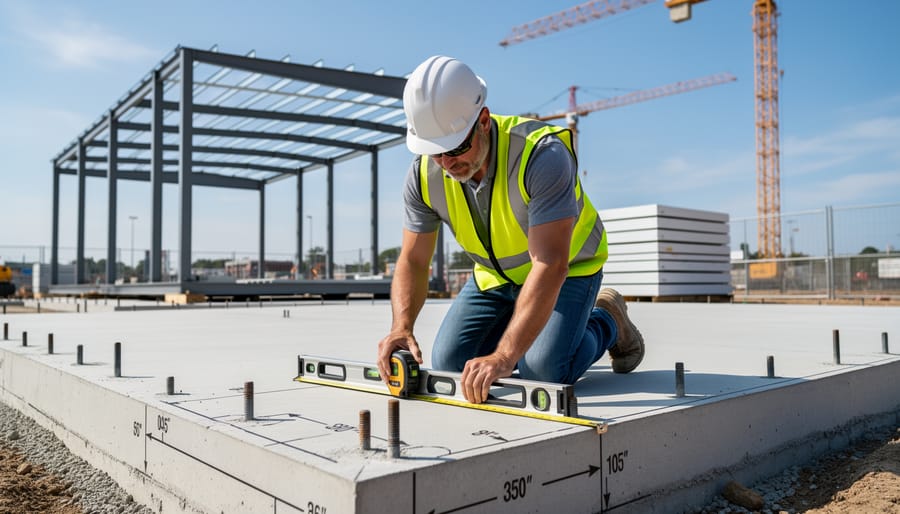
Your foundation must be complete and precisely level before modules arrive—there’s no flexibility once they’re manufactured. Verify all foundation dimensions match your plans exactly, as even small discrepancies cause major installation problems.
Finally, plan utility connections. Know where water, electricity, gas, and drainage entry points will be located. Having these roughed in beforehand speeds up final connections significantly. Consult with utility providers about timing to avoid costly delays during installation.
Step 3: Create Your Project Timeline
Creating a realistic schedule for prefab construction requires understanding the distinct phases involved. Unlike traditional building, you’ll need to account for both off-site manufacturing and on-site assembly.
Start with the design phase, typically requiring 4-8 weeks depending on complexity. Once approved, manufacturing lead times vary significantly—simple modules may take 6-12 weeks, while custom designs can extend to 16-20 weeks. Don’t underestimate this window; factories often have order backlogs.
Next, factor in delivery logistics. Coordinate with manufacturers about transport windows, which can be weather-dependent and require road permits for oversized loads. Allow 1-2 weeks for scheduling flexibility.
On-site installation is where prefab shines—what would take months in traditional construction often happens in days or weeks. A modest prefab home might install in 1-3 days, though site preparation beforehand adds 2-4 weeks.
Build buffer time throughout your schedule. Community members on our platform consistently recommend adding 15-20% contingency time for weather delays, permit approvals, and coordination issues. This approach helps manage expectations and prevents costly rush fees when timelines compress.
Step 4: Coordinate Tool and Equipment Needs
Prefabrication projects require specialized equipment that differs from traditional construction, so coordinating your tool and equipment needs early prevents costly delays. Start by identifying what you’ll need for each phase: lifting equipment for module placement, specialized fastening tools for connections, and finishing equipment for on-site completion.
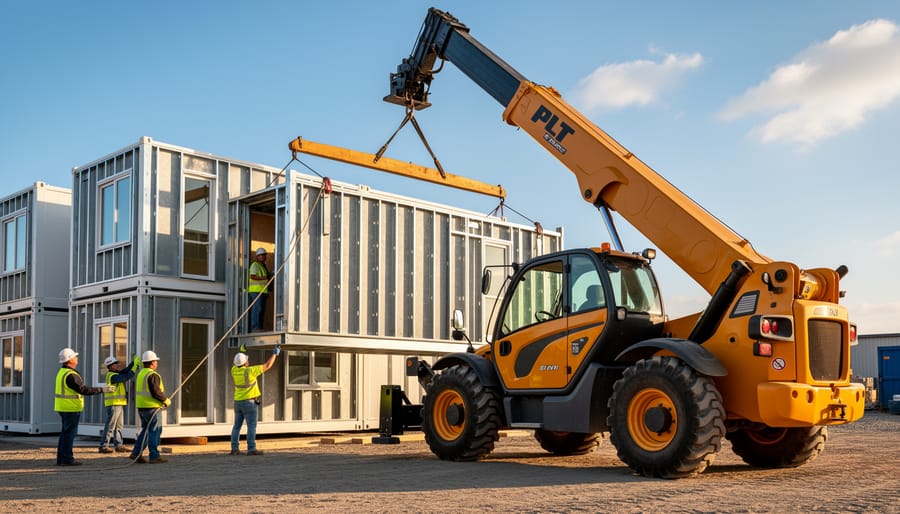
For lifting operations, you’ll typically need mobile cranes or telehandlers sized to your module weight and site access. Calculate lifting capacity requirements by adding 20-30% to your module weight for safety margins. Book these well in advance, as availability fluctuates seasonally.
Fastening and connection work demands specific tools like torque wrenches for structural bolts, pneumatic nail guns for panel assembly, and welding equipment for steel connections. Consider whether purchasing smaller tools makes sense versus hiring larger equipment you’ll use briefly.
Time your rentals carefully to avoid paying for idle equipment. Create a detailed timeline showing when each piece arrives and departs. For example, rent cranes for the actual lifting days only, not the entire assembly period.
Coordinate delivery schedules with your module arrival times and weather windows. Many hire companies offer flexible rental periods, so discuss options that align with your project phases. Check user reviews from others who’ve tackled similar prefab projects to identify reliable suppliers and avoid common equipment pitfalls.
Estimating Costs: Breaking Down Your Prefab Budget
Direct Component Costs
Estimating the cost of prefabricated components requires understanding both base prices and the variables that influence them. Prefab wall panels typically range from £80 to £150 per square metre, depending on insulation levels, finishes, and window openings. Modular bathroom pods cost between £3,000 and £8,000 per unit, while kitchen modules run from £2,500 to £6,000. Roof cassettes generally fall between £100 and £180 per square metre installed.
Several factors affect these baseline costs. Material specifications make a significant difference – upgraded insulation, acoustic barriers, or fire-rated materials increase prices by 15-30%. Customization adds expense too; standard sizes cost less than bespoke dimensions. Order volume matters considerably, with bulk orders often securing 10-20% discounts compared to single-unit purchases.
Manufacturing location impacts pricing as well. UK-manufactured components typically cost more than imported alternatives but offer shorter lead times and easier quality control. When requesting quotes, always clarify what’s included – some suppliers quote delivered prices whilst others list factory-gate costs only.
Community feedback from tradespeople suggests getting at least three comparable quotes and checking whether connection hardware, seals, and fixing systems are included in the stated price to avoid unexpected additional costs.
Transportation and Delivery Expenses
Transportation represents one of the often-overlooked costs in modular construction projects. Unlike traditional building materials that arrive on standard trucks, prefabricated modules require specialized transport vehicles capable of handling oversized loads. These wide-load transporters come with premium pricing, and your quote should include escort vehicle fees, which are mandatory in most Australian states when modules exceed standard road dimensions.
Delivery scheduling adds another layer of expense. Modules must arrive when your site is crane-ready, as they can’t be stored on residential streets. Many suppliers charge rush fees for specific delivery windows or penalties for site delays that prevent unloading. Council permits for road closures or temporary access modifications during delivery typically cost between 300 and 800 dollars per module, depending on your location.
Don’t forget crane hire coordination fees and potential charges for route surveys if your site requires navigating tight suburban streets or low-clearance areas.
Installation and Assembly Costs
Installation costs for prefab and modular construction typically run 30-50% lower than traditional builds, but understanding the specifics helps you budget accurately. Labor expenses decrease significantly since skilled workers assemble pre-manufactured components rather than building from scratch on-site. Expect 3-5 installers working 2-4 days for a typical modular home section, compared to weeks for conventional framing.
Crane hire represents your largest single installation expense, averaging £300-800 per day depending on capacity requirements. Most modular installations need cranes for 1-3 days. Factor in specialized lifting equipment, securing straps, and weather delays that might extend rental periods.
You’ll also need foundation preparation tools, leveling equipment, and connection hardware for joining modules. Basic requirements include torque wrenches, sealants, weatherproofing materials, and temporary bracing systems. Professional installations often require licensed electricians and plumbers for final connections between modules.
Traditional construction spreads costs over longer timeframes but accumulates higher labor totals. Weather-related delays affect conventional builds more severely since work happens entirely outdoors. Prefab installation compresses the timeline, reducing site supervision costs and minimizing exposure to weather disruptions.
Community feedback consistently highlights that hiring experienced modular installers, despite higher hourly rates, actually saves money by avoiding costly repositioning or structural issues from improper assembly techniques.
Site Preparation and Foundation Work
Before your prefabricated modules arrive, proper site preparation is essential and often accounts for 15-25% of your total project budget. The foundation must meet manufacturer specifications exactly, as even minor deviations can prevent proper module installation.
Start by budgeting for site surveys and soil testing, typically costing £500-£1,500. These determine if ground reinforcement is needed. Clear the site of vegetation, debris, and existing structures, then level the ground to precise measurements provided by your prefab supplier.
Foundation work requires specialized accuracy. Most modular homes need concrete slab, crawl space, or basement foundations with anchor points positioned within 5mm tolerance. Factor in costs for excavation equipment, concrete delivery, reinforcement materials, and skilled labour. A basic concrete slab foundation for a small modular home runs £3,000-£8,000.
Don’t forget utility connections. Budget for trenching, pipe laying, and electrical conduit installation before module delivery. Many DIYers underestimate these costs, which can add £2,000-£5,000 depending on distance from mains connections.
Community feedback consistently highlights that rushing site prep causes expensive delays. Allow 2-4 weeks for proper foundation curing before scheduling module delivery.
Tools and Equipment You’ll Need for Prefab Installation
Heavy Lifting Equipment
Moving prefabricated modules and large building components requires specialized heavy lifting equipment that many DIYers and small contractors don’t own outright. Understanding your capacity requirements and rental options helps keep projects on budget and on schedule.
Cranes are essential for positioning larger modules, with mobile cranes being the most common rental choice for residential and light commercial prefab projects. Capacity needs typically range from 20 to 50 tons depending on module size and weight. When requesting quotes, provide exact module dimensions and weights, plus site access details like overhead clearances and ground conditions.
Telehandlers offer versatility for medium-sized components, combining lifting height with maneuverability on tight jobsites. These machines handle loads between 5,000 and 12,000 pounds while providing reach that standard forklifts can’t match. They’re particularly useful for panel systems and smaller volumetric modules.
Rough-terrain forklifts fill the gap for ground-level positioning and material staging. Rental considerations include daily versus weekly rates, which often favor longer commitments. Most rental companies require operator certification verification, though some offer equipment with included operators at premium rates.
Community feedback consistently highlights the importance of scheduling equipment delivery to align precisely with module arrival, as demurrage fees from transport companies can quickly accumulate. Request backup equipment availability guarantees in your rental agreement to avoid costly project delays.
Fastening and Connection Tools
Securing prefabricated modules requires robust fastening systems that can handle the unique demands of modular assembly. Impact drivers are essential workhorses for this task, delivering high torque to drive heavy-duty screws and bolts that hold structural components together. These tools significantly speed up assembly compared to traditional drills, particularly when working with metal framing or thick timber connections.
For permanent connections between steel modules, welding equipment remains indispensable. MIG welders are popular choices on modular construction sites due to their versatility and ease of use, though stick welders work well for outdoor applications where wind might affect the welding process. Always ensure proper ventilation and safety gear when welding in enclosed spaces.
Pneumatic fasteners, including nail guns and staple guns, excel at quickly securing sheathing, panels, and trim work. These air-powered tools require a compatible compressor but deliver consistent performance throughout long workdays. Community reviews frequently highlight how pneumatic systems reduce hand fatigue during repetitive fastening tasks.
When selecting fastening tools for modular projects, prioritize reliability and power output. Many professionals recommend testing equipment before committing to large-scale projects, making rental options particularly attractive for occasional users or those wanting to evaluate different brands before purchasing.
Finishing and Sealing Equipment
Once your modular components are in place, proper finishing and sealing ensures weather-tight, professional results. Airless paint sprayers deliver consistent coatings to exterior panels and trim, sealing surfaces efficiently across large prefab sections. For joint work, pneumatic caulking guns maintain steady pressure when applying sealants along connection points, preventing air and moisture infiltration that could compromise your installation.
Laser levels prove essential for verifying that modular units sit perfectly plumb and level before final securing, as even minor misalignment can create gaps requiring additional remediation. Digital measuring tools help confirm tight tolerances between panels. Community feedback consistently highlights that investing time in thorough sealing pays dividends, with users reporting that proper caulking and weatherproofing prevents costly callbacks and ensures long-term durability. Don’t rush this stage—many experienced contractors recommend allocating 15-20% of your installation timeline specifically for finishing work, as addressing imperfections early prevents moisture damage and maintains structural integrity throughout the building’s lifespan.
Common Planning Mistakes and How to Avoid Them
Underestimating Site Access Requirements
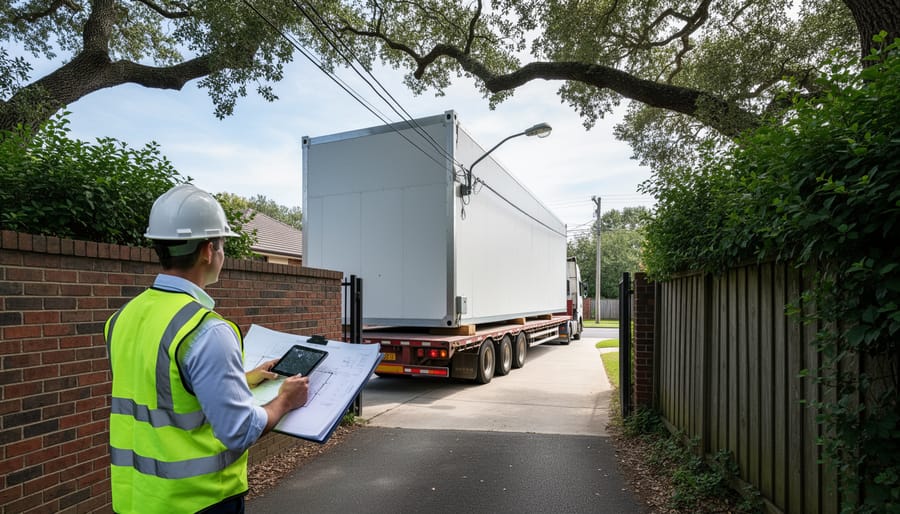
Site access assessments prevent expensive delivery nightmares. Before ordering prefabricated modules, walk the complete route from street to installation point with a critical eye. Measure gate widths, driveway clearance, and turning radii—modules on flatbed trucks need 12-15 feet of clearance and wide turning circles. Overhead obstacles like power lines, tree branches, and eaves frequently block crane access, requiring costly workarounds.
Document everything with photos and measurements, sharing them with your supplier early. Many experienced builders recommend conducting a test run with delivery companies to identify potential bottlenecks. One community member noted how a seemingly spacious suburban driveway couldn’t accommodate their module because of a slight curve and parked cars.
Solutions include temporary utility disconnection (coordinate with providers weeks ahead), tree trimming, or alternative crane positions. Some suppliers offer smaller modules specifically for tight sites. Creating a detailed site access plan with contingency options saves both time and money, ensuring your prefab project stays on schedule.
Rushing Foundation Work
With traditional construction, you can make minor adjustments as you build. Prefabricated modules don’t offer that flexibility. These factory-built sections arrive with fixed dimensions, designed to sit precisely on your prepared foundation. If your foundation is off by even a few centimetres, you’ll face serious problems.
Misaligned foundations create gaps between modules, causing structural weakness and weather infiltration. You might need costly shims, custom fabrication, or complete foundation rework. Some contractors report spending thousands correcting foundation errors that seemed minor during the pour.
The stakes get higher with multi-storey modular buildings. A small error at ground level compounds with each additional floor, potentially making upper modules impossible to install properly.
Before any prefab units arrive, invest in professional surveying equipment and verify measurements multiple times. Many experienced builders recommend laser levels and precise formwork systems. Take extra time during foundation preparation—it’s far cheaper than fixing placement issues later. Consider consulting with your prefab manufacturer’s technical team, as they often provide specific tolerance requirements and foundation templates based on community feedback from previous installations.
Ignoring Weather Windows
Weather conditions pose unique challenges for prefabricated construction that many builders underestimate. Unlike traditional builds where you can partially weatherproof as you go, prefab modules arrive complete and require precise placement using cranes and specialized lifting equipment. Wind speeds above 15-20 mph can make crane operations unsafe, delaying your entire schedule. Rain and snow don’t just slow work down—they can damage finished modules during transport or installation if protective measures aren’t in place.
Plan installation windows conservatively by checking historical weather patterns for your region. Build in at least 2-3 backup dates for crane work, and confirm your equipment rental company offers flexible rescheduling without penalties. Always have tarps and temporary weather protection ready on-site, even if forecasts look favorable. Community feedback consistently shows that projects with built-in weather contingency days finish on time more often than those with tight, optimistic schedules. Remember, one rushed installation in poor conditions can cost more in repairs than several days of standby rental fees.
When Prefab Makes Sense (And When It Doesn’t)
Ideal Scenarios for Prefab
Prefabrication delivers maximum advantages in specific project scenarios where its core strengths align with project needs. Time-sensitive builds benefit enormously, particularly when weather delays could derail traditional construction schedules. Since 60-90% of work happens in climate-controlled factories, projects with tight deadlines or harsh site conditions are ideal candidates.
Remote or difficult-to-access locations present another perfect scenario. Building components off-site and transporting them ready-made reduces the need for extensive on-site crews and equipment mobilization. This proves especially valuable for rural developments, island properties, or sites with limited workspace.
Repetitive construction projects see substantial cost savings through prefab methods. Multi-unit residential developments, student housing, hotels, and commercial facilities with standardized rooms maximize efficiency when components are mass-produced then assembled on-site.
Quality-critical projects also benefit significantly. Factory settings provide controlled environments with consistent inspections and reduced human error compared to outdoor job sites. Healthcare facilities, laboratories, and educational buildings requiring precise specifications are excellent fits.
Budget-conscious projects with fixed costs appreciate prefab’s predictable pricing structure. Material waste drops by 50-70% compared to traditional methods, and factory purchasing power reduces material costs. Small-scale projects like garden offices, extensions, or accessory dwelling units allow homeowners and DIY enthusiasts to participate more directly in the construction process while maintaining professional-grade quality standards.
When Traditional Construction May Be Better
While prefabrication offers significant advantages, traditional construction methods remain the better choice in several scenarios. If your project site has difficult access—narrow lanes, steep slopes, or limited crane clearance—delivering large prefabricated modules becomes impractical and expensive. Standard construction allows materials to arrive in manageable pieces that workers can carry and assemble on-site.
Highly customized or architecturally complex projects may also favor conventional building. When every room has unique dimensions, intricate detailing, or specialty finishes that change during construction, the flexibility of on-site work prevents costly module redesigns. Prefab works best with standardized layouts and repeatable elements.
Budget constraints can make traditional methods more accessible too. If you’re planning a phased build—completing sections as funds become available—conventional construction accommodates this approach naturally. Prefab typically requires larger upfront payments for factory production before anything arrives on-site.
Finally, renovation and extension projects almost always suit traditional techniques better. Matching existing structures, working around unforeseen conditions discovered during demolition, and adapting to what’s already there demands the adaptability that on-site construction provides. Community feedback consistently highlights that experienced tradespeople can adjust traditional builds in real-time, whereas prefab commitments lock in decisions much earlier in the process.
Prefabrication and modular construction offer significant advantages when approached with proper planning and realistic cost estimation. Success hinges on thorough preparation during the design phase, accurate measurements, and understanding the full scope of equipment and materials needed before work begins. Whether you’re a professional tradesperson or a DIY enthusiast tackling your first prefab project, taking time to map out each stage, calculate costs comprehensively, and secure the right tools will save you time, money, and frustration down the line.
Remember that contingency planning isn’t optional. Building in buffer time and budget for unexpected challenges is standard practice in construction, and prefab projects are no exception. The beauty of modular construction lies in its efficiency, but that efficiency depends entirely on your groundwork.
We’d love to hear about your prefabrication experiences. Have you completed a modular construction project? What planning strategies worked best for you? Did you encounter any unexpected costs or challenges? Share your stories, tips, and questions in the community section below. Your real-world insights help fellow builders make informed decisions and tackle their projects with confidence.
Related Posts


Post a Comment