A few years ago, many hobbies came with an unspoken rule. People who wished to become serious about making, mending, shaping, or building something were told to get the tools. This idea is still around today, but it is starting to fade away. More people now move through hobbies in a flexible way. They try one project, pause for a month, return with a different idea, then switch again. In that kind of rhythm, ownership stops being the center of the story. Access becomes more important.
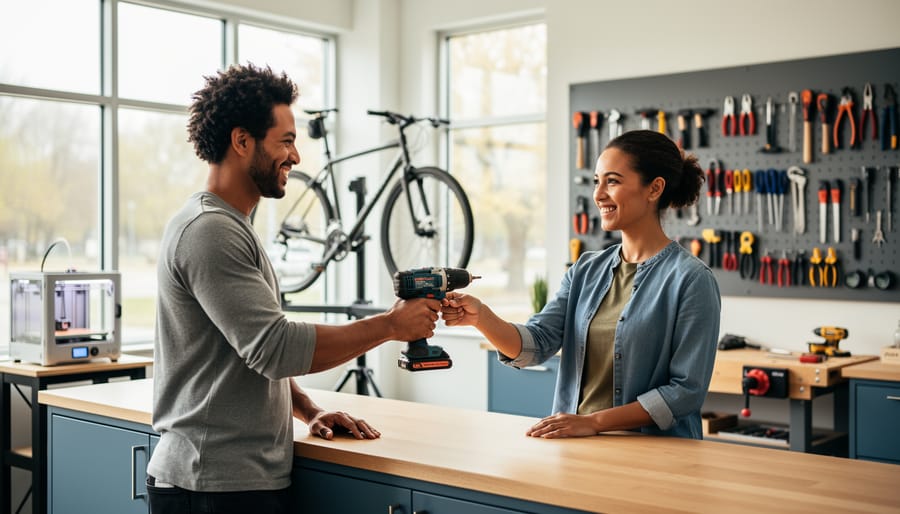
It has also caused people to think about the way that they utilize the specialized equipment that they have in the home. Rather than buying the equipment that they may only be able to utilize a few times per year, many people want to find ways to utilize the borrowed, rented, and short-term availability of the equipment that they need. For those interested in the arizer xq2 australia, this page provides full specs, authentic units, and availability from an Australian-based retailer. The same mindset applies across many categories. People want reliable gear, clear information, and the freedom to explore an interest without building their whole identity around ownership from day one.
The Hobby Economy Looks Different Now
The old version of a hobby often looked permanent. A person bought the equipment, found storage space, learned the basics, and slowly built a collection. That model worked when people stayed inside one lane for years.Hobbies have changed too. One month, a person might focus on fixing up an old bike. Next month, they might make planter boxes. They might learn how to make their home office better next month. Things aren’t as stable in the world as they used to be.
This has created a very specific kind of consumer. It is someone who enjoys the experience of doing things with their hands but does not always want the weight of long-term ownership. These people are practical. They could love quality but yet be hesitant to buy a big or pricey thing that they only use once in a while. They aren’t casual in the way that they don’t care. They are picky. They recognize the difference between wanting to try something and wanting to stick with it.
That difference matters. It impacts how people look for things, how they compare things, and how they think about value. For a lot of folks, the best thing to buy is nothing at all. The better choice may be to access the right tool at the right time and move on once the job is done.
Why Access Feels Smarter Than Accumulation
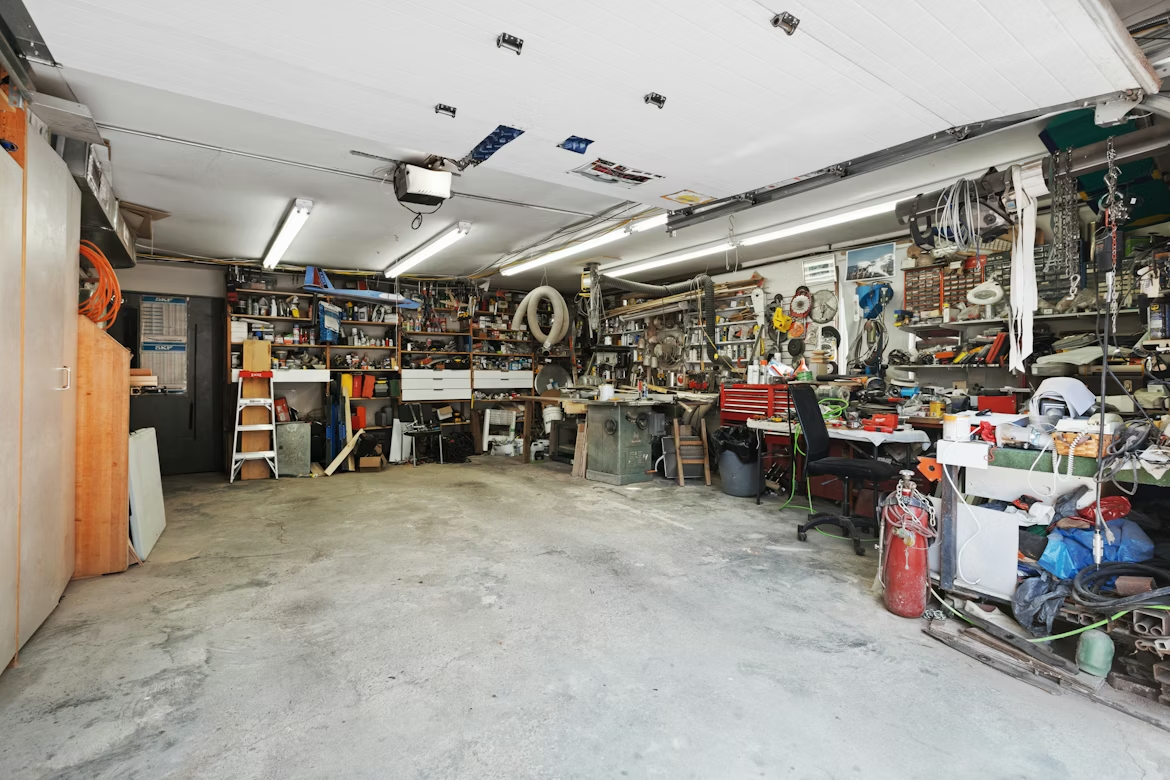
There is a quiet fatigue around accumulation. Shelves fill up. Storage becomes its own project. People begin to organize the objects they barely use. At some point, the convenience of something is not as convenient because of the inconvenience of keeping it. This is especially true for tools and equipment tied to specific tasks.
A growing number of people have noticed that their interest in a hobby is often stronger than their interest in storing its gear. They want the result, the process, and the satisfaction, though they do not always want the clutter that stays after the project ends. That is why access-based thinking feels so modern. It supports action without demanding permanence.
There are a few reasons this model has become more appealing:
- people live in smaller spaces than they once expected
- many hobbies now begin through curiosity rather than long planning
- cost matters more when equipment may sit unused for months
- flexibility feels more valuable than building a personal inventory
This way of thinking also makes experimentation easier. A person can do something quirky, learn from it, and then stop with no regrets. That freedom encourages more creativity. When every new interest does not begin with a large purchase, people are often more willing to start.
The New Identity of the Practical Enthusiast
One of the more interesting cultural changes is the rise of the practical enthusiast. This is a person who enjoys tools, gear, and process but does not define expertise by how much they own. They may have excellent taste, strong technical knowledge, and real skill, yet their setup stays lean. They choose carefully. They avoid waste. They build their routines around utility rather than accumulation.
This type of person is becoming more common across all kinds of lifestyle spaces. They appear in gardening, home repair, design projects, DIY furniture, small renovations, and creative making. They are often informed by internet culture, where knowledge is shared quickly and niche communities make learning easier. A person can now become interested in a project on Tuesday, watch three detailed guides on Wednesday, and start by the weekend. The barrier is no longer information. The barrier is often access to the right equipment.
That is why shared access has such strong appeal. It supports momentum. It helps ideas become real before they fade. Many projects exist or do not exist because of the gap between the inspiration and the doing. The gap is too expensive and too inconvenient; the project no longer exists. Access keeps the idea alive long enough to become experience.
Tools as Short-Term Friends
It’s nice to think of tools as transient friends instead of things you own forever. When you use tools as friends instead of things you own, the emotional dynamic changes. The focus is on the work being done, and the person is more aware of what they are making, repairing, and testing because it is there to do the job with them.
This can make projects feel lighter. The tool is no longer a symbol of commitment. It becomes part of a specific chapter. A person can build a deck, trim an overgrown yard, shape a piece of wood, or handle a one-off repair without feeling like every project requires a long-term lifestyle decision.
There is also a subtle benefit in this approach. It teaches discernment. After using something in practice, people learn whether they truly need it often enough to own it. That kind of experience is more useful than reading specifications for hours. Real use answers real questions. Does the tool suit the way someone works? Does it fit the scale of their projects? Does it solve a recurring problem or only a temporary one.
A more thoughtful project culture is growing around these questions. It values first-hand experience over impulse buying. It respects space, budget, and timing. It also leaves room for enthusiasm, because practical thinking does not cancel excitement. It simply gives excitement a stronger frame.
A Different Kind of Ownership Story
Ultimately, this change is about more than tools. It is about a different way of thinking about how we want to relate to objects in general. Ownership used to be a marker of seriousness. Today, seriousness can also look like restraint. It can mean choosing access when access is enough, buying only when use becomes consistent, and leaving room for interests to evolve naturally over time.
That makes hobby culture feel more open. A person no longer needs to build an entire workshop identity to enjoy building one thing well. They can flow through a project with interest, using whatever is appropriate for the moment, and remain open to changing interests. This model seems realistic in a world where space is at a premium, where interests change fast, and where we want more freedom in how we spend both our money and our time.
What makes this approach interesting is how realistic it is in terms of how most people need or want ownership. People need access, trust, timing, and a clear way to go from thought to action more than they need to own anything. It’s simpler to start, enjoy, and accommodate hobbies into your daily life when these elements come together.
Related Posts