

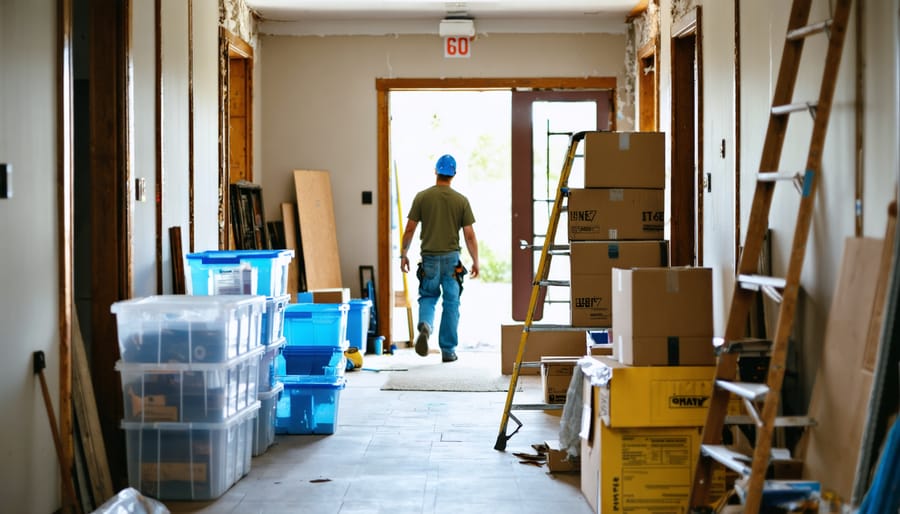
Storage is often the last thing people think about when renovating. It is easy to get caught up in choosing tiles or deciding where the new wall should go. Without a solid storage plan, even small issues can quickly turn into bigger problems.
Many homeowners make simple storage mistakes that cause delays, damage, or extra costs. These errors are easy to overlook, especially when you are juggling tradespeople, deliveries, and daily routines. What seems minor at first can end up setting the whole project back.
Let us walk through five common but avoidable storage mistakes.
Underestimating the Amount of Storage Needed
It is easy to guess how much storage you will need, but guessing rarely works out well. Most people forget how many items must be packed away, from building supplies to personal belongings. As work begins, those small piles of tools and materials can accumulate rapidly and take over your space.
Having too little storage creates clutter that slows down progress. Workers cannot move freely, tools get misplaced, and fragile items can be damaged. If your storage is overflowing after the first day, it is a sign that the planning was incorrect.
Containers with lids are great for keeping things clean and dust free. Stackable bins work well for small hardware like screws, nails, and fittings. When dealing with tools and fixings, dedicated containers make it easier to stay organised.
Using small parts storage bins helps keep everything in order, especially for items that are easy to misplace or damage. It is a simple solution that can save time and reduce stress throughout the renovation.
You can also create a quick inventory list for stored items so you know exactly what is available and where it is located. This avoids duplicate purchases and prevents unnecessary delays when tasks begin.
Not Clearing the Space Before Work Starts
A cluttered workspace creates problems before work even begins. Many homeowners delay moving furniture or boxes, hoping to make the space work around the mess. This leads to confusion, accidents, and slower progress.
When tools and materials compete for floor space with your belongings, you invite chaos. Workers need room to bring in equipment, cut materials, and access walls or ceilings. Leaving things in the way means someone will eventually have to stop and move them repeatedly.
Using off site storage or temporarily moving items to a garage or spare room can make a significant difference. It frees up space, reduces the risk of damage, and helps the renovation team work more efficiently. Planning where your belongings will go before work begins keeps everything running smoothly and safely.
Ignoring Weather Conditions for Outdoor Storage
Outdoor storage may seem like a convenient short term fix when space indoors runs out. However, the weather can undo that plan quickly. Materials such as timber, insulation, and some tools are not built to withstand rain or extreme heat.
Exposure to sunlight can warp plastics, while moisture causes wood to swell or develop mould. Rust is another concern, especially for items stored directly on the ground or left uncovered. If things become damaged outside, you will end up replacing them, which wastes time and money.
Try to place items on raised pallets or inside a covered space. Even better, use sealable containers for smaller items. Think about the forecast and be ready to secure items quickly if a storm is coming. These steps help you avoid unpleasant surprises when the materials are finally needed.
If outdoor storage is unavoidable, consider creating a simple barrier using tarps and weighted edges. This provides basic protection and reduces the risk of water pooling around important materials.
Mixing Tools, Materials, and Rubbish
Renovation sites get messy, which is part of the job. However, piling everything into one area complicates the process and increases the chance of mistakes.
Sharp tools left with rubbish can break or injure someone. Bags of cement or boxes of tiles buried under debris are easily overlooked or damaged. When tradespeople cannot find what they need, time is wasted searching through piles rather than completing tasks.
It helps to divide the area into clear zones. Have a spot for rubbish, a section for tools, and another for materials awaiting use. Colour coded bins, floor markings, or simple signs can make a big difference in keeping the site organised. When everything has a dedicated place, people work faster and safer.
You can also set aside a small cleaning window at the end of each work day. Even ten minutes of tidying keeps the site manageable and makes the next morning easier for everyone involved.
Waiting Too Long to Plan Storage
Planning storage should not happen after the first tool hits the wall. Unfortunately, many people leave it to the last moment. This creates cluttered rooms, blocked pathways, and rushed decisions that lead to further problems.
Storage should be part of your initial checklist alongside your budget, trades, and design plans. If you know you will need space for large items, think about where they will go before work begins. Do not wait until boxes fill your hallway to realise there is no room to move.
Make a simple list of what needs to be stored, how long it must be stored for, and what level of access you will need. This ensures nothing is left to chance. Thoughtful planning early on means fewer hold ups and smoother progress from beginning to end.
If you are unsure how much storage is required, speak with your builder or project manager. They can offer guidance based on the materials and equipment involved in your renovation.
Wrap Up
Storage may not be the most exciting part of a renovation, but getting it right makes a significant difference. These five mistakes are easy to avoid with a bit of planning. Take the time to think ahead, sort items properly, and clear the space. That small effort at the start can save you many headaches later.
Related Posts


Post a Comment