

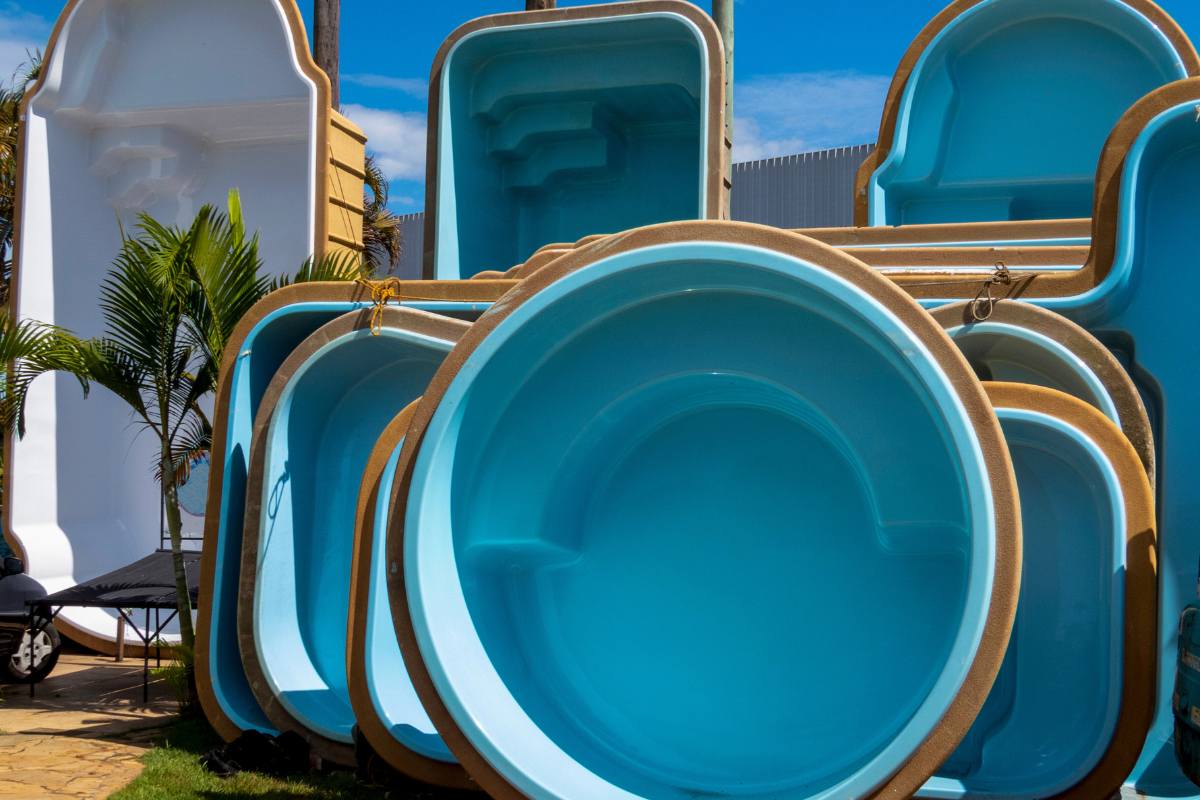
Australia is known for its love of the great outdoors, with long summers, mild winters, and an enviable lifestyle built around backyards, barbeques, and family fun. For many Australians, having a pool at home is more than just a luxury—it’s part of everyday life. But not all pools are built to withstand the unique demands of the Australian climate. From intense UV exposure and dry spells to sudden storms and heavy rainfall, the conditions can be harsh.
That’s where fibreglass pools come into their own. Built to be strong, low-maintenance, and temperature-resistant, fibreglass pools are an ideal match for the Australian environment. Whether you live in the scorching heat of the interior, the humid tropics, or a breezy coastal town, these pools are designed to handle it all while offering year-round enjoyment.
Here’s why fibreglass pools are so well suited to Australia’s diverse and often demanding climate.
1. UV Resistance In Harsh Sunlight
Australia has some of the highest UV levels in the world, particularly in the summer months. This harsh sunlight can take a toll on outdoor structures and materials, including traditional pool surfaces. Over time, exposure to strong UV rays can cause fading, cracking, and surface degradation in pools that aren’t designed to withstand these conditions.
Fibreglass pools are manufactured with a high-quality gelcoat surface that is specifically engineered to resist UV damage. This protective layer helps prevent discolouration, warping, and deterioration—even during extreme heatwaves. As a result, fibreglass pools maintain their appearance and integrity for much longer than many other pool types, making them a smart long-term choice for sun-drenched regions.
2. Thermal Efficiency In Varying Climates
Australia’s climate varies significantly across the country. In the cooler southern states, water temperature can drop quickly overnight. In the north, the humidity and heat linger long after sunset. Fibreglass pools have excellent thermal properties, meaning they retain water heat better than other types of pools like concrete or vinyl-lined models.
This natural insulation reduces the need for constant heating, especially when paired with a pool cover. Homeowners in cooler regions can extend their swimming season without running up energy bills, while those in warmer zones enjoy water that stays comfortable even after a cooler night.
The result? Less reliance on heaters and more comfortable swimming conditions for longer periods of the year.
3. Withstanding Sudden Weather Changes
Australian weather is nothing if not unpredictable. One minute it’s sunny, the next it’s a torrential downpour. In areas prone to flash flooding, stormwater runoff, or shifting soil, a pool must be able to handle the pressure.
Fibreglass pools perth are built as a single solid shell, offering both flexibility and strength. They’re less prone to cracking compared to rigid concrete pools, which can suffer from stress points and surface damage during heavy rain or soil movement.
Their flexibility allows fibreglass pools to adapt slightly to ground movement, reducing the risk of structural issues after a sudden storm or seasonal soil changes. This makes them particularly well suited to regions affected by dramatic weather swings.
4. Corrosion Resistance In Coastal Locations
Salty air is another common challenge in many parts of Australia, especially along the coast. Salt can corrode metals, wear down finishes, and damage materials over time.
Fibreglass pools are non-reactive and corrosion-resistant, making them perfect for seaside environments. Unlike some metal pool structures or porous materials that can absorb salt and moisture, fibreglass maintains its strength and finish even when installed just a short distance from the beach.
This resilience means fewer long-term maintenance costs and peace of mind for homeowners wanting a durable pool that stands up to salty breezes and ocean mist.
5. Low Maintenance During Dry Periods
Water restrictions and drought conditions are a reality in many parts of Australia. That makes water efficiency a key factor when choosing a pool. Because fibreglass surfaces are non-porous and algae-resistant, they require fewer chemicals and less frequent cleaning than concrete pools. This also means they’re less likely to develop leaks or need topping up as often.
Fibreglass pools also experience less water evaporation than other types, especially when used with a pool cover. This is essential during dry seasons when every drop counts. If you live in a region with regular water restrictions, a fibreglass pool allows you to continue enjoying your backyard oasis while staying conscious of water use.
6. Quick Installation To Beat The Weather
Timing is everything when it comes to pool installation—especially when weather plays a part. Whether you’re racing to finish your pool before the summer holidays or working around the wet season in northern Australia, fibreglass pools offer the advantage of quick installation.
Because they arrive as a pre-moulded shell, the bulk of the installation process is excavation and placement. In many cases, the pool can be installed in under a week, weather permitting. This is significantly faster than concrete pools, which require weeks of on-site building, curing, and finishing.
A quicker build reduces the risk of weather delays and means your new pool can be ready when you need it most.
7. Aesthetics That Withstand The Elements
Australian backyards are as varied as the people who own them—from minimalist inner-city courtyards to expansive country gardens. Fortunately, fibreglass pools come in a wide range of styles, colours, and shapes to suit different settings.
Whether you prefer a sleek modern look or a more natural style that blends with the landscape, fibreglass options provide visual appeal without the wear and tear that affects some other materials. The gelcoat surface not only looks stunning but also helps protect against staining, algae, and weather-related fading.
Even after years of full sun exposure, a fibreglass pool can still look as good as the day it was installed.
8. Ideal For Families In Every Region
From the tropical heat of Queensland to the dry interior of Western Australia and the breezy coasts of Victoria and New South Wales, fibreglass pools are a family-friendly choice no matter where you live.
With slip-resistant surfaces, shallow ledges, and built-in seating available, these pools are as functional as they are durable. And because they require less upkeep, busy families can spend more time enjoying the pool rather than maintaining it.
Add in energy-efficient heating options, automatic cleaning systems, and customisable features, and it’s clear that fibreglass pools offer one of the most versatile options for Australian families.
A Climate-Ready Investment
Australia’s unique and sometimes extreme climate calls for pool solutions that can stand up to the challenge. Fibreglass pools continue to grow in popularity across the country because they offer real, practical benefits in terms of longevity, upkeep, safety, and energy savings.
Whether you’re installing a pool for the kids, upgrading your backyard for relaxation, or preparing your home for entertaining, a fibreglass pool is a sound investment designed for Australian living. Its resilience to the elements, ease of maintenance, and fast installation make it a standout option for homeowners who want a pool that performs all year round.
If you’re building or renovating in Australia, and you want a pool that’s tough enough to handle whatever the weather throws at it—fibreglass is the way to go.
Related Posts

Post a Comment