
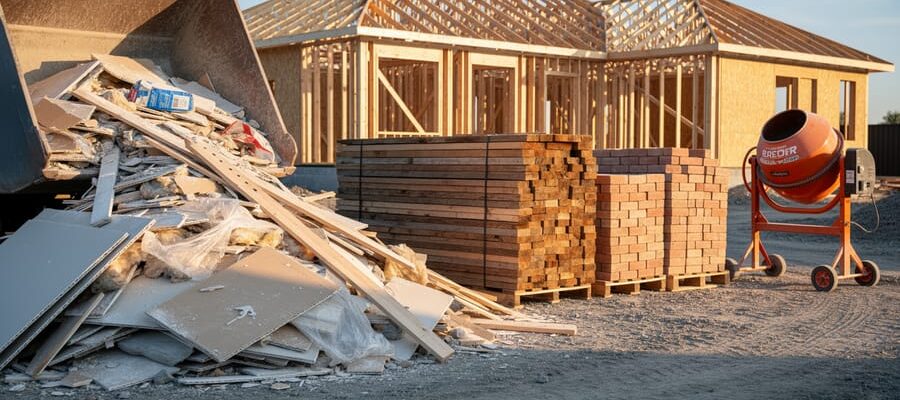
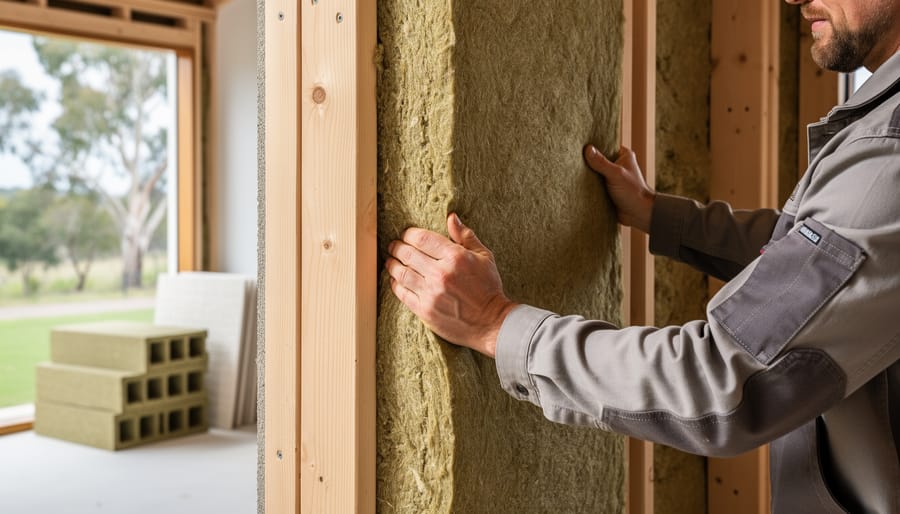
Traditional insulation materials like fibreglass and foam boards have dominated the construction industry for decades, but they come with hidden environmental costs—from energy-intensive manufacturing to non-biodegradable waste sitting in landfills for centuries. Sustainable insulation flips this script entirely. These emerging materials, including sheep’s wool, recycled denim, hempcrete, and mycelium-based products, deliver comparable thermal performance while drastically reducing carbon footprints and often improving indoor air quality.
The challenge isn’t whether sustainable insulation works—it does. The real questions facing DIYers and professional tradespeople are practical: Which green insulation options suit Australian climates? How do upfront costs compare to long-term savings? Can you install these materials with standard tools and techniques, or do they require specialized equipment?
This article cuts through the marketing hype to deliver straight answers. You’ll discover the actual R-values of eco-friendly alternatives, understand installation requirements for different applications, and get realistic cost breakdowns including material prices and labour considerations. Whether you’re planning a renovation, building new, or advising clients on sustainable upgrades, you’ll leave with actionable knowledge about which materials work, where they excel, and when traditional options might still make more sense. The future of insulation isn’t just greener—it’s already here and ready for real-world application.
What Makes Insulation ‘Sustainable’ (And Why Traditional Materials Fall Short)
Sustainable insulation means choosing materials that minimize environmental harm throughout their entire lifecycle, not just during use. This lifecycle approach examines four key stages: how the material is produced, how it’s installed, how well it performs over time, and what happens when it’s eventually removed or replaced.
When we talk about production, we’re looking at energy consumption, carbon emissions, and whether materials come from renewable or recycled sources. Installation considers toxicity to workers and homeowners, plus any special equipment needed. Performance means how long the insulation lasts and how effectively it reduces energy consumption. Finally, disposal addresses whether the material can be recycled, composted, or if it ends up in landfill for centuries.
Traditional insulation materials, while effective at their primary job, come with significant environmental baggage. Fiberglass insulation requires extremely high temperatures to manufacture, consuming massive amounts of energy. The process releases greenhouse gases, and the tiny glass fibers can irritate skin, eyes, and lungs during installation. While fiberglass contains some recycled content, it’s difficult to recycle at end-of-life and typically ends up in landfills.
Foam insulations like spray polyurethane and polystyrene boards present even bigger challenges. They’re petroleum-based products, relying on fossil fuels for raw materials. Many foam products contain chemical blowing agents that contribute to ozone depletion or global warming. Some spray foams release volatile organic compounds during installation, requiring professional application and extensive ventilation. When renovation time comes, these foams can’t be recycled and persist in landfills indefinitely.
Here’s how conventional and sustainable options compare:
Material Type | Energy to Produce | Recyclability | Indoor Air Quality | Lifespan
Traditional Fiberglass | High | Poor | Irritant during install | 15-25 years
Spray Foam | Very High | None | VOC concerns | 20-30 years
Sustainable Options (Sheep wool, cellulose, hemp) | Low to Moderate | Good to Excellent | Non-toxic | 20-60+ years
This is where sustainable building materials make a real difference. The emerging alternatives address these shortcomings while delivering comparable or superior insulation performance, making them increasingly practical choices for both DIY projects and professional installations.
The Green Insulation Materials Revolutionizing Building Projects
Sheep’s Wool: The Natural Performer
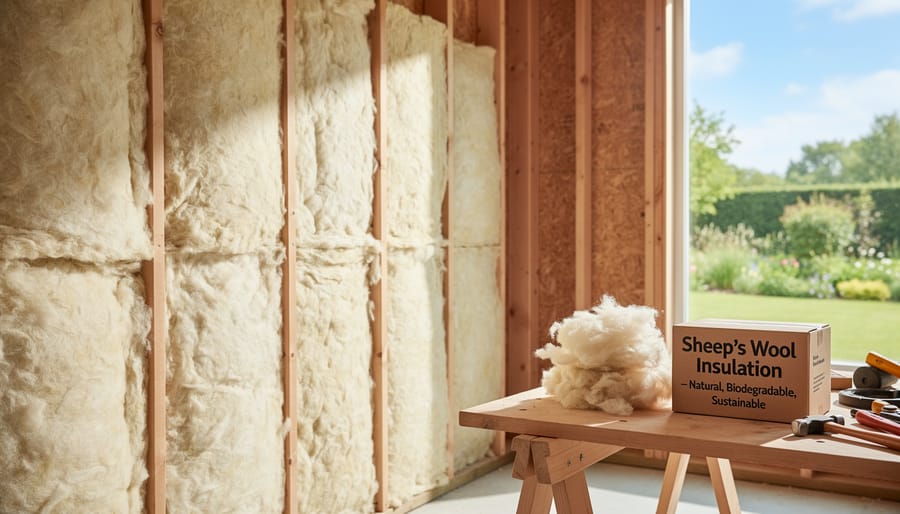
Sheep’s wool insulation might sound unconventional, but it’s gaining serious traction among builders and renovators who’ve tested its performance firsthand. This natural material offers an R-value of approximately 3.5 to 3.8 per inch, which puts it in competitive range with fiberglass batts. What sets wool apart is its ability to regulate moisture naturally, absorbing up to 35% of its weight in water vapor without losing insulating properties—a characteristic that prevents mold growth and maintains consistent thermal performance.
Installation is straightforward for anyone comfortable with standard batt insulation. Wool comes in flexible batts or loose-fill, cuts easily with standard tools, and doesn’t require protective gear beyond basic dust masks. The material is non-itchy and safe to handle, which DIYers consistently mention in community reviews as a major advantage over fiberglass.
The trade-off is cost. Expect to pay roughly twice the price of conventional fiberglass, typically ranging from $1.50 to $2.50 per square foot for R-13 batts. However, real-world data from European installations shows lifespan exceeding 60 years with minimal settling, which helps justify the upfront investment.
Best applications include wall cavities, attic spaces, and acoustic insulation where moisture management matters. Professional installers report particularly strong performance in bathrooms and kitchens where humidity fluctuates. Some users note wool’s natural fire resistance (it self-extinguishes) as an underrated safety benefit. While not the cheapest option, performance feedback from contractors and homeowners consistently ranks wool insulation highly for durability and comfort.
Recycled Denim and Cotton: Waste Turned Wonder Material
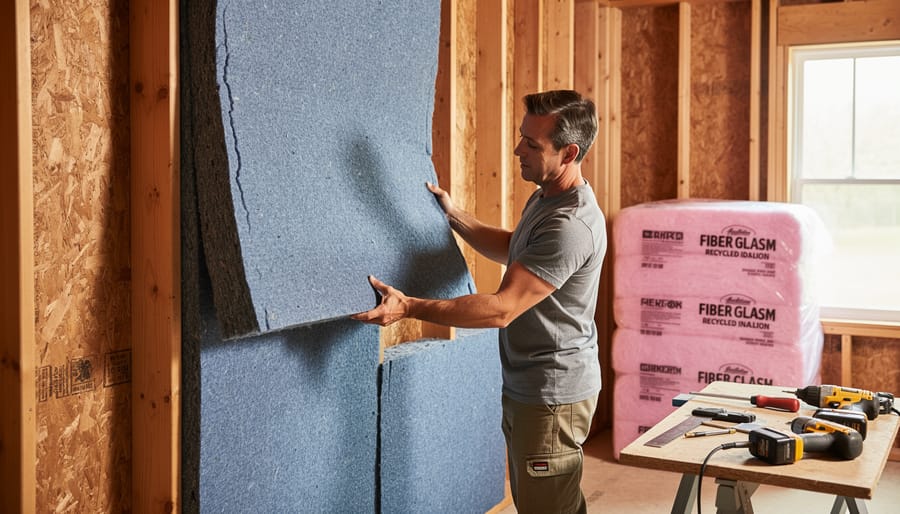
Old jeans and cotton T-shirts get a second life as effective home insulation through a surprisingly straightforward recycling process. Manufacturers collect post-consumer textiles, shred them into fibers, treat them with boric acid for fire and pest resistance, and compress the material into batts or loose-fill insulation. The result performs comparably to fiberglass with R-values between 3.4 and 3.7 per inch.
What makes recycled textile insulation particularly appealing for DIY installation is its safety profile. Unlike fiberglass, it won’t irritate your skin or lungs during handling. You can install it wearing regular work gloves and basic dust masks rather than full protective gear. Community reviews consistently highlight this comfort factor as a major advantage for weekend projects.
This material works best in attics, interior walls, and floor cavities where moisture isn’t a primary concern. While the boric acid treatment provides some moisture resistance, prolonged exposure to dampness can reduce effectiveness. Avoid using it in basements or crawl spaces without proper vapor barriers.
Installation follows standard batt insulation techniques. Cut pieces slightly larger than the cavity space, press them gently into place, and avoid compressing the material, which reduces its insulating value. The fibers grip cavity edges naturally, making it somewhat easier to work with than fiberglass for beginners.
Cost runs approximately 10-15 percent higher than traditional fiberglass, but many installers report the easier handling speeds up projects enough to offset the price difference. Check local building codes, as some jurisdictions have specific requirements for alternative insulation materials.
Mushroom-Based Mycelium: The Future Is Growing
Mushroom-based mycelium insulation might sound like science fiction, but it’s already available through companies like Ecovative Design and is making its way into residential and commercial applications. Here’s how it works: agricultural waste (like hemp stalks or corn husks) is combined with mycelium, the root structure of mushrooms. The mycelium grows around the waste material over several days, binding it together into custom-shaped insulation panels or blocks. The process is then stopped by heat treatment, creating a fire-resistant, fully biodegradable product.
What makes mycelium insulation stand out? It’s naturally fire-resistant without chemical treatments, offers comparable R-values to fiberglass (around R-3 to R-4 per inch), and can be grown to fit specific dimensions, reducing installation waste. Homeowners and contractors who’ve tested it report excellent sound-dampening properties as a bonus.
Current availability is limited primarily to larger orders and specific regions, with costs running higher than traditional options—expect to pay 20-30% more than standard foam boards. However, as production scales up over the next 3-5 years, industry experts predict prices will become competitive. The technology is advancing toward faster growth cycles and higher R-values, making it a genuinely promising option for eco-conscious builders willing to invest in cutting-edge materials.
Cork and Wood Fiber: European Success Stories Coming Stateside
Cork and wood fiber insulation have dominated European green building for decades, and they’re finally gaining traction in North America. Cork insulation, harvested from tree bark without cutting trees down, offers excellent moisture management because its natural cells resist water absorption while remaining breathable. This means walls can dry out naturally, reducing mold risk—a major advantage over foam products that trap moisture.
Wood fiber boards, made from compressed sawmill waste, deliver similar benefits with impressive thermal performance (R-3.5 to R-4 per inch). Both materials regulate humidity naturally, making them ideal for attics, wall cavities, and basement applications. Professional installers appreciate their dimensional stability—they don’t sag or settle like some cellulose products.
The catch? Sourcing remains challenging stateside. Most products ship from Portugal and Germany, adding costs and lead times. Expect to pay 20-30% more than fiberglass initially, though energy savings and durability offset this over time. Some U.S. manufacturers are starting production, which should improve availability.
Installation mirrors standard board insulation techniques—cut with a saw, friction-fit between studs, and seal edges. No special equipment needed, making these materials accessible for confident DIYers tackling whole-house retrofits. Always check local building codes, as some jurisdictions haven’t updated requirements to include these newer materials.
Hempcrete and Hemp Fiber: Carbon-Negative Building
Hempcrete stands out as one of the few building materials that actually removes carbon from the atmosphere. Hemp plants absorb CO2 as they grow, and when processed into hempcrete (a mixture of hemp hurds, lime binder, and water), that carbon stays locked in your walls for the building’s lifetime. A typical hempcrete wall can sequester approximately 110 kg of CO2 per cubic meter, making it carbon-negative even after accounting for processing and transportation.
Installation differs from traditional insulation methods. Hempcrete is typically cast into forms around a timber frame structure, similar to pouring concrete, though spray application is becoming available. It’s not load-bearing, so it requires structural framing. The material needs several weeks to cure and harden through carbonation. While DIY installation is possible for those comfortable with masonry-style work, many homeowners hire experienced installers for best results.
The regulatory landscape is evolving. Hempcrete now has building code acceptance in many regions, though local approval varies. Check with your building department before planning a project, as some areas still require special permits or engineering approval.
Availability has improved significantly over the past five years. Pre-mixed hempcrete blocks and bags are now accessible through specialty green building suppliers, though pricing remains higher than conventional insulation at roughly two to three times the cost per square foot.
Installation Reality Check: What You Need to Know Before Starting
Let’s be honest: sustainable insulation materials can challenge even experienced DIYers. Unlike fiberglass batts that you’ve probably handled before, materials like sheep’s wool, hemp, or cork require different techniques and sometimes specialized tools.
Most natural insulation materials fall into the intermediate skill category. If you’ve successfully completed drywall installation or basic framing work, you’re probably ready to tackle these projects. Complete beginners should start with smaller areas like crawl spaces or garden sheds before attempting whole-room installations.
Tool requirements vary significantly by material type. Rigid cork or wood fiber boards need standard carpentry tools: a circular saw with a fine-tooth blade, straightedge, measuring tape, and utility knife. However, you’ll want a dust mask rated N95 or higher, even though these materials produce less irritating dust than fiberglass. Loose-fill options like cellulose or hemp require a blowing machine, which most homeowners will need to rent rather than purchase. Expect rental costs between $50-150 per day depending on your location.
The biggest mistake we see in community feedback is underestimating moisture management. Sustainable insulation materials are generally more breathable than conventional options, which is beneficial, but improper vapor barrier installation can lead to condensation issues. Research the specific requirements for your climate zone before starting. Another common error is inadequate compression protection. Natural materials can settle or compress more than synthetic alternatives, so proper installation density matters enormously.
Installation speed also differs from conventional materials. Plan for 20-30 percent more time than comparable fiberglass projects, especially during your first installation. The materials often require more careful handling to maintain their integrity and thermal performance.
When should you call a professional? Definitely for spray-applied options like mycelium or certain cellulose applications that require specialized equipment. Also consider professional help for whole-house installations where air sealing integration becomes critical, or if your project involves complex roof geometries or cathedral ceilings where moisture management becomes particularly tricky.
Professional installation typically costs $1.50-3.50 per square foot for labor alone, depending on material type and project complexity. Many installers report that sustainable materials actually install faster once you master the techniques, offsetting the learning curve investment.
Check local building codes before purchasing materials. Some jurisdictions have specific requirements for natural insulation materials, particularly regarding fire ratings and moisture barriers. Your local building department can provide guidance, and many have become increasingly familiar with these materials as demand grows.
The True Cost Breakdown: Investment vs. Return
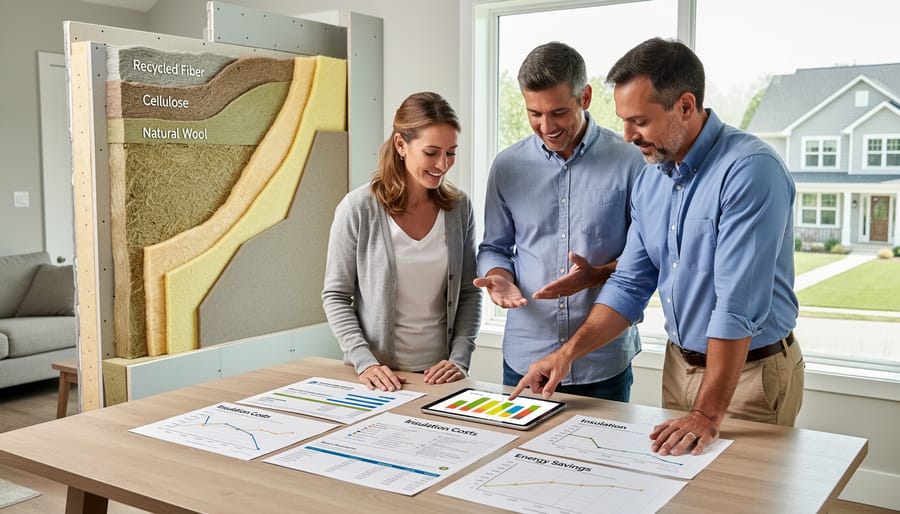
Let’s talk money. Sustainable insulation typically costs 10-50% more upfront than traditional fiberglass batts, but here’s what the numbers actually look like when you factor in long-term savings.
For a typical 150-square-meter home, traditional fiberglass insulation might cost $2,000-$3,000 for materials and installation. Cellulose insulation runs $2,500-$3,500, while sheep’s wool or hemp-based options could reach $4,000-$5,000 for the same coverage. The gap seems significant until you run the energy calculations.
Here’s a real-world example: A homeowner in a moderate climate zone upgrading attic insulation from R-2.5 to R-6.0 with sustainable materials could reduce heating and cooling costs by approximately $400-$600 annually. If the sustainable option cost an extra $1,500 compared to conventional insulation, your payback period sits at roughly 2.5-4 years. After that, it’s pure savings for the next 30-50 years of the material’s lifespan.
The math gets even better when you factor in available incentives. Many Australian states offer rebates through energy efficiency programs, potentially covering 20-40% of installation costs. Federal programs targeting zero energy buildings may provide additional support. Check your local council and state energy authority for current offerings.
Beyond direct energy savings, sustainable insulation often delivers hidden value. Better moisture management means reduced mold remediation costs. Superior air quality can lower health expenses. Some materials like cellulose provide enhanced soundproofing, adding comfort value that’s harder to quantify but genuinely impacts daily life.
Property value considerations matter too. As building standards tighten and buyer preferences shift toward sustainability, homes with eco-friendly features increasingly command premium prices. Recent surveys show energy-efficient homes sell 3-5% higher than comparable properties.
For DIYers, rental equipment costs remain similar regardless of material choice. A basic insulation blower rents for around $80-$120 per day whether you’re installing cellulose or fiberglass. The technique differences we’ve covered don’t significantly impact tool requirements or project timelines for most applications.
Bottom line: sustainable insulation requires patience for the initial payback period, but delivers measurable returns through energy savings, health benefits, and property value enhancement over its lifetime.
Where Green Insulation Works Best (And Where It Doesn’t)
Green insulation excels in specific applications but faces limitations in others. Understanding where these materials perform best helps you make informed decisions for your project.
Attics represent the ideal starting point for sustainable insulation. Blown-in cellulose works exceptionally well here, as professional installers can achieve consistent coverage around obstacles like joists and wiring. The space stays relatively dry, and cellulose’s settling characteristics matter less in horizontal applications. Sheep’s wool batts also perform admirably in attic spaces, particularly in climate zones with temperature fluctuations, since wool naturally regulates moisture.
Wall cavities present more challenges. Dense-pack cellulose works effectively in walls, but installation requires specialized equipment and expertise to prevent settling gaps. Cork panels and hemp batts suit wall applications in moderate climates, though professional installation ensures proper fitting around electrical boxes and plumbing penetrations.
Basement and below-grade applications require careful consideration. Most plant-based insulations struggle with persistent moisture exposure. While cork’s natural water resistance makes it suitable for basement walls, materials like cellulose and wool need vapor barriers and proper drainage systems. In flood-prone areas or consistently damp basements, closed-cell spray foam (even petroleum-based) might remain the most practical choice despite environmental trade-offs.
Climate zones significantly impact material selection. Hot, humid regions demand insulation that resists mold growth—making sheep’s wool and cork better choices than cellulose. Cold climates benefit from materials with higher R-values per inch, where hemp and dense-pack cellulose shine. Dry climates offer the most flexibility, as moisture concerns decrease.
Situations where conventional insulation still makes sense include areas with strict fire codes requiring specific ratings, extremely tight budgets where fiberglass remains cheapest, and applications requiring maximum R-value in minimal space. Integrating sustainable insulation with passive building design principles maximizes performance regardless of material choice.
The bottom line: assess your specific conditions—moisture levels, climate, budget, and building codes—before committing to any insulation material.
What’s Coming Next: Innovations to Watch in 2025 and Beyond
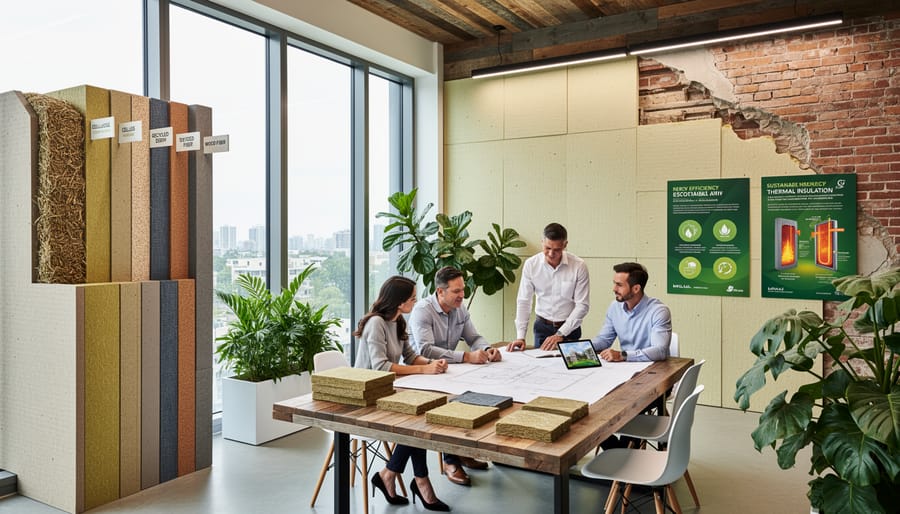
The sustainable insulation landscape is evolving rapidly, with several game-changing developments on the horizon that could reshape how we approach building projects.
One of the most exciting areas is bio-based insulation made from agricultural waste. Researchers are developing materials from rice husks, hemp hurds, and even mushroom mycelium that could offer comparable R-values to traditional products at competitive prices. By 2026, industry experts predict these materials will become more widely available through mainstream suppliers, making them accessible for both DIY projects and professional installations.
Smart insulation is another innovation worth watching. These materials can actively respond to temperature changes, automatically adjusting their thermal properties. While currently expensive, early adopters report energy savings of up to 30%, and costs are expected to drop significantly over the next three years.
Regulatory changes are also driving market shifts. Updated building codes in several Australian states will require higher thermal performance standards starting in 2025, effectively mandating better insulation in new construction and major renovations. These changes align with broader sustainability goals, including renewable energy integration strategies that maximize energy efficiency before adding solar or other generation systems.
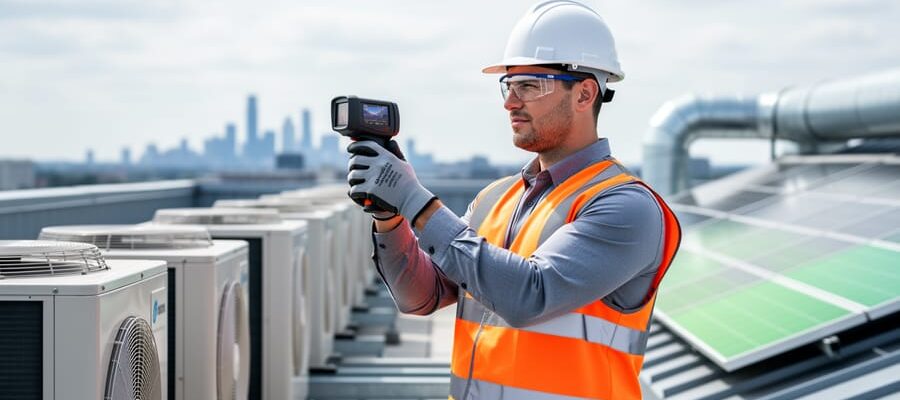
The rental market for specialized insulation installation equipment is expanding too. More suppliers now stock thermal imaging cameras, dense-pack machines for cellulose installation, and spray foam equipment, making professional-grade installations more accessible to DIYers.
What does this mean for your project? If you’re planning work in the next 12-18 months, traditional sustainable options like recycled materials remain your best bet. For projects further out, it’s worth monitoring these emerging technologies as they become commercially viable and potentially more cost-effective than current solutions.
Ready to make your insulation project more sustainable? Start by evaluating your specific needs: climate zone, R-value requirements (a measure of thermal resistance—higher numbers mean better insulation), and budget constraints. Create a shortlist of materials that match your project scope, then reach out to suppliers with these key questions: What certifications does the product carry? What’s the embodied carbon (total greenhouse gas emissions from manufacturing and transport)? Are installation tools available for rent locally? Does it require specialized safety equipment?
Here’s the single most important factor: thermal performance per environmental impact. The greenest material won’t help if it underperforms in your climate, leading to higher energy use over time. Balance sustainability credentials with long-term effectiveness.
Before you commit, check if your local tool rental center stocks the equipment you’ll need for installation—this can significantly reduce project costs and waste.
We’d love to hear from you! Have you tackled a sustainable insulation project? What challenges did you face? Which materials performed best in your experience? Share your story in the comments below to help fellow DIYers and professionals make informed decisions. Your real-world insights make our community stronger.
Related Posts

Post a Comment