
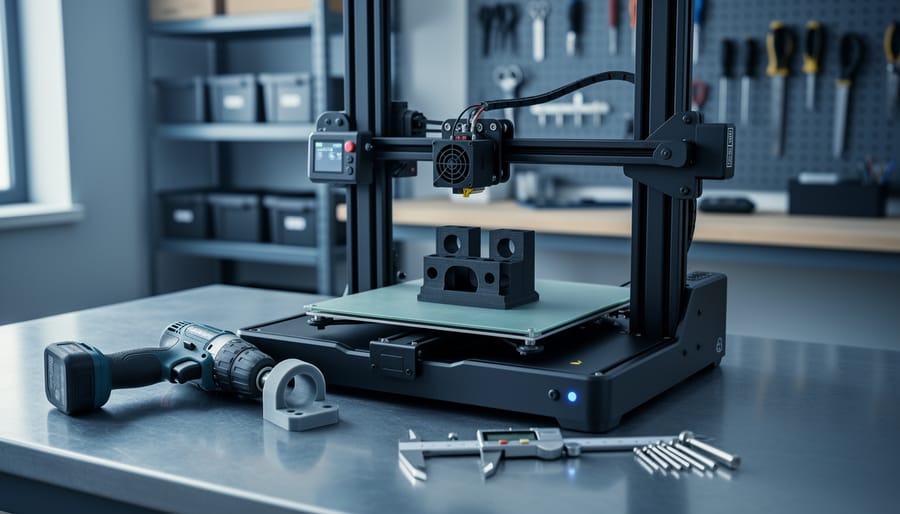
Additive manufacturing tooling—commonly known as 3D printing for industrial tools—is revolutionizing how professionals and DIY enthusiasts access, customize, and optimize their equipment. This technology builds tools layer by layer from digital designs, enabling on-demand production of everything from specialized drill guides and jigs to custom wrench adapters and replacement parts that would traditionally require expensive machining or long wait times for delivery.
The impact on tool rental and purchase decisions is substantial. Rental centers now produce custom attachments and fixtures that expand the versatility of standard equipment, while manufacturers create lighter, stronger tools with complex internal geometries impossible to achieve through conventional methods. For tradespeople, this means access to task-specific solutions without investing in rarely-used specialty tools. Homeowners benefit from affordable custom solutions for unique projects that previously would have required professional assistance or creative workarounds.
Understanding this technology matters because it’s shifting from industrial applications to practical, everyday tool use. Just as innovative tool training technologies are changing skill development, additive manufacturing is democratizing tool access and customization. The key questions facing users today involve knowing when 3D-printed tooling matches or exceeds traditional alternatives, understanding durability trade-offs, and recognizing which applications truly benefit from this technology versus situations where conventional tools remain superior. This guide cuts through the hype to deliver practical insights for making informed decisions about renting, buying, or utilizing additively manufactured tools.
What Is Additive Manufacturing Tooling? (The Basics You Need to Know)
If you’ve ever watched a 3D printer create an object layer by layer, you’ve witnessed additive manufacturing in action. But what does this technology have to do with the tools you use for home repairs or professional jobs?
Let’s break down the basics. Additive manufacturing is the technical term for 3D printing—a process that builds objects by adding material layer upon layer, rather than cutting away from a solid block. Think of it like building a wall with bricks, adding one row at a time until you’ve created the full structure.
Traditional tooling refers to the molds, jigs, fixtures, and other equipment used to manufacture or shape parts. Historically, these tools were made through subtractive manufacturing—drilling, cutting, or machining metal or plastic until you achieve the desired shape. This process works well but can be time-consuming and wasteful, especially for complex designs.
Additive manufacturing tooling combines these concepts. It means using 3D printing to create the tools themselves—whether that’s a custom wrench, a specialized jig for cutting angles, or a replacement part for your power drill. Instead of ordering a part and waiting weeks, or machining it from scratch, you can print exactly what you need.
Here’s a practical example: imagine you need a specific angle guide for your circular saw to make repeated cuts on a deck project. Traditionally, you’d buy a commercial guide or fabricate one from wood or metal. With additive manufacturing, someone can design that guide digitally and print it in durable plastic within hours.
The key difference is this: traditional methods remove material to create shape, while additive manufacturing adds material precisely where needed. This shift opens new possibilities for customization, rapid prototyping, and on-demand production—all factors increasingly relevant whether you’re renting tools for a weekend project or stocking your professional workshop.
Why Tool Makers Are Switching to 3D Printing
Faster Development Means Better Tools, Sooner
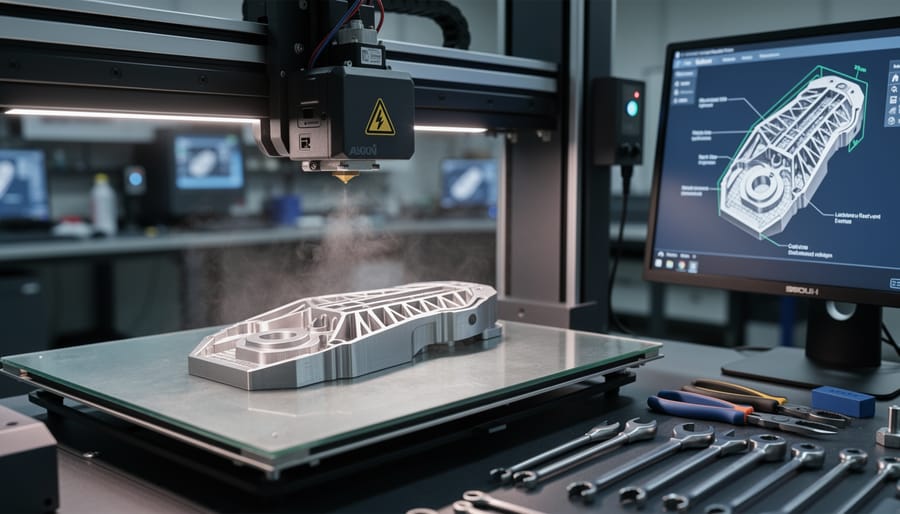
Traditional tooling development can take months or even years from initial concept to market availability. Additive manufacturing dramatically compresses this timeline, getting innovative tools into your hands much faster. Instead of waiting for expensive molds to be machined and production lines to be set up, manufacturers can now design a tool prototype on Monday and have it printed and tested by Friday.
This speed matters for everyone from weekend DIYers to seasoned professionals. When a manufacturer identifies a common problem—say, a specialty wrench that reaches awkward angles in modern appliances—they can rapidly iterate through multiple design versions. Each prototype gets tested, refined, and reprinted within days rather than months. This means solutions arrive at rental shops and retail shelves while they’re still relevant to current needs.
The connection between advanced manufacturing technologies and faster tool availability also benefits you directly. Rental operations can stock specialized tools for niche projects without massive upfront investment, since small production runs become economically viable. If customer feedback reveals a design flaw, manufacturers can quickly release improved versions. This responsive development cycle creates a feedback loop where user reviews and real-world testing directly shape better tools, faster.
Custom Tools That Actually Fit Your Job
One of the most exciting developments in digital innovation in tools is the ability to create custom components that actually match your specific job requirements. Previously, if you needed a specialized attachment or unique tool configuration, you faced expensive custom machining or simply made do with whatever was available off the shelf. Additive manufacturing changes this equation entirely.
With 3D printing, manufacturers can now produce tool components tailored to niche applications without the massive setup costs traditional manufacturing requires. This means you might find drill guide attachments designed for exact spacing requirements, custom jigs for repetitive cuts at specific angles, or ergonomic handle modifications that fit your hand size and grip preference.
For professional tradespeople, this translates to productivity gains. A custom sanding block that perfectly matches a curved surface profile, or a specialty clamp designed for awkward corners, can save hours on a single job. DIY enthusiasts benefit too, accessing tool accessories that previously only existed in professional workshops.
The rental market is beginning to reflect this shift. Some forward-thinking tool libraries now stock 3D-printed accessories alongside traditional equipment, often developed based on customer feedback and real-world job challenges. While these custom components still represent a small fraction of available tools, they demonstrate how manufacturing flexibility can address gaps that mass production overlooks. As the technology matures and becomes more affordable, expect increasingly personalized solutions that genuinely fit the work you do, rather than forcing you to adapt your methods to standard tools.
Real-World Examples: 3D Printed Tools You Might Already Be Using
Jigs, Fixtures, and Workshop Aids
3D printing has revolutionized the creation of jigs, fixtures, and workshop aids—tools that help you position, hold, or guide your work for better accuracy and safety. These custom-made accessories are among the most practical applications of additive manufacturing for everyday users.
Jigs are guides that control the movement or position of your tools. Think drill guides that ensure perfectly perpendicular holes, or sawing templates for repeated cuts. Fixtures hold workpieces securely in place during operations like sanding, gluing, or assembly. Workshop aids include everything from custom tool organizers and cord management systems to measuring templates and part sorters.
The beauty of 3D printing these items is customization. Instead of adapting your project to fit generic accessories, you can design or download jigs perfectly sized for your specific task. Community platforms offer thousands of free designs created by fellow makers who’ve solved common workshop challenges.
Users report significant time savings, especially for repetitive tasks. A custom drilling jig might take two hours to print but save you from measuring and marking dozens of identical holes. The investment pays off quickly for professional tradespeople handling similar projects regularly.
Consider material strength when selecting printed jigs—some applications require more durable plastics or reinforced designs to withstand repeated use and pressure.
Replacement Parts and Upgrades
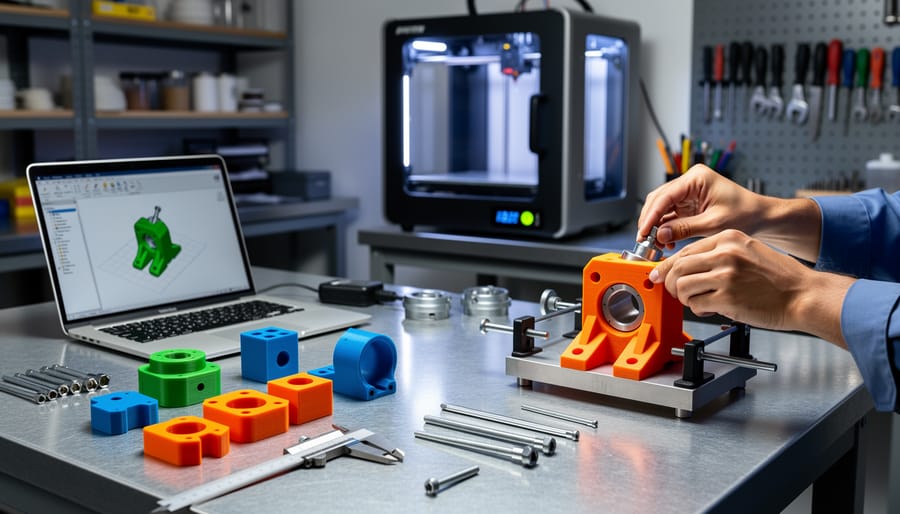
One of the most practical benefits of additive manufacturing in tooling is the ability to create replacement parts on demand. When a critical component breaks on an older tool that’s no longer in production, traditional manufacturing methods often make replacement parts unavailable or prohibitively expensive. With 3D printing, manufacturers and even skilled users can produce these parts as needed, extending the lifespan of quality tools that might otherwise end up in landfills.
This technology is particularly valuable for upgrading existing tools with improved components. Users have shared experiences of printing ergonomic handle grips, customized depth gauges, and protective guards that better suit their specific needs. These modifications don’t require expensive retooling or minimum order quantities—you can create a single improved part whenever you need it.
For rental businesses, this means keeping older but reliable equipment in rotation longer, potentially reducing costs that get passed to customers. The community-driven aspect is notable here: makers and professionals are sharing digital files for common replacement parts and upgrades online, creating a collaborative resource library. However, it’s important to understand that not all parts are suitable for 3D printing—load-bearing components and parts exposed to extreme heat typically still require traditional manufacturing methods for safety and durability.
Specialized Attachments for Unique Jobs
3D printing has enabled remarkable custom solutions for job site challenges. Take specialty drill guides, for instance—contractors have designed and printed angled attachments that fit standard drills to reach tight spaces behind pipes or in cramped cabinets where traditional drilling is impossible. One professional shared how a printed adapter allowed his standard impact driver to work with vintage screws on a restoration project, saving hours of hand-driving.
Dust collection adapters represent another popular application. Users have created custom fittings that connect shop vacuums to tools with non-standard ports, keeping worksites cleaner and improving visibility during cutting operations. For painters, 3D-printed brush holders and paint can grips reduce hand fatigue during extended jobs.
The community-driven nature of these innovations means solutions get refined quickly. A landscaper’s custom level mount for fence posts gained attention online, leading to improved versions from other users. This collaborative problem-solving demonstrates how additive manufacturing puts tooling customization directly in the hands of those who understand job site needs best.
What This Means for Tool Rental and Purchase Decisions
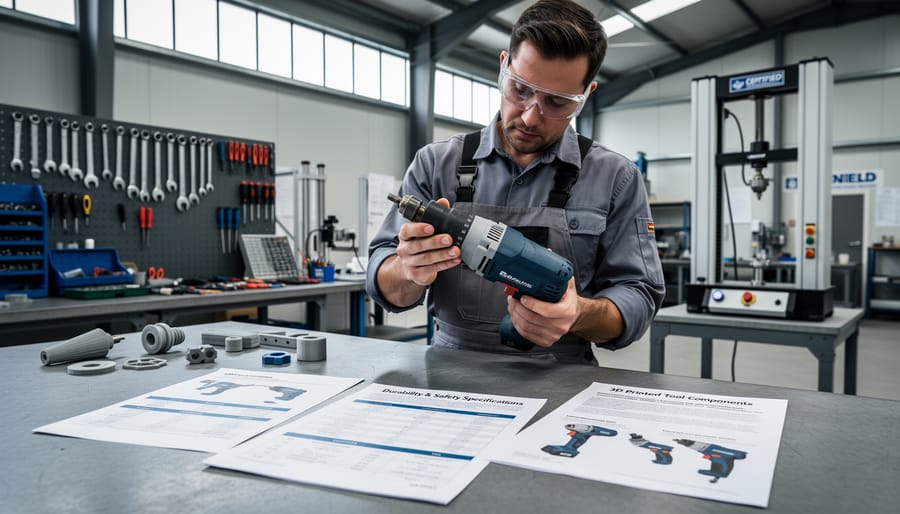
Questions to Ask Before Renting 3D Printed Tool Components
Before committing to renting 3D printed tool components, you’ll want to ask several key questions to ensure you’re getting safe, reliable equipment that fits your needs.
Start with material specifications. Ask what type of polymer or composite material was used in the printing process. Different materials offer varying levels of strength, heat resistance, and chemical compatibility. Request documentation showing the material properties and how they compare to traditionally manufactured alternatives.
Safety certifications matter significantly. Inquire whether the 3D printed components have undergone any third-party testing or meet industry safety standards. While additive manufacturing is advancing rapidly, not all printed parts carry the same certifications as conventional tools. Ask specifically about load ratings, stress testing results, and failure mode documentation.
Understanding the intended application is crucial. These components work exceptionally well for certain tasks but may not be suitable for high-stress or safety-critical applications. Ask the rental provider which jobs are appropriate and which should be avoided. Request information about the component’s usage history—how many rental cycles has it completed, and what kind of wear patterns typically develop?
Don’t hesitate to ask about the rental company’s inspection process. How frequently are 3D printed components examined for degradation, stress fractures, or deformation? What’s their replacement policy if issues arise mid-rental?
Finally, check user reviews from other renters. Community feedback can reveal real-world performance issues or unexpected benefits that specifications alone won’t show. Ask whether other customers have successfully used these components for projects similar to yours.
The Future of On-Demand Tool Accessories
Forward-thinking rental centers are already exploring on-demand 3D printing services to create custom tool accessories tailored to specific jobs. This means you might soon walk into your local rental shop and request a specialized drill guide, custom wrench adapter, or ergonomic handle extension printed while you wait or ready for pickup within hours.
This shift builds on the same technological foundation as smart tool technologies, where data and innovation meet practical job site needs. Early adopters are offering catalogs of downloadable designs that customers can customize based on their project requirements—adjusting sizes, angles, or attachment points through simple online interfaces.
Expect rental centers to start small, focusing on high-demand accessories like dust collection adapters, blade guards for specific materials, or project-specific jigs. Community feedback will likely drive which accessories become permanent offerings versus one-off custom requests. Some centers are already testing customer design submission programs, where tradespeople share their proven accessory designs in exchange for rental credits, creating collaborative libraries of practical solutions. This democratization of tool customization means the accessories you need tomorrow might be designed by someone who faced the same challenge yesterday.
Limitations and Safety Considerations You Should Know
While additive manufacturing offers exciting possibilities for tooling, it’s important to understand its current limitations before making decisions about whether to buy, rent, or rely on traditionally manufactured tools.
Strength and durability remain primary concerns. 3D-printed tools typically can’t match the strength of forged or machined metal tools, particularly under high-stress applications. A traditional wrench or hammer will almost always outperform its printed equivalent when dealing with stuck bolts or heavy-duty tasks. The layer-by-layer construction process can create weak points where printed layers meet, making tools vulnerable to breaking under sudden impact or sustained pressure.
Material restrictions also limit what’s currently practical. While metal 3D printing exists, most affordable additive manufacturing uses plastics like PLA or ABS. These materials work well for jigs, fixtures, and low-stress applications but aren’t suitable for tools that encounter heat, chemicals, or significant mechanical stress. For professional tradespeople working in demanding environments, traditionally manufactured tools remain the safer, more reliable choice for primary equipment.
Temperature sensitivity is another consideration. Many 3D-printed plastics soften or deform when exposed to heat, making them unsuitable for automotive work, welding environments, or outdoor use in hot climates. Always check the material specifications and intended use before trusting a printed tool in your workflow.
Safety should guide your decisions. Never use 3D-printed tools for critical safety applications like lifting, fall protection, or electrical work unless they’re specifically engineered and certified for that purpose. Inspect printed tools regularly for cracks, layer separation, or deformation. When tool failure could result in injury or property damage, stick with professionally manufactured options.
The best approach often combines both technologies. Use additive manufacturing for custom holders, organizers, specialized jigs, and one-off solutions while relying on traditional tools for heavy-duty, safety-critical, and high-stress applications. Understanding these boundaries helps you make informed choices that balance innovation with practicality and safety.
What’s Coming Next: The Future of Tool Innovation
The future of additive manufacturing in the tool industry looks remarkably promising, with several exciting developments on the horizon that could transform how you access and use tools.
Material science is advancing rapidly, with researchers developing stronger, more heat-resistant materials specifically for tool applications. These next-generation materials will enable 3D-printed components to withstand higher stress levels and longer operational lifespans, making them suitable for even more demanding professional applications.
Hybrid manufacturing approaches are gaining traction, combining traditional manufacturing methods with additive techniques. This means future tools might feature 3D-printed housings with traditionally manufactured internal components, giving you the best of both worlds: customization and proven reliability.
For the rental market, these emerging tool technologies could significantly impact accessibility and affordability. As production costs decrease and printing speeds improve, rental centers may offer more specialized tools that were previously too expensive to stock. You might soon request custom tool configurations or accessories that can be printed on-demand at your local rental center.
Digital tool libraries are another exciting possibility. Rather than storing physical inventory, rental centers could maintain digital files of less-common tool parts and accessories, printing them as needed. This approach reduces storage costs and environmental impact while expanding the range of available options.
The community aspect is also evolving, with user-designed improvements and modifications being shared digitally. Your feedback on tool performance could directly influence the next design iteration, creating a truly collaborative innovation cycle.
Additive manufacturing is transforming how we think about tooling, but it’s important to keep perspective on what this technology really means for DIYers and professionals alike. The key takeaway is simple: 3D printing isn’t here to replace your trusted hammers, wrenches, or power tools. Instead, it’s opening new doors for innovation, customization, and accessibility that complement traditional tooling methods.
For home enthusiasts tackling weekend projects, additive manufacturing means access to specialized jigs, fixtures, and custom tool attachments that would have been prohibitively expensive or simply unavailable just a few years ago. Whether you’re creating a custom drill guide for repetitive holes or printing replacement parts for older tools, this technology puts problem-solving capabilities directly in your hands.
Professional tradespeople can leverage these advances for rapid prototyping of tool modifications, creating job-specific accessories, and reducing downtime when specialty components are needed. The ability to iterate designs quickly means finding the perfect solution without waiting weeks for custom machining.
However, understanding the limitations is equally important. Additively manufactured tools work best for low-stress applications, prototyping, and situations where customization outweighs raw strength requirements. Traditional manufacturing still dominates when you need maximum durability, precision tolerances, or tools that withstand heavy daily use.
The future of tooling isn’t either-or but rather both-and. By embracing additive manufacturing as a powerful complement to conventional tools, both DIYers and professionals can work smarter, solve problems creatively, and access solutions previously out of reach.
Related Posts

Post a Comment