
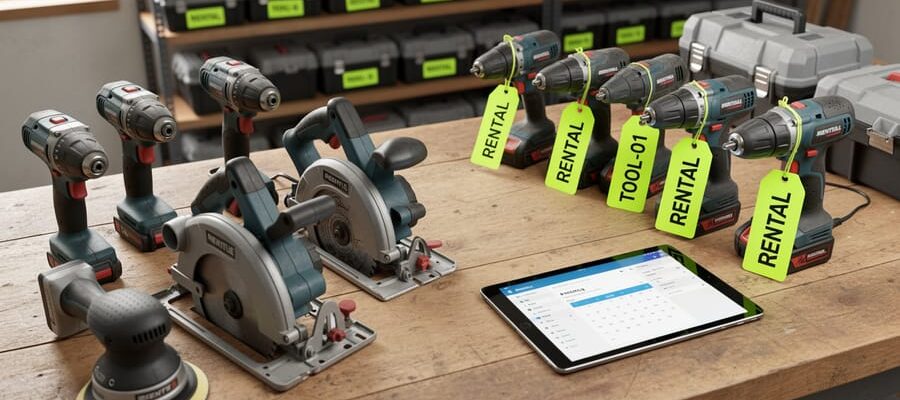
Tool crib vending machines are transforming how construction sites, manufacturing facilities, and workshops manage their equipment—and the numbers tell a compelling story. Companies report reducing tool loss by up to 75%, cutting replacement costs by thousands monthly, and eliminating the labor hours traditionally spent tracking who borrowed what.
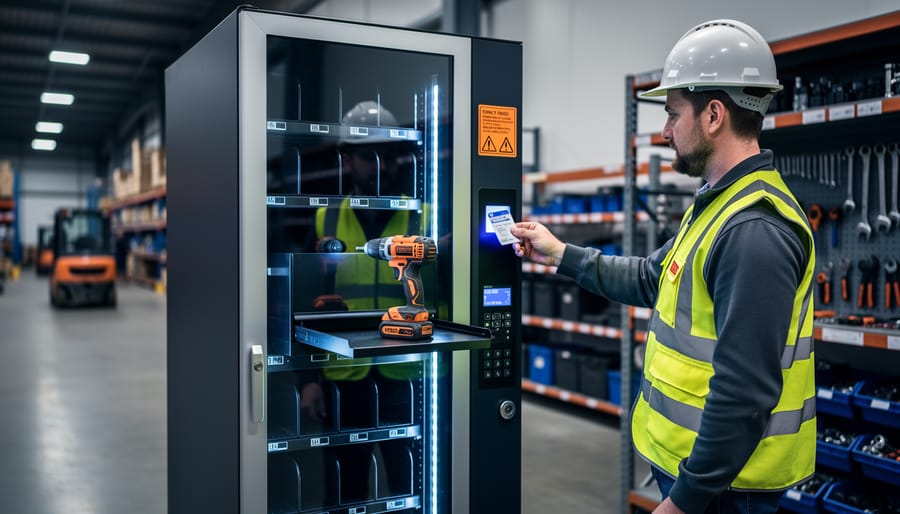
These automated dispensing systems work like sophisticated vending machines for your workspace. Workers scan their badge, select the tool they need from a digital inventory, and the machine dispenses it while automatically recording the transaction. When they return it, the system logs it back in. No paperwork, no waiting for a tool crib attendant, and complete accountability for every item.
The real breakthrough is not just dispensing tools—it’s the data. Modern tool crib vending systems track usage patterns, identify missing items immediately, trigger automatic reordering when stock runs low, and generate reports showing exactly where your tool budget goes. This visibility alone often pays for the system within the first year.
Traditional tool cribs require dedicated staff, operate only during business hours, and rely on manual logs that are frequently incomplete or inaccurate. Tool vending operates 24/7 without supervision, captures every transaction digitally, and scales efficiently as your operation grows. The initial investment typically ranges from $5,000 to $50,000 depending on size and features, but facilities consistently report ROI within 12-18 months through reduced theft, improved productivity, and lower replacement costs.
What Is Tool Crib Vending? (The Basics Explained)
Think of a snack vending machine, but instead of chips and candy, it dispenses power drills, safety gear, cutting blades, and other essential tools. That’s the basic concept behind tool crib vending.
A tool crib is a centralized storage area where tools, equipment, and supplies are kept. Traditionally, someone would physically manage this space, checking tools in and out manually. Tool crib vending takes this concept and automates it through secure, self-service dispensing machines. These systems have become increasingly popular as part of the share economy, where access matters more than ownership.
Here’s how they work in practice. Workers scan an ID card, enter a PIN, or use biometric identification at a touchscreen interface. They select the tool they need from the digital inventory display. The machine then unlocks the specific compartment or drawer containing that tool, dispensing it just like a vending machine would release a soda. When the worker finishes using the tool, they return it to the designated slot.
The real power lies in what happens behind the scenes. These systems include automated dispensing technology that tracks every transaction. This means accountability tracking records who took what tool, when they took it, and when they returned it. If a tool goes missing or needs maintenance, managers know exactly where to look and who last used it.
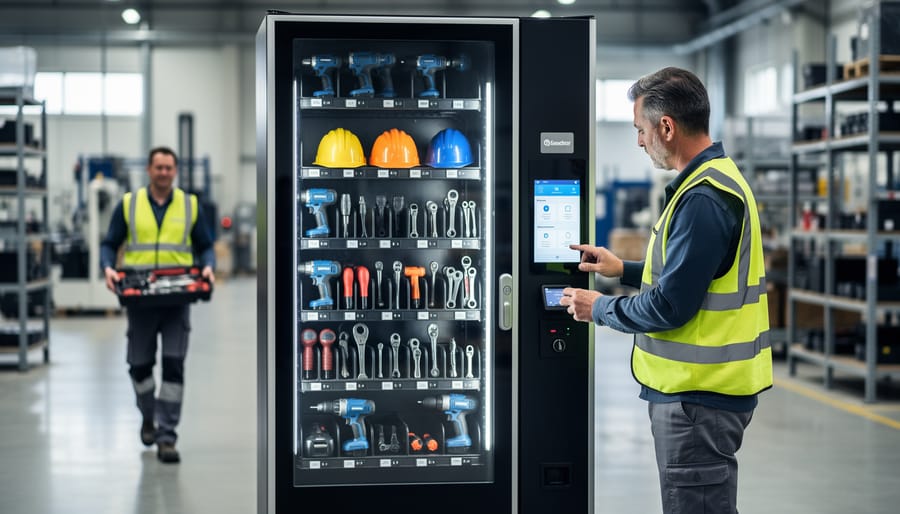
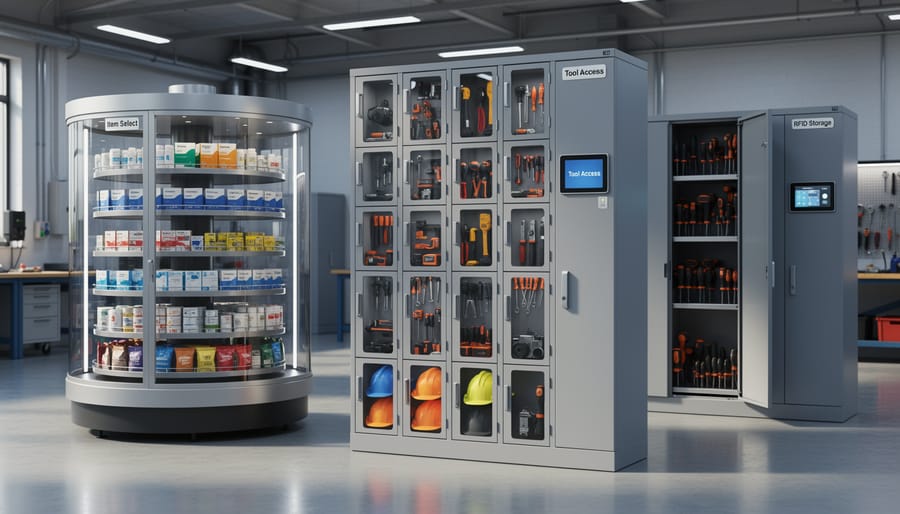
Tool crib vending systems come in various sizes and configurations. Some resemble tall lockers with multiple compartments for small hand tools and safety equipment. Others feature carousel systems or industrial cabinets designed for larger power tools and equipment. Many include climate control for sensitive items and secure locking mechanisms to prevent unauthorized access.
The technology integrates with inventory management software, providing real-time data about tool usage patterns, maintenance schedules, and stock levels. This eliminates guesswork and reduces the administrative burden that comes with traditional tool management methods.
The Real Cost of Poor Tool Management
Where Your Tools Actually Go
Before investing in any tracking system, it’s worth understanding where your tools actually disappear to. The reality might surprise you—outright theft accounts for only a portion of missing inventory.
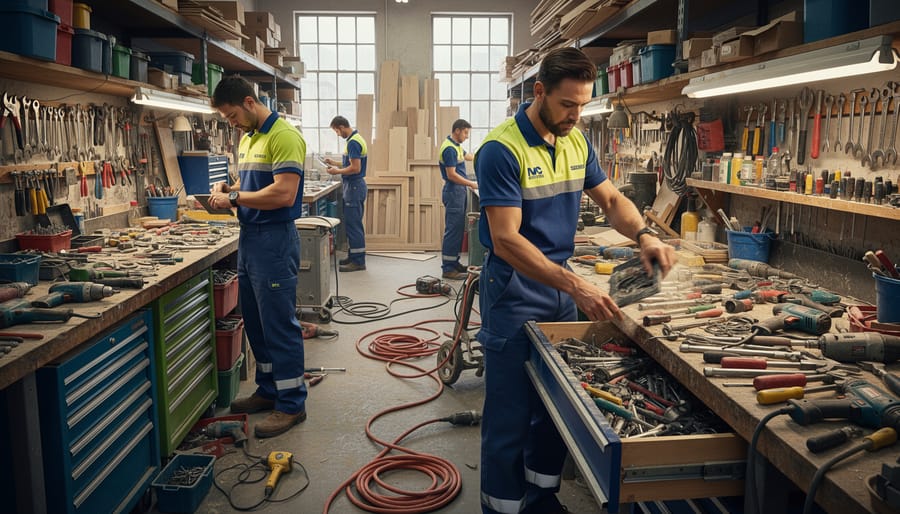
The biggest culprit? Honest forgetfulness. Workers move between jobsites, toss a drill in their personal truck bed, or stash a specialty wrench in a locker “for next time.” Without a formal checkout process, there’s no reminder to return it. These tools aren’t stolen—they’re just scattered across two dozen locations.
Then there’s the accountability gap. When anyone can grab any tool without signing for it, there’s zero incentive to bring it back promptly. A worker finishing a project Friday afternoon might think, “I’ll return this Monday,” then forget entirely. Multiply that by dozens of employees and hundreds of tools, and you’ve got a management nightmare.
Actual theft does happen, especially with high-value equipment. Jobsites are notoriously open environments, and even secured facilities have countless visitors—subcontractors, delivery drivers, inspectors. Without knowing who took what and when, recovery is nearly impossible.
The common thread? Lack of visibility. You can’t manage what you can’t track, which is exactly the problem tool crib vending systems solve.
The Time Drain Nobody Talks About
Here’s the reality most facilities don’t track: the average tradesperson spends 15-30 minutes per shift just looking for tools. That’s roughly two hours per week, per worker, gone before any actual work begins.
In traditional tool cribs and equipment rental operations, the time drain happens in layers. First, workers walk to the tool crib only to find it closed during lunch breaks or shift changes. Then they wait in line behind three other people checking out equipment. If the tool they need isn’t available, nobody knows who has it or when it’s coming back, so they either wait around or return multiple times throughout the day.
The paperwork adds another frustration. Manual checkout systems mean filling out forms, getting supervisor signatures, and repeating this process every single time you need something. One manufacturing facility documented their checkout process taking an average of 8 minutes per transaction. Multiply that across dozens of daily checkouts, and you’re looking at hours of productive time lost.
The worst part? Tool hoarding becomes the logical response. When workers know getting tools is difficult, they start keeping extras in their lockers or trucks, just to avoid the hassle tomorrow. This creates a cycle where tools become even harder to find, driving more workers to hoard them.
For supervisors, add time spent tracking down missing tools, mediating disputes over who took what, and manually updating inventory spreadsheets. It’s a hidden productivity killer that affects everyone.
How Automated Tool Vending Systems Actually Work
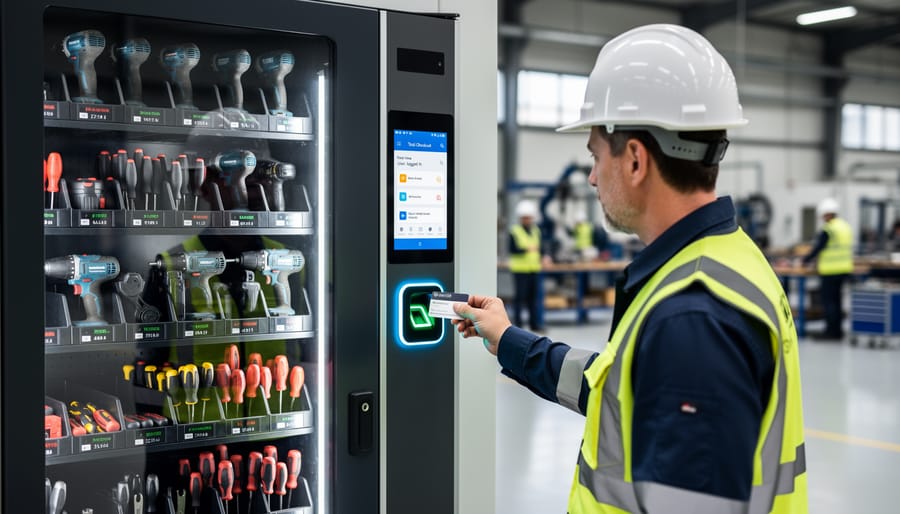
The User Experience: Check Out to Return
Using a tool crib vending machine is remarkably straightforward, designed for speed and simplicity even during hectic workdays. Here’s what a typical transaction looks like from start to finish.
When you approach the machine, you’ll authenticate yourself—usually with an employee ID card, PIN code, or biometric scan like a fingerprint. This takes seconds and immediately logs you into the system, displaying your name and account status on the touchscreen.
Next, you’ll browse available tools through the visual interface. Most systems show photographs of each item along with quantity available, size specifications, and location within the machine. Simply tap the tool you need—let’s say a cordless drill—and the system records your selection. If multiple sizes are available, you’ll confirm which one you want.
The machine then dispenses your tool automatically. A drawer opens, a door unlocks, or a carousel rotates to present your item. You grab it, and the door closes. The entire checkout process typically takes 30 to 45 seconds.
When you’re finished with the tool, returns are equally simple. Authenticate again, select the return option, and place the tool in the designated return compartment. The system scans it, verifies its condition through sensors, and automatically checks it back into inventory.
Compare this to manual systems where you’d wait for an attendant, fill out paperwork, and potentially deal with inventory discrepancies. The vending approach eliminates wait times, operates 24/7, and automatically maintains accurate records of who has what—all without disrupting your workflow or requiring staff intervention.
Behind the Scenes: Tracking and Accountability
At its core, a tool crib vending system works like a digital librarian that never forgets. When someone swipes their ID card or enters their credentials, the system instantly creates a timestamped record of exactly what they’re taking. This isn’t just about tracking tools—it’s about creating accountability without micromanaging your team.
The beauty lies in its simplicity. Each tool removal gets logged with the user’s name, employee ID, date, and time. Many systems also track when items are returned, calculating how long each tool was checked out. Think of it as an automatic paper trail that requires zero paperwork from your crew.
Behind the scenes, this data flows into reporting dashboards that supervisors can access from their computers or tablets. These reports reveal patterns you might never notice otherwise: which tools disappear most often, who’s consistently bringing items back late, or whether your crew needs additional equipment to avoid checkout bottlenecks.
The accountability factor works both ways. Workers appreciate knowing they won’t get blamed for tools that went missing before their shift, while managers gain clear visibility into inventory movement without hovering over the tool crib. Some systems even send automatic reminders when tools are overdue, eliminating awkward conversations about unreturned equipment.
Most importantly, these tracking features help identify problems early. If a particular drill hasn’t been returned in three weeks, you’ll know immediately rather than discovering it months later during inventory counts. This real-time visibility transforms tool management from reactive firefighting to proactive prevention.
Types of Tool Vending Machines (And Which One You Need)
Locker-Style Systems
Locker-style vending systems work like oversized versions of snack vending machines, featuring large compartments perfect for bulky equipment. Each locker door opens independently after user authentication, typically using an employee badge, PIN code, or biometric scanner. These systems excel at storing power tools, pneumatic equipment, safety gear, and other items too large for carousel or coil-style dispensers.
The main advantage is flexibility. You can configure compartments to fit different tool sizes, from compact drills to full-sized grinders or testing equipment. Many facilities appreciate that users can visually inspect tools before checkout, reducing disputes about pre-existing damage. The system automatically logs who took what and when, creating an audit trail that helps identify usage patterns and recover missing items.
These systems work best in construction yards, manufacturing facilities, and maintenance departments where crews need quick access to various sized equipment throughout their shifts. They’re particularly valuable when managing expensive tools that previously disappeared or required constant manual tracking. One consideration: locker systems need more floor space than vertical carousels, so measure your available area before committing. Users consistently report that the convenience factor significantly reduces time wasted hunting down tools or waiting for supervisors to unlock storage areas.
Carousel and Helix Systems
Carousel and helix systems work like automated vending machines for small parts and tools. Think of a carousel system as a rotating vertical cabinet—when you request an item, the entire unit spins to bring the correct shelf to the access window, similar to a dry cleaner’s clothing rack. Helix systems use those familiar spiral coils you see in snack machines, gently releasing items when dispensed.
These systems excel at maximizing storage density in tight spaces. A single carousel unit can store hundreds of items in just a few square feet of floor space by utilizing vertical height, making them perfect for workshops with limited square footage. The rotating design means you’re not wasting space on aisles or walkways—everything comes to you.
They’re particularly effective for frequently used consumables like drill bits, safety glasses, gloves, and fasteners. Each compartment can be configured for different sized items, and the system tracks every transaction automatically. Users simply scan their badge, select what they need on the touchscreen, and retrieve it from the dispensing window.
According to user feedback, these systems significantly reduce the time spent hunting for small parts and virtually eliminate the frustration of discovering empty bins when you need something urgently.
Smart Cabinet Solutions
Smart cabinet solutions take a different approach to tool tracking—they monitor items without the mechanical dispensing systems found in traditional vending machines. These RFID-enabled cabinets use radio frequency identification technology to automatically detect which tools are removed or returned, creating a hands-free checkout experience.
Here’s how they work: Each tool gets tagged with a small RFID chip, and sensors inside the cabinet scan these tags continuously. When you open the door and grab a drill, the system instantly logs who took it and when, without requiring buttons, touchscreens, or complicated procedures. It’s like a self-checkout system that works in the background.
The main advantage is accessibility. Workers can quickly grab multiple tools at once during time-sensitive situations, and restocking is as simple as placing items back on shelves. There’s no waiting for mechanical arms or dealing with jammed dispensers. Many users appreciate the speed during busy shifts.
However, these systems depend entirely on user honesty. Since there’s no physical barrier preventing someone from taking an untagged tool or removing RFID tags, accountability relies on workplace culture and management oversight. They also require a larger upfront investment in RFID infrastructure and tags for your entire inventory. For shops with accountability concerns or high-value specialty tools, the lack of controlled dispensing might be a dealbreaker.
Real Benefits You’ll See Immediately
Stop Losing Money to Missing Tools
Tool loss isn’t just frustrating—it’s expensive. Traditional tool cribs can lose thousands of dollars annually to missing equipment, unreturned items, and unexplained disappearances. Vending machines tackle this head-on with built-in accountability features that make every transaction traceable.
Here’s how these systems reduce losses: Each user logs in with their unique ID badge or PIN before accessing tools. The machine automatically records who took what item and when. If something doesn’t come back, you know exactly who’s responsible—no more finger-pointing or team-wide penalties. Many systems also track usage patterns, helping you spot potential issues before they become costly problems.
The results speak for themselves. Most facilities report 40-70% reductions in tool loss within the first year. With industrial tools averaging $50-500 per item, those savings add up fast. Typical ROI timelines range from 12-18 months for mid-sized operations, sometimes faster for larger facilities with higher loss rates.
Beyond preventing theft, automated tracking eliminates the human error that causes “losses”—tools that were actually returned but not properly logged. Community feedback from current users consistently highlights this accountability as one of the most valuable features, transforming workplace culture around tool responsibility.
Get Your Time Back
One of the biggest wins with tool crib vending is getting your workday back. Think about how traditional tool checkouts work: you walk to the tool crib, wait for the attendant (who might be helping someone else), fill out paperwork, get your signature verified, and finally grab what you need. That’s easily 10-15 minutes per transaction, and if you need multiple tools throughout the day, those minutes add up fast.
With vending machines, access is instant. Swipe your card, select your tool, and you’re back to work in under 30 seconds. No lines, no paperwork, no waiting for someone to unlock a cage. For teams of 20-30 workers, this translates to hours of recovered productivity every single day.
The system also eliminates manual logkeeping. Everything tracks automatically, so supervisors don’t spend time reconciling handwritten logs or chasing down missing tools. One construction foreman we spoke with said his team reclaimed about 2 hours of administrative work per week after switching to automated vending. That’s time better spent on actual projects, not paperwork. For busy operations where every minute counts, this efficiency boost often justifies the investment on its own.
Always Know What You Have (And What You Need)
One of the biggest frustrations in any workshop or job site is not knowing what tools you actually have in stock until someone needs them. Tool crib vending systems solve this with real-time inventory tracking that tells you exactly what’s available, what’s checked out, and who has it at any given moment.
The system automatically logs every transaction, creating a detailed usage history for each tool. This data becomes incredibly valuable over time. You’ll quickly spot patterns like which tools disappear most often, which items rarely get used, and which team members consistently need specific equipment. Armed with this information, you can make smarter purchasing decisions instead of guessing what to buy next.
Many modern vending systems include automated reordering features. When stock drops below your preset threshold, the system alerts you or even triggers a purchase order automatically. No more emergency runs to the hardware store or discovering you’re out of drill bits mid-project.
The analytics dashboard shows usage trends across days, weeks, or months. You might discover that certain tools only see heavy use during specific seasons, helping you adjust inventory levels accordingly. This prevents both overstocking items that sit unused and running short on high-demand equipment.
For businesses, these insights directly increase your business’s revenue by reducing waste, preventing tool loss, and ensuring teams always have the right equipment available. Instead of managing inventory through spreadsheets and guesswork, you get accurate, actionable data that improves operations from day one.
Is Tool Crib Vending Right for Your Operation?
Signs You Need an Automated System
Wondering if it’s time to upgrade from your manual tool tracking system? Here are clear indicators that an automated tool crib vending solution could transform your operations:
Tool loss is eating your budget. If you’re regularly replacing missing equipment or can’t account for tools at shift changes, automation provides 24/7 accountability. Every withdrawal is tracked to a specific user with timestamps.
Multiple teams share the same equipment. When several crews, shifts, or contractors access your tool inventory, manual sign-out sheets become unreliable. Automated systems eliminate confusion and prevent disputes over who took what.
You manage high-value specialized equipment. Power tools, precision instruments, and expensive gear deserve better protection than an honor system. Vending machines restrict access to authorized users only.
Compliance documentation is mandatory. Industries requiring safety certifications, calibration records, or usage logs benefit enormously from automatic data capture. No more scrambling during audits.
Inventory counts consume excessive time. If your team spends hours weekly physically checking stock, automated systems provide real-time inventory visibility instantly.
Tool hoarding creates shortages. When workers stockpile equipment “just in case,” automated dispensing with return requirements ensures fair distribution across all users.
Many hiring businesses and workshop operators find these pain points familiar—if you’re experiencing three or more, automation deserves serious consideration.
When Simpler Solutions Work Better
Tool crib vending systems can be impressive, but they’re not always the right fit for every workspace. Before investing thousands of dollars, let’s talk about when a simpler approach makes more sense.
If your team is small—say, under ten people—a traditional locked toolbox or basic checkout sheet might be all you need. The overhead cost of a vending machine can be hard to justify when a supervisor can visually account for tools at a glance. One contractor we spoke with manages his five-person crew with a simple pegboard system and a clipboard. Total investment? Less than $200, and he knows exactly who has what at all times.
Home workshops and DIY enthusiasts rarely need automated tool tracking. If you’re the only person accessing your tools, you already have accountability built in. A well-organized wall-mounted storage system or rolling toolbox offers better value and flexibility without recurring software costs or maintenance concerns.
Likewise, workplaces with very low tool turnover don’t benefit much from vending automation. If your team checks out tools weekly rather than multiple times per shift, the time savings become negligible. A manual logbook might feel old-school, but it works reliably and costs almost nothing.
Consider your actual pain points honestly. Are you losing expensive tools frequently? Do you struggle with accountability across shifts? If not, resist the temptation to adopt technology for its own sake. Sometimes the best solution is the one that doesn’t require a monthly subscription, technical support, or employee training sessions.
Getting Started: What to Know Before You Buy
Calculating Your Budget and ROI
Understanding the financial side of tool crib vending systems helps you make smart equipment investment decisions. Let’s break down what you can expect to spend and how quickly you’ll see returns.
Basic standalone vending units typically range from $8,000 to $15,000, suitable for smaller workshops or sites with 10-30 workers. Mid-range systems with tracking software and multiple compartments run $15,000 to $35,000, ideal for medium operations. Enterprise solutions with full integration and multiple machines can exceed $50,000 but serve large facilities with hundreds of employees.
To calculate your payback period, start by identifying your current tool-related losses. Track these monthly expenses: replacement costs for lost or stolen tools, time employees spend searching for equipment (multiply hours by hourly wages), duplicate purchases because tools can’t be located, and administrative time managing inventory manually.
Add these figures to get your monthly loss total. If you’re losing $3,000 monthly and considering a $20,000 system, your payback period is roughly seven months. Most operations see payback within 6-18 months.
Don’t forget ongoing costs like consumable restocking, software subscriptions (typically $50-200 monthly), and occasional maintenance. However, these are usually offset by continued savings from reduced theft, improved accountability, and eliminated duplicate purchases.
Request quotes from multiple vendors and ask about financing options, which many offer to spread costs over time while you immediately benefit from reduced losses.
Making the Transition Smooth
Getting your team on board with a new tool crib vending system is just as important as choosing the right machine. Without proper buy-in and training, even the best system can fail.
Start by involving your team early in the decision-making process. Ask workers what frustrates them most about current tool access—whether it’s long wait times, missing tools, or unclear checkout procedures. When people see their concerns being addressed, they’re more likely to embrace the change. Share concrete benefits like reduced downtime, 24/7 access, and elimination of paperwork that directly impact their daily work.
Training doesn’t need to be complicated. Most modern vending systems are designed to be intuitive, similar to using an ATM. Schedule hands-on demonstrations where each person practices scanning their badge, selecting tools, and returning items. Create simple visual guides posted near the machine as quick references. Designate a few team members as go-to contacts who can help troubleshoot minor issues.
Accountability policies should be clear but reasonable. Establish straightforward rules about return deadlines, tool condition expectations, and consequences for lost items. Make sure everyone understands how the system tracks usage—transparency builds trust. Consider starting with a grace period where minor infractions receive warnings rather than penalties.
Regular check-ins during the first few weeks help identify problems before they become habits. Ask for feedback from actual users, not just supervisors. They’ll often spot issues or suggest improvements that management might miss. This community-driven approach ensures the system serves everyone effectively while maintaining proper tool control.
Common Mistakes to Avoid
Even with the best technology, tool crib vending systems can fail if you overlook these common pitfalls. Understanding what others have learned the hard way can save you significant time and money.
One frequent mistake is skipping the inventory audit before implementation. Many organizations rush to load their existing tools into a vending machine without verifying what they actually have or need. This leads to overstocking redundant items while critical tools remain unavailable. Take the time to conduct a thorough inventory assessment and track usage patterns for at least a month before making any purchases.
Another costly error involves inadequate user training. Simply installing a vending machine and expecting workers to figure it out creates frustration and resistance. Schedule hands-on training sessions where employees can practice the check-out process, understand accountability measures, and ask questions. According to user feedback from various facilities, operations with comprehensive training programs see adoption rates above 90 percent within the first month.
Poor machine placement also undermines success. Locating vending units too far from work areas or in poorly lit spaces reduces convenience and discourages use. Position machines where workers naturally travel during their shifts, ensuring adequate lighting and accessibility for all team members.
Many operations underestimate the importance of ongoing system maintenance. Vending machines require regular cleaning, restocking, and software updates. Assign specific personnel to monitor inventory levels daily and address technical issues promptly. Neglecting maintenance leads to stockouts, machine malfunctions, and eventual abandonment of the system.
Finally, organizations sometimes fail to customize access controls appropriately. Setting permissions too restrictively frustrates legitimate users, while being too permissive defeats accountability purposes. Work with your team to establish reasonable limits that balance control with operational efficiency, and remain flexible to adjust settings based on real-world usage patterns.
Tool crib vending systems represent a practical solution to some of the most persistent challenges in tool management—from mysterious disappearing tools to the time wasted tracking down equipment. Whether you’re running a bustling construction site, managing a maintenance facility, or overseeing a manufacturing workshop, these automated systems offer measurable benefits: reduced tool loss, better accountability, lower replacement costs, and more productive work hours.
But here’s the real question: Does your current tool management situation actually need this level of automation? Take a moment to honestly assess what’s happening in your workspace. Are you constantly reordering the same tools? Do workers spend significant time hunting for equipment? Is tool theft or loss eating into your budget? If you answered yes to any of these, it’s worth exploring your options.
The investment in a tool crib vending system isn’t right for everyone. Smaller operations might find simpler solutions work just fine, while larger facilities often see rapid returns on investment. The key is understanding your specific pain points and matching them to the right solution—whether that’s a full automated dispensing system, a basic lockable cabinet, or something in between.
Now we’d love to hear from you. Have you implemented tool vending in your facility? What challenges did you face, and what results did you see? Or maybe you’re still weighing your options and have questions about whether this approach fits your needs. Share your experiences, questions, and insights in the comments below—your real-world perspective helps others making similar decisions.
Related Posts


Post a Comment