
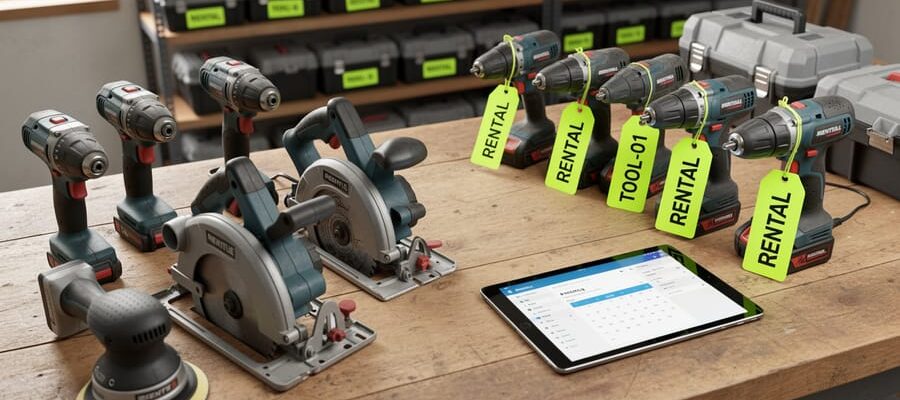
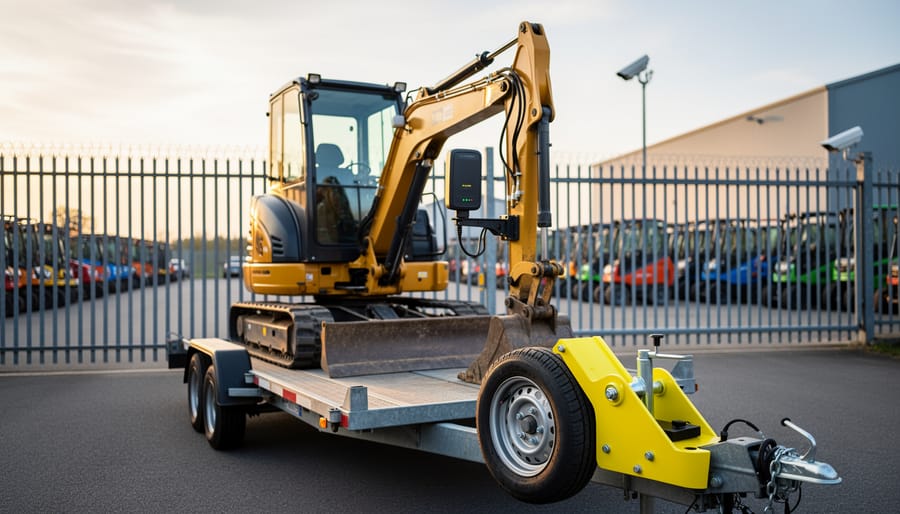
Implement a comprehensive asset tracking system using GPS technology and regular maintenance schedules to monitor equipment location, usage patterns, and condition in real-time. This allows you to identify high-risk equipment, prevent theft, and reduce mechanical failures before they result in costly downtime or customer injuries.
Establish clear rental agreements that define liability boundaries, damage assessment procedures, and insurance requirements for each equipment category. For hiring businesses, this documentation protects against disputes while ensuring customers understand their responsibilities when operating rented machinery.
Conduct thorough pre-rental inspections and provide mandatory safety briefings tailored to each tool or equipment type. Document these interactions with customer sign-offs, creating an evidence trail that demonstrates due diligence while reducing the likelihood of misuse that could damage your fleet or cause accidents.
Create tiered pricing structures that reflect actual risk levels based on equipment value, replacement costs, and historical damage data. Higher-risk items like excavators or aerial lifts warrant different insurance coverage and rental terms compared to basic hand tools, ensuring your business remains profitable while adequately protecting valuable assets.
Develop a systematic approach to customer vetting that includes licence verification for specialized equipment, reference checks for commercial clients, and security deposits scaled to equipment value. This screening process minimizes rental to high-risk customers who may mishandle equipment or default on damage payments, preserving both your fleet’s condition and cash flow.
What Fleet Risk Management Actually Means for Equipment Hire
The Core Components of Fleet Risk Management
Fleet risk management in the equipment hire industry rests on four fundamental pillars that work together to protect your business and customers.
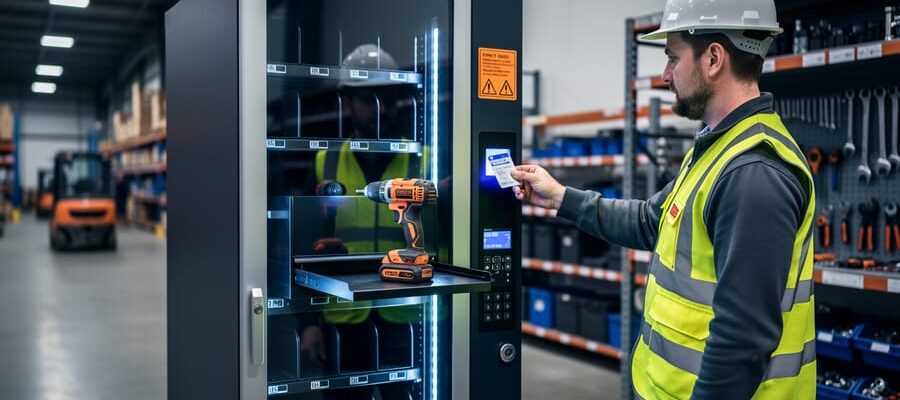
Asset tracking forms the foundation. Modern equipment rental yards use GPS systems, barcodes, and digital check-in/check-out processes to monitor where each piece of equipment is located at any given time. This visibility prevents loss, reduces theft, and ensures accountability throughout the rental cycle. Think of it as knowing exactly where your tools are, just like tracking a package delivery.
Maintenance scheduling keeps equipment safe and operational. Regular inspections, service records, and replacement schedules prevent breakdowns that could injure users or halt projects. A well-maintained fleet also reduces repair costs and extends equipment lifespan. This means creating a calendar system that tracks service intervals based on usage hours or dates, whichever comes first.
Operator safety encompasses training requirements, safety briefings, and clear operating instructions provided at handover. Many rental businesses now include demonstration videos or written guides with each rental to ensure customers understand proper usage and potential hazards.
Financial protection measures include comprehensive insurance coverage, damage waivers, and security deposits. These safeguards shield your business from catastrophic losses while providing transparent terms for customers. Combined with proper contracts that outline responsibilities, these components create a robust framework that minimizes risk while maintaining positive customer relationships.
Why Traditional Insurance Isn’t Enough
Basic equipment insurance covers theft and damage, but it’s just one piece of the puzzle when protecting a rental fleet. Think of it like having a smoke detector in your home but no fire extinguisher or emergency exit plan—you’ve got minimal coverage, not real protection.
Traditional insurance policies typically reimburse you after something goes wrong, but they don’t prevent problems or reduce ongoing operational costs. They won’t stop equipment from breaking down due to poor maintenance, help you identify which customers present higher risks, or teach your team proper handling procedures. What’s more, insurance premiums can skyrocket after multiple claims, eating into your profits.
Comprehensive fleet risk management takes a proactive approach. It combines insurance with preventive strategies like regular maintenance schedules, customer screening processes, thorough equipment inspections, and staff training programs. This holistic method actually reduces the likelihood of claims happening in the first place.
The financial benefits are significant. Businesses implementing robust risk management programs often see 20-30% fewer equipment failures and reduced insurance costs over time. You’re also building a reputation for reliability, which translates to repeat customers and positive community reviews—the kind of word-of-mouth that drives rental businesses forward.
The Biggest Risks Facing Tool and Equipment Fleets
Equipment Damage and Theft
Equipment damage and theft represent significant financial risks for rental businesses, with industry data showing that roughly 15-20% of rental equipment experiences some form of damage during its lifecycle. Common damage scenarios include improper handling, transportation accidents, and misuse by inexperienced operators. For instance, power tools dropped from heights, pressure washers left outdoors in freezing conditions, or generators run without proper oil checks can result in costly repairs or total loss.
Theft prevention requires a multi-layered approach. Start with thorough customer verification processes, including ID checks and deposit requirements. GPS tracking devices installed on high-value equipment like generators, compressors, and larger machinery provide real-time location monitoring and serve as powerful deterrents. Many rental businesses now photograph equipment with customers during pickup, documenting condition and creating accountability.
Community feedback plays a vital role in theft prevention. Experienced rental operators often share insights about suspicious rental patterns or problematic customers through professional networks. For customers, understanding these security measures helps explain rental agreements and deposit structures. Regular equipment inspections between rentals, combined with clear usage guidelines and damage documentation protocols, minimize disputes and protect both business assets and customer relationships. Consider requiring proof of secure storage locations for extended rentals of particularly valuable equipment.
Operator Misuse and Safety Incidents
Operator misuse represents one of the most significant risk factors in equipment rental fleets. When customers lack proper training or ignore safety protocols, accidents happen quickly. Common examples include operating machinery beyond its weight capacity, bypassing safety guards, or using equipment for unintended purposes. These incidents create serious liability concerns for rental businesses and can result in costly lawsuits, insurance claims, and damaged reputation.
Prevention starts with thorough customer orientation. Before handing over keys, walk through basic controls, demonstrate proper operation, and highlight specific hazards associated with each piece of equipment. Provide clear written instructions and safety checklists that customers can reference on-site. Many successful rental companies now require customers to sign acknowledgment forms confirming they’ve received and understood operating guidelines.
Regular equipment inspections between rentals help identify damage from misuse early. Document any issues with photos and maintenance logs. Consider implementing GPS tracking or hour meters to monitor how equipment is actually being used in the field. This data helps identify patterns of misuse and supports your case if disputes arise.
For rental businesses, robust insurance coverage tailored to equipment hire operations is essential. Equally important is creating a culture where customers feel comfortable asking questions rather than guessing. Community feedback and reviews often reveal which equipment types require extra safety emphasis during the rental process.
Maintenance Failures and Downtime Costs
Poor maintenance practices create a domino effect that impacts every aspect of your rental operation. When equipment isn’t serviced regularly, minor issues escalate into major breakdowns, leaving customers stranded mid-project and your assets sitting idle instead of generating income.
The real costs extend far beyond repair bills. Each day a machine sits in the workshop represents lost rental opportunities—revenue you can’t recover. Industry data shows unplanned downtime costs rental businesses up to three times more than scheduled maintenance would have. This directly affects your ability to increase your business’s revenue and maintain competitive service levels.
Customer dissatisfaction compounds these losses. A breakdown during use damages trust and reputation, often driving clients to competitors. Negative reviews spread quickly through trade communities and online platforms, making recovery difficult. Tradespeople and contractors rely on equipment availability to meet their own deadlines—when you let them down, they remember.
Preventive maintenance schedules, detailed inspection checklists, and tracking systems help identify wear patterns before failures occur. This proactive approach reduces emergency repairs, extends equipment lifespan, and keeps your fleet earning. Remember, every piece of idle equipment represents missed opportunity and eroding customer confidence.
Building a Solid Fleet Insurance Strategy
Essential Coverage Types for Hire Fleets
Protecting your hire fleet requires understanding four fundamental coverage types that work together to safeguard your business investment.
Liability insurance is your first line of defense, covering bodily injury or property damage that your equipment might cause to third parties. For example, if a rented generator malfunctions and damages a customer’s property, this coverage handles the claim. It’s typically the largest component of fleet insurance and often legally required.
Property damage coverage protects your actual equipment from accidents, vandalism, or natural disasters. Whether it’s a dropped power tool or storm damage to excavation equipment, this ensures you can repair or replace assets without devastating out-of-pocket costs. Keep detailed equipment inventories and maintenance records to streamline claims processing.
Theft coverage addresses one of the rental industry’s biggest headaches. Equipment disappears from job sites or during transit, and replacement costs add up quickly. This coverage reimburses you for stolen items, though you’ll need proper documentation like rental agreements and police reports. Consider GPS tracking systems as both a deterrent and evidence for claims.
Business interruption insurance is often overlooked but crucial. When equipment is damaged or stolen, you’re not just losing the asset value but also the rental income it would generate during repairs or replacement. This coverage compensates for lost revenue, helping you maintain cash flow during recovery periods.
Community feedback from rental business owners consistently emphasizes reviewing coverage limits annually as fleet values change, and understanding deductibles before purchasing policies.
How to Calculate the Right Coverage Levels
Calculating the right coverage levels doesn’t need to be complicated. Start by creating a comprehensive inventory of your rental fleet. List every piece of equipment along with its current replacement value, not what you originally paid. Markets change, and older equipment might cost more or less to replace today.
Next, assess your fleet size and categorize equipment by risk level. Heavy machinery like excavators or aerial lifts carry different exposure than hand tools or small power equipment. Consider how often each category gets rented and the typical environments where customers use them. Equipment frequently used on construction sites faces higher risk than items used primarily for home projects.
Factor in your customer base. Do you serve mainly DIY homeowners or professional contractors? This affects your liability exposure significantly. Professional users might handle equipment more skillfully, but they often push tools harder and work in more hazardous conditions.
Calculate your annual revenue from rentals and multiply by a risk factor between 1.5 and 3, depending on your equipment types. This gives you a baseline for liability coverage. For property coverage, add up replacement values and include a 20-30 percent buffer for market fluctuations and simultaneous claims.
Don’t forget deductibles. Higher deductibles lower premiums but increase out-of-pocket costs when claims occur. Review your cash reserves and claim history to find the balance. Many rental businesses find that tracking customer feedback and incident reports helps refine these calculations over time, as real-world data reveals actual risk patterns in your specific operation.
Practical Risk Reduction Strategies That Work
Pre-Rental Inspections and Customer Screening
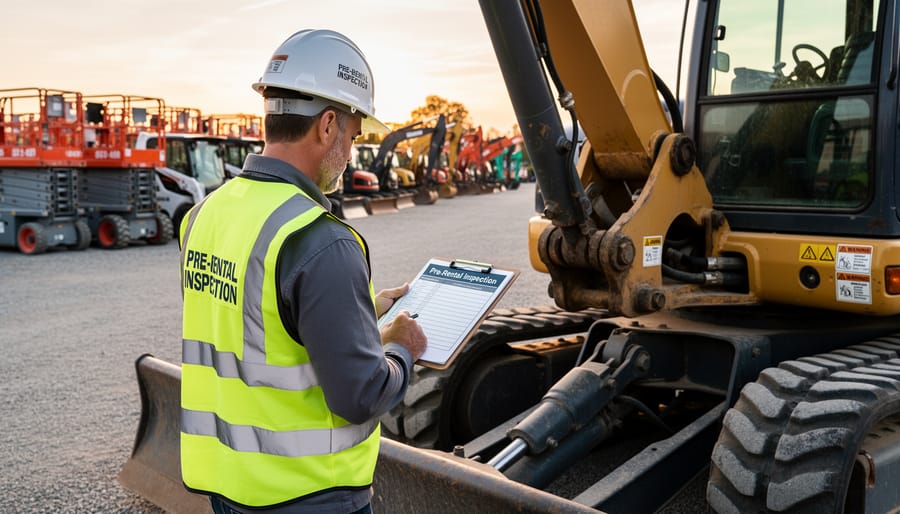
Before handing over equipment, a thorough pre-rental inspection protects both your investment and your customers. Start by creating detailed checklists for each equipment type that document existing wear, functionality, and included accessories. Take timestamped photos from multiple angles and have customers review and sign off on the condition report before they leave your premises.
Customer screening is equally important for reducing risk. Verify identification through government-issued IDs and confirm contact information is current. For high-value equipment or extended rentals, consider running basic background checks or requiring trade references. First-time renters may need additional verification, such as proof of address or a secondary contact person.
Ask questions about the intended use of the equipment. This conversation helps you identify potential misuse concerns and provides an opportunity to offer safety guidance. If someone plans to use equipment beyond its designed capacity or in hazardous conditions, you can address this upfront or decline the rental.
Document everything digitally when possible. Modern rental management systems can store inspection photos, signed agreements, and customer verification records in one place, making it easier to track patterns and resolve disputes. Many rental businesses also encourage customers to share their experiences through community reviews, which helps build transparency and accountability across your entire customer base.
Preventive Maintenance Programs That Save Money
A preventive maintenance program is your best defense against unexpected equipment failures and costly downtime. Think of it as regular health checkups for your rental fleet—catching small issues before they snowball into expensive repairs or safety hazards.
Start by creating maintenance schedules based on manufacturer recommendations and actual usage patterns. Rather than relying solely on calendar dates, track usage hours for each piece of equipment. A skid steer running eight hours daily needs servicing far more frequently than one used occasionally for weekend projects.
Implement a simple system to log maintenance activities, repairs, and inspections. This could be as straightforward as a spreadsheet or as sophisticated as fleet management software. The key is consistency—make sure every technician follows the same documentation process.
Train your team to spot warning signs during routine inspections. Unusual noises, fluid leaks, excessive vibration, or worn components are red flags that deserve immediate attention. Many rental businesses involve their counter staff in quick visual checks between rentals, creating an extra layer of protection.
Regular maintenance also builds customer confidence. When renters see well-maintained equipment with service records, they trust you’re providing safe, reliable tools. This reputation reduces liability risks and encourages repeat business, making your preventive program a profit center rather than just an expense.
Tracking and Monitoring Your Fleet
Modern tracking technology has transformed how rental businesses manage their equipment fleets. GPS tracking systems let you monitor the real-time location of every item in your inventory, making it nearly impossible for equipment to disappear without notice. These systems also create geofencing alerts that notify you when tools leave designated areas, helping prevent unauthorized use or theft.
Usage monitoring goes beyond simple location tracking. Smart sensors can record operating hours, maintenance needs, and even misuse patterns. This data helps you schedule preventive maintenance before breakdowns occur, extending equipment lifespan and reducing costly repairs. You’ll also gain insights into which items generate the most revenue and which sit idle, allowing smarter purchasing decisions.
Inventory management software connects all these elements into one dashboard. You can track availability, schedule pickups and returns, and automate billing processes. Many systems integrate customer reviews and feedback directly into equipment profiles, creating a community-driven database that helps future renters make informed choices.
For rental business owners looking to grow your rental business, these tracking systems provide concrete ROI. Industry data shows businesses using comprehensive monitoring reduce theft by up to sixty percent and improve equipment utilization rates by thirty percent or more. The initial investment typically pays for itself within the first year through reduced losses and better asset management.
Start with basic GPS tracking for high-value items, then expand to full fleet monitoring as your business grows.
What Customers Should Know About Rental Insurance and Liability

Understanding Damage Waivers and Deposits
When you hire equipment, you’ll typically encounter two key financial safeguards: damage waivers and security deposits. Understanding these protections helps both rental businesses manage risk and customers know their responsibilities.
A damage waiver is an optional fee that limits your financial liability if hired equipment is damaged during your rental period. Think of it as insurance – you pay a small percentage of the rental cost upfront, and if something goes wrong (excluding negligence or misuse), your out-of-pocket expenses are capped or eliminated. Without this waiver, you’re responsible for repair or replacement costs.
Security deposits work differently. The rental company holds a refundable amount as security against damage, loss, or late return. You’ll get this back when you return the equipment in good condition and on time. The deposit amount varies based on equipment value and rental duration.
You’re typically financially responsible when damage results from misuse, negligence, theft, or failure to follow operating instructions. Normal wear and tear is usually covered by the rental company. Before signing any agreement, carefully review what’s covered and excluded. Ask questions about specific scenarios relevant to your project – this is part of essential equipment hire considerations. Document the equipment’s condition with photos at pickup to protect yourself from disputes.
Your Personal Insurance and Hired Equipment
Before hiring equipment, it’s worth checking whether your existing insurance policies offer any coverage. Many people assume their homeowners or business insurance automatically protects rented tools, but this isn’t always the case.
Homeowners insurance typically covers personal belongings, but hired equipment usually doesn’t fall into this category since you don’t own it. Some policies may extend limited coverage for rented items used for temporary home repairs, though this varies significantly between providers and often comes with restrictions.
Business insurance can be equally complex. While your general liability policy might cover damage you cause to third parties while using hired equipment, it rarely covers damage to the equipment itself. Professional indemnity or contents insurance may offer some protection, but you’ll need to review your policy documents carefully or contact your insurer directly.
The safest approach is to never assume coverage exists. Contact your insurance provider before hiring equipment and ask specifically about rented tools and machinery. Get confirmation in writing, noting any excess payments or coverage limits. If your existing policies don’t provide adequate protection, consider the rental company’s damage waiver or insurance options. While this adds to your hire costs, it’s generally more affordable than paying for equipment replacement out of pocket if something goes wrong.
Proper fleet risk management isn’t just a behind-the-scenes business practice—it directly impacts your experience as a rental customer. When equipment rental companies invest in comprehensive risk management strategies, everyone wins. For rental businesses, these practices protect valuable assets, reduce unexpected costs, and create more predictable operations. For you as the customer, this translates into access to better-maintained equipment, clearer rental agreements, and fairer pricing structures.
Think about it: companies that regularly inspect and maintain their fleet can catch problems before they become safety hazards. Those that properly train their staff provide you with better guidance on equipment use. Businesses with solid insurance and liability frameworks can offer competitive rates because they’re not constantly absorbing losses from preventable incidents. When rental companies track equipment performance and respond to customer feedback, they continuously improve their offerings based on real-world experiences.
The next time you’re considering an equipment rental, don’t hesitate to ask questions about the company’s risk management practices. How often do they inspect their tools? What training do their staff receive? How do they handle insurance and liability? What happens if equipment fails during your rental period? Companies with strong risk management programs will answer these questions confidently and transparently. These conversations not only help you make informed decisions but also encourage the industry to maintain high standards. Remember, a rental company’s commitment to managing risk demonstrates their commitment to your safety, satisfaction, and overall rental experience.
Related Posts

Post a Comment