
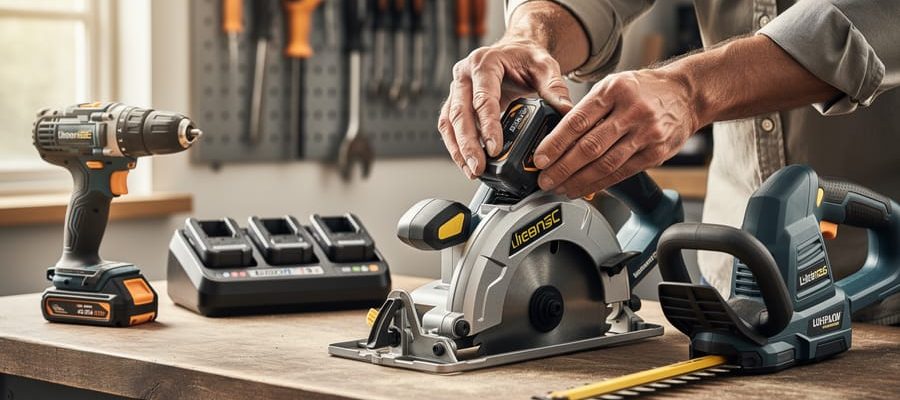
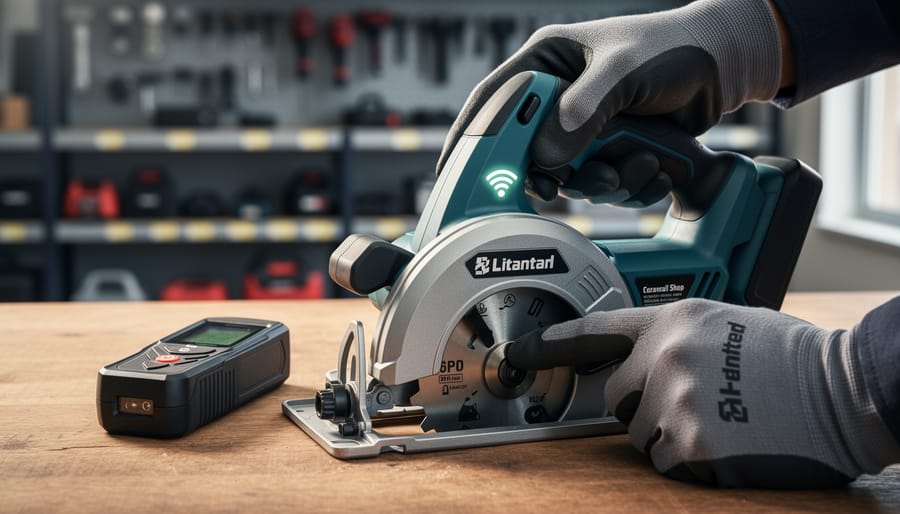
Understand what happens to your data when you use a smart drill, intelligent measuring device, or connected power tool from a rental shop. Federated learning is the technology that allows these tools to get smarter from collective usage patterns while keeping your individual project data private on the device itself. Instead of sending your measurements, cutting patterns, or work habits to a central server, the tool learns locally and only shares anonymous improvements with the manufacturer.
Picture this common scenario: you rent a smart circular saw that suggests optimal blade speeds based on material type. Traditional systems would upload your cutting data, project details, and usage patterns to a cloud server where algorithms analyze everything. Federated learning flips this model. Your rented saw processes data on-board, learns from your specific cuts, then sends only the refined algorithm updates back to improve the global model. Your actual project information never leaves the tool.
This matters practically in tool hire situations. When you return equipment, your personal work data doesn’t travel with it. The tool becomes incrementally better at recommendations without compromising your competitive advantage as a tradesperson or your privacy as a DIY homeowner. The collective intelligence of thousands of users improves cutting accuracy, battery optimization, and safety features, but individual usage remains confidential.
For professionals concerned about proprietary techniques or homeowners wary of data collection, federated learning offers a middle ground. Tools evolve through shared learning while respecting individual privacy boundaries. This tutorial breaks down how the technology works, why tool rental companies are adopting it, and what it means for your next equipment hire. No computer science degree required, just practical understanding of the systems powering your increasingly intelligent toolkit.
What Is Federated Learning? (The Simple Explanation)
The Traditional Way: Sending Your Data to the Cloud
Think of how traditional machine learning works like running a tool rental business from decades past. Imagine every time a customer used a power drill, they had to bring it back to your central warehouse where you’d inspect it, record how they used it, and collect all their usage data in one massive filing cabinet. That’s essentially how conventional machine learning operates.
In the traditional approach, smart tools like connected power drills, laser levels, or diagnostic equipment send all their data—every measurement, every usage pattern, every performance metric—to a central server in the cloud. This server becomes the brain that learns from everyone’s data combined. It’s efficient for training artificial intelligence, but here’s the catch: all your information leaves your control.
For professional tradespeople, this raises serious questions about smart tool data privacy. Your project details, work patterns, client locations, and even trade secrets embedded in how you use your tools all travel to someone else’s server. Who can access it? How long is it stored? Could competitors see your techniques? These aren’t just theoretical concerns—they’re real issues affecting anyone using connected equipment on job sites today.
The Federated Way: Learning Stays Local
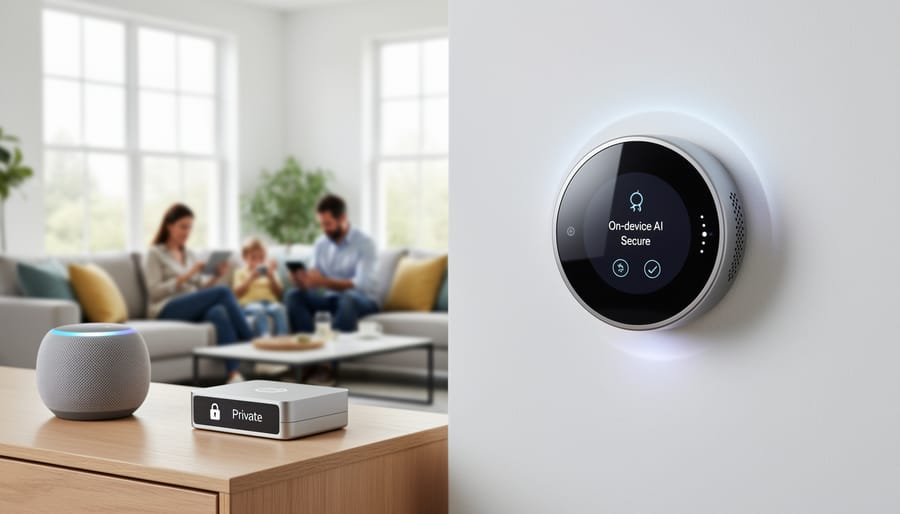
Think of federated learning like a neighborhood tool-sharing group where everyone learns from each other’s experiences without borrowing the actual tools. In traditional systems, when you use a smart drill or electric saw, your usage data (drilling patterns, battery performance, maintenance needs) gets sent to a central server. With federated learning, that raw data never leaves your device.
Here’s how it works in practice: Imagine you’re using a smart battery-powered impact wrench. The tool learns your torque preferences and usage patterns locally on the device itself. Instead of uploading all your detailed work data to the cloud, the tool only shares general insights like “users in construction prefer these torque settings for specific materials.” These insights get combined with patterns from thousands of other users to improve the tool’s performance recommendations.
The key difference is privacy protection. Your specific project details, work locations, and timing stay private on your device. Only the learned improvements (what we call model updates) travel back to improve the tool’s algorithms. It’s like sharing the recipe you perfected without revealing what you cooked for dinner last Tuesday.
Real-World Examples: Federated Learning in Modern Tool Technology
Smart Power Tools That Adapt to Your Technique
Modern power tools equipped with federated learning can quietly observe how you work and adjust their performance accordingly, all while keeping your project data private. Here’s how it works in practice:
When you use a smart drill, it notices patterns like how much pressure you typically apply, the materials you work with most often, and your preferred speed settings. Instead of sending videos or details of what you’re building to a central server, the drill’s onboard processor analyzes this information locally. It then shares only anonymous learning patterns with the manufacturer’s system, where these insights get combined with data from thousands of other users.
The result? Your drill learns the difference between drilling into hardwood versus drywall and automatically adjusts torque settings. Sanders detect your typical stroke patterns and optimize vibration control to reduce fatigue. Circular saws recognize cutting depths you frequently use and suggest blade speed adjustments for cleaner cuts.
The beauty of this approach is that your specific workshop projects remain completely private. The tool never uploads images, measurements, or identifiable information about what you’re building. You benefit from collective intelligence while maintaining full control over your data, making these tools smarter without compromising your privacy or proprietary work details.
Predictive Maintenance for Rental Equipment
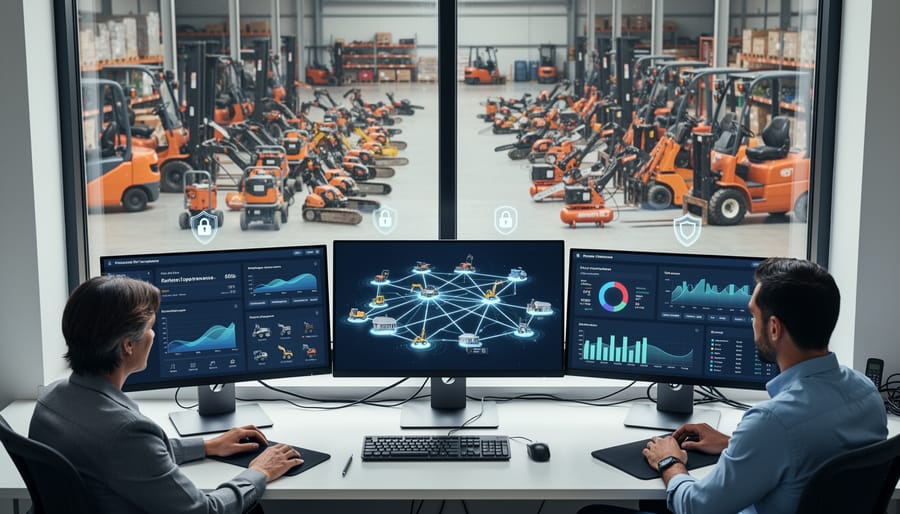
Rental companies manage thousands of tools across multiple locations, and knowing when each piece of equipment needs servicing can be challenging. Federated learning solves this problem by allowing rental fleets to predict maintenance needs while keeping your usage data private.
Here’s how it works: When you rent a power drill or concrete mixer, sensors in the tool collect information about vibration levels, operating temperature, and runtime hours. Instead of sending your specific usage details to a central server, the tool processes this data locally using a shared machine learning model. The model learns patterns that indicate wear and tear, like unusual vibrations that suggest bearing problems or temperature spikes that signal motor issues.
Each tool then shares only the learned patterns, not your actual data, with the rental company’s central system. This approach, combined with digital twin technology, helps predict when servicing is needed based on collective usage patterns from hundreds of users.
For you as a renter, this means fewer breakdowns mid-job. The rental company can schedule preventive maintenance before problems occur, ensuring you always receive reliable equipment. Your privacy stays intact because the system never knows exactly how you used the tool, only what patterns emerged from its operation.
Job Site Safety Systems
One of the most valuable applications of federated learning in tool rental is enhancing safety across entire equipment fleets without compromising job site privacy. Here’s how it works in practice: when a smart power tool detects unusual patterns that might indicate safety risks—like unexpected vibrations, overheating, or kickback events—it records these patterns locally. The device then shares only the learned safety insights with the manufacturer’s central system, never the specific details about who was using the tool, where, or what project they were working on.
For example, if rental nailers across multiple job sites experience similar jamming patterns with certain materials, the federated system identifies this trend and pushes safety alerts or firmware updates to all similar tools. Professional tradespeople benefit from collective learning without exposing proprietary information about their projects or client locations. DIY renters gain protection from hazards discovered by experienced users, leveling the safety playing field.
This community-driven approach to safety improvement means every incident contributes to better tool performance for everyone. The system learns from thousands of real-world scenarios—from construction sites to home workshops—creating smarter safety protocols that activate automatically. You get the protection of crowd-sourced experience while your specific work details remain completely private on your device.
How Federated Learning Actually Works: A Step-by-Step Walkthrough
Step 1: Your Tool Learns From Your Work
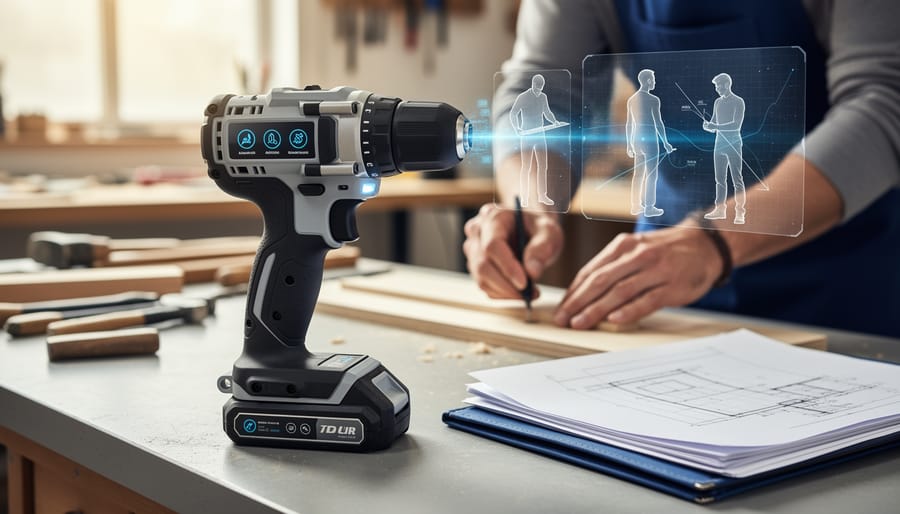
When you pick up a modern cordless drill or impact driver from the hire shop, it starts quietly learning from how you use it—but all that information stays right there on the tool itself. This is the first step in federated learning, and it’s simpler than it sounds.
Think of your tool as having a small notebook where it jots down observations about its own performance. As you work, the tool collects data like how long the battery lasts under different loads, what torque settings you prefer for various materials, how often it overheats, and which tasks drain power fastest. If you’re using a laser level, it might track calibration accuracy over time. A circular saw records blade speed adjustments and cutting patterns.
Here’s what makes this different from traditional data collection: nothing leaves your tool yet. All this information lives locally in the device’s memory, creating a personal performance profile based on your specific jobs and working style. The tool isn’t sending updates back to a central server or sharing your data with anyone. It’s simply building a picture of how it performs in real-world conditions—your conditions—so it can contribute to improvements later while keeping your specific usage patterns private. This local learning phase is what makes federated learning both powerful and privacy-friendly.
Step 2: Creating the Learning Model
Once your smart tool collects usage data, its onboard system gets to work creating what we call a local model. Think of this model as a personalized instruction manual that the tool writes for itself based on how you actually use it.
Here’s how it works in practice: Let’s say you’ve hired a cordless drill for a deck-building project. As you work, the drill’s processor analyzes patterns from the data it collected, such as which torque settings you used most often, when the battery needed charging, and which drilling speeds worked best for different materials. The system identifies what “optimal performance” looks like specifically for your type of work.
This process happens entirely within the tool itself, which is crucial for your privacy. The raw data about your individual drilling sessions never leaves the device. Instead, the tool creates a compressed pattern or summary of what it learned. This local model is essentially a set of insights like “users doing similar tasks benefit from this torque range” or “battery life improves when these settings are adjusted.”
The beauty of this approach is that your specific project details remain private while the tool still becomes smarter about general performance optimization.
Step 3: Sharing Insights, Not Data
Here’s the key privacy advantage: when your smart drill learns from your usage patterns, it doesn’t send your actual project data anywhere. Instead, it shares only the improvements it has learned—think of it as sending the recipe, not the ingredients.
Let’s break this down with a practical example. Imagine your cordless drill has learned that when battery charge drops below 15% during heavy-duty tasks, performance becomes unpredictable. The drill creates a small update—essentially a mathematical summary of this pattern. This update, called model weights or gradients, contains no information about what you were drilling, where you were working, or when you used the tool.
The central system receives these learned patterns from thousands of tools and combines them to improve the overall intelligence. Your raw data—your specific projects, locations, and work habits—never leaves your device. It’s similar to how a community review might say “this tool works great for deck building” without revealing whose deck or where it’s located.
This approach protects your privacy while still contributing to better tool performance for everyone. The system learns that certain conditions affect battery life without ever knowing the details of your individual projects or job sites.
Step 4: Everyone Benefits From Collective Intelligence
Here’s the magic moment where federated learning truly shines: after the central server aggregates insights from all participating tools, it creates an improved AI model and sends it back to every device in the network. Think of it like a community knowledge swap where everyone contributes their experience and receives upgraded expertise in return.
Your rented drill press now benefits from patterns learned across hundreds of other workshops, making it better at predicting when its bearings might fail. The laser level gains calibration insights from similar devices used in different environments. These improvements happen automatically through software updates, but here’s what makes it special: your specific project data never left your tool.
This collective intelligence powers features like predictive maintenance systems that can warn you about potential issues before they cause downtime. Each tool becomes smarter because the network learned from the group’s combined experience, not from accessing individual user information. It’s community-driven learning at its finest, where sharing patterns creates better tools for everyone while keeping your workshop data private and secure.
Why This Matters for Tool Hire and Rental Services
Better Tool Recommendations for Your Project
When you’re browsing for tools to rent, wouldn’t it be helpful if the platform could suggest exactly what you need based on projects similar to yours? That’s where federated learning shines. Instead of the rental company tracking every detail of your specific deck-building project or renovation work, the system learns patterns from thousands of users locally on their devices. Each person’s app notices which tools work well together for certain jobs, like how often painters rent both sprayers and sanders, or which drill bits contractors choose for masonry work. These insights get anonymously combined to create better recommendations for everyone without your individual project details leaving your phone. The platform benefits from collective wisdom shared by the DIY and trade community, while you maintain privacy over your work. This technology works hand-in-hand with other smart tool features to enhance your rental experience, making tool selection more accurate and project planning more efficient based on real-world usage patterns rather than invasive data collection.
Reduced Downtime and More Reliable Equipment
One of the most practical benefits of federated learning in tool rental equipment is how it enables predictive maintenance without compromising your privacy. Here’s how it works: smart tools continuously monitor their own performance, tracking patterns like motor temperature, vibration levels, and usage intensity. Instead of sending your specific project data to a central server, each tool learns locally what normal operation looks like versus early warning signs of wear. These anonymized insights get shared across the network, meaning the rental company can identify which tools need servicing before they fail on your job site.
For you, this translates to fewer mid-project breakdowns and more consistent tool performance. When you pick up a drill or saw, it’s been maintained based on actual usage patterns rather than arbitrary service schedules. Professional tradespeople particularly appreciate this reliability when working under tight deadlines, while DIY homeowners benefit from not having to make emergency trips back to the rental shop. The community-driven nature of this system means every user indirectly helps improve tool reliability for everyone else, creating better rental experiences all around.
Protecting Trade Secrets and Project Privacy
For professionals using smart power tools, protecting your project data and competitive techniques is crucial. Federated learning solves this by keeping your data on your device—the tool you’re using. Instead of uploading sensitive information about your cutting patterns, material specifications, or workflow efficiency to a central server, the learning happens locally. Your tool’s software learns from your usage, creates a small update based only on patterns (not raw data), and shares that encrypted update with the manufacturer. Think of it like sharing cooking tips without revealing your secret recipe. Other contractors never see your specific projects, and manufacturers only receive anonymized improvements that benefit everyone’s tools. This approach means your competitive edge stays yours while still contributing to better tool performance across the community.
What to Look for When Hiring Smart Tools
Questions to Ask Your Tool Hire Provider
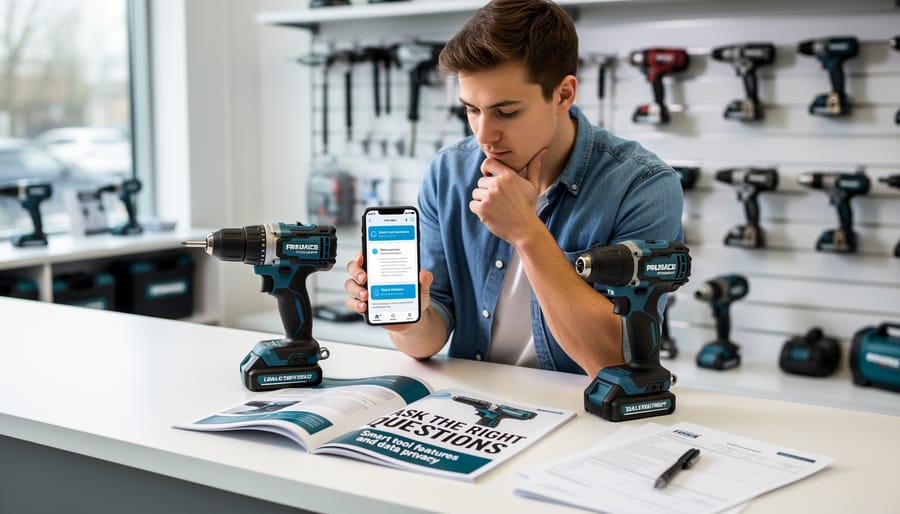
Before renting connected equipment that uses federated learning, protect yourself by asking the right questions. Start with data privacy: “What data does this tool collect, and does it ever leave my job site?” Understanding that federated learning keeps your data local is crucial. Ask “Who owns the usage data generated during my rental period?” and “Can I opt out of the learning system while still using the tool?”
Regarding smart features, inquire: “What improvements has this tool learned from other users?” and “How do these learned features benefit my specific project?” This helps you understand the practical value you’re receiving.
For transparency, ask: “Can I see what the tool is learning from my work?” and “How does this technology affect the rental price?” Some providers offer discounts for data-sharing participation.
Finally, confirm technical details: “What happens if my tool loses internet connection?” and “Are software updates automatic?” These answers ensure you won’t face unexpected downtime on the job.
Red Flags and Privacy Concerns
When exploring smart tools with federated learning capabilities, watch for warning signs that suggest your data might not be as protected as promised. If a tool manufacturer or rental platform asks for permissions beyond what’s necessary for basic operation—like accessing your contacts, photos, or location when you’re simply tracking drill usage—that’s a red flag worth investigating.
Transparency matters enormously in this space. Reputable companies will clearly explain what data their tools collect, how federated learning protects your information, and where model updates are stored. If you can’t find a straightforward privacy policy or the company avoids discussing their data practices, proceed with caution. Community-driven reviews from other users often reveal concerns about excessive data collection that marketing materials won’t mention.
Be particularly wary of tools that require constant internet connectivity when federated learning should theoretically allow local processing. This could indicate your raw data is being transmitted rather than just model updates. Similarly, if a smart tool lacks basic security features like encrypted connections or secure authentication, the federated learning claims might be more marketing than meaningful protection. Always check user feedback and industry reviews before adopting new smart tool technologies, especially when your workshop data and usage patterns are involved.
Federated learning represents a genuine breakthrough for the tool rental industry, offering a practical solution that benefits everyone involved. By keeping your usage data on your device while still contributing to smarter, more efficient tools, this technology delivers innovation without compromising your privacy. It’s a win-win scenario: rental companies can improve their equipment and services based on real-world insights, while you maintain control over your personal information and enjoy tools that get better with each update.
As smart tools become increasingly common in rental fleets, the difference between traditional data collection and federated learning becomes crucial. This approach means you’re not sending sensitive project details, location tracking, or work patterns to a central server. Instead, your tool learns locally and shares only anonymous improvements, making connected equipment safer and more trustworthy for professional tradespeople and DIY users alike.
The next time you’re renting equipment, don’t hesitate to ask about smart features and how the company handles data privacy. Understanding whether tools use federated learning or similar privacy-focused technologies helps you make informed choices about the equipment you bring to your job sites and projects.
We’d love to hear from you: Have you used connected tools in your work? What features have you found most useful, and do you have questions about data privacy? Share your experiences and thoughts in the comments below. Your feedback helps our community make better decisions and encourages rental companies to prioritize both innovation and privacy protection.
Related Posts

Post a Comment