

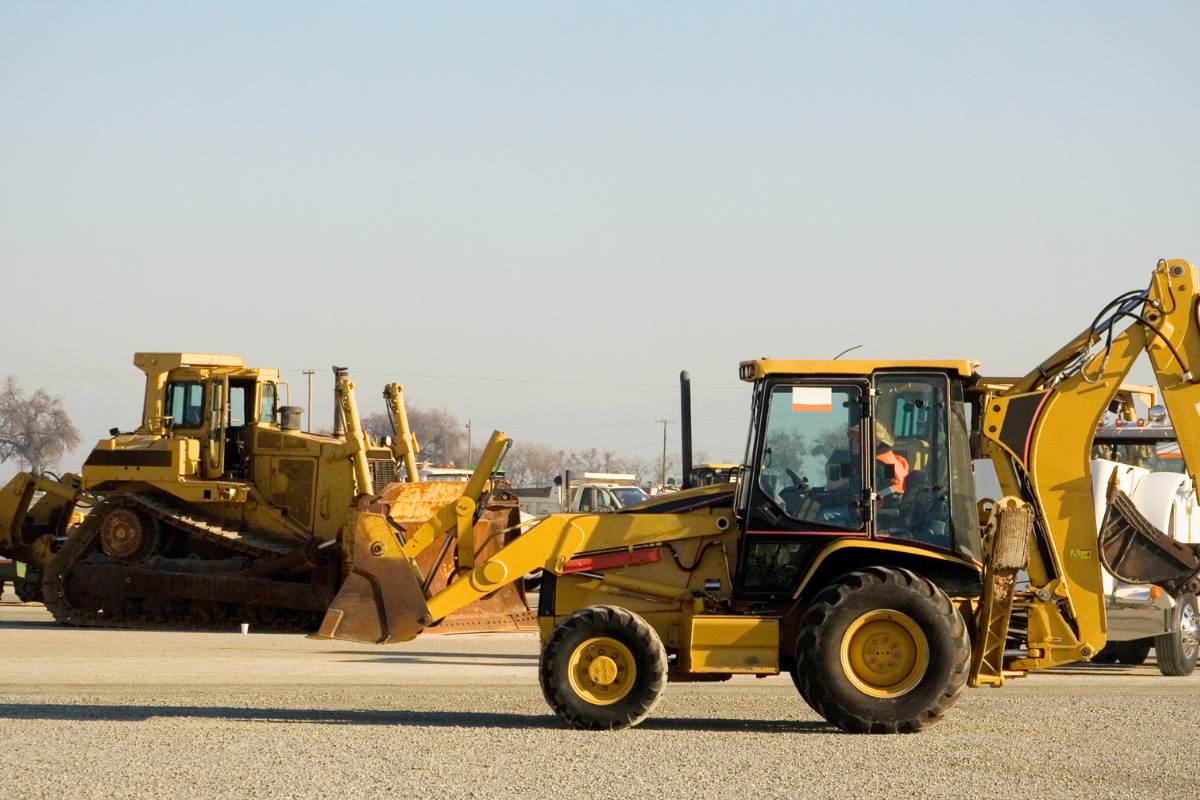
Buying farm machinery at an auction can be a bit of a lottery. Of course, there is every chance you can find what you need at a fraction of the price you would pay for it brand new. However, there is also a distinct possibility that what you get might not end up being what you hoped it would be. Often, this can happen to those who are new to the auction process and make a couple of mistakes along the way. So, to prevent yourself from falling into this trap, this post will highlight some of the major mistakes to avoid when buying machinery at an auction. If you bear these in mind next time something catches your eye, you will go a long way towards procuring what you want while saving a bit of money to boot.
What are the different types of auctions?
There are many different types of auctions that you can attend, including on-site farm, on-site dealer, online and wholesale auctions. If you are not a dealer or accredited third-party seller, you probably won’t be eligible to attend a wholesale or dealer auction as you need special licences to participate in them. This leaves you with on-site auctions or machinery auctions at AuctionsPlus or any other online auction site as your primary options.
Main Mistakes to Avoid
Regardless of which type of auction you attend, here are some of the main mistakes to avoid.
1. Know exactly what you want
It is easy to get swept up in the high-octane nature of the farming machinery auction, which can lead you to lose focus on essentials like quality sheep handling equipment that meets your specific operational needs. For this reason, it is essential to know exactly what you are looking for before you attend it. If you do your research, you should be aware of what the current market rate is for the second-hand piece of farming machinery you want, for example, seed drills, harrows or excavators. This information will help you set a baseline that you should not exceed. This leads nicely to the second mistake people commonly make….
2. Don’t get too emotional with your bids
Just because you want something doesn’t mean you should pay over the odds for it. While this is something we are all aware of, when you attend an on-site farm auction, you will face a level of competition that you will need to be mindful of because the potential of a bidding war is always there. There will always be a bit of back and forth when bidding for a piece of equipment. However, it is important not to get carried away in your desire to procure the item. At all times, try to remain level-headed, and when the bids exceed what you are prepared to pay, bow out gracefully.
3. Inspect the machinery you want to buy
You wouldn’t buy a house or probably even a car without doing a thorough inspection of them, and the same should go for farming machinery. Photos only tell part of a story – the part the seller wants you to see. So, it is imperative that you fully inspect the machinery before placing a bid on it where possible. At many live auctions, you will be able to do this, typically the day before it is due to take place. If you take the opportunity to check out the exterior components and overall condition of it with your own eyes and possibly even get to test it out, you’ll form an opinion on how worthwhile it is to buy. This should help you to further settle on a maximum price you will be prepared to pay for it, and also potentially gain an insight into the level of interest the item has received, if not from the seller, then maybe the auctioneer.
4. Check the service history and warranty
If you intend to purchase through an online auction, you won’t be able to inspect the machinery. Therefore, the next best thing is to check the service history and warranty of the equipment. It is worth doing this even if you have given the item a thorough once over because even though it might look good, you need to know what you will buy. One of the main things to look out for is whether it has exceeded the range of the expected usage level for its age. Additionally, be sure to enquire about what parts have been upgraded, because those that have not been might be close to the end of their natural shelf life.
5. Be aware of red flags
If you are in the market for a specific piece of second-hand farm equipment, particularly one that costs a significant amount of money brand new, then it can be easy to look at it through rose-tinted glasses. However, it is crucial to recognise red flags that should deter you from placing a bet in the first place, as this will prevent you from buying a dud. Some of the things you should be mindful of are issues with its major components, such as it being hard to start, rust, cracks or other structural problems, and if the manufacturer is out of business or no longer making parts for the machinery. In these circumstances, you would be well advised to not enter the bidding for it.
Related Posts


Post a Comment