

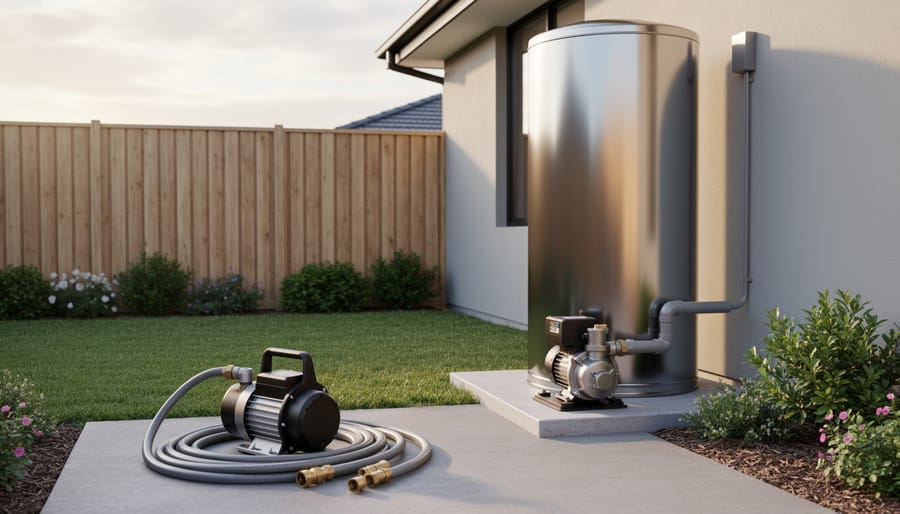
A small property needs the right balance between power, space, and convenience when moving water. Both permanent and portable transfer pumps can handle the job, but they serve different needs. A portable pump suits those who need flexibility, while a permanent pump works best for consistent, higher-volume water transfer.
A permanent setup suits properties that move water often, such as from a rainwater tank to a garden or irrigation system. It can run automatically, save time, and reduce manual effort. However, it takes proper installation and planning to work efficiently.
A portable pump offers more freedom. It can move between tasks, like emptying a pool or draining a water tank, before cleaning. It costs less upfront and fits smaller spaces easily, making it practical for simple water transfer needs. Each setup has advantages, and understanding how each fits a property’s layout and purpose helps achieve the best outcome.
Permanent vs Portable Transfer Pumps: Key Differences and Applications
Permanent and portable pumps serve different needs based on installation method, purpose, and available space. Each setup offers specific benefits for moving liquids efficiently in small areas, especially for household or light agricultural use.
Functionality and Setup Differences
Permanent transfer pumps stay fixed in one location and connect directly to plumbing or tank systems. They suit properties with steady water demands, such as irrigation or rainwater collection. Installation typically needs a power supply, firm mounting, and pipe fittings. These systems often use electric motors and can provide consistent flow rates with minimal supervision.
Portable transfer pumps, in contrast, provide flexibility. Users can easily move them between water sources, such as tanks, pools, or wells. They come in electric, petrol, or diesel models. Many water transfer pumps are portable units built for short-term jobs like draining flooded areas or watering small gardens.
Permanent systems demand proper setup but deliver stable performance. Portable types suit variable tasks and temporary installations. Therefore, the choice depends on whether stability or flexibility matters more for the intended work.
Best Use Cases for Small Properties
For small residential properties, portable pumps often make more sense due to mobility and ease of use. Owners can shift them between tanks or outdoor storage sites without permanent pipework. They handle tasks like garden watering, draining ponds, and filling troughs. Petrol and electric models both serve well, with petrol offering more independence from mains power.
Permanent pumps fit small properties that rely on regular water transfer, such as feeding irrigation lines or supplying pressure to a house system. These setups save time once installed and reduce manual handling. However, they require consistent maintenance and protection against weather and debris.
Selecting between the two depends on how often the water moves and where the user needs it. A portable system works best for variable needs, while a fixed setup supports steady applications.
Installation and Space Considerations
Space and access strongly affect installation options. Permanent units need stable foundations, protective covers, and positioned pipework that prevents airlocks. That setup suits sheds, utility rooms, or near fixed water tanks. Noise reduction and correct electrical protection also matter for safety.
Portable transfer pumps need less space. Users can store them indoors and connect hoses only when required. This portability simplifies seasonal or temporary use. However, portable units may need priming more often and require users to manage hoses and fittings manually.
A small property owner should measure available areas for equipment placement and check the power supply distance before choosing either type. Proper layout avoids inefficiency and prolongs pump life.
Choosing the Right Transfer Pump for Your Small Property
A proper transfer pump setup depends on how the property uses water, the source of the water, and the pressure or flow needed for specific tasks. Performance, energy efficiency, and ease of maintenance often decide whether a permanent or portable system suits best.
Evaluating Head, Flow Rate, and Gallons per Minute
Head refers to the total height the pump moves water, including lift and pressure. For small properties, a shorter head usually means less power demand. However, houses on slopes or those needing strong pressure for irrigation may require more head and a stronger impeller design.
Flow rate, measured in gallons per minute (GPM), determines how quickly water transfers. Pumps with 30–60 GPM often handle small tasks such as garden use or tank filling. Larger needs, like small-scale firefighting, may call for flow rates above 100 GPM.
Centrifugal pumps generally work well for clear water transfer due to their efficiency at moderate head levels. Submersible pumps suit wells or tanks where water sits below ground level. High-pressure pumps handle steep terrain or long hose runs. Understanding these differences helps match pump performance to actual property needs.
Portability, Durability, and Maintenance Needs
Portable pumps provide flexibility for seasonal or temporary tasks. They can move between water sources such as rain tanks or creeks. However, permanent setups cost less to operate long term if the system stays in one place.
Materials affect durability. Stainless steel resists corrosion better than cast iron, especially where water has minerals or salt. Plastic composite pumps weigh less and cost less but wear faster over time.
Maintenance should stay simple. Pumps with easy access to seals, impellers, and filters reduce downtime. Routine checks for leaks, blockages, and lubrication extend lifespan. A small property benefits most from a design that trades high output for consistent reliability and low upkeep.
Energy Consumption and Operational Costs
Energy usage varies based on pump type, motor size, and workload. Electric models often use less fuel but depend on a stable power supply. Petrol or diesel pumps suit remote properties but cost more to run over time.
An efficient water pump maintains a steady flow without straining the motor. High-pressure pumps use more power due to their stronger head output, while centrifugal or submersible pumps often strike a better balance between flow and energy draw.
Regular servicing and the correct selection of pipe diameter also prevent unnecessary energy waste. Selecting the smallest motor that meets the demand keeps operating costs manageable across daily tasks such as irrigation or water transfer.
Performance in Drainage, Firefighting, and Irrigation
Drainage requires pumps that can move large volumes quickly, even if the water contains small debris. A submersible pump often works best since it can operate directly in flooded areas.
Firefighting needs high-pressure pumps with durable impellers that can sustain strong flow through long hoses. These usually mount to a frame for quick deployment during dry seasons.
Irrigation performance depends on steady flow and moderate pressure. A centrifugal pump provides regular delivery to sprinklers or drip systems. Each application benefits from matching the pump to both the water source and the required pressure range, especially in small properties where every litre and watt count.
Conclusion
Choosing between a permanent or portable transfer pump depends on how the property functions day to day. A small property with a fixed water source may gain more value from a permanent setup that delivers consistent flow and lower maintenance. In contrast, a property needing flexibility for watering, draining tanks, or light irrigation could benefit more from a portable unit.
Permanent pumps often suit those who want stability and less manual work. They also handle larger volumes with less effort once installed. Portable pumps suit those who prefer quick setup, easier storage, and freedom to move water wherever needed.
Each option has trade-offs in cost, effort, and convenience. The best choice suits the site layout, the frequency of use, and how much flexibility the user requires. Careful assessment of these factors helps match the pump type to long-term needs with minimal waste or complication.
Related Posts


Post a Comment