
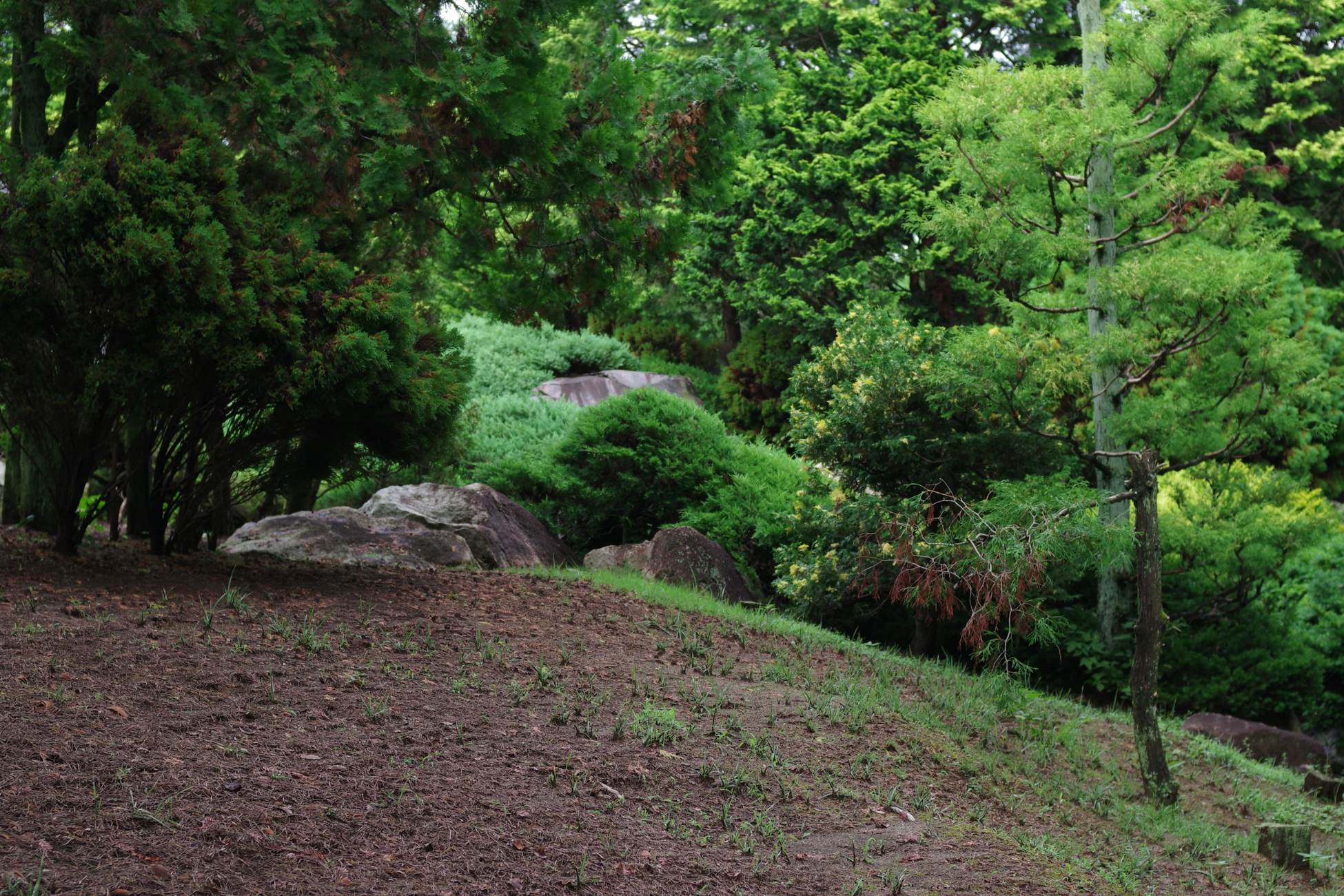
A sloped backyard might seem like a design challenge, but it’s an opportunity in disguise. Instead of struggling with erosion, uneven terrain, or limited usability, the right landscaping approach can make the space functional and beautiful.
Here are five innovative solutions to help transform that tricky incline into a stunning outdoor space.
Support the Slope with Retaining Walls
A sloped yard can feel like wasted space, especially when rain turns it into an erosion-prone mess. Retaining walls solves that problem by holding soil in place and carving out usable areas for planting, seating, or pathways. But they’re more than just practical—they can also be a significant design feature.
The right style depends on the look and function you want. A stacked stone wall blends seamlessly with nature, creating an organic, timeless feel. Timber walls offer warmth and rustic charm, perfect for cottage-style gardens.
Concrete or poured cement walls provide durability and a clean aesthetic for a sleek, modern touch. Gabion walls, made of wire cages filled with stones, add an industrial, contemporary edge while allowing for natural drainage. If the slope is significant, multi-tiered walls break it into manageable levels.
Are you looking for retaining wall ideas that go beyond the basics? Consider incorporating built-in seating, lighting, or decorative patterns to make the wall stand out. Integrating steps or pathways between tiers adds function and visual interest, making the yard more accessible and inviting.
Drainage is key to longevity. Without it, water buildup behind the wall can lead to cracks or collapse. Adding gravel backfill, perforated drainage pipes, or weep holes ensures water moves through instead of collecting behind the structure.
Build a Tiered Garden
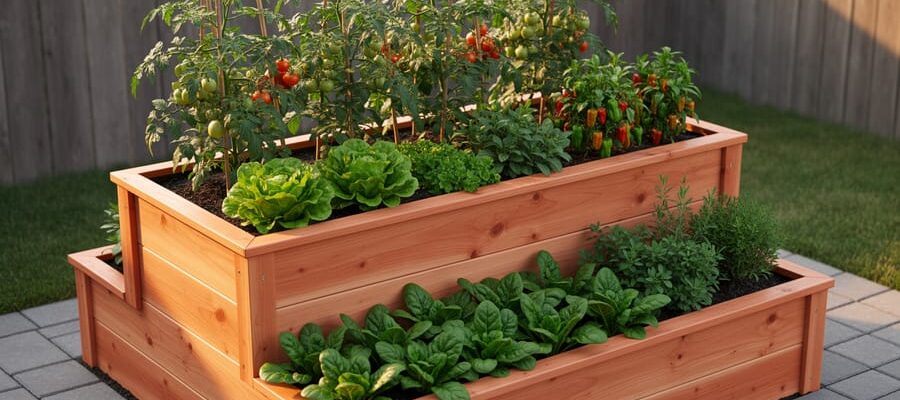
Trying to plant flowers or vegetables on a sloped surface rarely works. Water runs off before plants can soak it up, and soil erosion makes it hard for roots to take hold. A tiered garden solves that problem.
Think of it like steps carved into the hill. Each level gets its own planting space, and instead of a single steep incline, the backyard becomes a series of terraces. Raised beds or stacked stones keep everything in place, and plants thrive in the flat sections.
Low-maintenance plants work best. Perennials like lavender or ornamental grasses handle slopes well, while deep-rooted plants help keep the soil in place. Mixing flowers, shrubs, and ground cover creates a lush, layered effect. Plus, gardening is much easier when plants are within reach instead of sitting on an awkward, slanted surface.
Turn the Slope into a Water Feature
Water naturally moves downhill, so why not make the most of it? A sloped yard is perfect for a waterfall, stream, or pond. Instead of fighting erosion, a water feature works with the landscape to create a stunning focal point.
A waterfall adds movement and sound. Large rocks create a bold, dramatic effect, while smaller stones allow a gentle, trickling flow. A streambed winds down the slope like a natural brook, bringing life and energy to the yard. If space is limited, a pondless waterfall offers the beauty of flowing water without the upkeep of a pond.
Beyond looks, a water feature enhances the backyard environment. Birds and butterflies are drawn to moving water, while plants like ferns and hostas soften the edges and blend them into the landscape. Adding a seating area nearby turns it into a peaceful retreat.
A sloped yard makes installation easier. Gravity helps water flow naturally, reducing the need for heavy excavation. Proper lighting—underwater LEDs or spotlights—keeps it beautiful at night. With the right design, a simple slope transforms into a backyard oasis.
Add a Deck for Extra Living Space
Sometimes, the best way to deal with a slope is to build above it. A raised deck extends the home’s living space, offering a perfect outdoor dining, lounging, or entertaining spot.
With the right design, a deck can make a sloped yard more accessible. Instead of struggling to walk up and down a hill, steps or multi-level platforms create an easy transition. A wraparound deck connects different areas for steeper slopes, making the yard feel more prominent and connected.
Wood adds warmth and blends well with the landscape. Composite decking requires less maintenance and lasts longer. Railings with cable or glass keep the view open while providing safety. At night, built-in lighting sets the mood, turning the deck into a cosy gathering place.
Underneath, the space doesn’t have to be wasted. A covered patio, storage area, or firewood rack fits neatly below, adding function to an otherwise useless area.
Choose the Right Grass and Ground Cover
A sloped yard doesn’t mean giving up on grass. The key is picking the right type. Some grass varieties grip the soil better, holding everything together, even on an incline. Fescue, ryegrass, and native blends work well, especially in areas prone to erosion.
Mowing a slope, though, is another challenge. Alternative ground covers might be better if the incline is too steep for a push mower. Creeping thyme, clover, or ornamental grasses require little maintenance and add texture to the landscape.
Terraced turf sections break up the slope for a more structured look, making mowing more manageable. If mowing isn’t an option, wildflowers or meadow grass create a natural, low-maintenance alternative. Over time, the right ground cover stabilises the soil, reduces runoff, and turns a once-bare slope into a lush green space.
Final Thoughts
A backyard with a slope doesn’t have to be a frustrating space that’s hard to use or maintain. It’s only a problem if left undeveloped. When designed with intention, that incline can work to your advantage.
Instead of seeing a slope as wasted space, consider it a chance to get creative. Whether the goal is stability, aesthetics, or usability, there’s a solution that fits. From retaining walls that carve out usable space to multi-tiered designs that add dimension, there are endless ways to make a sloped yard both functional and beautiful.
Related Posts

Post a Comment