

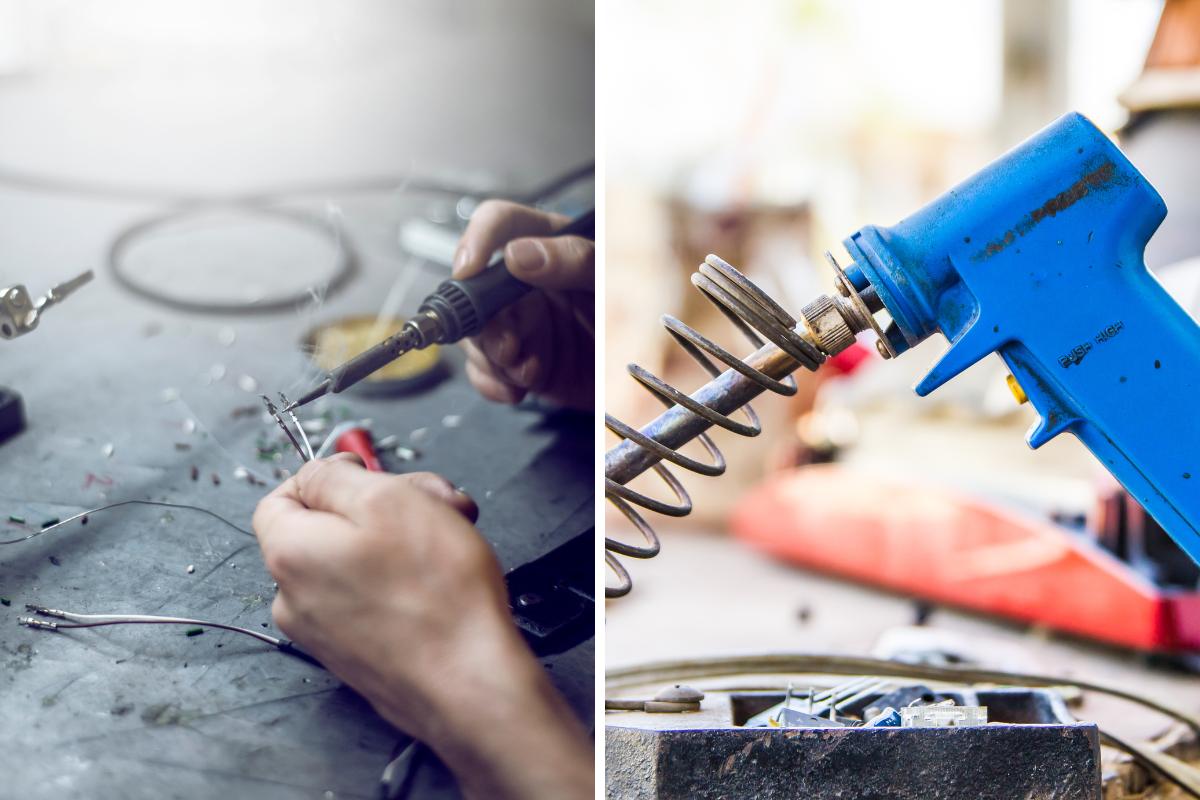
Soldering is an essential skill in many fields, from electronics repair to jewelry making to plumbing. To do the job right, you need the proper soldering tools. One great resource for all your soldering needs is SolderStick.com, which offers a wide selection of high-quality soldering irons, stations, accessories and more.
What is Soldering?
Soldering involves connecting two or more metal pieces by melting a filler metal (solder) into the joint. The metal pieces being joined have a higher melting point than the solder. When it cools, it forms a strong electrical and mechanical bond. Soldering is used to make electrical connections, repair metal items, make jewelry, and more.
Essential Soldering Tools
To get started with soldering, you’ll need a few key tools:
Soldering Iron
The most important tool for soldering is a soldering iron. This is a hand-held tool that heats up to melt the solder. Soldering irons come in various wattages – higher wattage means more heat. For electronics work, a 20-60 watt iron is good. For larger joints like copper pipes, you may need 100 watts or more.
Look for an iron with good temperature control and fast heat-up and recovery times. Many irons have interchangeable tips for different jobs. A stand is important to safely hold the hot iron when not in use.
Soldering Station
For frequent soldering, invest in a soldering station. This has the iron, stand, and temperature controls in one unit. Some have digital temperature readouts and can hold a precise temperature, which is important for sensitive electronics work. A good station will make your soldering quicker, easier and more reliable.
Solder
Solder is a metal alloy, usually tin and lead, with a low melting point. It comes in thin strands on a spool. For electronics, use rosin core solder – the rosin flux helps the solder flow and make good connections. Lead-free solder is available for plumbing and other applications where lead could be a hazard.
Solder comes in various thicknesses described by diameter. For general work, .032″ (0.8mm) diameter solder is a good choice. Thinner .020″ (0.5mm) solder is better for fine electronics work.
Flux
Flux is a chemical paste or liquid that helps the molten solder flow and bond to the metal surfaces. It cleans oxides off the metals and prevents re-oxidation during soldering. Rosin flux is the most common type and is usually core inside solder wire.
For difficult metals like stainless steel or dirty surfaces, you may need to apply additional flux with a brush or flux pen before soldering. Always clean the flux residue after soldering as it can cause corrosion over time.
Soldering Wick and Pump
Soldering wick (also called desoldering braid) and desoldering pumps are used to remove solder for repairs or corrections. The wick is fine copper braid that soaks up molten solder by capillary action. A desoldering pump is a spring-loaded vacuum device that sucks up molten solder.
Helping Hands
“Helping hands” is a tool with adjustable alligator clips on the ends of flexible metal arms. It holds the workpiece steady while you solder. Some have a magnifying glass attached to see small parts. For hands-free soldering, helping hands are invaluable.
Safety Equipment
Always work in a well-ventilated area as solder fumes can be harmful. Wear safety glasses to protect your eyes from solder splashes. Heat-resistant gloves can prevent burns from hot metal. Keep a fire extinguisher nearby in case of accidents.
How to Solder
- Make sure the metal surfaces to be joined are clean. If needed, lightly sand them and apply flux.
- Plug in and turn on your soldering iron. Let it heat up fully. If it has adjustable temperature, set it according to the type of solder you are using.
- Apply the hot iron tip to the joint. Hold it there for a few seconds to heat the metal.
- Touch the end of the solder to the joint, not the iron. Let the solder melt and flow into the joint. Use just enough to fill the joint.
- Keep the iron on the joint for a second after adding solder to let it fully penetrate.
- Remove the iron and let the joint cool without moving the pieces. The solder should harden in a few seconds.
- If needed, clean off flux residue with a damp cloth or flux remover.
Conclusion
Soldering is a useful skill for many DIY projects and repairs. With the right tools and some practice, anyone can learn to make strong, neat solder connections. Start with a good quality soldering iron, the right solder, and a few accessories. Remember to always work safely and clean up when you’re done. Happy soldering!
FAQs
What’s the difference between soldering and welding?
Soldering uses a low-melting point filler metal to join parts without melting the workpiece. Welding melts and fuses the workpieces themselves, usually requiring much higher temperatures. Soldering makes a strong but reversible joint, while welding creates a permanent bond.
Do I need lead-free solder?
Lead-free solder is required by law for plumbing and food service equipment. It’s also a good choice if you are concerned about lead exposure. However, lead-free solder is more difficult to work with and requires higher temperatures. For electronics, leaded solder is still the most common choice.
What kind of solder should I use for electronics?
For electronics soldering, use rosin core solder. A 60/40 tin/lead alloy is the most common. An alloy with 2-3% silver added makes a stronger joint but is more expensive. Use .032″ diameter for general work and .020″ for fine pitch components.
How hot should my soldering iron be?
The proper soldering iron temperature depends on the type of solder and the size of the joint. For general electronics work with 60/40 solder, 650-700°F (340-370°C) is a good temperature. For lead-free solder, you’ll need 750°F (400°C) or higher. Larger joints need more heat. Use a soldering station with adjustable temperature for best results.
How do I clean my soldering iron tip?
Wipe the hot tip frequently on a damp sponge to remove oxidation and excess solder. For heavy oxidation, use a brass wire tip cleaner to scrub the tip clean. Tin the tip with fresh solder after cleaning to prevent corrosion. Never file or grind the tip as this will damage the protective plating.
Related Posts


Post a Comment