
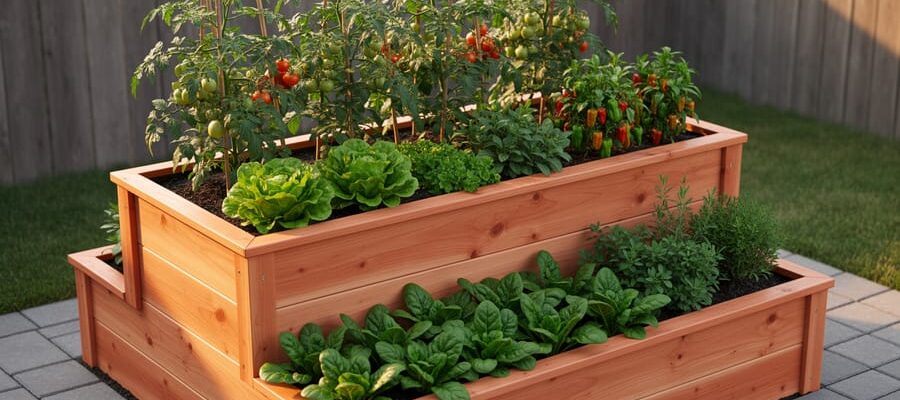

Sustainable gardening is about working with nature, not against it. It’s a way to create a beautiful and productive outdoor space while reducing your impact on the planet. You don’t need to be an expert to start. With a few simple changes, you can have a garden that is healthier for you and the environment.
1. Start with the Soil
The foundation of any healthy garden is the soil. Instead of using chemical fertilisers, which can harm beneficial insects and pollute water, focus on enriching your soil naturally.
- Compost: This is the gardener’s secret weapon. A compost pile is where you turn kitchen scraps and garden waste into rich, dark soil. It’s simple to start: just pile up things like fruit and vegetable peels, coffee grounds, and fallen leaves. This nutrient-rich “black gold” will feed your plants and help the soil hold water.
- Mulch: A layer of mulch, like shredded leaves, wood chips, or straw, on top of your soil is a game-changer. It acts like a protective blanket, keeping moisture in, weeding out, and stabilising the soil temperature. Mulching also breaks down over time, adding more good stuff to your soil.
2. Choose the Right Plants
The best plants for a sustainable garden are the ones that are already a good fit for your area.
- Go Native: Native plants are those that have grown in your region for centuries. They are naturally adapted to your local climate and soil, which means they need less water and care. They also provide food and shelter for local wildlife, like birds, bees, and butterflies, which are essential for a thriving ecosystem.
- Plant for Pollinators: Bees, butterflies, and other pollinators are vital. They help your plants produce fruits and seeds. Plant a variety of flowers that bloom at different times of the year to provide a continuous food source for these helpful insects.
3. Reduce and Reuse
Sustainable gardening is all about minimising waste.
- Repurpose Materials: Before you buy new, look for things you can reuse. Old buckets can become planters, and broken pottery can be used for drainage at the bottom of a pot.
- Reduce Plastic: When possible, buy plants that aren’t in plastic pots, or ask if the nursery has a pot recycling program.
- Shrink Your Lawn: Lawns require a lot of water and maintenance. Consider turning a section of your grass into a flower bed or a patch for growing vegetables. For those with limited space, a vertical garden or an aeroponic garden tower is an excellent solution. These systems allow you to grow a large number of plants in a small footprint, and many are designed with efficient watering and composting features that make them highly sustainable.
4. Water Wisely
Water is a precious resource. Using it smartly in your garden helps conserve it and saves you money.
- Harvest Rainwater: A rain barrel is an easy way to collect rainwater from your roof. This water is free, and your plants will love it because it doesn’t contain the chemicals found in treated tap water.
- Water at the Right Time: Water early in the morning or late in the evening. The cooler temperatures mean less water will evaporate before it can soak into the soil.
- Target the Roots: Instead of a sprinkler that sprays water everywhere, use a soaker hose or drip irrigation system. These deliver water directly to the plant’s roots, where it’s needed most.
5. Ditch the Chemicals
A sustainable garden avoids synthetic pesticides and herbicides.
- Welcome, Wildlife: Many insects are good for your garden. Ladybugs eat aphids, and birds eat slugs. Create a welcoming habitat with a birdbath or a pile of leaves to encourage these natural pest controllers.
- Try Companion Planting: This is the practice of planting certain things next to each other because they help one another. For example, marigolds can help keep some pests away from your vegetables.
- Hand Pull Weeds: While it can be a chore, pulling weeds by hand is the safest way to get rid of them. When you do, throw them on your compost pile (as long as they haven’t gone to seed!).
By following these simple steps, you can create a garden that is not only beautiful but also a positive force for the environment. It’s about finding a rhythm with the natural world and celebrating the small successes, from a single blooming flower to a plump tomato from your own plant.
Related Posts

Post a Comment