
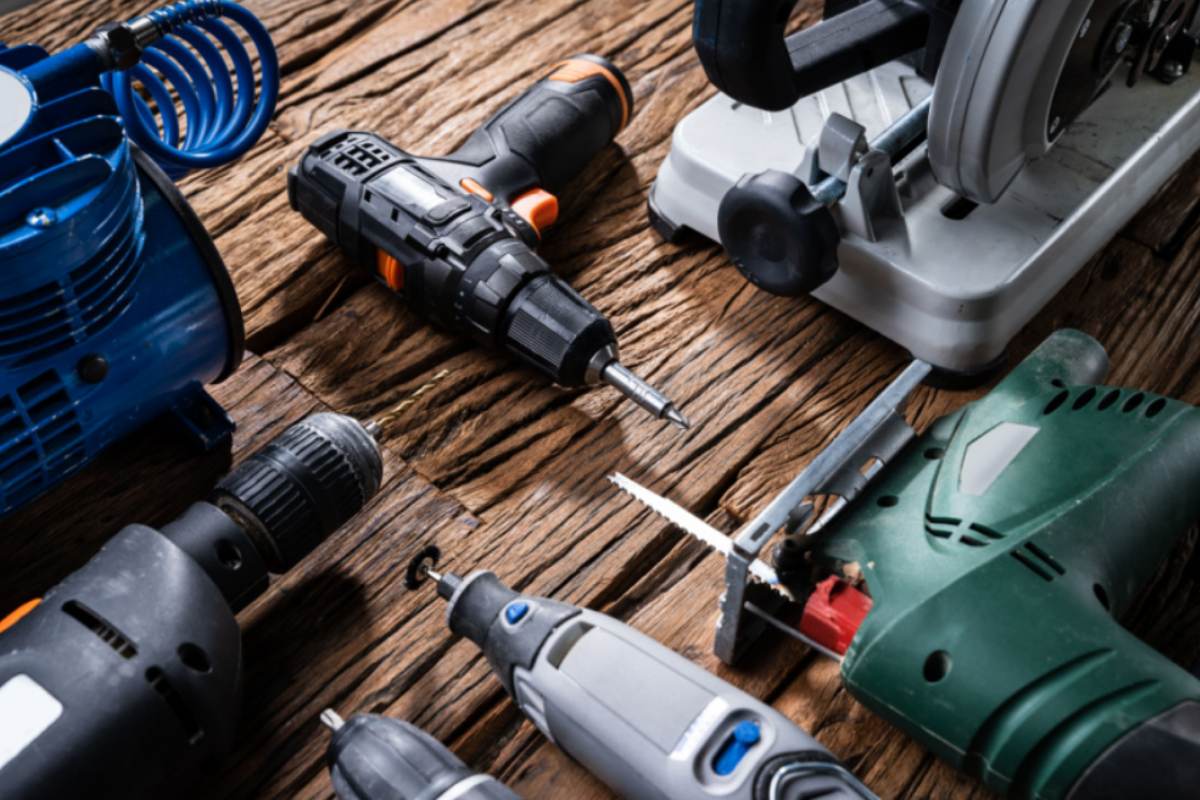
Want a smooth and hassle-free Colorbond fence installation? Discover the 4 best power tools that make the job faster, easier, and more precise. Plus, expert tips on whether to buy or rent tools for your fencing project.
Colorbond fencing has become a favourite among Australian DIY enthusiasts. Its durability and low maintenance make it an appealing choice for homeowners. In fact, nearly half of all new Australian homes feature Colorbond steel, highlighting its widespread popularity.
However, installing Colorbond fencing isn’t without its challenges. Cutting the steel panels requires precision to avoid jagged edges. Drilling into the metal demands the right technique to prevent damage. Securing the panels firmly is crucial to withstand Australia’s harsh weather conditions. Without the proper tools, these tasks can become daunting.
Using the right power tools is essential for a smooth installation. They ensure precise cuts, accurate drilling, and secure fittings, making the process more efficient and less time-consuming. Investing in or renting quality equipment can make all the difference between a professional finish and a DIY disaster.
1. Cordless Drill – The Essential Workhorse
A cordless drill is a must-have for installing Colorbond fencing. It makes the job faster, easier, and more precise. Whether you’re fixing panels or securing fence posts, the right drill ensures a clean and professional finish.
Why You Need It
- Drilling pilot holes: A cordless drill helps create pilot holes for self-drilling screws, preventing panel damage and ensuring a secure fit.
- Fixing fence brackets and posts: You’ll need a reliable drill to attach fence brackets, fasten posts, and keep everything aligned.
Best Drill Options for Colorbond Fencing
Not all drills are suited for metalwork. You need a model with enough torque and battery life to handle Colorbond steel. Here are two of the best options:
- Makita 18V LXT Cordless Drill – Lightweight yet powerful, making it easy to handle for long fencing jobs.
- DeWalt 20V MAX XR Drill – High torque and built for metal drilling, ensuring smooth performance through Colorbond panels.
Expert Tip
Always use HSS (High-Speed Steel) drill bits when drilling into Colorbond steel. These bits are designed to cut through metal without overheating or dulling quickly, ensuring clean, precise holes every time.
If you’re only installing one fence, consider renting a cordless drill instead of buying one. Tool rental platforms like ToolMates Hire offer cost-effective solutions for DIYers and tradies alike.

2. Angle Grinder – For Smooth and Precise Cuts
A good angle grinder is essential for cutting Colorbond fencing neatly and efficiently. Whether you’re trimming panels to fit or adjusting fence posts on uneven ground, the right grinder ensures clean, precise cuts every time.
Why You Need It
- Cuts Colorbond sheets neatly: A grinder allows for straight, accurate cuts without jagged edges or rough finishes.
- Trims posts and panels: If your ground isn’t perfectly level, you’ll need to adjust panel sizes to ensure a seamless fit.
Best Angle Grinders for Colorbond Fencing
When cutting Colorbond steel, you need a grinder that’s powerful, reliable, and easy to handle. Here are two great options:
- Bosch 18V Cordless Grinder – Ideal for portable cutting, giving you the flexibility to work anywhere on-site.
- Makita 125mm Angle Grinder – A powerful, high-precision tool built for clean and controlled cuts.
Expert Tip
Always use thin metal-cutting discs (1.0mm) for the cleanest cuts. Thinner discs reduce friction, minimise burrs, and help prevent heat damage to your Colorbond panels.
If you’re only tackling one fencing project, consider renting an angle grinder instead of buying one.
3. Impact Driver – Faster & Stronger Screwing
An impact driver is a game-changer when installing Colorbond fencing. It delivers high torque for strong, secure connections, making it easier to fasten panels without stripping screws or damaging the metal. If you want a sturdy, long-lasting fence, this tool is a must-have.
Why You Need It
- Effortless fastening – An impact driver makes installing self-drilling screws quick and easy, saving time and effort.
- High torque for durability – Provides the power needed to drive screws through Colorbond steel, ensuring a secure and long-lasting fit.
Best Impact Drivers for Colorbond Fencing
Not all drills can handle heavy-duty metalwork. These impact drivers offer the right balance of power and control:
- DeWalt 20V MAX XR Impact Driver – Lightweight yet powerful, perfect for DIYers and tradies alike.
- Milwaukee M18 FUEL Impact Driver – Designed for tough jobs, with the power to handle continuous heavy-duty screwing.
Expert Tip
Use hex-head self-drilling screws for the best results. They provide a stronger grip on Colorbond sheets and reduce the risk of over-tightening or stripping.
If you’re only installing one fence, consider renting an impact driver instead of buying one.
4. Post Hole Digger / Auger – For Quick and Deep Post Installation
Digging post holes by hand can be exhausting and time-consuming, especially when installing Colorbond fencing. A post hole digger or auger makes the job much easier, ensuring deep, stable foundations for a fence that stands the test of time.
Why You Need It
- Saves time and effort – Manual digging can take hours, while an auger gets it done in minutes.
- Ensures strong foundations – Deeper holes mean better stability, especially in windy areas.
Best Post Hole Diggers / Augers for Colorbond Fencing
Choosing the right digger depends on the size of your fencing project and the type of soil you’re working with.
- Baumr-AG 88cc Petrol Earth Auger – A heavy-duty option perfect for large fencing jobs and tough ground conditions.
- Ryobi 18V One+ Auger – A lightweight, battery-powered auger that’s ideal for smaller DIY projects.
Expert Tip
Dig post holes at least 600mm deep to ensure your fence stays stable and wind-resistant. For extra durability, set posts in concrete before attaching Colorbond panels.
If you’re installing just one fence, consider renting an auger instead of buying one.

Should You Buy or Rent These Power Tools?
Investing in quality power tools can make fencing projects easier, but not everyone needs to own every tool. For a one-time Colorbond fencing job, renting is often the smarter and more affordable choice. Below is a guide to help decide whether buying or renting is the better option for you.
| Tool | Buy if… | Rent if… |
|---|---|---|
| Cordless Drill | You frequently take on DIY projects and home improvements. A cordless drill is a versatile tool that can be used for many tasks beyond fencing. | You only need it for one-time fencing work and don’t want to spend money on a tool you won’t use often. |
| Angle Grinder | You often cut metal, pavers, or tiles and need precise, clean cuts for various projects. | You only need it for cutting Colorbond panels and don’t plan on doing similar work again. |
| Impact Driver | You install fences or work with self-drilling screws regularly and need a high-torque tool for strong, secure fastenings. | You just need it for one fencing job and want to save money instead of buying a tool you won’t use frequently. |
| Post Hole Digger / Auger | You do multiple fencing projects or often install posts for pergolas, decks, or garden structures. | You’re digging only 1-2 holes and don’t want to invest in an expensive tool for a single-use job. |
Why Renting is a Smart Choice for One-Time Projects
For most DIYers, buying power tools for a single fencing job isn’t cost-effective. Many tools, like post hole diggers and impact drivers, may sit unused for years after installation. Renting lets you:
- Save money – Pay only for the time you need the tool.
- Use high-quality, professional-grade tools – Rental options often include top-tier brands that may be expensive to buy.
- Avoid maintenance and storage issues – No need to worry about upkeep, battery replacements, or tool storage.
Common DIY Colorbond Fencing Mistakes (And How to Avoid Them)
Installing Colorbond fencing yourself can be rewarding, but simple mistakes can lead to crooked panels, loose fittings, or long-term damage. Here’s what to watch out for and how to get a professional finish every time.
1. Not Aligning Posts Properly
Why it’s a problem:
If your fence posts aren’t perfectly straight, your panels won’t sit evenly, making the fence look crooked and unprofessional. Misaligned posts can also weaken the structure, leading to stability issues in strong winds.
How to avoid it:
- Use a laser level to check post alignment before securing them in concrete.
- Measure spacing between posts precisely to ensure the panels fit snugly.
- Double-check alignment after the concrete sets to avoid adjustments later.
2. Over-Tightening Screws
Why it’s a problem:
Self-drilling screws make installation easier, but if you tighten them too much, they can dent or warp the Colorbond panels. This can also strip the screw holes, making the fence less secure over time.
How to avoid it:
- Use an impact driver at low speed to drive screws in firmly but not excessively.
- Stop tightening once the screw sits flush with the surface—don’t force it deeper.
- If a screw is overtightened, replace it with a slightly larger self-drilling screw for a better grip.
3. Skipping Rust Protection on Cut Edges
Why it’s a problem:
When you cut Colorbond sheets, the exposed edges lose their protective coating, making them prone to rust and corrosion. Over time, this can weaken the panels and cause ugly rust streaks on your fence.
How to avoid it:
- After cutting, seal the edges with a zinc-rich primer or metal protection spray.
- Avoid grinding too aggressively, as excessive heat can damage the protective layer.
- If possible, plan panel sizes to reduce the need for cutting, keeping the factory-sealed edges intact.
Final Tip: Take Your Time and Use the Right Tools
Most DIY fencing mistakes happen when people rush the job or use the wrong tools. Investing in—or renting—quality equipment like a laser level, impact driver, and metal-cutting grinder will make the job easier, faster, and more professional.
If you’re installing a Colorbond fence, but don’t have the right tools, consider renting. It’s a cost-effective way to get professional-quality tools without the big price tag.
FAQ Section
Q: Can I install Colorbond fencing without power tools?
Yes, but it will be extremely time-consuming. A manual screwdriver won’t have the power to fasten Colorbond sheets properly.
Q: Is an impact driver better than a drill for Colorbond screws?
Yes. An impact driver provides more torque and ensures a secure fit, preventing panels from loosening over time.
Q: Can I use a jigsaw instead of an angle grinder for cutting Colorbond sheets?
No. A jigsaw is too slow and can cause rough, uneven edges. A thin metal-cutting disc on an angle grinder is the best option.
Q: Should I buy or rent tools for Colorbond fencing?
Rent if you’re doing a one-time job. If you plan to install multiple fences, buying high-quality tools is a long-term investment.
Final Thoughts & Call-to-Action
Installing Colorbond fencing like a pro isn’t just about skill—it’s about using the right power tools. The right drill, impact driver, angle grinder, and post hole digger can make all the difference. They help you work faster, safer, and with more precision, ensuring a sturdy, professional-looking fence that lasts for years.
But buying expensive tools for a one-time job isn’t always practical. That’s where tool rental comes in. If you’re not ready to invest in high-end equipment, renting is a smart, cost-effective solution. It gives you access to professional-quality tools without the upfront expense or long-term storage hassle.
Related Posts

Post a Comment