


Inspect guards daily before starting any machinery to catch loose fasteners, cracks, or missing components that expose operators to rotating parts, flying debris, or pinch points. Use a simple checklist that covers physical integrity, proper mounting, and interlock function—most workplace accidents stem from guards removed during maintenance and never reinstalled.
Equip your inspection toolkit with essential items that reveal hidden dangers: a flashlight to examine shadowed areas behind equipment, a feeler gauge to measure dangerous gaps (OSHA requires guards prevent fingers from reaching hazards), thread-checking tools to verify bolt integrity, and a basic multimeter to test electrical safety interlocks that should immediately stop machines when guards open.
Document every inspection with dated records, photos of damage, and immediate corrective actions taken. This creates accountability and proves compliance during audits, but more importantly, it establishes patterns—if the same guard loosens weekly, you have a mounting problem that needs engineering attention, not just repeated tightening.
Train your entire team to recognize the five critical guard failures: physical damage compromising barrier protection, adjustment drift that creates larger-than-spec openings, missing or bypassed interlock switches, inadequate visibility causing operators to remove guards for monitoring, and incompatible aftermarket parts that don’t meet original equipment standards. Manufacturing efficiency means nothing if someone gets hurt because a worn guard went unnoticed.
Maintenance intervals matter as much as the inspection itself. High-vibration equipment needs weekly checks, while stationary tools may only require monthly reviews—but never skip them entirely, because guards deteriorate through normal use even without obvious incidents.
Why Regular Guard Inspections Keep Your Workshop Running
Regular guard inspections aren’t just good practice—they’re essential for keeping your workshop safe, legally compliant, and financially sound. Whether you’re running a professional manufacturing facility or a well-equipped home workshop, understanding why these inspections matter will help you protect both people and profits.
From a legal standpoint, workplace safety isn’t optional. OSHA compliance requirements and similar standards in Australia mandate that machine guards must be in place and properly maintained. Think of guards as the barriers between operators and dangerous moving parts like saw blades, drill bits, or grinding wheels. When these protective devices fail or go missing, you’re not just risking accidents—you’re exposing yourself to potential fines, legal liability, and even shutdown orders from safety regulators.
The human cost of skipping inspections is even more significant. A loose belt guard or damaged blade cover might seem minor until it leads to a serious injury. Regular checks catch these problems before they escalate. You’re looking for cracks in plastic shields, loose mounting bolts, worn hinges, or guards that have been removed and never replaced. These simple observations take minutes but can prevent life-changing accidents.
There’s also a compelling financial argument. Preventive maintenance through routine inspections is far cheaper than dealing with consequences later. A replacement guard might cost fifty dollars. The same machine causing an injury could result in thousands in medical bills, lost productivity, workers’ compensation claims, and equipment damage. Plus, when guards are properly maintained, your machinery typically runs better and lasts longer.
The bottom line: scheduled guard inspections create a culture of safety, keep you on the right side of regulations, and save money. For workshop operators at any level, making inspections routine is one of the smartest investments you can make.

Essential Inspection Tools Every Workshop Needs
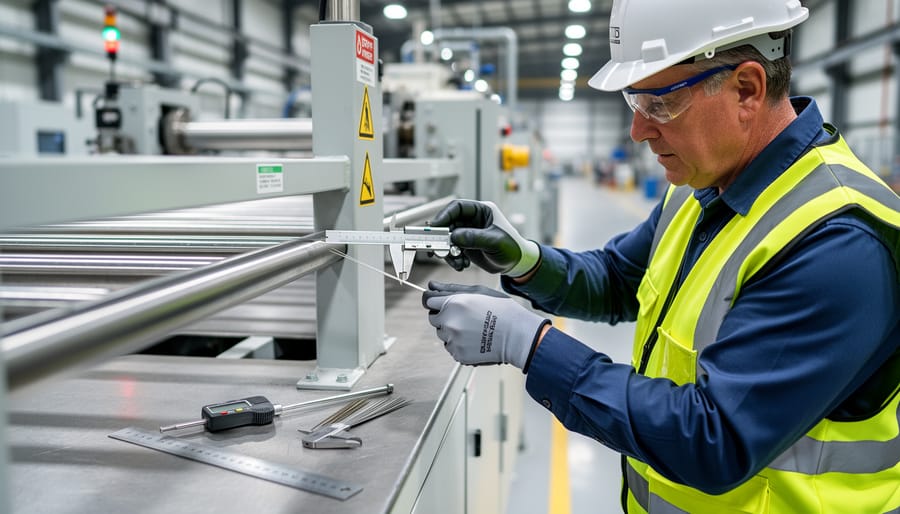
Basic Measuring and Testing Equipment
Accurate measurements are the foundation of effective guard inspection. The most versatile tool in your kit will be a set of digital or dial calipers, which measure gaps, openings, and guard positioning with precision. Calipers can measure both inside and outside dimensions, making them perfect for checking if guard openings meet safety standards. Most regulations specify maximum opening sizes to prevent fingers or hands from reaching hazardous zones, typically around 6-13mm depending on the distance from the danger point.
Gap gauges, also called feeler gauges, are thin metal strips in graduated thicknesses that help verify clearances between moving parts and guards. Simply slide different thickness strips into the gap until you find the one that fits snugly. This tells you the exact measurement without expensive equipment.
A quality steel ruler or tape measure remains essential for checking overall guard dimensions and positioning. Look for models with clear markings in both metric and imperial units since safety standards may reference either system.
Understanding tolerance is crucial. Tolerance means the acceptable range of variation from a specified measurement. If a standard requires a maximum 10mm gap, a tolerance of plus or minus 0.5mm means anything between 9.5mm and 10.5mm is acceptable. Community feedback consistently emphasizes checking manufacturer specifications for exact tolerance requirements, as these can vary between different machine types and jurisdictions. Document all measurements during inspections to track wear patterns and maintain compliance records.
Specialized Detection Tools
Specialized detection tools help identify potential equipment failures before they become safety hazards. These instruments measure forces, vibrations, temperatures, and electrical properties that aren’t visible to the naked eye.
Torque wrenches ensure fasteners on machine guards and safety covers maintain proper tightness. Under-torqued bolts can loosen during operation, while over-torqued ones may strip threads or crack components. DIY workshop owners typically need basic click-type torque wrenches for routine guard reattachment, while manufacturing facilities require calibrated digital models with documentation for compliance audits.
Vibration meters detect abnormal oscillations in rotating machinery. Excessive vibration often indicates worn bearings, misaligned parts, or loose guards that could fail unexpectedly. Hobbyists can use smartphone apps with acceptable accuracy for basic monitoring, but professional environments need dedicated analyzers that record data trends and meet OSHA documentation requirements.
Thermal imaging cameras reveal hot spots caused by friction, electrical resistance, or blocked ventilation around guarded equipment. Temperature anomalies frequently signal impending failures. Entry-level thermal cameras work well for small workshops conducting periodic inspections, while industrial settings benefit from advanced models offering temperature measurement and report generation capabilities.
Electronic testing devices like multimeters and circuit testers verify proper grounding and interlock function on machine guards. These tools confirm that safety switches actually cut power when guards open. Basic multimeters serve most DIY applications, but professional facilities should invest in ground resistance testers and lockout/tagout verification equipment.
Community feedback consistently emphasizes that even hobbyists benefit from owning at least one specialized detection tool, particularly thermal cameras, which catch problems traditional inspections miss.
Documentation and Tracking Tools
Keeping accurate records of your inspections isn’t just about compliance—it’s about creating a safety culture and catching problems before they become accidents. Whether you run a small workshop or manage a larger facility, the right documentation system makes inspections faster and more consistent.
Start with inspection checklists tailored to your specific equipment. Simple paper checklists work perfectly for smaller operations and cost nothing to implement. Create templates that list every guard, safety interlock, and emergency stop on each machine. Many safety equipment suppliers offer free downloadable templates you can customize. The key is making them specific enough to be useful but simple enough that workers actually complete them.
Color-coded tagging systems provide instant visual feedback on equipment status. Green tags indicate passed inspections, yellow flags minor issues requiring attention, and red tags lock out equipment needing immediate repair. These physical tags cost just a few dollars per roll and work alongside any digital system.
For digital tracking, several mobile apps now cater to workshop safety management. Free options like Google Forms or Microsoft Forms let you create custom inspection checklists accessible on any smartphone. Workers can snap photos of issues and timestamp entries automatically. Paid solutions like SafetyCulture (formerly iAuditor) or EHS Insight offer advanced features like automated scheduling, trend analysis, and compliance reporting starting around $20-50 monthly per user.
Cloud-based record keeping ensures inspection history survives equipment changes and staff turnover. Even basic spreadsheet software stored in Google Drive or Dropbox provides searchable archives that auditors appreciate and insurance companies may require.
Step-by-Step Tool Guard Inspection Process
Visual Inspection Techniques
Visual inspection remains the foundation of effective manufacturing safety checks, requiring nothing more than your eyes, good lighting, and attention to detail. Start by examining all exposed surfaces for cracks, which often appear as fine lines that may darken over time as debris accumulates. Metal fatigue typically shows up near joints, welds, or areas of repeated stress. Run your finger lightly across suspected areas—you’ll often feel a crack before you can clearly see it.
Wear patterns tell important stories about equipment alignment and usage. Look for uneven surface degradation, shiny spots where metal rubs repeatedly, or grooves that shouldn’t exist. These indicators help you catch problems before they become failures.
Corrosion presents differently depending on the material: rust on steel appears as reddish-brown flaking, while aluminum develops white powdery deposits. Don’t ignore surface discoloration—it’s often the first warning sign. Check hidden areas like undersides and corners where moisture collects.
Missing components are surprisingly common oversights. Walk through your checklist systematically, verifying every bolt, washer, pin, and guard is present. One missing piece can compromise an entire safety system.
For loose fasteners, combine visual checks with physical testing. Look for gaps between parts that should sit flush, witness marks that have shifted position, or paint seals that have cracked. Then, using appropriate tools, verify torque specifications haven’t degraded. Many experienced inspectors gently tap fasteners with a wrench—a dull sound often indicates looseness, while a clear ring suggests proper tension.
Document every finding with photos, noting exact locations and conditions. This creates valuable reference material for tracking deterioration patterns over time.

Functional Testing Methods
Testing the functionality of machine guards and safety devices is crucial, but it must be done with extreme caution to avoid creating the very hazards you’re trying to prevent. Before beginning any functional tests, always wear proper safety equipment and ensure all personnel are clear of the danger zone.
Start by conducting a lockout/tagout procedure before testing any guard mechanisms. This means disconnecting the power source and securing it so the machine cannot accidentally start during inspection. Once isolated, manually check that guards cannot be easily removed or bypassed without tools.
For interlock testing, the process is straightforward but requires two people for safety. With the machine properly isolated, open each guard that has an interlock switch while a colleague monitors the control panel. The machine should not operate when any guard is open. Document each interlock’s response in your inspection log.
Emergency stop buttons need regular testing too. After proper lockout procedures, press each e-stop to verify it mechanically latches in the depressed position and doesn’t spring back. Only after visual confirmation should you cautiously restore power in a controlled test environment to verify the electrical function stops all machine motion immediately.
Never bypass safety devices during testing, even temporarily. If a guard or interlock fails any test, tag the machine as out of service until repairs are completed by qualified personnel.
Recording Your Findings
Proper documentation turns your inspections from routine checks into legal protection and safety records. Start by creating a standardized inspection form that includes the date, inspector’s name, equipment identification number, and specific checkpoints you’ve examined. Many workshops now use smartphone apps or tablets to photograph defects alongside written notes, creating visual evidence that’s invaluable during audits or incident investigations.
When you discover a problem, the documentation becomes even more critical. Record the exact issue, its severity, and immediate actions taken. If equipment fails inspection, attach a physical lockout-tagout tag to prevent use until repairs are complete. This tag should clearly state why the equipment is out of service, who removed it from service, and the date. Never remove someone else’s tag without proper authorization.
Keep your compliance records organized and accessible for at least the minimum period required by your local regulations, typically five to seven years. Digital backups prevent loss from damage or misplacement. Many professionals in our community recommend color-coding your records by urgency: green for passed inspections, yellow for items needing attention soon, and red for immediate concerns. This system helps prioritize maintenance schedules and demonstrates your commitment to safety during workplace inspections.

Maintenance Best Practices Between Inspections
Daily and Weekly Quick Checks
Start each shift with a simple walk-around inspection of your guarding equipment. Look for obvious damage like cracks, dents, or missing fasteners on machine guards. Check that all protective barriers are securely mounted and haven’t shifted out of position during previous use.
Run a quick functionality test on interlocked guards by opening and closing them to ensure machines automatically shut down when accessed. This takes just seconds but confirms your safety systems are working properly. Listen for unusual sounds that might indicate loose components.
Weekly checks should go deeper. Examine transparent guards for scratches or cloudiness that reduce visibility, as these need replacement when you can’t clearly see the work area. Inspect all mounting bolts and brackets for tightness, and look for wear patterns around hinges and contact points.
Keep a simple checklist near each workstation so operators can document these quick checks. Many facilities use smartphone photos to track guard condition over time, creating a visual record that helps identify gradual deterioration before it becomes dangerous. This community-driven approach ensures everyone contributes to workplace safety and catches problems early.
Cleaning and Lubrication Schedules
Regular maintenance keeps tool guards functioning reliably and extends their lifespan. Most manufacturers recommend cleaning guards after each shift or at minimum weekly, depending on your work environment. Dust, metal shavings, and oil buildup can interfere with proper guard operation and obscure safety labels.
For routine cleaning, use a soft brush or compressed air to remove debris from moving parts and hinges. Wipe down surfaces with a lint-free cloth dampened with mild detergent solution. Avoid harsh solvents that might degrade plastic components or remove safety markings. Many workshop managers in our community recommend Simple Green or similar pH-neutral cleaners for general guard maintenance.
Lubrication frequency depends on guard type and usage intensity. Hinged guards and adjustable components typically need light machine oil monthly. Apply a few drops to pivot points and sliding mechanisms, then work the guard through its full range of motion. WD-40 Specialist Dry Lube works well in dusty environments since it won’t attract particles.
Create a maintenance log to track cleaning dates and any issues discovered. This documentation proves compliance during safety inspections and helps identify guards needing replacement. Several users have shared their maintenance checklists in our forums, providing real-world schedules adapted to different workshop conditions. Regular upkeep takes minimal time but significantly reduces the risk of guard failure when you need protection most.
When to Replace vs. Repair
Making the repair-or-replace decision starts with assessing the damage severity. Minor issues like loose mounting bolts, small cracks in non-critical areas, or worn labels typically warrant repair. Replace guards immediately if you find structural damage, missing sections, or cracks near stress points that could fail during operation.
Consider the cost factor: if repairs exceed 50-60% of replacement cost, buying new usually makes better financial sense. Factor in downtime too—a quick replacement might cost more upfront but gets equipment back in service faster than waiting for custom repairs.
Check manufacturer recommendations and compliance standards. Some damage automatically disqualifies a guard from further use, regardless of repair feasibility. When guards are several years old and showing wear, replacement often provides better long-term value with updated safety features and fresh warranty coverage.
Document your decision-making process for safety audits. Take photos, note measurements, and record why you chose repair or replacement. This creates a paper trail demonstrating your commitment to workplace safety and helps justify budget requests to management.
Common Inspection Mistakes (And How to Avoid Them)
Even experienced professionals fall into inspection traps that can have serious consequences. Based on feedback from workshop managers and safety officers across manufacturing facilities, here are the most common mistakes and how to prevent them.
The biggest pitfall? Rushing through visual checks without proper documentation. One community member shared how their team discovered a cracked guard weeks after it should have been replaced, simply because no one recorded the initial hairline fracture during routine inspection. Always log findings immediately, even minor wear patterns, using a dedicated checklist or digital system.
Another frequent error involves skipping tool functionality tests under the assumption that “it looks fine.” Guards can appear intact but fail to retract properly or lock in position during operation. Test every moving component during each inspection cycle, not just when something seems obviously wrong.
Many facilities also make the mistake of assigning inspection duties to untrained staff. Without understanding what constitutes acceptable wear versus critical damage, inspectors miss warning signs. Invest in proper training for anyone conducting tool guard assessments, emphasizing proper guard usage alongside inspection techniques.
Using incorrect measurement tools represents another common shortcut. Eyeballing clearances or using makeshift gauges instead of calibrated measuring instruments compromises accuracy. Keep dedicated, calibrated tools specifically for guard inspections and verify their accuracy regularly.
Finally, several users reported delaying repairs to avoid downtime. This penny-wise, pound-foolish approach puts workers at risk and typically results in more expensive fixes later. Immediately tag out and repair any equipment with compromised guards. The short-term inconvenience far outweighs potential injury costs and regulatory penalties.
Building Your Inspection Schedule
Creating an effective inspection schedule doesn’t need to be complicated. Start by categorizing your equipment into three groups: high-use tools requiring weekly checks, moderate-use equipment needing monthly inspections, and specialized machinery warranting quarterly reviews. Safety-critical items like grinders, saws, and presses with guards should always fall into the weekly category, regardless of usage frequency.
Your inspection calendar should account for manufacturer recommendations, workplace safety regulations, and real-world usage patterns. For example, a power saw used daily needs more frequent guard inspections than one used occasionally. Document each inspection date, findings, and any corrective actions taken. This creates an audit trail that satisfies compliance requirements while helping you spot patterns before they become problems.
Consider downloading a simple spreadsheet template with columns for equipment name, last inspection date, next scheduled check, inspector name, and status notes. Many workshop managers find success using color-coding: green for passed inspections, yellow for minor issues requiring monitoring, and red for immediate attention needed.
Regulatory bodies typically mandate regular safety inspections at specific intervals, but your schedule should exceed these minimums based on actual conditions. High-dust environments, heavy production schedules, or multi-shift operations all warrant more frequent checks. Remember, a proactive inspection schedule prevents accidents and reduces downtime, making it an investment rather than a chore.
Consistent inspection routines and proper tool use aren’t just checkbox exercises—they’re your frontline defense against workplace injuries and costly downtime. Whether you’re managing a professional workshop or maintaining equipment in your home garage, the principles remain the same: inspect regularly, document findings, and address issues immediately.
The good news? You don’t need to overhaul everything overnight. Start with one simple improvement this week. Pick your most-used piece of equipment and conduct a thorough guard inspection using the checklist approach we’ve covered. Note what you find, make necessary adjustments, and set a reminder for your next check. Small, consistent actions build safer workspaces.
We’d love to hear from your experience. What inspection challenges have you faced? Have you discovered a particularly effective technique or tool that deserves recognition? Your insights help fellow community members learn and improve their own safety practices.
Your next steps are straightforward: review your current inspection schedule, identify any gaps, and commit to addressing at least one vulnerable area. Remember, proper tool guarding and maintenance protect not just equipment, but the people who rely on it daily. Start today, stay consistent, and share what works.
Related Posts


Post a Comment