

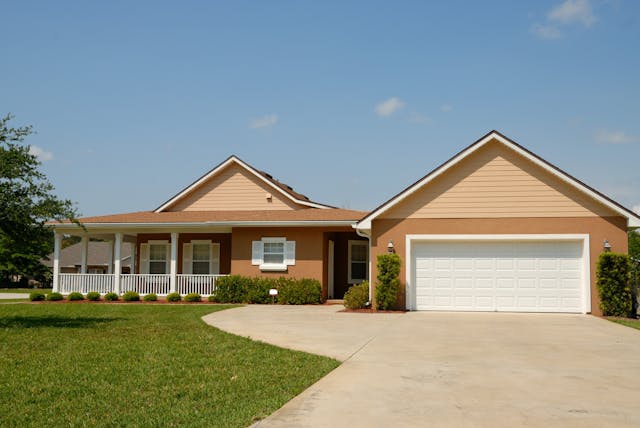
Property taxes are a big part of owning a home, but a lot of people don’t really know how they work. The idea of paying a yearly tax on your house seems simple, but the way they figure it out can be a bit tricky. Knowing how these taxes are calculated is important for any homeowner. It helps you plan your money and gives you a way to challenge your tax bill if you think it’s wrong.
What Exactly Is a Property Tax?
At its most basic, a property tax is a tax on land and buildings. Your local government—like your city, county, or school district—charges this tax to pay for things we all use. The money from property taxes helps fund schools, fire departments, police, roads, libraries, and other community services.
The amount you have to pay is based on the value of your property. This is why it’s also called a “tax according to value.” The more your home is worth, the more tax you generally pay.
How Your Property Tax Is Figured Out
Your property tax bill is usually based on two main numbers: your home’s assessed value and the local tax rate.
- Assessed Value: A local government official, called an assessor, decides the assessed value of your home. This value is often a percentage of what your home would sell for on the open market. The percentage can be different from one place to another. For example, your house might be worth $400,000, but its assessed value—the number they actually tax you on—might be set at 50% of that, which is $200,000.
- Tax Rate: The tax rate, or “mill rate,” is a number set by local governments to figure out how much money they need to collect. The rate is usually given in “mills.” One mill is a way of saying you pay $1 for every $1,000 of your home’s assessed value.
To get your tax bill, you multiply your home’s assessed value by the tax rate. For example, if your home’s assessed value is $200,000 and the tax rate is 15 mills, your tax bill would be $3,000 ($200,000 divided by 1,000, then multiplied by 15).
Things That Can Change Your Tax Bill
A few things can affect how much you pay in property taxes.
- Home Improvements: Making big changes to your house—like adding a new room, building a garage, or putting in a new kitchen—can increase what your house is worth. This can lead to a higher assessed value and, as a result, a higher tax bill.
- Exemptions: Many local governments have exemptions that can lower your tax bill. These are often like a discount for certain groups of people, such as senior citizens, veterans, or people with disabilities. There are also homestead exemptions, which can lower the taxable value of your main home.
- Appealing Your Assessment: If you think your property has been assessed unfairly, you have the right to challenge it. The process usually involves getting proof, like recent sale prices of other homes nearby, to show that your home’s value is lower than what the government says it is.
One useful tool for people dealing with housing costs, especially in a unique situation like moving for the military, is the Defence Housing Australia (DHA) rental calculator. While it doesn’t calculate property taxes, it’s a great example of an official tool that helps you figure out your finances. The DHA rental calculator helps members of the Australian Defence Force estimate their rental allowance and contribution based on where they live, their rank, and family size. This helps them budget for all their housing expenses, including any taxes that might be part of the total cost. This shows how different tools can give you a clearer picture of your overall housing money.
When and How to Pay
Property taxes are usually paid once or twice a year, though the exact dates and ways to pay change depending on where you live.
- Pay it Yourself: You’ll get a tax bill in the mail that you can pay directly. You can use a check, a money order, or sometimes even pay online.
- Through Your Mortgage: Most homeowners pay their property taxes as part of their regular monthly mortgage payment. Your lender collects a small amount each month and holds it in a special savings account for you. This is called escrow. Your lender uses the money in this account to pay it for you once your bill is due. This is a simple way to budget for the large yearly bill, so you don’t have to save up a lump sum all at once.
Knowing about property taxes is a key part of being a responsible homeowner. It helps you understand what you’re paying for and makes sure you aren’t surprised by unexpected costs.
Related Posts


Post a Comment