

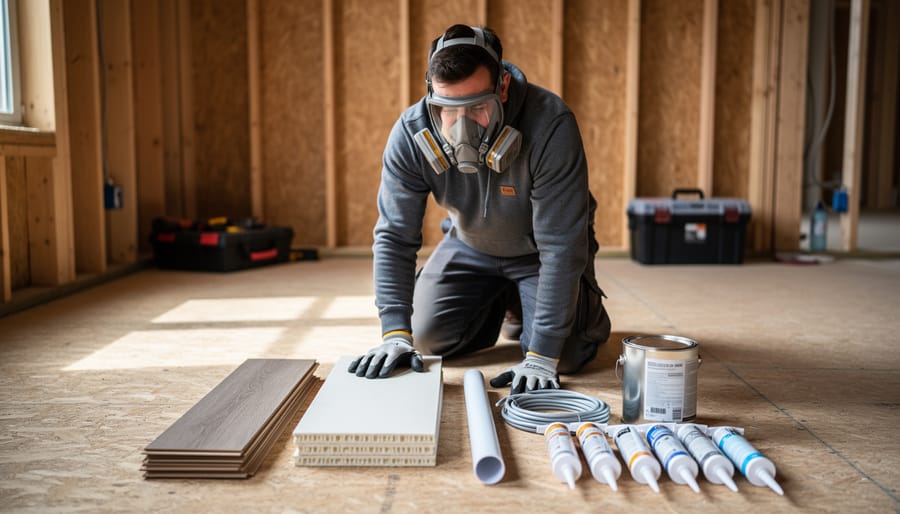
Materials compliance determines whether the products you’re installing in homes and buildings contain chemicals that could harm human health over time. That adhesive backing your vinyl flooring, the foam insulation in your walls, or the fire retardants in your electrical wiring might contain substances linked to cancer, hormone disruption, or respiratory problems—and you’d never know without checking compliance documentation.
The building industry uses frameworks like the International Living Future Institute’s Red List to identify the worst offenders: materials containing asbestos, lead, mercury, cadmium, formaldehyde, and dozens of other harmful chemicals. These aren’t obscure industrial compounds. They’re in common products sitting on store shelves right now, from certain paints and sealants to composite wood products and PVC pipes.
Understanding materials compliance protects three groups: the workers handling these products during installation, the occupants breathing indoor air for years afterward, and the environment when materials eventually break down or get demolished. For professionals, it’s increasingly becoming a contractual requirement as green building standards gain traction. For DIYers, it’s about making informed choices that won’t compromise your family’s health.
The challenge isn’t just knowing which materials to avoid—it’s learning how to verify compliance through manufacturer declarations, third-party certifications, and ingredient transparency documents. Many products look identical but have vastly different chemical compositions. The difference between a compliant material and a problematic one often comes down to reading the fine print and asking the right questions before you buy.
What Is Materials Compliance and Why Should You Care?
The Red List Explained: Chemicals to Avoid
The Red List, created by the International Living Future Institute, is essentially a “do not use” list for building materials. Think of it as a guide that identifies the worst offenders—chemicals so harmful to human health and the environment that they should be eliminated from construction projects altogether. The Red List isn’t just for architects and large-scale builders; it matters to anyone working with building materials, from weekend DIYers to professional contractors.
The list targets chemicals commonly found in everyday building products. Here are the most frequently encountered Red List chemicals you should watch for:
Formaldehyde shows up in pressed wood products, insulation, and some adhesives. It’s a known carcinogen that can cause respiratory irritation and long-term health issues.
Phthalates are plasticizers found in vinyl flooring, some paints, and flexible plastics. They’re linked to hormone disruption and reproductive problems.
Lead persists in older paint, some plumbing fixtures, and imported materials despite being banned in many applications.
PVC (polyvinyl chloride) appears in pipes, flooring, and window frames. The production and disposal of PVC releases dangerous dioxins into the environment.
VOCs (volatile organic compounds) are prevalent in conventional paints, stains, adhesives, and sealants. They off-gas toxic fumes that contribute to poor indoor air quality.
Flame retardants containing halogenated compounds are added to insulation, wiring, and furniture foam but have been connected to cancer and neurological damage.
Understanding these chemicals helps you make informed choices when selecting materials for your projects, protecting both your health and your family’s wellbeing.
How These Materials Affect Your Health and Safety
Working with non-compliant materials creates genuine health risks that go beyond paperwork concerns. When you’re cutting, sanding, or installing materials daily, understanding these hazards protects both immediate wellbeing and long-term health.
Poor ventilation amplifies chemical exposure dramatically. Volatile organic compounds (VOCs) from adhesives, sealants, and treated timber release fumes that cause headaches, dizziness, and respiratory irritation in the short term. In enclosed spaces without proper airflow, these chemicals concentrate quickly. Long-term exposure links to more serious conditions including liver damage and increased cancer risk. Always work in well-ventilated areas and use appropriate respiratory protection when handling materials with strong chemical odors.
Skin contact with non-compliant materials often goes overlooked but matters significantly. Formaldehyde resins in pressed wood products, chromium compounds in treated timber, and certain flame retardants cause dermatitis and allergic reactions. Repeated exposure without gloves increases sensitization, meaning reactions worsen over time. Some substances absorb through skin directly into your bloodstream.
Dust from cutting or drilling problematic materials presents particular danger. Fine particulates containing heavy metals, asbestos (in older materials), or toxic additives lodge deep in lungs where they remain indefinitely. This cumulative exposure contributes to conditions like silicosis, asbestosis, and chronic respiratory disease. Using materials verified as compliant significantly reduces these risks, contributing to healthier indoor environments and protecting everyone working on-site. Prevention costs less than treatment, making materials compliance a practical investment in your health.
Common Building Materials That Fail Compliance Standards
Paints, Coatings, and Sealants
Paints, coatings, and sealants often contain volatile organic compounds (VOCs), which are chemicals that evaporate into the air and can cause headaches, respiratory issues, and long-term health problems. Common culprits include formaldehyde, benzene, and toluene. When shopping for these products, check labels for VOC content measured in grams per liter. Low-VOC products contain less than 50 g/L, while zero-VOC options have minimal emissions, though they may still contain other harmful additives.
Beyond VOCs, watch for heavy metals like lead and chromium in older paint formulas, and phthalates in sealants, which can disrupt hormones. The label should list all ingredients, not just VOC levels. Look for third-party certifications like Green Seal or Greenguard Gold, which verify lower chemical emissions.
Safer alternatives include natural paints made from milk protein, clay, or plant oils. Water-based acrylics generally emit fewer VOCs than oil-based products. For sealants, silicone options typically contain fewer harmful chemicals than polyurethane varieties. Many professional contractors report that low-VOC products now perform comparably to traditional formulas, making the switch easier than ever. Always ensure proper ventilation during application, regardless of the product you choose.
Insulation and Building Boards
Foam insulation products, particularly spray polyurethane foam, frequently contain flame retardants and blowing agents that appear on materials watchlists. If you’re planning a shed build or basement finishing project, understanding these concerns matters for your health and compliance. Traditional rigid foam boards may contain halogenated compounds, while older fiberglass batts sometimes include formaldehyde-based binders.
Particleboard and oriented strand board (OSB), common in flooring underlayment and wall sheathing, often rely on urea-formaldehyde adhesives. These release volatile organic compounds over time, especially in poorly ventilated spaces. When selecting materials for your project, check product data sheets for adhesive types and certifications like GREENGUARD or California Air Resources Board Phase 2 compliance.
The good news? Green insulation alternatives now include mineral wool, cellulose, and formaldehyde-free boards that perform just as well. Many rental locations stock tools compatible with these safer materials. Before purchasing insulation or sheet goods, ask suppliers for Safety Data Sheets and look for third-party certifications. Community reviews on product performance can also guide you toward options that balance safety, effectiveness, and budget constraints for your specific application.
Flooring Materials and Adhesives
Flooring materials deserve special attention because they cover large surface areas and can off-gas chemicals for years. Vinyl flooring frequently contains phthalates as plasticizers, which help keep the material flexible but can release volatile organic compounds into your indoor air. Similarly, carpet backing often uses adhesives with formaldehyde, a known irritant and carcinogen.
When planning flooring projects, check product specifications for certifications like FloorScore or GreenGuard, which test for low chemical emissions. Ask suppliers directly about phthalate-free vinyl options or look for alternatives like natural linoleum, cork, or solid hardwood. For carpet installations, choose products with Green Label Plus certification and use low-VOC adhesives.
If you’re removing old flooring, especially vinyl installed before the 1980s, be aware it may contain asbestos. Professional testing and removal may be necessary. When installing new floors, proper ventilation during and after installation helps dissipate any initial off-gassing. Allow 48-72 hours of ventilation with windows open before occupying newly floored spaces.
How to Check If Your Materials Are Compliant
Reading Labels and Safety Data Sheets
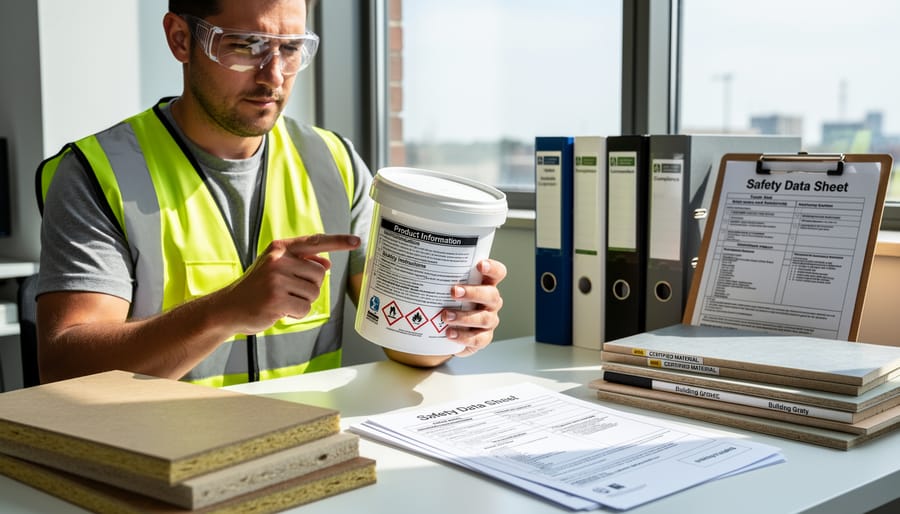
When you’re standing in the hardware store aisle, flip the product over and look for the label—it’s your first line of defense. Start with the hazard pictograms, those diamond-shaped symbols that warn about health risks, flammability, or environmental dangers. A skull and crossbones or health hazard symbol should make you pause and consider alternatives.
Next, scan for phrases like “Contains VOCs,” “Use in well-ventilated area,” or specific chemical names you recognize from Red Lists. If the label mentions formaldehyde, phthalates, or heavy metals like lead, that’s your cue to keep shopping.
For bigger decisions, ask the store for the Safety Data Sheet, or SDS. Section 2 lists hazards clearly, while Section 3 breaks down the chemical ingredients. Don’t let the technical language intimidate you—focus on anything flagged as carcinogenic, a reproductive toxin, or persistent in the environment.
Red flags to watch for include vague terms like “proprietary blend” without disclosure, warnings about chronic health effects, or instructions requiring specialized protective equipment. If a product needs a respirator for safe use, question whether it belongs in your home or workspace. When in doubt, snap a photo of the label and research it before buying.
Certification Programs and Third-Party Verification
Third-party certifications take the guesswork out of materials compliance by providing independent verification that products meet specific health and environmental standards. Think of them as trusted seals of approval from organizations that have already done the testing for you.
The Declare label is straightforward transparency. It lists every ingredient in a product, much like nutrition labels on food. This matters when you need to know exactly what’s in that flooring or paint you’re installing. Cradle to Cradle certification goes further, evaluating materials for safety, recyclability, and environmental impact across their entire lifecycle. It uses a tiered system from Basic to Platinum, so you can match certification levels to your project requirements.
For indoor air quality, GreenGuard and GreenGuard Gold certifications verify that products have low chemical emissions. The Gold standard is stricter and recommended for spaces like schools, healthcare facilities, or homes with children. If you’re working on residential renovations where families will live and breathe daily, prioritize GreenGuard certifications for paints, adhesives, and composite materials.
Different projects have different priorities. Commercial buildings often require multiple certifications to meet LEED requirements, while residential work typically focuses on emission standards. Healthcare and educational projects usually demand the highest verification levels. When selecting materials, look for products displaying these labels and request documentation from suppliers to confirm current certification status.
Online Tools and Databases
When you need to verify whether a material meets compliance standards, several free databases can help. The International Living Future Institute’s Declare database lets you search products by their transparency and Red List status. The Health Product Declaration (HPD) Open Standard provides detailed ingredient information for thousands of building materials. For chemical safety data, check the EPA’s Safer Choice list and the Environmental Working Group’s Guide to Healthy Cleaning. Many manufacturers now post compliance certifications directly on their websites—look for third-party verifications like Cradle to Cradle or GreenGuard Gold. These resources empower you to make informed decisions before purchasing or specifying materials for your project.
Safer Alternatives: Making Better Material Choices

Budget-Friendly Compliant Materials
Good news: choosing compliant materials doesn’t require breaking your budget. Many sustainable building materials that meet health standards are competitively priced with conventional options. Low-VOC paints typically cost only 10-15% more than standard varieties, and you’ll find them at major hardware chains like Bunnings and Mitre 10. Formaldehyde-free plywood and MDF are increasingly common, with prices approaching standard options as demand grows. For flooring, natural linoleum and certain bamboo products offer compliant alternatives at similar price points to vinyl. Check manufacturer spec sheets available online before purchasing, and don’t hesitate to ask store staff about healthier options. Many retailers now highlight eco-friendly and low-emission products with clear labelling, making selection easier for everyone from weekend DIYers to professional builders.
When to Prioritize Compliance in Your Projects
Not all projects demand the same level of materials compliance scrutiny. Indoor living spaces where people spend significant time—bedrooms, kitchens, nurseries, and home offices—benefit most from compliant materials since occupants breathe the same air for extended periods. Projects involving children’s spaces or areas used by sensitive individuals should be top priority.
Contrast this with outdoor structures like detached sheds or fencing, where ventilation naturally reduces exposure risks. However, outdoor projects aren’t exempt; consider runoff from treated lumber affecting soil and groundwater.
High-moisture areas like bathrooms require special attention since humidity can accelerate off-gassing from non-compliant adhesives, sealants, and flooring. Similarly, any project creating dust during installation—drywall work, insulation, flooring removal—warrants compliance checking to protect both installers and future occupants.
Storage areas and garages fall somewhere in between. While they’re lower priority than living spaces, frequently accessed storage rooms still benefit from safer material choices. When budget constraints exist, focus compliance efforts on spaces with maximum human contact and minimal ventilation first.
Working Safely with Non-Compliant Materials
Essential Safety Equipment and Protective Gear
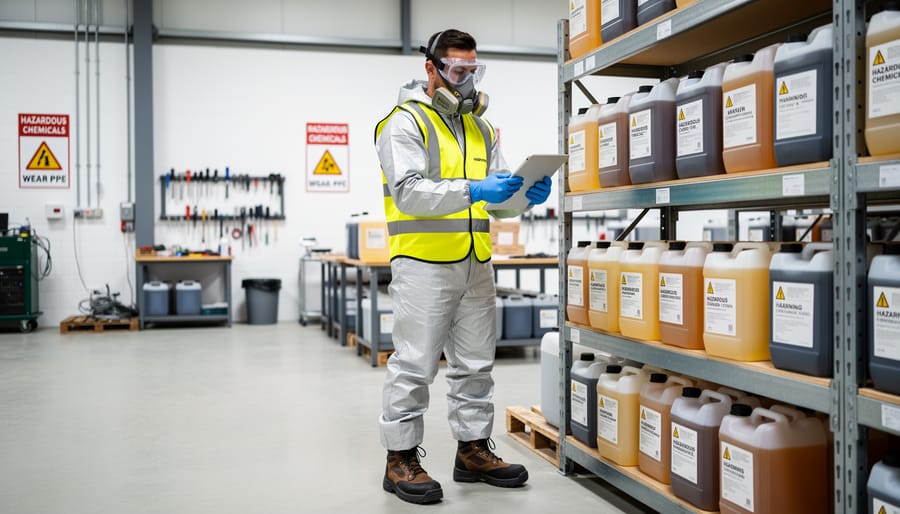
When working with materials that may contain hazardous substances, proper protective equipment isn’t optional. At minimum, you’ll need a NIOSH-approved respirator rated for the specific contaminants you’re handling. For lead paint removal or asbestos-containing materials, use a P100-rated respirator with replaceable cartridges. Nitrile gloves offer chemical resistance for most applications, while disposable coveralls prevent contamination of your clothing and skin.
Eye protection with side shields protects against airborne particles, and closed-toe work boots complete your basic safety kit. Don’t own specialized extraction equipment? Many tool rental centers offer HEPA-filtered vacuums and negative air machines designed for containment work. These rental options make compliance more accessible without the upfront investment. Portable ventilation fans help maintain air quality during projects involving volatile organic compounds or dust generation. Before starting any material removal or installation project, verify which protective measures your local building codes require and consider consulting the material’s Safety Data Sheet for specific handling recommendations.
Proper Disposal and Waste Management
When you discover materials that don’t meet compliance standards, responsible disposal protects both human health and the environment. Start by contacting your local council’s waste management department to understand specific regulations for hazardous materials in your area. Many substances on Red Lists, like lead-based products or certain chemical treatments, require specialized handling and cannot go in standard skips.
Before disposing of anything, photograph materials and check product labels for disposal codes. Your local waste transfer station can direct you to licensed facilities that accept specific non-compliant materials. Some councils offer free hazardous waste collection days for residents, while commercial projects typically require certified waste carriers.
Following proper disposal practices isn’t just about compliance—it prevents contamination of soil and waterways. Keep disposal receipts as proof of responsible handling, particularly important for renovation projects requiring compliance documentation. If unsure about a material’s classification, consult with your waste facility before transport. They can advise on packaging requirements and acceptance criteria, ensuring your disposal meets all regulatory standards while protecting community health.
Making informed choices about materials compliance doesn’t require an engineering degree or certification. Every small step you take toward using compliant materials creates ripple effects that benefit both your personal health and the broader environmental impact of building projects. Whether you’re selecting paint for a weekend renovation or specifying materials for a commercial build, understanding what’s in your materials empowers better decision-making.
Start with one simple change in your next project. Choose low-VOC paint instead of conventional options, or swap out that composite board for solid timber. These incremental improvements add up over time and across projects.
We want to hear from you. What compliant materials have you successfully used in your projects? Have you encountered challenges finding alternatives to Red List materials? Share your experiences, product reviews, and practical tips in the comments below. Your insights help fellow DIYers and tradespeople navigate materials compliance more confidently. Together, we can build a community resource that makes healthier building accessible for everyone.
Related Posts


Post a Comment