

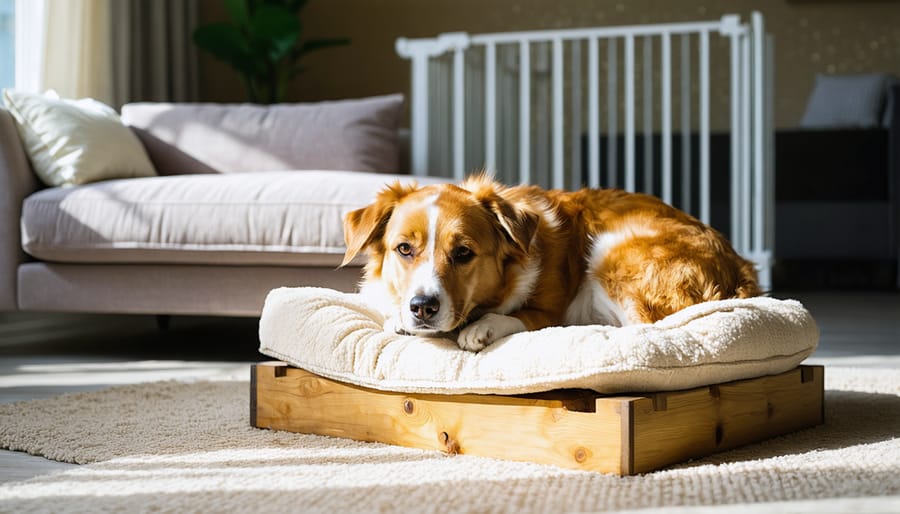
**Redirect your pet’s attention by building attractive alternatives that rival your furniture’s appeal.** Create a custom elevated pet bed using rental sanders and drills to craft smooth, splinter-free surfaces your dog or cat will prefer over your couch. Position these alternatives strategically in the same rooms where furniture violations occur most frequently.
**Apply pet-safe deterrents to furniture surfaces immediately.** Double-sided tape, aluminum foil, or commercial pet repellent sprays create unpleasant textures that discourage jumping without causing harm. Consistency is crucial—reapply deterrents daily until new habits form, typically 2-3 weeks.
**Establish clear boundaries through positive reinforcement training.** Reward your pet within seconds of choosing their designated furniture with treats and praise. Never punish after-the-fact, as pets cannot connect delayed consequences with earlier actions.
**Construct physical barriers during the training phase.** Build temporary pet gates or furniture covers using basic woodworking skills and affordable rental tools. These barriers prevent access when you cannot actively supervise, accelerating the behavior modification process.
The most effective approach combines immediate deterrents with long-term solutions—purpose-built pet furniture that satisfies your animal’s comfort needs while preserving your household items. With rental equipment, you’ll avoid expensive tool purchases while creating professional-quality results.
Why Pets Choose Your Furniture Over Theirs
The Comfort Factor
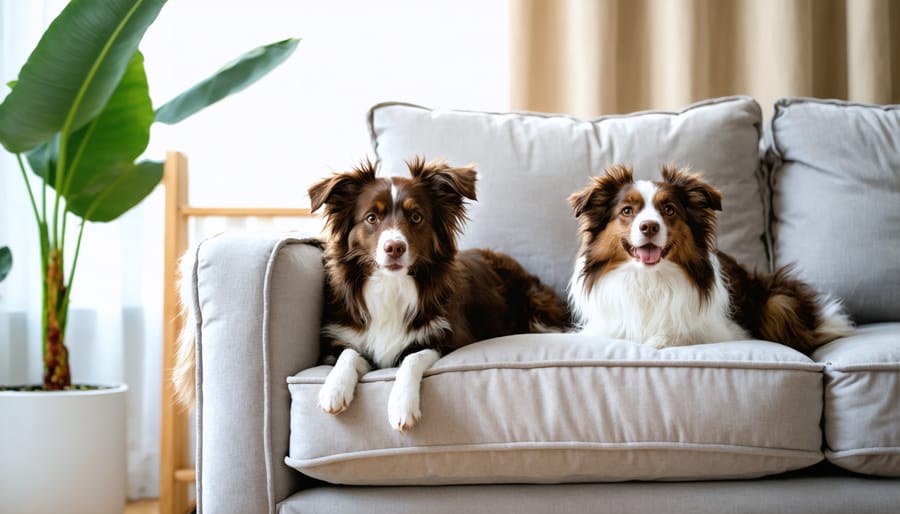
Understanding why pets gravitate toward your sofa or armchair is the first step in redirecting their behavior. From your pet’s perspective, human furniture offers three irresistible features: plush cushioning that cradles their body, soft fabric textures that mimic the comfort of bedding, and elevated positions that provide a sense of security while surveying their territory.
Many pet owners in our community have shared that their cats and dogs consistently choose furniture over floor space, even when pet beds are available. The reason is simple—your couch provides superior comfort and strategic positioning. Dogs appreciate how cushions support their joints, particularly beneficial for older animals, while cats favor elevated perches that satisfy their instinct to observe from above.
The solution isn’t forcing pets to sacrifice comfort, but rather creating equally appealing alternatives. By building custom pet furniture that replicates these comfort features using quality materials and proper construction techniques, you’ll address the root cause rather than simply deterring unwanted behavior. This approach respects your pet’s natural preferences while protecting your belongings.
Territory and Pack Behavior
Understanding your pet’s territorial instincts is the first step to addressing furniture-hopping behavior. Dogs and cats naturally gravitate toward elevated spots that offer a clear view of their surroundings—it’s an instinctive survival behavior that helps them monitor potential threats and activity in their environment.
Your furniture becomes particularly appealing because it carries your scent. Pets form strong bonds with their owners, and lounging on your couch or bed provides comfort and security when you’re away. This scent-marking behavior also explains why they return to the same spots repeatedly—they’re reinforcing their claim to what they perceive as shared territory.
This territorial drive doesn’t mean you’re stuck with fur-covered furniture forever. By recognizing these natural behaviors, you can redirect them effectively. Creating alternative elevated spaces that mimic the advantages of your furniture—height, comfort, and proximity to family activity—gives your pet a designated territory they’ll happily claim as their own. Many pet owners in our community have found success building custom pet furniture that serves these instinctual needs while protecting household items. The key is making these alternatives more appealing than your couch, which we’ll explore in the following sections.
Building Pet Furniture That Rivals Your Couch
Essential Tools and Materials You’ll Need
Building attractive pet furniture that keeps your furry friends off your own furniture doesn’t require expensive equipment purchases. Hiring tools makes this project affordable and accessible for everyone.
**Essential Tools (Available for Hire):**
– Orbital sander – smooths rough edges for pet-safe surfaces
– Jigsaw – cuts custom shapes in plywood for pet beds and ramps
– Cordless drill – assembles frames and attaches components securely
– Staple gun – attaches fabric and padding firmly
**Materials You’ll Need:**
– Plywood sheets (12mm thickness works well for most pet furniture)
– High-density foam padding (at least 50mm thick for comfortable pet beds)
– Pet-safe upholstery fabric (durable canvas or microfiber resists scratching)
– Wood screws and wood glue
– Non-toxic wood stain or paint
**Cost-Effective Sourcing Tips:**
Many DIY enthusiasts in our community recommend checking hardware store clearance sections for fabric remnants and foam offcuts. Local upholstery shops often sell scraps at fraction prices. For comprehensive guidance on selecting the right furniture making tools, review equipment specifications before hiring to ensure they suit your project’s scale and your skill level.
DIY Elevated Pet Beds
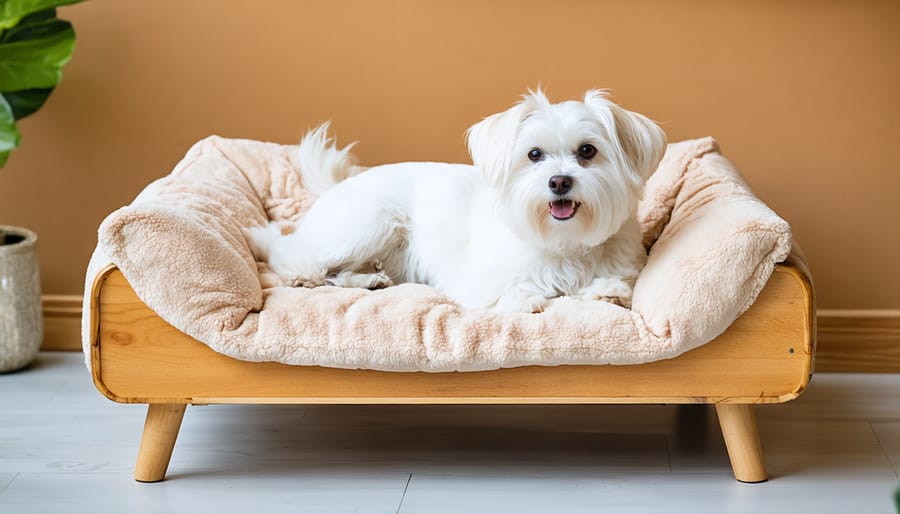
Building an elevated pet bed gives your furry friend the height advantage they’re seeking when they jump on your sofa, while protecting your furniture. Similar to creating a DIY dog feeding station, this project uses simple joinery that even beginners can master.
**Materials You’ll Need:**
– Four timber legs (50x50mm, cut to 20-30cm for small pets, 40-50cm for larger dogs)
– Frame timber (75x25mm)
– Plywood base (12mm thick)
– Wood screws and wood glue
– Cushion foam and washable fabric
**Step-by-Step Construction:**
Start by cutting your frame pieces to create a rectangle matching your pet’s stretched-out size—measure them while sleeping for accuracy. Use a cordless drill from your local hire shop to pre-drill holes, preventing wood splitting. Attach legs to each corner using pocket hole joinery or simple corner brackets for extra stability.
Secure the plywood base to the frame, then sand all edges smooth to prevent splinters. Apply a pet-safe wood finish if desired.
**Cushioning Tips:**
Cut high-density foam 5cm thick for comfort and support. Wrap it in durable, machine-washable fabric, securing underneath with a staple gun. Add a removable cover for easy cleaning.
Position your elevated bed near the furniture your pet favours, making it the more appealing choice.
Window Perches and Cat Shelves
Cats naturally gravitate toward high vantage points where they can survey their territory—it’s hardwired into their DNA. By installing window perches and cat shelves, you’re giving them the perfect alternative to your furniture while satisfying their climbing instincts.
Start with a simple window perch design using 1×12 boards cut to fit your windowsill width. For secure mounting, you’ll need a quality drill to create pilot holes that prevent wall damage. L-brackets provide the support—aim for one bracket every 12 inches for cats up to 15 pounds. Cover the platform with carpet remnants or outdoor fabric secured with a staple gun for grip and comfort.
For multi-level cat shelves, space platforms 12-18 inches apart vertically so your cat can easily jump between levels. Staggering them creates an engaging climbing path up your wall. Always locate wall studs using a stud finder before installation—drywall anchors alone won’t safely support your cat’s weight over time.
**Safety tip:** Test each shelf by pressing down with 20-25 pounds of force before allowing your cat access. Check mounting hardware monthly for any loosening.
Many DIYers share photos of their custom cat walls in online communities, offering inspiration and troubleshooting advice. These installations typically take 2-4 hours and transform unused vertical space into your cat’s favourite spot—keeping them happily off your couch.
Strategic Placement: Where to Put Pet Furniture
Mimicking Your Furniture’s Appeal
Understanding why your pet loves your furniture is the first step to creating an irresistible alternative. Pets gravitate toward couches and chairs for specific reasons—warmth, height advantage, comfort, and proximity to their humans.
**Strategic placement makes all the difference.** Position your pet’s new bed or furniture near heating vents during colder months, as pets naturally seek warm spots. Sunny windowsills and south-facing areas replicate the cozy warmth of your furniture. Many pet owners report success when they place pet beds in these naturally inviting locations.
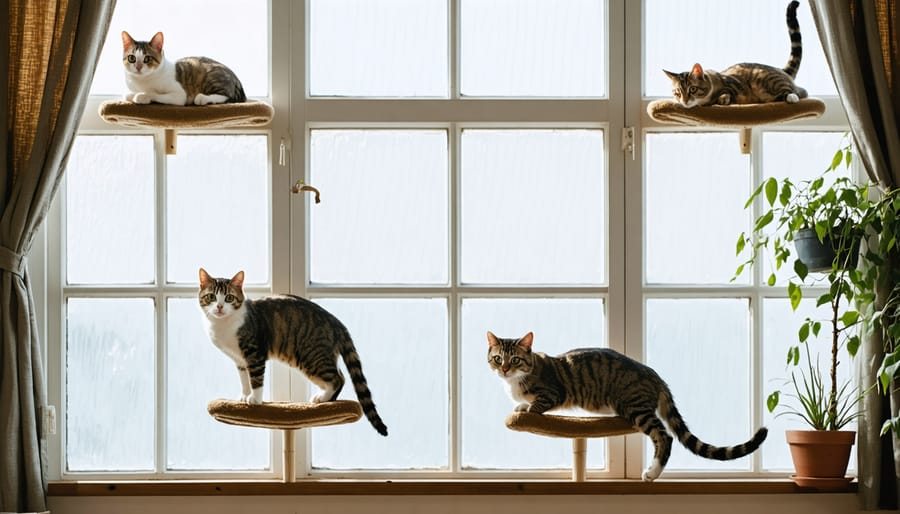
**Height matters more than you’d think.** Cats especially prefer elevated surfaces for security and observation. Consider building raised platforms or installing wall-mounted perches at similar heights to your furniture. For dogs, a slightly elevated bed can provide the same sense of importance as sitting on the couch.
**Mirror the comfort factor.** If your furniture has plush cushions, invest in quality pet bedding or add extra padding to DIY furniture projects. Community feedback consistently shows that pets transition more easily when their dedicated space offers comparable softness. Place the pet furniture in rooms where your family spends time—proximity to you often matters most.
Creating Pet Zones in Every Room
The key to keeping pets off your furniture is making sure they have their own comfortable spot in every room you spend time in. Think strategically about your home layout—if your dog loves being near you while you watch TV, place a pet bed within view of the lounge. No pet bed in that room? They’ll naturally gravitate to your sofa.
Start by identifying high-traffic areas where your pet typically lounges on furniture. Place attractive alternatives like raised pet beds, cushioned mats, or custom-built pet furniture in these zones. Many pet owners report success after adding just 2-3 well-placed pet zones throughout their home.
Consider building elevated pet platforms using rental tools—they’re easier to clean than floor-level beds and appeal to cats who naturally seek higher vantage points. You can even update your interiors by designing pet furniture that complements your décor rather than clashing with it.
Pro tip from the community: Make pet zones more appealing than your furniture by placing them near windows, heating vents, or in sunny spots. Add familiar blankets with your pet’s scent to encourage use. Consistency is crucial—if pets always have a designated space nearby, they’re far less likely to claim your furniture instead.
Making Human Furniture Less Appealing
DIY Furniture Covers and Barriers
Creating physical barriers offers an immediate, budget-friendly solution while you work on long-term training. These temporary deterrents make furniture surfaces uncomfortable or inaccessible without causing harm to your pets.
**Angled Boards and Ramps**
Lean smooth plywood or plastic boards against furniture at a 45-degree angle. Pets can’t gain footing on the slippery surface, discouraging jumping attempts. Cut boards to size with a circular saw, ensuring edges are sanded smooth to prevent splinters. This method works particularly well for couches and beds.
**Textured Mats and Surfaces**
Place upside-down carpet runners (nubby side up) or vinyl carpet protectors with pointy knobs on furniture surfaces. The uncomfortable texture deters most pets without causing injury. Community feedback shows this works especially well for cats who dislike the sensation on their paws.
**Mesh Barriers**
Install removable mesh fencing or baby gates around furniture perimeters. Attach lightweight mesh to wooden frames using a staple gun, creating custom-sized barriers that fit your space. These provide visual and physical boundaries while maintaining room airflow.
**Safety Note**: Always ensure barriers are stable and won’t topple onto pets. Avoid anything with sharp edges or small parts that could become choking hazards. Test solutions under supervision before leaving pets unattended.
Motion-Activated Deterrents
Motion-activated deterrents offer a hands-free approach to training pets without constant supervision. These devices use infrared sensors to detect movement, then respond with a harmless burst of compressed air or an ultrasonic sound that pets find unpleasant but humans often can’t hear.
**How They Work**
The sensor creates an invisible detection zone around your furniture. When your pet enters this area, the device triggers automatically. Most units run on batteries and require no special installation tools—just position them on or near the furniture you want to protect.
**Setting Up Your Deterrent**
Place the sensor at pet height, typically 6-12 inches above the furniture surface. Test the detection range by walking past it yourself first. Most devices have adjustable sensitivity settings, which you can fine-tune with a simple screwdriver. Position the canister away from air vents or fans that might trigger false activations.
**User Tips from the Community**
Many pet owners report success within 2-3 weeks of consistent use. One reviewer noted: “I moved the sensor to different spots on my couch daily to prevent my cat from learning to avoid just one area.” Others recommend pairing these devices with positive reinforcement—rewarding your pet when they choose their own bed instead. Replace compressed air canisters monthly for reliable performance.
Training Techniques That Actually Work
Positive Reinforcement Basics
The key to successful furniture training lies in making your pet’s designated space more appealing than yours. Start by placing high-value treats on or near their new bed immediately after they use it voluntarily. Timing matters—reward within three seconds so they connect the action with the positive outcome.
Create a reward routine that your pet can anticipate. Each time they choose their furniture over yours, offer verbal praise paired with a small treat or their favorite toy. Consistency is crucial; everyone in your household needs to follow the same reward system to avoid confusion.
Consider keeping a small container of treats near your pet’s furniture for easy access. Some pet owners in our community recommend using a clicker training method—a simple tool that creates a distinct sound to mark desired behavior before delivering the reward.
Gradually reduce treat frequency as the behavior becomes habit, but continue occasional rewards to reinforce the positive association. You’re essentially teaching your pet that their custom-built furniture (crafted with those rental tools) offers better perks than your couch. Remember, patience and positive reinforcement work better than punishment, creating a stress-free environment for both you and your pet.
The Redirect Method
The redirect method works through consistent repetition—every time your pet jumps on your furniture, immediately guide them to their designated alternative. Gently but firmly say “off,” then lead them to their pet bed or newly built pet furniture using a treat or toy as motivation. Once they’re on their own furniture, reward them with praise and treats. This teaches them that their space offers positive outcomes.
Timing is crucial. Redirect within seconds of the unwanted behavior, so your pet connects the action with the consequence. If you wait too long, they won’t understand what you’re correcting.
Community feedback from pet owners shows that consistency makes the difference between success and frustration. Every family member must follow the same redirect routine—mixed messages confuse pets and delay progress. Keep treats near your furniture for quick access during training sessions.
Most pets begin showing improvement within two to three weeks of daily redirects. However, some stubborn personalities require longer commitment. Document your progress and share what works with other pet owners facing similar challenges. Remember, patience combined with quality alternatives—like the comfortable pet furniture you’ve built—creates lasting behavioral change without damaging your relationship with your furry companion.
Maintenance and Adjustments
Refreshing Pet Furniture Appeal
Keep your pet’s designated furniture fresh and inviting through simple maintenance routines. Wash removable covers weekly and vacuum cushions to eliminate odors that might drive pets back to your couch. Replace worn bedding immediately—pets instinctively seek the most comfortable spot available.
Rotate toys and blankets regularly to maintain novelty and interest. Consider seasonal upgrades like cooling mats in summer or heated pads in winter. If your pet spends time outdoors, an outdoor shower for dogs helps keep their furniture cleaner longer.
Community feedback suggests adding new textures periodically—a fresh fleece throw or memory foam topper can reignite interest. Inspect pet furniture monthly for damage, tightening loose screws and sanding rough edges. When pets consistently choose their own furniture, they naturally avoid yours, making maintenance efforts worthwhile investments in long-term training success.
When to Redesign or Rebuild
Even well-built pet furniture may need adjustments as you observe your pet’s habits. If your cat consistently ignores their new perch, it might need repositioning near a window or raising to a higher vantage point. Dogs who still prefer your sofa may need larger, more cushioned alternatives—consider adding memory foam or adjusting dimensions.
Watch for these redesign signals: scratched edges indicating sharp corners need sanding, wobbly legs requiring reinforcement, or fabric damage suggesting tougher upholstery choices. Community feedback from fellow DIYers often reveals that pets prefer furniture placed in high-traffic family areas rather than isolated corners.
Don’t hesitate to modify your design. Add ramps for aging pets, incorporate treat-dispensing features for encouragement, or attach their favorite blanket to transfer familiar scents. Track your pet’s behavior for two weeks before making changes—sometimes they need adjustment time. Document what works and share your adaptations with other pet owners facing similar challenges. Small tweaks often make the difference between furniture that sits unused and a space your pet genuinely prefers over yours.
Successfully keeping pets off your furniture isn’t about punishment—it’s about giving them something better. When you invest time in building quality pet furniture using rental tools, you create spaces your pets genuinely prefer over your sofa. The combination of comfortable, well-constructed pet beds, scratching posts, or climbing trees with consistent positive reinforcement establishes boundaries that last.
We’ve covered everything from selecting the right materials to building sturdy pet furniture on a budget through tool rental. Now it’s your turn to put these techniques into practice. Remember, the initial effort you invest in construction and training pays dividends for years to come—both in protecting your furniture and strengthening your bond with your pet.
Have you built custom pet furniture or successfully trained your pets to respect furniture boundaries? Share your projects, photos, and training tips with our community. Your experience could help fellow pet owners solve their furniture struggles. What creative solutions have worked in your home? Let us know in the comments below—we love featuring user-generated success stories and learning from your innovative approaches to common pet challenges.
Related Posts

Post a Comment