
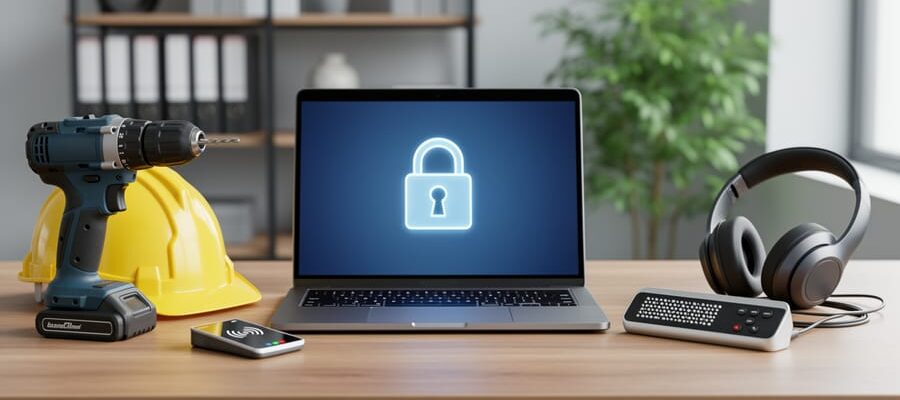

When rental agreements go sideways—damaged equipment, payment disputes, or conflicting accounts of what happened—you need a fair resolution process that doesn’t require lawyers or courtrooms. A Dispute Review Board serves as your neutral third party, stepping in when direct communication between renters and tool owners breaks down.
This independent panel examines evidence from both sides: photos of equipment condition, rental agreements, message histories, and witness statements. Unlike traditional legal channels that drain time and money, the board delivers binding decisions within days, not months. Members bring expertise in equipment rental practices, construction trades, and conflict resolution, ensuring decisions reflect real-world tool sharing scenarios.
The system protects everyone in the community. Tool owners gain assurance that frivolous damage claims won’t stand unchallenged. Renters know they won’t face unfair charges for pre-existing wear and tear. The board’s transparency—publishing anonymized case summaries—helps the entire platform learn from common dispute patterns, preventing future conflicts before they start.
Understanding how to present your case effectively makes all the difference. Document everything from pre-rental inspections to return conditions. Communicate clearly through the platform’s messaging system, creating a verifiable record. Know the board’s decision criteria and timelines so you can respond promptly when disputes arise.
This guide walks you through the entire dispute resolution process, from initial filing to final decisions, giving you the knowledge to protect your interests while maintaining community trust.
What Is a Dispute Review Board in Tool Rental?

How It Works on Our Platform
When a rental doesn’t go as planned, our Dispute Review Board provides a clear pathway to resolution. Here’s how the process works from start to finish.
First, file your claim through your account dashboard within 48 hours of the issue occurring. You’ll complete a simple online form describing what happened, upload relevant photos or documentation, and specify what resolution you’re seeking. The system automatically notifies the other party and gives them 24 hours to respond with their perspective.
Once both sides have submitted their information, an independent board member reviews the case. Our board comprises experienced platform users and industry professionals who understand both sides of the rental relationship. They examine all evidence, including transaction records, messages between parties, photos, and any relevant terms from the rental agreement.
The reviewer may request additional information or clarification from either party. You’ll receive email notifications at each stage, so you always know where things stand. Most straightforward cases receive a decision within 3-5 business days, though complex disputes may take up to 10 business days.
The board member issues a binding decision explaining their reasoning and outlining the resolution, which might include refunds, compensation, or other remedies. Both parties receive the full decision simultaneously. This transparent process is part of our commitment to improving rental experience for everyone in our community.
You can track your case status anytime through your account dashboard, where all communications and documents remain accessible.
Who Sits on the Review Board
Our Dispute Review Board brings together three types of members to ensure fair, balanced decisions. First, platform staff members provide knowledge of our policies and technical systems. Second, experienced community members who have completed numerous successful rentals offer real-world perspective on how transactions typically work. Third, we include industry experts like professional tool rental operators or tradespeople who understand equipment standards and common rental practices.
Each board is composed of three to five reviewers, and no single group holds a majority. This mixed composition prevents bias and ensures every dispute gets examined from multiple angles. Board members must have no prior connection to either party in the dispute and must disclose any potential conflicts of interest before participating.
Community members serving on the board are selected based on their positive platform history, completion of dispute resolution training, and demonstrated fairness in past reviews. They serve rotating terms to bring fresh perspectives while maintaining consistency. All board members follow strict confidentiality guidelines and base decisions solely on submitted evidence and platform policies, not personal opinions or outside information.
Common Disputes the Board Handles
Equipment Damage Claims
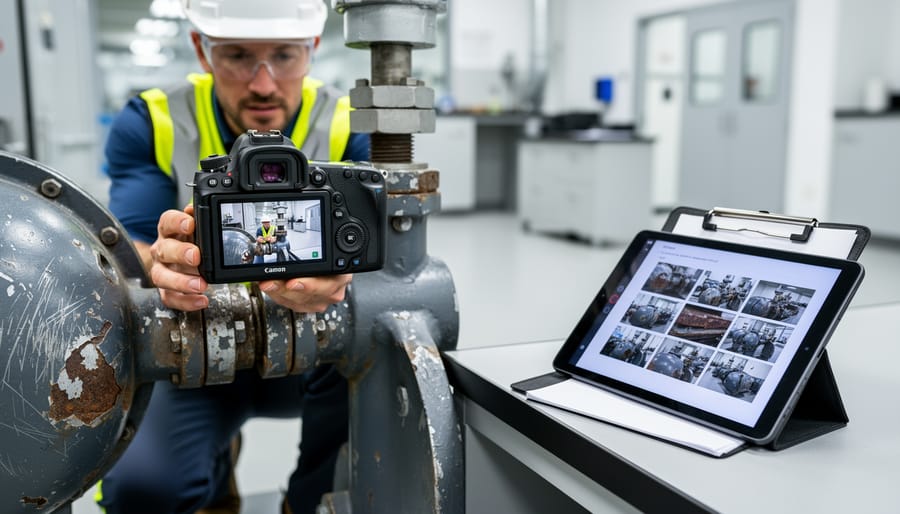
Equipment damage is one of the most common disputes the board handles, and they’ve developed clear criteria to determine who’s responsible. When you return a tool, the owner should inspect it immediately and document any concerns with photos. This visual evidence becomes crucial if disagreements arise about the tool’s condition.
The board distinguishes between normal wear-and-tear and actual damage. Normal wear includes minor scratches, dust accumulation, or slight dulling of blades from proper use during the rental period. Damage, however, means broken parts, missing components, or issues that prevent the tool from functioning as intended. For example, a drill with surface scratches from job site use shows expected wear, but a drill with a cracked housing or burned-out motor indicates damage.
Both parties should take timestamped photos before and after each rental. Renters, photograph the tool when you pick it up to document its existing condition. Owners, do the same when it returns. These before-and-after comparisons help the board make fair assessments.
The board reviews submitted photos, rental duration, and the tool’s age when making decisions. They also consider maintenance records and whether proper safety equipment was used. Community feedback from previous rentals can provide additional context about typical wear patterns for specific tools.
Deposit and Payment Disagreements
Money matters can quickly become contentious in tool rentals. The Dispute Review Board handles conflicts involving security deposits, unexpected charges, or disagreements about damage assessments. These disputes typically arise when owners withhold deposits claiming equipment damage, or when renters question additional fees they weren’t expecting.
When you submit a deposit or payment dispute, the board examines transaction records through our platform payment systems, reviews photos taken before and after rental periods, and evaluates whether charges align with our rental pricing structures. You’ll need to provide evidence like booking confirmations, communication screenshots, and any documentation of the tool’s condition.
The board considers whether damage exceeds normal wear and tear, if cleaning fees are reasonable, and whether both parties understood the terms upfront. Clear, dated photos are your best protection. Community members who consistently document equipment condition at pickup and return rarely face drawn-out payment disputes.
Misrepresented Equipment or Conditions
One of the most common disputes brought before the board involves equipment that doesn’t match its listing description or arrives in unusable condition. Perhaps you reserved a professional-grade drill only to receive a basic model, or the power washer you rented won’t start despite being listed as “fully functional.”
When filing this type of dispute, documentation becomes your strongest ally. Take clear photos or videos of the equipment upon receipt, highlighting any damage, missing parts, or discrepancies from the listing. Compare these against screenshots of the original listing showing the promised specifications and condition. The board reviews this evidence alongside the owner’s listing history and previous renter feedback to determine if misrepresentation occurred.
Community-driven reviews play a vital role here. If multiple renters report similar issues with the same owner’s equipment, the board recognizes patterns that support your claim. The resolution typically includes partial or full refunds, and in cases of deliberate misrepresentation, owners may face listing restrictions. This process protects the community by ensuring listings accurately reflect what renters will actually receive, maintaining trust across the platform.
How to File a Dispute Successfully
Document Everything From the Start
The best defense in any rental dispute is thorough documentation. Start before you even pick up the equipment by taking clear, time-stamped photos of the tool from multiple angles. Capture any existing scratches, dents, or wear that’s already present. This creates your baseline condition record.
During the rental period, save all communications with the owner. Whether it’s text messages, emails, or in-app messages, keep everything in an accessible folder. If you discuss anything verbally, follow up with a written summary sent to the owner. Simple messages like “Just confirming our conversation about extending the rental until Thursday” create a written record.
When you return the equipment, photograph it again in the same locations you documented initially. If possible, take these return photos with the owner present, or at minimum, send them immediately after drop-off with a timestamp. Request written confirmation that the tool was returned in acceptable condition.
Keep your rental agreement, receipts, and payment confirmations organized in one place. If the platform provides a transaction history, screenshot it. This paper trail becomes invaluable if a dispute arises weeks later when memories fade. Remember, the dispute review board relies heavily on evidence, and contemporary documentation carries far more weight than after-the-fact explanations.
What Evidence the Board Needs
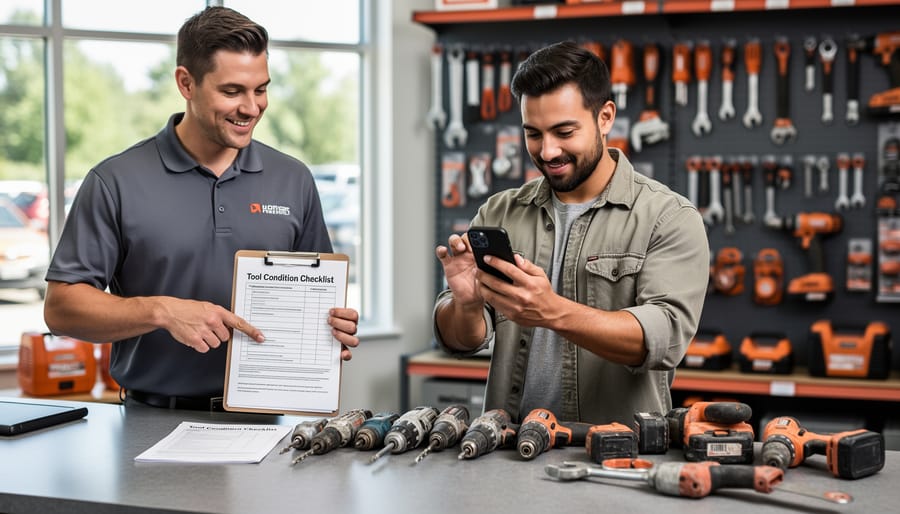
When you bring a dispute to the review board, solid documentation makes all the difference. Think of it as building your case with evidence that tells the complete story.
Start with timestamped photos or videos taken during the pre-rental inspection and upon return. These visual records capture the tool’s condition before and after use, which becomes critical when disagreement arises about damage or wear. Make sure your images are clear and dated—blurry photos won’t help anyone understand what really happened.
Next, gather all relevant correspondence between you and the other party. This includes messages through the platform, emails, and text conversations that discuss the rental terms, expectations, or any concerns raised during the rental period. Screenshots work perfectly here, as they preserve the context and timing of communications.
Include your rental agreement documentation, payment receipts, and any inspection checklists you completed. If the dispute involves tool performance issues, detailed notes about what went wrong—including when problems started and what troubleshooting steps you attempted—strengthen your position.
For damage claims, maintenance records or prior condition reports from previous rentals can demonstrate whether issues existed beforehand. Similarly, if you’re the renter facing unfair accusations, receipts showing you purchased replacement parts or invested in repairs provide valuable context.
The more complete and organized your evidence package, the faster the board can review your case and reach a fair resolution.
Your Rights and Responsibilities in the Process
Response Timeframes and Communication
When you submit a dispute or respond to one, timing matters. Both parties are typically required to provide their initial statements within 48-72 hours of the dispute being filed. This quick turnaround helps address issues while details are fresh and prevents problems from lingering unresolved.
After initial submissions, the board may request additional information or clarification. You’ll usually have 24-48 hours to respond to these follow-up requests. If you need more time due to extenuating circumstances, contact the support team immediately to request an extension rather than missing the deadline.
Throughout the process, maintaining respectful and professional communication is not just encouraged but required. Stick to the facts, provide clear evidence like photos or message screenshots, and avoid emotional language or personal attacks. Remember, you’re working toward a fair resolution, not winning an argument.
The board aims to issue decisions within 5-7 business days of receiving all necessary information from both parties. You’ll receive email notifications at each stage, so check your inbox regularly and respond promptly. Delays in communication from either party can extend the review timeline and postpone resolution for everyone involved.
When Decisions Are Final (and When They’re Not)
Dispute Review Board decisions are typically considered binding recommendations, not final legal judgments. Both parties must accept the decision for it to become final. If one party disagrees, they can reject the recommendation within a specified timeframe, usually 7-14 days after receiving it.
When a decision is rejected, parties have several options. They can request mediation to find middle ground, negotiate directly with fresh perspective from the board’s feedback, or pursue resolution through small claims court or other legal channels if the dispute value warrants it.
However, certain decisions carry more weight. If both parties agreed in writing before the dispute to accept the board’s decision as binding, challenging it becomes more difficult. Additionally, if one party fails to respond within the rejection period, the decision automatically stands.
The platform tracks dispute outcomes and patterns. Users who repeatedly reject reasonable board decisions without valid cause may face account reviews. This community-driven accountability ensures the system remains fair while protecting good-faith users from unfair treatment. Remember, the goal is resolution, not winning at all costs.
How Dispute Outcomes Affect Your Platform Rating
Understanding how dispute outcomes influence your standing on our platform is essential for maintaining a fair community environment. When the Dispute Review Board resolves a case, the decision may impact both parties’ ratings, but only when evidence clearly demonstrates problematic behavior.
If a dispute finds that equipment was returned damaged or significantly late without valid justification, this may appear as a note on the renter’s profile. Similarly, if an owner listed equipment that didn’t match its description or failed to provide agreed-upon support, this information becomes visible to future users. These notations aren’t punitive—they’re educational markers that help the community make informed decisions.
Here’s what protects you: our platform prevents retaliatory reviews. After a dispute is filed, both parties enter a review-lockout period. Neither can leave or edit reviews about the transaction until the board issues its decision. This means an owner can’t suddenly post a negative review because you filed a legitimate complaint, and renters can’t retaliate against fair claims. Once the board decides, only factual dispute outcomes appear on platform user accounts—emotional or exaggerated statements are filtered out.
Importantly, participating in the dispute process itself doesn’t negatively affect your rating. Filing a claim when you genuinely need support is encouraged and demonstrates you’re actively protecting community standards. The board evaluates each case individually, considering context and communication history.
Your overall platform reputation reflects patterns, not isolated incidents. One resolved dispute won’t define you. However, repeated findings against a user may result in additional profile notifications or, in serious cases, account restrictions. This graduated approach ensures fairness while maintaining the trust that makes our tool-sharing community work effectively for everyone involved.
Preventing Disputes Before They Happen
The best dispute is one that never happens. Both renters and owners can take simple steps to keep rental experiences positive and avoid misunderstandings that might require formal review.
For renters, the foundation starts with clear communication before pickup. Ask specific questions about tool operation, included accessories, and return expectations. Document the tool’s condition with photos or videos during pickup, noting any existing wear or damage. This creates a shared understanding from the start. Keep all messages within the platform so there’s a record if questions arise later. Return tools clean, on time, and in the same condition you received them.
Owners should provide accurate descriptions and realistic photos showing the tool’s actual condition. Don’t oversell capabilities or hide existing issues. Include clear instructions for operation and care, especially for specialized equipment. Set realistic availability windows and respond promptly to rental inquiries. When items are picked up, walk through the tool’s features and confirm return details together.
Both parties benefit from understanding recent rental process improvements that streamline transactions and reduce confusion points.
Setting realistic expectations matters tremendously. Renters should honestly assess their skill level and project needs. Owners should be upfront about tool limitations and maintenance history. When both sides prioritize transparency and maintain professional courtesy, most potential conflicts dissolve before they start. Taking five extra minutes for thorough documentation and communication saves hours of dispute resolution later.
A dispute review board isn’t just a conflict resolution tool—it’s the foundation of a rental community built on fairness and trust. When you know there’s an impartial system ready to address problems, you can rent tools with confidence, whether you’re tackling your first DIY project or running a professional contracting business.
This protection works both ways. Renters gain peace of mind knowing they won’t be held responsible for pre-existing damage or unfair charges. Tool owners can list their equipment confidently, knowing the board will fairly evaluate disputes if issues arise. This balance creates a healthier marketplace where honest users feel protected and accountability is maintained.
The system succeeds because it’s transparent and community-focused. Real users provide input, decisions are based on evidence, and the process respects everyone’s time and investment. Whether you’re renting a drill for the weekend or listing your professional-grade equipment, understanding that fair resolution exists removes a major barrier to participation.
Engage with the platform knowing you’re part of a protected community. Document your rentals properly, communicate clearly, and trust that if problems occur, there’s a fair path forward that considers your perspective and protects your interests.
Related Posts


Post a Comment