

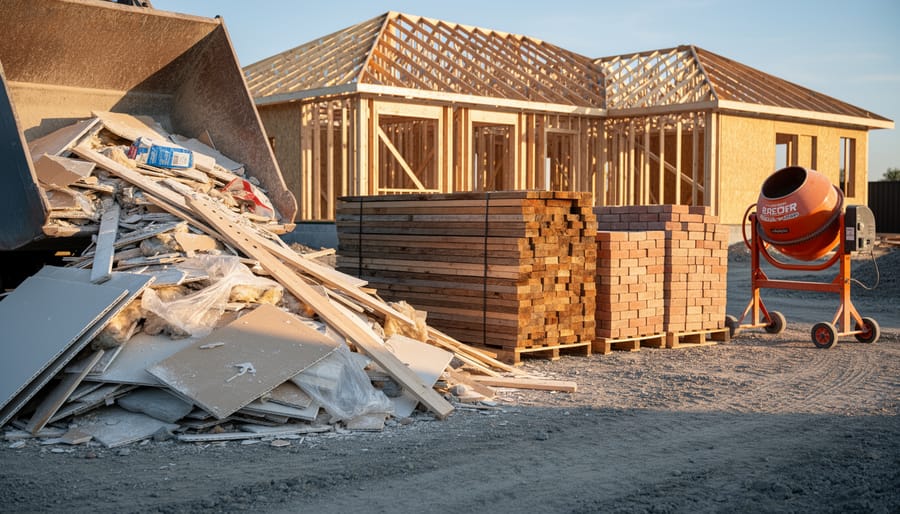
Every construction project you complete follows one of two paths: materials arrive, get used, then head to landfill (linear economy), or materials circulate through multiple projects, being reused, refurbished, and recycled indefinitely (circular economy). The difference isn’t just environmental—it directly impacts your project costs, material availability, and long-term business sustainability.
The linear “take-make-dispose” model has dominated construction for decades, contributing to 35% of global landfill waste and creating mounting pressure on raw material supplies. When you order new materials for each job, throw away offcuts, and replace tools instead of maintaining them, you’re operating in a linear system that transfers costs and environmental burden down the line.
The circular economy flips this approach. Materials become resources that stay in use through intelligent design, sharing platforms, and recovery systems. Instead of buying a concrete mixer for one project, you rent it and return it for the next user. Timber offcuts become raw material for another builder’s project. Demolished materials get salvaged and reintegrated into new builds.
This shift matters because construction material costs have risen 40% in recent years while landfill fees continue climbing. Professional tradespeople and DIY enthusiasts who embrace circular principles—through tool sharing, material reuse, and proper maintenance—consistently report lower project costs and reduced material waste. The question isn’t whether to transition from linear to circular models, but how quickly you can implement practical strategies that benefit both your bottom line and the environment.
The Linear Economy in Construction: Use Once, Throw Away
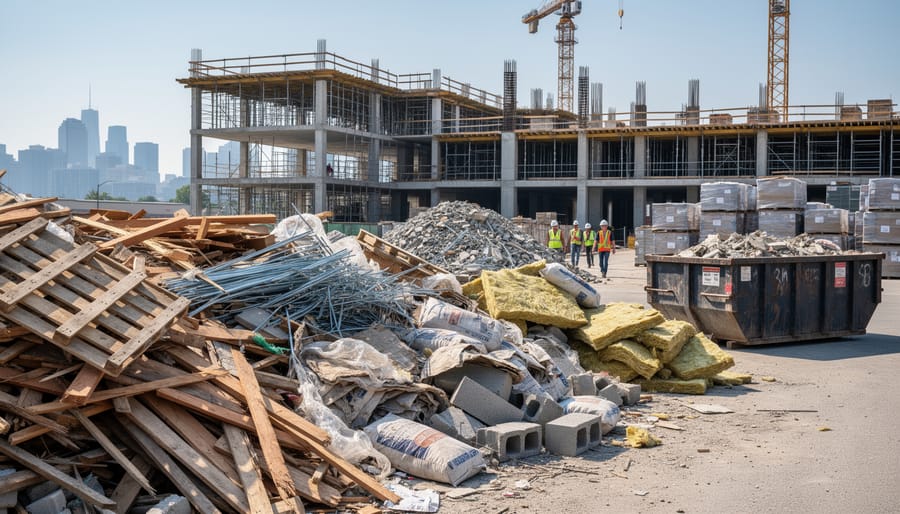
How the Linear Model Works on Job Sites
The linear model dominates most job sites today, whether you’re tackling a weekend DIY project or managing a professional construction crew. Here’s what it typically looks like in practice.
You start a bathroom renovation by heading to the builder’s merchant and purchasing brand-new materials: tiles, cement, plumbing fixtures, and timber. Once the project wraps up, leftover materials often end up unused in the garage or, more commonly, in a skip headed straight to the landfill. That half-bag of grout, the offcuts of plasterboard, and the packaging from every purchase all follow the same one-way journey from purchase to waste.
Professional sites operate similarly but at larger scale. Think of a demolition project where an entire kitchen gets ripped out. Perfectly functional cabinets, worktops, and appliances are mixed together in a waste container because separating and rehoming them takes time that isn’t built into the project budget. The linear mindset says it’s easier and cheaper to bin everything and start fresh.
Single-use equipment exemplifies this approach too. A homeowner might buy a concrete mixer for a one-off patio project, use it once, then let it gather dust in the shed for years. Tradespeople sometimes purchase specialized tools for specific jobs that sit idle between contracts, tying up capital in equipment that’s only productive a fraction of the time.
This extract-use-dispose pattern feels normal because it’s how we’ve always done things, but it generates massive waste and ongoing costs that circular approaches can address.
The Real Cost of Throwing Things Away
The linear economy’s “take-make-dispose” approach carries costs that extend far beyond the initial purchase price. Understanding these hidden expenses reveals why shifting to circular practices makes both environmental and financial sense.
Start with disposal fees. Skip bins for construction waste typically cost $200-$600 per load, depending on size and contents. A typical home renovation might require multiple skips, quickly adding $1,000+ to project budgets. Hazardous materials like asbestos or treated timber incur even steeper charges, sometimes reaching $150 per cubic metre.
Then consider wasted materials. Industry data shows construction sites waste approximately 15-20% of materials purchased. On a $10,000 materials budget, that’s $1,500-$2,000 literally thrown away. Timber offcuts, excess concrete, unused fasteners—all represent money spent twice: once to buy, again to dispose.
Repeat purchases compound the problem. Buying a demolition hammer for a single bathroom renovation costs $300-$800. Use it once, store it indefinitely, or discard it. Meanwhile, hiring the same tool costs $50-$80 per day, a fraction of the purchase price for occasional users.
The environmental impact adds another dimension. Manufacturing a single power drill generates roughly 50kg of CO2 emissions. Multiply that across millions of rarely-used tools sitting in garages, and the carbon footprint becomes staggering.
These costs accumulate silently but significantly. Recognising them is the first step toward more sustainable, economical alternatives.
The Circular Economy: Keep Materials Working Longer
The Four R’s That Save You Money
The circular economy in construction boils down to four practical principles that directly impact your wallet and the environment. Here’s how to apply them to your next project.
Reduce starts with smart planning. Before hiring equipment or buying materials, audit what you actually need. Over-ordering timber by even 10% means wasted money and landfill waste. Create detailed cutting lists and material schedules. When selecting green building tools, hire instead of buying items you’ll use once or twice. A concrete mixer for a weekend patio project doesn’t justify purchase when rental costs a fraction of the price.
Reuse transforms waste into resources. Salvage timber offcuts for blocking or formwork. Clean and store leftover fasteners for future projects. Pallet timber makes excellent workshop shelving. Professional builders share surplus materials through community platforms, turning one person’s excess into another’s savings. Return hired equipment clean and undamaged so others can reuse it immediately.
Repair extends tool lifespan significantly. A drill with worn brushes needs a simple replacement part, not landfill burial. Many hire shops offer servicing advice and can direct you to repair options. Learn basic maintenance like blade sharpening and battery care. This mindset shift from disposal to repair saves considerable money over time.
Recycle should be your last resort, not first response. Separate waste on-site into metal, timber, concrete, and general waste streams. Most councils offer specific construction waste recycling. Concrete rubble becomes hardcore for foundations. Metal scraps have scrap value. Even plasterboard can be recycled at specialist facilities. Check what your local waste facility accepts before assuming everything needs skipping.
Together, these four principles create a practical framework that reduces project costs while minimizing environmental impact.
Why Tool Hire Is Already Circular
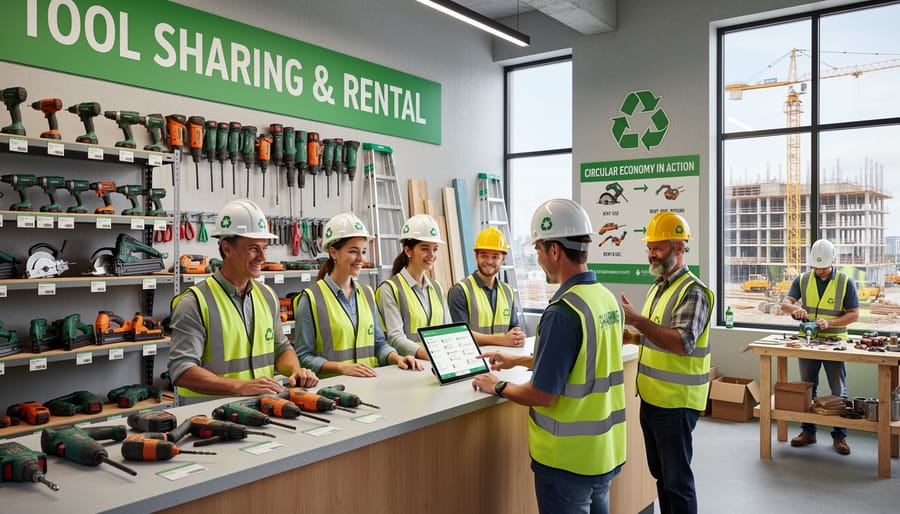
If you’ve ever hired a tool instead of buying one, you’ve already participated in the circular economy – perhaps without even realizing it. Tool rental sits at the heart of circular economic principles, offering a practical example of how this model works in everyday life.
When you hire a drill, saw, or mixer, that single tool serves dozens or even hundreds of users throughout its lifetime. Instead of sitting idle in someone’s garage for 360 days a year, it remains in productive use, maximizing the value extracted from the materials and energy invested in manufacturing it. This shared-use model directly addresses the waste problem inherent in linear economics.
From a financial perspective, hiring makes immediate sense. Why spend £200 on a tool you’ll use once when you can hire it for £20? That’s a 90% saving that frees up budget for other project needs. For professional tradespeople, hiring specialized equipment for specific jobs eliminates the cost burden of ownership, maintenance, and storage.
Environmentally, the benefits multiply across the community. Every tool in a hire fleet prevents potentially hundreds of individual purchases. This means fewer raw materials extracted, less manufacturing energy consumed, and reduced waste when tools eventually reach end-of-life. The collective impact of tool sharing creates a substantial reduction in carbon footprint across the construction and DIY sectors.
Tool hire proves that circular economy principles aren’t just theoretical – they’re already working, saving money, and protecting the environment with every rental transaction.
Circular Strategies You Can Use on Your Next Project
Plan for Material Efficiency Before You Start
Before breaking ground, take time to calculate exactly what you need. Measure twice, order once—this simple rule prevents excess materials ending up in landfill. Create a detailed materials list and cross-reference it with your project plans to avoid over-ordering.
Choose materials with multiple lives in mind. Timber, steel, and modular components can often be reused in future projects if you keep them intact during installation. When purchasing new materials, look for items made from recycled content that can be recycled again later.
Incorporate sustainable design principles from day one by planning for deconstruction. Use mechanical fixings like screws and bolts instead of adhesives where possible—they allow you to disassemble structures without damage. Label materials during construction with type and installation date so future renovators can make informed decisions about reuse.
Consider hiring specialized tools for precise cutting and measurement. Accurate cuts mean less waste and better material utilization. Many community members share their successful material-saving techniques through project reviews, offering real-world insights into what works best for different applications.
Hire Instead of Buy: Tools and Equipment
Tool hire sits at the heart of circular economy thinking, offering a practical alternative to the traditional buy-and-store approach. Instead of purchasing equipment that sits idle 90% of the time, hiring means tools circulate continuously through the community, maximizing their lifespan and utility.
The benefits extend beyond environmental impact. Cost savings are immediate – you only pay for the days you need equipment, avoiding the upfront expense of purchase and ongoing maintenance costs. For homeowners tackling a one-off renovation or tradespeople needing specialized machinery for specific jobs, this makes financial sense while reducing storage headaches.
Hiring also grants access to professional-grade equipment that might otherwise be unaffordable. Whether you need a concrete mixer for a weekend project or industrial scaffolding for a larger job, hire services maintain and inspect tools regularly, ensuring you get reliable equipment without the responsibility of upkeep.
Community sharing models take this further, with some platforms incorporating user reviews and ratings that help others make informed choices. This collaborative approach builds trust and shares real-world knowledge about tool performance, durability, and best practices. By choosing to hire rather than buy, you’re participating in a system that values access over ownership, reduces manufacturing demand, and keeps valuable resources in productive use longer.
Source Reclaimed and Recycled Materials
Finding quality reclaimed materials starts with exploring architectural salvage yards, demolition sites, and online marketplaces like Gumtree or Facebook Marketplace. Many councils also run resource recovery centers where builders can source everything from timber and bricks to fixtures and fittings. When selecting sustainable materials, always inspect thoroughly for structural integrity, pest damage, rot, or chemical contamination.
For timber, check for cracks, warping, and embedded nails. Use a moisture meter to ensure it’s properly dried before use. Bricks should be free from excessive mortar and spalling (flaking surfaces). Old roof tiles need testing for asbestos if from pre-1990s buildings, a critical safety consideration requiring professional assessment.
Get creative with reclaimed materials: old pallets become garden beds, salvaged doors transform into tabletops, and vintage timber creates stunning feature walls. The community often shares innovative ideas through project galleries and reviews, helping you visualize possibilities.
Always wear protective equipment when handling reclaimed items, including gloves and safety glasses. Clean and treat materials appropriately before installation, and consult building codes to ensure salvaged materials meet current safety standards for your intended application.
Separate and Sort Your Waste Properly
Proper waste sorting is fundamental to transitioning from a linear to circular economy on any construction project. Start by setting up clearly labelled bins on-site for different materials: wood, metal, plastic, cardboard, and general waste. This simple system ensures materials stay clean and uncontaminated, increasing their recycling value and reducing disposal costs.
Before demolition or renovation work begins, identify reusable materials like fixtures, tiles, or timber that can be salvaged. Many councils now offer dedicated recycling centres that accept construction materials, with some even paying for scrap metal. Hazardous waste such as asbestos, paint, or chemicals requires special handling through licensed facilities, so research local regulations beforehand.
Breaking down the sorting process into clear steps helps your team maintain consistency. Keep contamination low by educating everyone on-site about what goes where. Mixed waste typically costs more to dispose of than separated materials, so proper sorting directly impacts your bottom line. Many recycling centres provide free collection for certain materials when sorted correctly, turning waste management from a cost centre into a potential saving. Document what works best for your projects and share these practices with your community to help others make the shift toward circular thinking.
Give Materials a Second Life
Before tossing leftover materials, consider creative reuse options that save money and reduce waste. Timber offcuts make excellent garden planters, shelving brackets, or workshop organizers. Leftover tiles can become unique coasters, garden stepping stones, or mosaic art pieces. Excess insulation works well for soundproofing small spaces or lining tool storage areas.
For materials you can’t use, explore selling or donating through community platforms. Websites like Freecycle, Facebook Marketplace, and local building material reuse centers connect you with people seeking exactly what you have. Many community centers and schools welcome donations of usable materials for educational projects.
Material exchange platforms are gaining popularity among tradespeople and DIY enthusiasts alike. These networks allow members to swap surplus materials, share resources, and even coordinate bulk purchases for better pricing. Check if your area has construction material libraries or tool-sharing cooperatives where members contribute unused items for collective benefit. This community-driven approach transforms waste into opportunity while building connections with fellow builders.
Real Benefits You’ll See on Your Next Build
How Much Can You Actually Save?
Let’s look at real numbers from typical projects to understand the savings potential.
For a kitchen renovation, a linear approach might mean purchasing a $450 tile cutter you’ll use once, a $280 reciprocating saw, and a $150 mixer drill. That’s $880 in tools gathering dust afterward. The circular approach through tool hire typically costs $120-180 for the same equipment over a two-week project, saving you around $700.
Garden landscaping projects tell a similar story. Buying a post hole digger ($320), rotary hoe ($580), and pressure washer ($350) totals $1,250. Hiring these tools for a weekend project costs approximately $180-220, keeping over $1,000 in your pocket.
Even smaller jobs add up. A bathroom update requiring an angle grinder, multi-tool, and demolition hammer costs $380 to purchase versus $60-80 to hire for a weekend.
The circular economy doesn’t just reduce costs through hiring. Community tool sharing networks and borrowing from neighbors creates zero-cost access. One ToolMate member shared how their local DIY group saved each household an average of $450 annually through coordinated tool sharing for seasonal projects.
The savings are clear: circular approaches consistently deliver 70-85% cost reductions compared to buying new for occasional-use tools.
Building Your Reputation as a Sustainable Professional
For tradespeople, embracing circular economy practices isn’t just good for the planet—it’s a powerful way to stand out in a competitive market. Today’s clients increasingly value sustainability, and showcasing your commitment to circular principles can become your strongest selling point.
Start by highlighting your circular practices in quotes and project proposals. Mention that you prioritize tool hire over purchasing when possible, source reclaimed materials, and implement waste-reduction strategies on job sites. These details demonstrate environmental awareness while often reducing project costs—a win-win that appeals to budget-conscious clients.
Build your reputation through community-driven reviews and testimonials. Encourage satisfied clients to mention your sustainable approach when they share feedback. Real stories from homeowners about how you salvaged materials or minimized waste carry more weight than any sales pitch.
Consider joining local builder networks focused on sustainability, and don’t hesitate to share your circular economy successes on social media. Photos of repurposed materials, before-and-after shots of waste reduction, or explanations of your tool-sharing approach all help establish credibility.
Remember, many environmentally conscious clients actively seek professionals who align with their values. By making circular practices visible in your marketing materials and day-to-day operations, you position yourself as the go-to tradesperson for sustainable projects in your area.
The shift from a linear to circular economy doesn’t require a complete overhaul of how you work. It’s simply about making smarter choices that benefit your wallet and the environment. Renting tools instead of buying, salvaging materials, and planning for deconstruction rather than demolition are straightforward strategies that reduce waste and cut costs.
Start small on your next project. Choose one or two circular practices, whether that’s hiring equipment you’ll only use once or selling leftover materials to others who need them. Track the money you save and the waste you avoid. You’ll quickly see how practical this approach really is.
Ready to make the change? Join our community of builders and DIYers who share tools, swap materials, and exchange tips on sustainable construction. Share your own experiences with circular practices and learn from others who’ve successfully made the transition. Together, we can build better while spending less and wasting nothing.
Related Posts

Post a Comment