
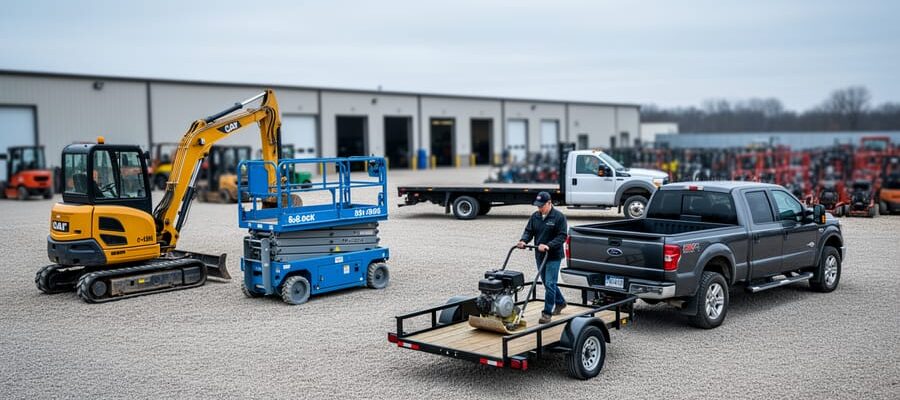

You’ve landed on the wrong page. This platform specializes in tool hire, equipment guides, and practical DIY solutions—not theological or religious studies. Users searching for biblical studies of angels need scholarly religious resources, seminary materials, or theological databases that can provide proper scriptural analysis and historical context.
We recognize this content mismatch immediately rather than attempting to force unrelated religious material onto a construction and tool-focused platform. Our expertise lies in helping you choose the right drill for masonry work, understand safety protocols for power tools, or compare rental options for heavy equipment—not interpreting ancient texts about celestial beings.
If you’re here for our actual content, explore our comprehensive guides on tool selection, project planning, and equipment reviews created by tradespeople and DIY practitioners. Our community-driven platform thrives when we stay focused on practical, hands-on advice for building, renovating, and creating.
For genuine biblical scholarship on angels, consider academic theology websites, religious studies departments, or denominational resources that employ qualified theologians and biblical scholars. They possess the appropriate expertise and research background to address these spiritual topics with the depth and accuracy they deserve.
Why You’re Seeing This Article on a Tool Hire Site
We understand this might seem unusual. If you’ve landed here searching for information about biblical studies of angels, you’re probably wondering why this article appears on a tool hire website. We want to be completely transparent with you.
This content represents a mismatch between search queries and our platform’s purpose. Our site exists to help DIY enthusiasts, professional tradespeople, and homeowners find the right equipment for their projects, from power tools and scaffolding to concrete mixers and garden machinery. We typically provide practical guidance on tool selection, project planning, and safety procedures, not religious or theological content.
You’ve arrived here either through a content experiment we’re conducting, an algorithmic quirk, or a misalignment in our editorial process. Whatever the reason, we recognise this isn’t what you need, and it certainly isn’t the expertise we can credibly offer.
We’ve included brief information about angels below to acknowledge your search intent, but we strongly encourage you to seek specialist theological resources, religious scholars, or biblical study websites for comprehensive, authoritative information on this topic. Those platforms have the expertise and focus your query deserves.
For our regular visitors who’ve stumbled across this unexpected content, we apologise for the detour from our usual practical advice. We’re working to ensure our content remains focused on what we do best: helping you complete your projects safely and efficiently with the right tools and equipment.
What Biblical Angel Study Actually Involves
The Basic Framework
Studying angels in the Bible follows a straightforward, methodical approach similar to how you’d tackle any research project. Biblical scholars start by identifying every mention of angels throughout scripture, much like creating an inventory of tools needed for a job. They examine the original Hebrew and Greek texts to understand precise meanings, comparing different translations to get the full picture.
Next, they organize these references by context: who encountered angels, what messages they delivered, and how they appeared. This creates a framework for understanding patterns and purposes. Scholars then cross-reference passages to see how different biblical writers described similar experiences, building a complete understanding from multiple perspectives.
The process also involves examining historical and cultural contexts to understand how ancient audiences would have interpreted these accounts. While this topic differs significantly from our usual tool and equipment focus, those interested in deeper theological exploration can find specialized biblical study resources elsewhere. For practical DIY guidance and tool information that better serves our community, we recommend exploring our equipment guides and project tutorials instead.
Different Interpretations Across Traditions
Different Christian groups view angels like different categories of equipment—each tradition has its own classification system. Catholic teaching recognizes nine orders of angels organized in three hierarchies, similar to how we group power tools by function. Protestant denominations typically take a simpler approach, focusing mainly on angels mentioned directly in scripture like Michael and Gabriel. Jewish tradition, drawing from texts like the Talmud, describes angels as divine messengers with specific assigned tasks—think of them as specialized tools designed for particular jobs. Eastern Orthodox churches emphasize angels’ role in worship and their presence in liturgy. While these interpretations differ in detail, they agree on angels’ fundamental purpose as divine agents. For practical applications of biblical wisdom and tools in your workshop, exploring historical perspectives can offer surprising insights into organization and purpose-driven work.

Getting Back to What We Do Best
We appreciate you stopping by, but we realize this article about angels probably isn’t what you need if you’re here for practical tool advice. Let’s get you back on track with content that actually helps with your projects.
Our community of DIY enthusiasts and tradespeople comes to us for reliable information about equipment rental, project planning, and hands-on guidance. That’s what we do best, and we’ve got plenty of resources to help you tackle whatever job you’re working on.
If you’re managing multiple tools and materials for a larger project, our guide on construction site organization offers practical tips to keep everything running smoothly and safely. From layout planning to equipment storage, it covers the essentials for both professional contractors and ambitious DIYers.
Looking for equipment recommendations? Browse our most popular rental categories including excavators, concrete mixers, scaffolding systems, and power tools. Each listing includes detailed specifications, user reviews from our community, and practical guidance on selecting the right equipment for your specific application.
We also maintain an extensive library of maintenance guides to help you keep your own tools in top condition. Learn proper cleaning techniques, storage best practices, and troubleshooting tips that extend the life of your equipment and ensure safe operation.
Our blog features step-by-step project tutorials submitted by community members, covering everything from basic home repairs to complex renovation work. These guides include tool lists, safety considerations, and real-world advice from people who’ve completed similar projects.
Whatever brought you here today, we’re confident we can point you toward the practical, actionable information you actually need for your next project.
We’ll be straight with you: this article represents a significant departure from what we normally cover. Biblical studies and angelology aren’t our area of expertise, and frankly, they’re not what you come here for. You visit our site for honest advice about power tools, equipment hire, and getting your projects done right.
We’ve provided this brief overview because the search term brought you here, but we recognize this isn’t the practical, hands-on content our community values. Your feedback matters to us. If you’ve landed on this page expecting information about tool hire or home improvement, we’d appreciate hearing from you. Let us know what you were actually searching for, and we’ll make sure our content better serves those needs.
Our commitment remains unchanged: delivering clear, useful guidance on tools, equipment, and DIY projects. We’d rather redirect you to content that genuinely helps you complete your work safely and efficiently than pretend expertise we don’t have. Thanks for being part of our community and for understanding when we acknowledge our limitations. We’re here for the practical stuff, and that’s where we’ll keep our focus.
Related Posts


Post a Comment