
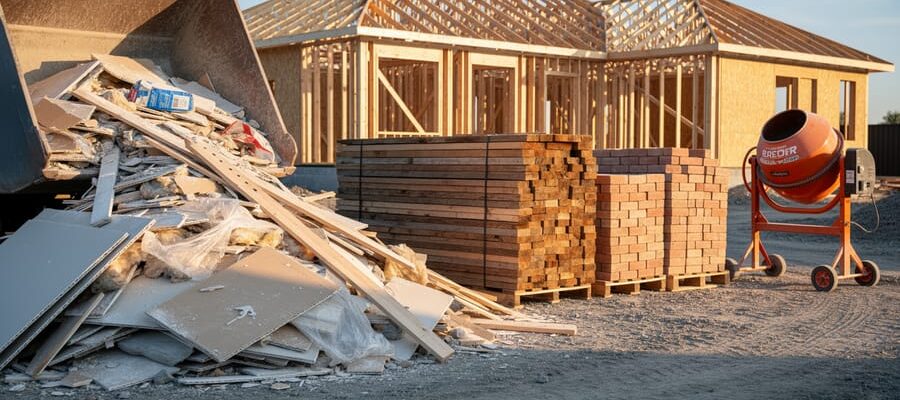

Building operations and maintenance directly impacts your bottom line and environmental footprint. Facility managers and building owners typically spend 60-80% of total operating costs on energy consumption, repairs, and routine upkeep—yet most buildings waste 30% of this investment through inefficient practices and reactive maintenance approaches.
Sustainable building maintenance starts with predictive rather than reactive strategies. Implementing regular equipment audits catches small issues before they become expensive failures, while scheduled inspections of HVAC systems, plumbing, and electrical components reduce energy waste by up to 25%. This approach requires the right tools for the job, but purchasing specialized equipment for occasional maintenance tasks rarely makes financial sense.
The solution lies in strategic resource management. Professional-grade equipment rentals provide access to energy-efficient tools without the capital investment, storage costs, or maintenance burden of ownership. From thermal imaging cameras that identify heat loss to high-efficiency pressure washers for exterior maintenance, rental solutions make sustainable practices financially accessible.
Modern building maintenance balances three priorities: operational efficiency, cost control, and environmental responsibility. Property managers who adopt preventive maintenance schedules, invest in energy monitoring systems, and leverage rental equipment for specialized tasks consistently reduce operating costs by 15-30% while extending asset lifecycles. The community of facility professionals increasingly shares real-world experiences with different approaches, helping others avoid costly mistakes and identify proven strategies.
Success in building operations means treating maintenance as a strategic investment rather than an unavoidable expense—one that protects property values while advancing sustainability goals.
What Makes Building Operations and Maintenance ‘Sustainable’
Sustainable building operations and maintenance takes a different approach than traditional methods by focusing on three interconnected goals: protecting the environment, saving money, and creating healthier spaces for people who use the building. Think of it as the triple bottom line—planet, profit, and people all working together.
Traditional building maintenance often follows a reactive “fix it when it breaks” mentality, using whatever products or methods seem quickest and cheapest in the moment. Sustainable operations flip this script. It means planning ahead, choosing energy-efficient equipment, using environmentally responsible materials, and maintaining systems in ways that extend their lifespan while minimizing waste and resource consumption.
From an environmental perspective, sustainable maintenance means reducing operational carbon emissions through smarter energy use, water conservation, and waste reduction. Buildings account for nearly 40% of global energy consumption, so small improvements in how we operate and maintain them create significant environmental benefits. This connects directly with passive building design principles that reduce energy demand from the start.
Economically, sustainable practices deliver real cost savings. Preventive maintenance prevents expensive emergency repairs. Energy-efficient systems lower utility bills month after month. Quality repairs done right the first time eliminate repeat service calls. For building owners and operators, this means better return on investment and more predictable operating costs.
The people side focuses on occupant wellbeing—better indoor air quality, comfortable temperatures, adequate lighting, and reduced exposure to harmful chemicals. Healthy buildings mean happier tenants, more productive workers, and fewer complaints.
For tradespeople and facility managers, sustainable operations doesn’t require massive upfront investment. Many improvements start with using the right tools for proper maintenance and choosing products with lower environmental impact. Renting specialized equipment when needed makes sustainable practices more accessible without the capital expense of purchasing everything outright.
The Tools and Equipment That Make Sustainable Maintenance Possible
Energy Monitoring and Diagnostic Equipment
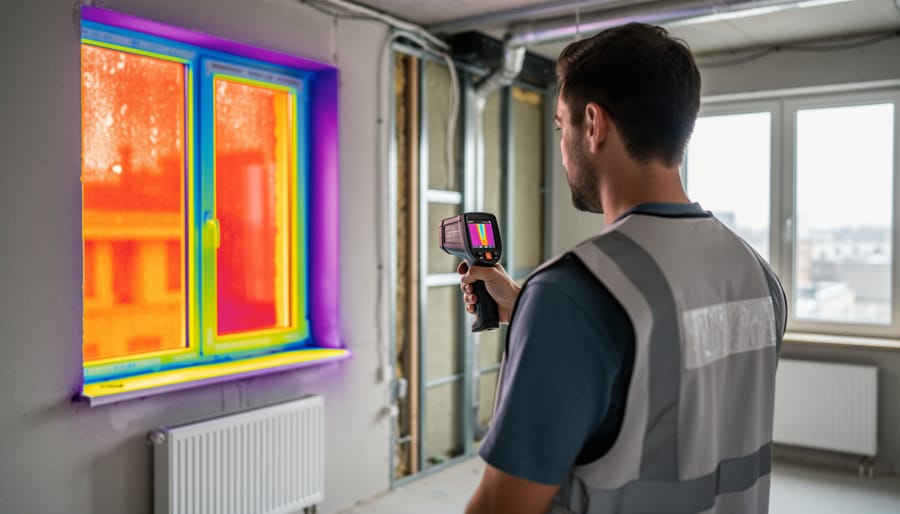
Energy monitoring and diagnostic equipment helps you identify exactly where your building is wasting energy and money. These specialized tools pinpoint problems that aren’t visible to the naked eye, making them essential for effective maintenance decisions.
Thermal imaging cameras detect heat loss through walls, windows, and roofs by showing temperature variations in color. They’re perfect for spotting insulation gaps, air leaks, and electrical hotspots that could indicate failing components. Use them during heating season when indoor-outdoor temperature differences are greatest for best results.
Energy meters track real-time electricity consumption of individual systems or entire buildings. They help you understand usage patterns, identify energy-hogging equipment, and verify that efficiency upgrades are actually working. These devices are particularly useful before and after implementing energy-saving measures to demonstrate actual savings.
Power quality analyzers measure voltage, current, harmonics, and power factor to diagnose electrical problems that increase energy costs or damage equipment. They’re specialized tools typically needed only when troubleshooting specific issues like flickering lights, frequent circuit breaker trips, or unexplained high utility bills.
Moisture meters detect hidden water intrusion in walls, ceilings, and floors before it causes serious damage. Since moisture problems often lead to heat loss and increased HVAC loads, catching them early protects both building integrity and energy efficiency.
For most building operators, renting diagnostic equipment makes more financial sense than buying. These tools can cost hundreds to thousands of dollars, yet you’ll likely need them only occasionally. Rental also ensures you’re using current technology with proper calibration, giving you confidence in your diagnostic results without the maintenance headaches.
Efficient Repair and Maintenance Tools
Choosing the right equipment significantly impacts both your maintenance efficiency and environmental footprint. Modern power-efficient electric tools consume up to 30% less energy than older models while delivering comparable performance. Look for cordless drills, impact drivers, and saws with brushless motors—these run cooler, last longer, and maximize battery life between charges. When renting or purchasing, check the tool’s voltage rating; 18-20V platforms offer the sweet spot between power and efficiency for most building maintenance tasks.
Precision instruments help you work smarter, not harder. Digital calipers, laser levels, and thermal imaging cameras reduce material waste by ensuring accurate measurements the first time. A thermal camera, for instance, quickly identifies air leaks and insulation gaps without destructive testing, saving both inspection time and repair materials. Many rental centers now stock these specialized diagnostic tools at daily rates that make them accessible for one-time projects.
For HVAC optimization, invest time learning proper multimeter use and refrigerant gauges—these prevent costly guesswork when troubleshooting system inefficiencies. Regular coil cleaning with appropriate brushes and biodegradable cleaners maintains peak performance while reducing energy consumption.
Water system maintenance becomes easier with pipe inspection cameras and pressure testing equipment. These tools locate leaks hidden behind walls, preventing water waste and structural damage.
Safety considerations matter: always wear appropriate personal protective equipment, verify electrical disconnects before work, and follow manufacturer guidelines. Check community reviews before renting unfamiliar equipment—fellow users often share practical tips that official manuals overlook. Remember, the most efficient tool is one you’re comfortable operating safely.
Smart Technology and Automation Equipment
Modern smart technology has transformed how we manage buildings, making maintenance more efficient and sustainable. IoT (Internet of Things) sensors continuously monitor everything from temperature and humidity to energy usage and equipment performance, giving you real-time insights without constant manual checks. These devices detect problems early, often before they become costly repairs.
Smart building management systems integrate multiple sensors and controls into one platform, letting you adjust heating, cooling, lighting, and ventilation from a single dashboard. For facility managers handling multiple properties, this centralization saves time and reduces energy waste significantly.
When selecting smart equipment for hire, start by identifying your biggest pain points. Small facilities might benefit from basic occupancy sensors and smart thermostats, while larger buildings may need comprehensive systems monitoring HVAC efficiency and water usage. Many rental providers now offer installation support and training, making adoption straightforward even for those new to smart technology.
Community feedback consistently highlights the importance of choosing user-friendly interfaces and systems with responsive technical support. Start with a trial period if available, allowing your team to test functionality before committing to longer rental terms. Remember, the goal is simplifying operations while gathering actionable data that drives both cost savings and environmental benefits.
Five Core Practices That Cut Costs and Carbon Simultaneously
Preventive Maintenance Scheduling That Actually Works
Creating a maintenance schedule sounds overwhelming, but breaking it down makes it manageable. Start by listing all equipment in your building—HVAC systems, water heaters, electrical panels, roof components, and plumbing fixtures. For each item, note the manufacturer’s recommended maintenance intervals (usually found in owner’s manuals).
Next, categorize tasks by frequency: monthly checks like filter replacements, quarterly inspections for mechanical systems, and annual deep maintenance like HVAC servicing. A simple spreadsheet or calendar app works perfectly for tracking.
The real benefit shows up in your bottom line. Preventive maintenance catches small issues before they become expensive emergencies. A $50 belt replacement beats a $3,000 compressor failure every time. Equipment running at peak efficiency also uses less energy—dirty filters alone can increase energy consumption by 15%.
Stick to your schedule by setting reminders two weeks ahead, giving you time to gather tools or arrange rentals. Keep a maintenance log noting what was done and any concerns spotted. This history helps identify patterns and proves invaluable when troubleshooting problems.
Community feedback confirms that buildings with consistent preventive schedules experience 40% fewer emergency repairs and equipment that lasts years beyond expected lifespans.
HVAC System Optimization Without the Massive Upgrade Cost
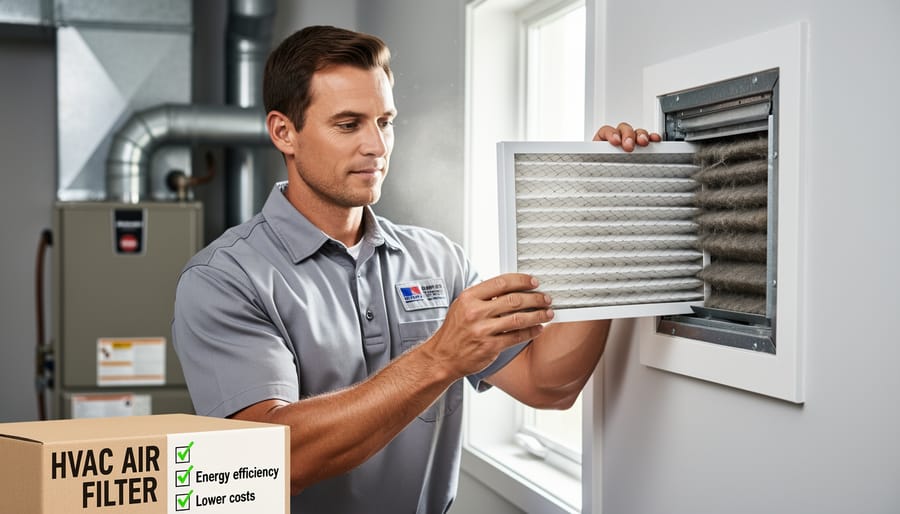
Regular maintenance can boost your HVAC system’s efficiency by up to 40% without expensive replacements. Start with the basics you can handle yourself: replace air filters monthly during heavy-use seasons (every three months minimum), and keep outdoor units clear of debris and vegetation. These simple tasks cost little but prevent bigger problems.
For deeper improvements, consider annual professional tasks. Duct cleaning removes years of accumulated dust that forces your system to work harder. Many rental centers offer inspection cameras so you can assess duct condition yourself before hiring help. Refrigerant level checks and thermostat calibration require certified technicians, but the investment typically pays back within a year through lower energy bills.
Thermal imaging cameras, available for rent, let you identify air leaks and insulation gaps that waste conditioned air. Use these findings to prioritize sealing work. Blower door testing equipment, also rentable, measures overall home tightness and pinpoints problem areas.
The DIY rule: handle filters, cleaning, and minor adjustments yourself. Hire professionals for refrigerant work, electrical connections, and complex diagnostics. This balanced approach maximizes efficiency gains while controlling costs and ensuring safety.
Water System Management and Leak Detection
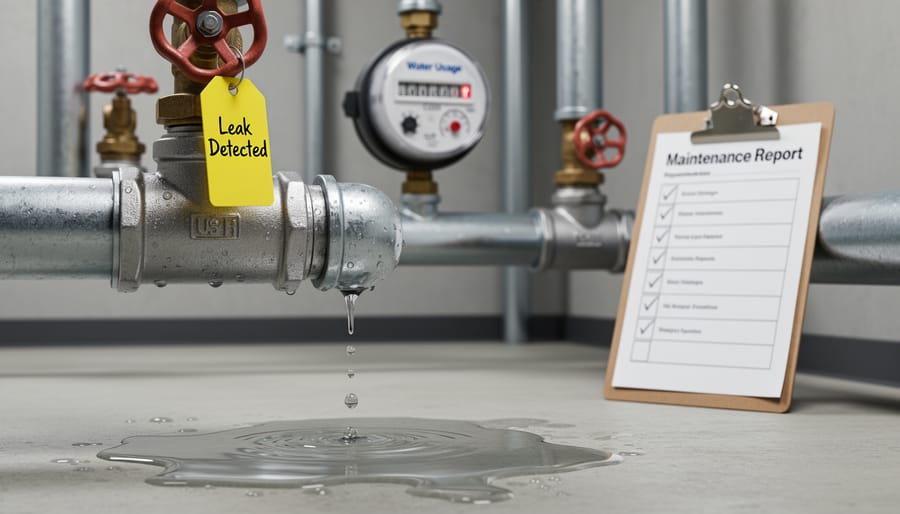
Effective water system management starts with regular inspection of all fixtures, pipes, and connections. Check for visible leaks around toilets, faucets, and under-sink plumbing monthly. Even small drips can waste thousands of litres annually, driving up utility costs and environmental impact.
Pressure testing helps identify hidden leaks within walls or underground lines. A pressure gauge attached to an outdoor tap can reveal drops in system pressure that indicate leaks. For professional-grade detection, acoustic leak detectors and thermal imaging cameras pinpoint problem areas without destructive investigation. These tools are available through rental services, making advanced diagnostics accessible without major investment.
Common repairs include replacing worn tap washers, fixing running toilets with new flapper valves, and tightening loose pipe connections. Preventive maintenance like descaling fixtures and cleaning aerators extends equipment life while maintaining water efficiency.
Water-saving retrofits deliver immediate results. Install low-flow showerheads, dual-flush toilet converters, and tap aerators to reduce consumption by 30-50 percent. Implementing comprehensive water conservation strategies not only cuts costs but also demonstrates environmental responsibility.
Keep basic plumbing tools on hand, including adjustable wrenches, pipe cutters, and plumber’s tape for quick fixes that prevent minor issues from becoming costly emergencies.
Lighting and Electrical System Efficiency
Regular lighting and electrical system maintenance significantly reduces energy consumption and operating costs. Start by conducting monthly visual inspections of all lighting fixtures, checking for burnt-out bulbs, flickering, or dimmed output. Replace traditional incandescent and fluorescent lights with LED alternatives during routine maintenance—LEDs use 75% less energy and last 25 times longer.
Identify and eliminate phantom loads (standby power consumption) by installing smart power strips in areas with multiple devices. Use a power meter to measure energy draw from equipment left on standby, which can account for 5-10% of total building electricity use.
Schedule quarterly electrical panel inspections to check for warm spots, loose connections, and proper circuit labeling. These issues reduce efficiency and create safety hazards. Consider integrating building-integrated renewable energy systems during major upgrades to further reduce grid dependency.
Install occupancy sensors and daylight harvesting controls in appropriate spaces to prevent unnecessary lighting. Calibrate these systems seasonally for optimal performance.
Always follow lockout-tagout procedures when working on electrical systems, and hire licensed electricians for complex tasks. Community feedback consistently highlights that proper electrical maintenance prevents costly emergency repairs while delivering measurable energy savings.
Building Envelope Maintenance for Climate Control
Your building’s envelope—the outer shell including windows, doors, walls, and roof—is your first defense against energy loss. Start with a seasonal inspection routine: check weatherstripping around doors and windows twice yearly, looking for gaps, cracks, or deterioration. Replace worn seals immediately to prevent drafts and moisture intrusion.
For windows, inspect caulking and glazing compounds, reapplying where needed. Consider thermal imaging cameras (available through rental) to identify hidden air leaks and insulation gaps. These tools reveal problem areas invisible to the naked eye, helping you prioritize repairs by impact.
Roofing inspections should occur in spring and autumn. Look for damaged shingles, blocked gutters, and signs of water damage. Address issues promptly—small leaks quickly become costly structural problems.
Proper insulation maintenance in attics and crawl spaces prevents significant heat transfer. Check for compression, moisture damage, or pest intrusion annually.
Prioritize repairs based on energy impact: air sealing typically offers the highest return, followed by insulation upgrades, then window treatments. Document findings with photos and notes to track improvements over time.
Creating a Sustainable Maintenance Plan on Any Budget
Assessing Your Current Operations
Before improving your building’s operations, you need to understand where you currently stand. Start with a straightforward walkthrough assessment—inspect every floor, noting recurring issues like leaky faucets, outdated HVAC systems, or inefficient lighting. Create a simple checklist covering major systems: heating and cooling, electrical, plumbing, structural elements, and exterior features.
Document everything with photos and dates. This visual record helps track deterioration patterns and proves invaluable when prioritizing repairs. Many facility managers find that community feedback reveals problems they might miss—encourage building occupants to report maintenance concerns regularly.
Next, review your maintenance logs from the past year. Look for patterns: Which repairs happen repeatedly? Where are you spending the most? Equipment that requires frequent fixes often costs more long-term than replacement.
Prioritize issues using a three-tier system. Tier one includes safety hazards and code violations requiring immediate attention. Tier two covers items affecting building efficiency or likely to worsen quickly. Tier three addresses aesthetic improvements and routine maintenance. This approach ensures critical needs get addressed first while keeping long-term goals in sight.
Remember, a thorough assessment doesn’t require expensive consultants—just careful observation and honest evaluation of your building’s current condition.

Building Your Tool and Equipment Strategy
Smart tool management starts with a simple question: how often will you actually use this equipment? For maintenance tasks you perform monthly or more, purchasing makes financial sense. But for seasonal work like pressure washing exteriors or specialized jobs requiring concrete grinders, rental delivers better value without the storage headaches or maintenance costs.
Create an equipment schedule that maps your building’s maintenance calendar against tool needs. This reveals patterns—maybe you need scaffolding twice yearly for gutter cleaning, or a floor sander every five years for refinishing. These insights guide smarter decisions about what belongs in your permanent toolkit versus what you should rent on demand.
Community-driven reviews are invaluable here. Before committing to any purchase or rental, check what other users say about durability, ease of use, and actual performance on similar projects. Many rental platforms now feature detailed user feedback that highlights which tools work best for specific building maintenance tasks.
Don’t overlook community tool libraries and maker spaces, which often stock specialized equipment at minimal cost. These resources particularly benefit DIYers tackling occasional projects. Always verify that rental equipment includes proper safety gear and instructions—legitimate providers prioritize user safety alongside tool quality.
Tracking Results and Adjusting Your Approach
Monitoring your sustainable maintenance efforts doesn’t require complex software or specialized expertise. Start by comparing monthly energy bills before and after implementing efficiency measures—a drop of 10-20% signals you’re on the right track. Keep a simple logbook tracking equipment repairs, noting the date, issue, and cost. If you’re fixing the same unit repeatedly, it’s time to reassess your maintenance schedule or consider replacement.
Track equipment lifespan by recording installation dates and replacement intervals. Properly maintained systems typically last 25-50% longer than neglected ones, translating to significant cost savings. Many facility managers use basic spreadsheets to record this data, making trends easy to spot over time.
Review your findings quarterly. If energy costs aren’t dropping, investigate insulation issues or HVAC inefficiencies. Frequent repairs might indicate inadequate preventive maintenance or the need for upgraded equipment. Don’t hesitate to adjust your approach based on what the numbers reveal—sustainable maintenance is about continuous improvement, not perfection. Community forums and user reviews from other building professionals can provide valuable insights into what’s working at similar facilities, helping you refine strategies that deliver real results.
Common Mistakes That Undermine Sustainable Building Operations
Even with the best intentions, sustainable building operations can go off track. Understanding these common mistakes helps you avoid costly setbacks and maintain efficiency over time.
The first major pitfall is postponing preventive maintenance to cut costs. When budgets tighten, it’s tempting to delay routine inspections or equipment servicing. However, this approach backfires quickly. A small leak ignored today becomes major water damage tomorrow, and poorly maintained HVAC systems consume significantly more energy while delivering less comfort. The solution is to prioritize critical maintenance tasks based on their impact on energy efficiency and safety, then tackle them systematically rather than reactively.
Another frequent mistake is purchasing specialized equipment for one-time repairs. Sustainable maintenance often requires specific tools for tasks like thermal imaging inspections, blower door tests, or specialty plumbing work. Buying these tools outright makes little financial sense when you’ll use them infrequently. Instead, consider rental options that give you access to professional-grade equipment exactly when needed, keeping both costs and storage requirements manageable.
Overlooking staff training represents another critical error. Sustainable practices evolve constantly, and operating new energy-efficient systems requires understanding their unique requirements. Without proper training, well-meaning staff might inadvertently override automated controls or perform maintenance incorrectly. Schedule regular training sessions and create clear documentation that teams can reference.
Finally, many operators neglect data tracking, missing opportunities to identify inefficiencies. Without baseline measurements and ongoing monitoring, you can’t verify whether your sustainable initiatives actually deliver results. Simple tracking systems, even spreadsheet-based ones, provide invaluable insights into energy consumption patterns, maintenance costs, and system performance over time. This data guides smarter decisions and helps justify investments in sustainable upgrades.
Sustainable building operations and maintenance isn’t just good for the environment—it’s smart business that pays dividends through reduced utility bills, lower repair costs, and extended equipment lifespans. The practices we’ve covered demonstrate that you don’t need a complete overhaul to make meaningful progress. Small, consistent actions compound over time, transforming how your building performs and how much you spend to keep it running.
The beauty of sustainable maintenance lies in its accessibility. You don’t need to implement everything at once. Start with one or two practices that align with your immediate needs and available resources. Maybe that’s switching to LED lighting during your next replacement cycle, or establishing a preventive maintenance schedule for your HVAC system. Each step builds momentum and confidence while delivering measurable results.
Remember that you’re not alone in this journey. The community of DIY enthusiasts, tradespeople, and facility managers continuously shares insights and reviews that help everyone make better decisions. Their real-world experiences highlight what works, what doesn’t, and how to avoid common pitfalls.
Ready to take action? You don’t need to purchase expensive specialized equipment to get started. Modern tool rental options make sustainable maintenance both affordable and practical, giving you access to professional-grade tools exactly when you need them. Whether you’re tackling energy audits, installing water-efficient fixtures, or conducting routine inspections, the right tools and community support are available to help you succeed. Start today—your building, your budget, and the environment will thank you.
Related Posts

Post a Comment