

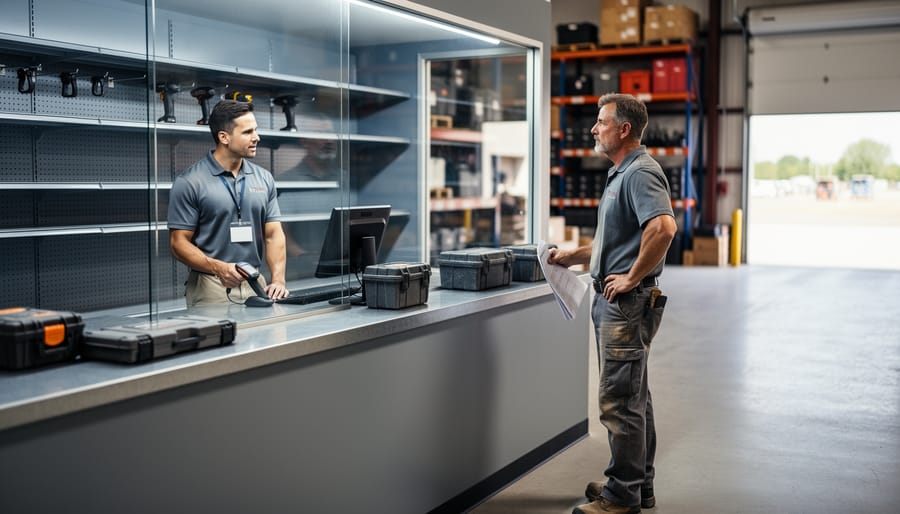
You’ve arrived at the rental center only to find the compressor you needed was rented out yesterday. Or you’ve watched delivery dates shift from Tuesday to “possibly next week.” These frustrations stem from just-in-time supply chain management, a system that revolutionized manufacturing but creates real headaches for tool rental customers.
Just-in-time, or JIT, means rental companies keep minimal inventory on hand, ordering equipment only when demand signals justify it. Instead of warehouses stuffed with idle tools, businesses maintain lean stocks that reduce storage costs and unsold inventory. For consumers, this translates to fewer backup options when popular equipment is already out the door.
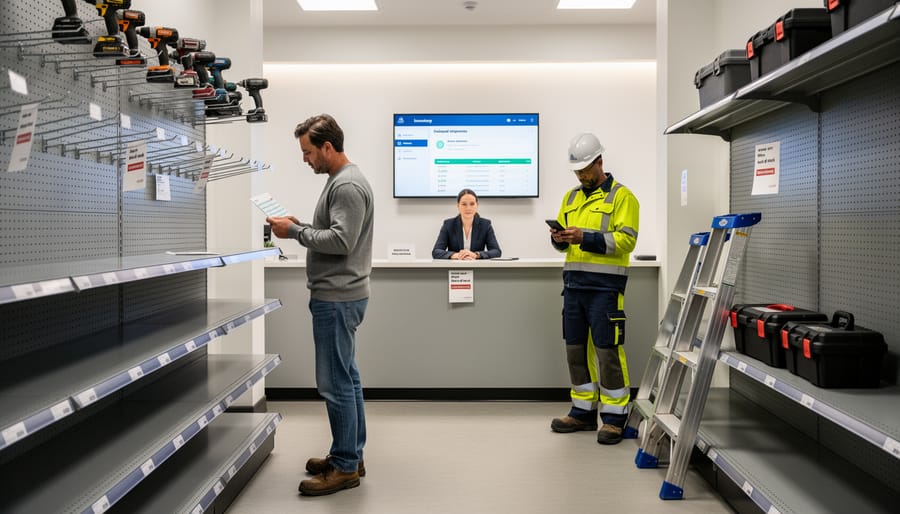
The tool rental industry adopted JIT principles aggressively over the past decade. When you can’t find that pressure washer for your weekend project, you’re experiencing the downstream effects of calculated inventory decisions made months earlier. Rental centers stock based on predictable demand patterns, seasonal trends, and historical data, leaving little buffer for unexpected surges or supply disruptions.
Understanding how JIT shapes equipment availability puts you in control. Knowing that rental inventories operate on razor-thin margins explains why that demolition hammer isn’t sitting on the shelf waiting for your spontaneous Saturday project. More importantly, this knowledge empowers you to adapt your rental strategy.
This article reveals exactly how just-in-time systems work in the tool rental world, why they create the availability challenges you face, and proven tactics to secure equipment when you need it. You’ll learn to read demand signals, time your reservations strategically, and develop backup plans that keep your projects moving forward regardless of inventory constraints.
What Just-in-Time Supply Chain Actually Means for Tool Hire
The Benefits That Made JIT Popular
Just-in-time supply chain management became a game-changer for tool hire companies because it directly impacts their bottom line while keeping rental prices competitive for customers like you. The primary draw is significant cost savings. Instead of purchasing and storing hundreds of rarely-used specialist tools that sit idle most of the year, hire companies can maintain leaner inventories focused on high-demand equipment. This reduces the capital tied up in stock and minimizes the expense of warehouse space, which translates to more affordable rental rates.
Another major benefit is reduced storage needs. Tool hire depots can operate from smaller facilities, cutting overhead costs on rent, utilities, and staff. This efficiency allows companies to invest more in equipment maintenance and customer service rather than managing vast storage operations.
For customers, one often-overlooked advantage is fresher equipment availability. Because just-in-time models encourage faster stock turnover, you’re more likely to rent newer, better-maintained tools rather than outdated models that have been sitting in storage for years. This approach keeps the rental fleet current with the latest technology and safety features, benefiting both professional tradespeople and DIY enthusiasts seeking reliable equipment.
Where the System Shows Cracks
The just-in-time model works brilliantly when everything runs smoothly, but recent years have exposed some serious weak points that directly affect tool rental availability.
During the pandemic, we saw unprecedented equipment shortages as manufacturers struggled to source parts. A simple delay in receiving hydraulic components from overseas meant entire batches of excavators sat incomplete in warehouses. These ripple effects left hire centers with limited stock just when DIY home improvement projects surged dramatically.
Transport disruptions create another major headache. When shipping containers are delayed or freight costs spike, rental companies can’t restock popular items quickly enough. That cement mixer you need for your weekend patio project might be stuck at a port rather than ready for collection at your local depot.
Unexpected demand spikes reveal the system’s inflexibility. When storms damage properties across a region, everyone suddenly needs generators, dehumidifiers, and power washers simultaneously. With minimal safety stock, rental outlets quickly run dry, leaving customers scrambling for alternatives.
Parts shortages compound these problems. When a critical component fails on a piece of equipment, it might take weeks to obtain replacements rather than pulling one from on-site inventory. This means tools sit idle awaiting repairs instead of earning revenue and serving customers.
For you as a customer, these vulnerabilities translate into frustrating unavailability messages, longer wait times, and occasionally cancelled bookings. Understanding these systemic weaknesses helps explain why advance planning has become increasingly important when renting tools.
Real-World Impact: What This Means When You Need to Hire Tools
Peak Season Shortages
During peak construction seasons—typically spring through early autumn—and around major holidays when home improvement projects surge, rental shops face significant inventory challenges. The just-in-time model means businesses stock equipment based on predicted average demand rather than maintaining large surplus inventories. When everyone needs the same concrete mixer, pressure washer, or garden equipment simultaneously, available stock depletes rapidly.
This timing crunch occurs because rental companies balance storage costs against customer needs. Purchasing extra equipment that sits idle for eight months isn’t financially viable for most businesses. Instead, they optimize for typical demand patterns, which works well most of the time but creates bottlenecks during predictable busy periods.
Weather also plays a crucial role. An unexpectedly sunny weekend can trigger a rush on outdoor equipment, while a sudden storm might spike demand for pumps and generators. Since just-in-time systems rely on steady, predictable patterns, these fluctuations catch businesses off guard.
Understanding these seasonal pressures helps you plan smarter. Booking your required tools several weeks ahead during April through September significantly improves your chances of securing what you need. For urgent off-season projects, availability typically improves dramatically, giving you more flexibility and often better rates.
Maintenance and Replacement Delays
When hire companies can’t get replacement parts quickly, it creates a domino effect that directly impacts what’s available for you to rent. Just-in-time manufacturing means that essential components like motors, batteries, or specialized parts aren’t sitting in warehouses waiting to be used. Instead, they’re ordered only when needed, which can lead to significant delays when equipment breaks down.
This creates a challenging situation: tools that would normally be back on the hire floor within days might sit in the workshop for weeks awaiting parts. Some hire centers report that routine servicing now takes two to three times longer than it did before supply chain disruptions became common. The result? Fewer tools in rotation and reduced availability for customers.
Fleet replacement faces similar hurdles. When hire companies want to purchase new equipment to expand their inventory or replace aging tools, they’re often met with extended lead times. What used to be a straightforward ordering process can now involve waiting months for delivery, particularly for specialized machinery or brands that rely on international manufacturing.
This means the selection you see online might not always reflect what’s immediately available, making advance booking increasingly important for securing the equipment you need.
Regional Variations in Availability
Just-in-time supply chains create noticeable differences in tool availability depending on your location. Urban rental centres typically maintain smaller inventories but benefit from faster restocking due to proximity to distribution hubs and suppliers. In contrast, rural or regional hire shops may stock equipment for longer periods but face delayed replenishment when popular items run out.
Metropolitan areas often see more competitive availability during peak construction seasons, as multiple suppliers draw from the same distribution networks. However, these locations can recover faster from stock shortages. Regional centres might experience longer wait times for specialized equipment, as suppliers prioritize high-demand urban markets first.
Weather patterns also influence regional availability. Coastal areas preparing for storm season or northern regions facing winter construction deadlines may experience temporary shortages of specific tools. Understanding these geographic variations helps you plan bookings strategically—consider calling your local hire centre a few days ahead to confirm availability, especially if you’re outside major cities or during busy seasonal periods.
How Tool Hire Companies Are Adapting Their Supply Strategies
Hybrid Inventory Models
Recognising that pure JIT systems can leave customers without critical equipment when they need it most, leading tool hire companies are now adopting hybrid inventory models. This approach combines the efficiency of JIT ordering with strategic buffer stock for high-demand items.
Think of it as having a safety net. Rather than ordering everything just-in-time, rental businesses now identify their most popular items—like concrete mixers, demolition hammers, and scaffolding—and maintain higher inventory levels for these essentials. Meanwhile, specialised or seasonal equipment still operates on JIT principles to avoid tying up capital in rarely-used gear.
For example, some Australian hire firms now stock 150 percent of typical weekend demand for core power tools, while maintaining minimal inventory of specialised equipment like commercial generators or industrial compressors. This balanced approach ensures weekend DIYers and emergency jobs can be accommodated without the cost burden of overstocking everything.
This hybrid model also influences pricing strategies, with buffer-stocked items often having more competitive rates due to guaranteed availability. For customers, understanding which tools fall into each category helps you plan accordingly—booking specialised equipment further in advance while knowing common tools should be readily accessible.
Diversifying Supplier Networks
Tool hire companies are increasingly recognizing that relying on a single manufacturer or distributor creates significant vulnerability. When that supplier faces production delays or shipping issues, rental shops can find themselves with empty shelves and frustrated customers. The solution lies in building relationships with multiple equipment providers across different regions.
For smaller rental businesses, this might mean partnering with both major brands and local distributors who can provide backup inventory. Larger operations often establish relationships with suppliers in different countries, ensuring that if one supply route encounters problems, alternatives exist. This approach proved invaluable during recent global disruptions when companies with diversified networks maintained better equipment availability.
From your perspective as a customer, this diversification translates to more reliable access to tools. When booking equipment, especially for critical projects, ask your rental provider about their backup options. Companies with diverse supplier networks can often source alternative equipment quickly if your first choice becomes unavailable. Many community-focused rental shops now highlight their supplier partnerships, giving you confidence that they have contingency plans in place. Understanding this behind-the-scenes strategy helps you choose rental partners who prioritize reliability alongside competitive pricing.
Predictive Technology and Better Forecasting
Modern tool hire companies are increasingly turning to predictive technology to balance customer demand with just-in-time inventory management. Through data analytics and artificial intelligence, rental businesses can now forecast which tools you’ll need before seasonal peaks hit, without overstocking warehouses year-round.
These systems analyze booking patterns, local construction trends, weather forecasts, and even social media activity to predict demand spikes. For example, if renovation shows trend online or building permits increase in your area, the system flags likely equipment needs weeks in advance. This means hire companies can strategically position inventory where it’s needed most.
For you as a customer, this technology translates to better availability during peak periods. Many rental platforms now use algorithms to suggest alternative booking dates when your preferred equipment is in high demand, or recommend similar tools that might suit your project.
The beauty of this approach is that it maintains JIT efficiency while reducing the frustration of unavailable equipment. Rather than keeping every tool in stock permanently, companies use predictive insights to make smarter, timelier purchasing decisions. When planning your next project, booking during off-peak periods identified by these systems can often secure better rates and guaranteed availability.
Practical Tips: How to Navigate Tool Availability Challenges
Book Earlier Than You Think You Need To
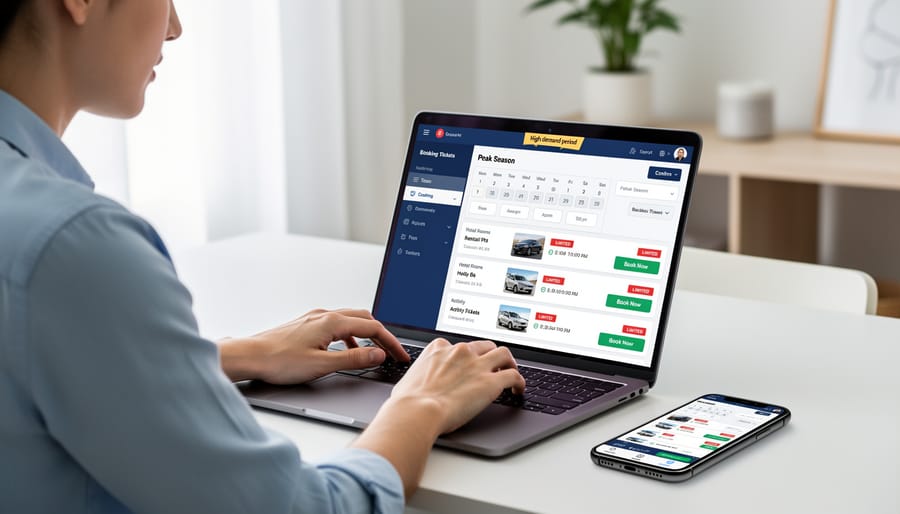
The best strategy for securing equipment during high-demand periods is surprisingly simple: book earlier than feels necessary. For weekend DIY projects, aim to reserve tools by Tuesday or Wednesday at the latest. Professional tradespeople working on scheduled jobs should book at least one week ahead, particularly during spring and summer when renovation activity peaks.
Seasonal factors significantly impact availability. Autumn lawn care equipment disappears quickly in March and April, while concrete mixers and landscaping tools become scarce before major holidays when homeowners tackle outdoor projects. December through February typically offers better availability for indoor renovation equipment.
Using digital booking platforms helps you check real-time availability and secure reservations instantly. Many rental providers now allow advance bookings up to three months ahead, which proves invaluable for large projects requiring multiple specialized tools. Community members consistently report that early booking not only guarantees equipment access but often provides better rates and more flexible pickup times, reducing project stress considerably.
Build Relationships with Local Hire Shops
Building a strong relationship with your local hire shop can be your best defense against just-in-time supply chain challenges. Regular customers often receive priority access when stock is limited, especially during peak seasons when everyone needs the same equipment.
Start by choosing one or two reliable shops as your go-to providers rather than shopping around constantly. Introduce yourself to the staff, explain the type of projects you typically tackle, and ask about their reservation system. Many shops will call trusted customers first when equipment becomes available or when cancellations occur.
Consider joining loyalty programs if available. These often include benefits like advance booking privileges, reduced rates, and notifications about incoming stock. Some hire shops also offer email alerts for specific equipment categories, helping you plan around availability.
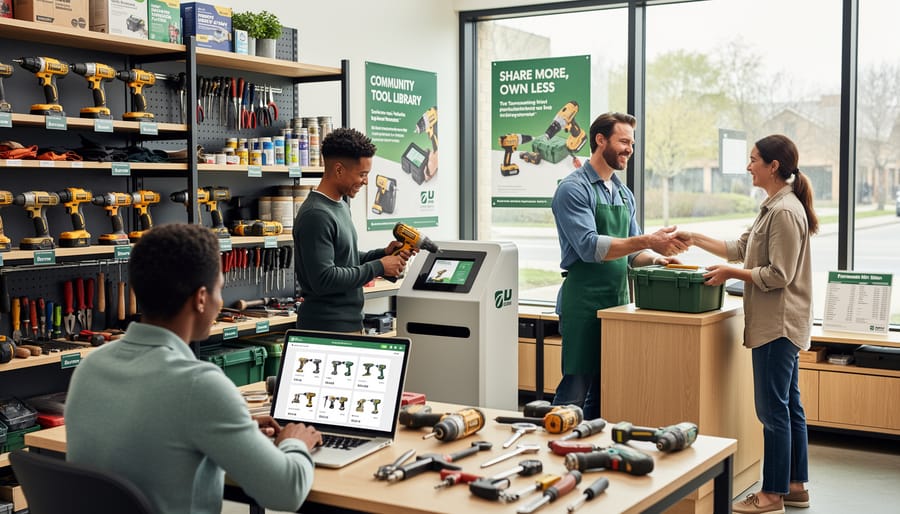
Don’t overlook community-driven alternatives either. Local tool libraries, maker spaces, and neighborhood sharing programs operate outside traditional supply chains and can provide backup options when commercial rental shops face shortages. These community resources often rely on member reviews and feedback to maintain quality, creating a more transparent rental experience while building local resilience against supply disruptions.
Have Backup Options Ready
Smart rental planning means having a Plan B when your first-choice tool isn’t available. Start by identifying alternative equipment that can accomplish similar tasks. For example, if a specific excavator model is unavailable, research comparable models with similar specifications from other manufacturers. Most rental providers can suggest suitable alternatives based on your project requirements.
Building relationships with multiple suppliers gives you flexibility when demand spikes. Rather than relying on a single rental company, maintain accounts with at least two or three providers in your area. This approach not only increases availability options but also helps you compare pricing and service quality through community reviews.
Incorporate flexibility into your project planning from the start. When scheduling tasks, identify which equipment is critical and which jobs can be rescheduled if certain tools are unavailable. Create a prioritized list of tasks with corresponding backup tools or methods. For instance, if you can’t secure a concrete mixer, you might arrange for ready-mix delivery instead.
Keep a running list of substitute tools you’ve successfully used in past projects. This personal reference becomes invaluable during peak rental periods when you need quick alternatives.
What’s Coming Next: The Future of Tool Hire Supply Chains
Localized Manufacturing and Repairs
The tool hire industry is shifting toward localized manufacturing and repair facilities to minimize disruptions caused by global shipping delays. Instead of relying solely on overseas manufacturers for replacement parts, many rental companies now partner with regional service centers that stock commonly needed components and can quickly address equipment breakdowns.
This decentralized approach means that when a power drill or compressor needs fixing, the parts might come from a warehouse just hours away rather than from another continent. Some rental businesses have even invested in 3D printing capabilities to produce simple replacement parts on-site, dramatically reducing wait times for repairs.
For customers, this trend translates to better tool availability and faster turnaround times when equipment needs servicing. When booking tools, it’s worth asking your rental provider about their repair capabilities and parts sourcing. Companies with local service networks can often guarantee quicker replacements if something goes wrong mid-project.
This localization strategy also supports community resilience. By building regional supply networks, the tool hire industry becomes less vulnerable to international shipping bottlenecks, port congestion, or global supply disruptions that have affected availability in recent years.
Peer-to-Peer Rental Growth
Community-driven peer-to-peer rental platforms are reshaping how people access tools and equipment, creating flexible supply networks that work around traditional inventory limitations. These platforms connect tool owners directly with renters in their local area, effectively turning neighbourhoods into distributed warehouses.
When your local hire shop runs out of a particular drill or ladder due to just-in-time inventory practices, peer-to-peer options can fill the gap. Homeowners with tools sitting idle in their garages can list them for rent, while DIYers and tradespeople gain access to equipment that might otherwise be unavailable. This approach reduces the impact of supply chain disruptions since inventory isn’t concentrated in single locations.
These platforms typically feature user-generated reviews and ratings, helping you assess both the tool’s condition and the reliability of the owner before booking. Many also include insurance coverage and secure payment systems, addressing common concerns about peer-to-peer transactions.
The model benefits everyone involved: owners earn money from unused equipment, renters find tools when traditional sources are stretched thin, and communities build stronger connections through shared resources. As supply chain pressures continue affecting conventional rental businesses, these alternative networks provide valuable backup options for accessing the equipment you need, exactly when you need it.
Understanding how just-in-time supply chains impact tool rental availability puts you in a stronger position as a customer. While this lean approach occasionally creates challenges during demand spikes or supply disruptions, the rental industry continues adapting through improved forecasting, diversified supplier networks, and better communication systems.
The key takeaway is that proactive planning makes all the difference. By booking your equipment in advance, staying flexible with your project timelines when possible, and maintaining open communication with your rental provider, you’ll significantly reduce the chances of encountering availability issues. Most rental companies are working hard to balance cost efficiency with keeping popular tools in stock, and your feedback helps them understand what matters most to their customers.
Remember that the tool rental community thrives on shared experiences and knowledge. Whether you’re a weekend DIY enthusiast or a professional tradesperson, connecting with others through reviews and recommendations helps everyone make better decisions. When you share your booking experiences or alert others to availability patterns, you’re contributing to a more informed community.
Stay updated on equipment availability by checking with your local rental centers regularly, especially before major projects. Many providers now offer real-time availability tools and notification systems that alert you when specific equipment becomes available. By understanding the system and planning ahead, you’ll find that tool rental remains a cost-effective, practical solution for getting the right equipment exactly when you need it.
Related Posts

Post a Comment