

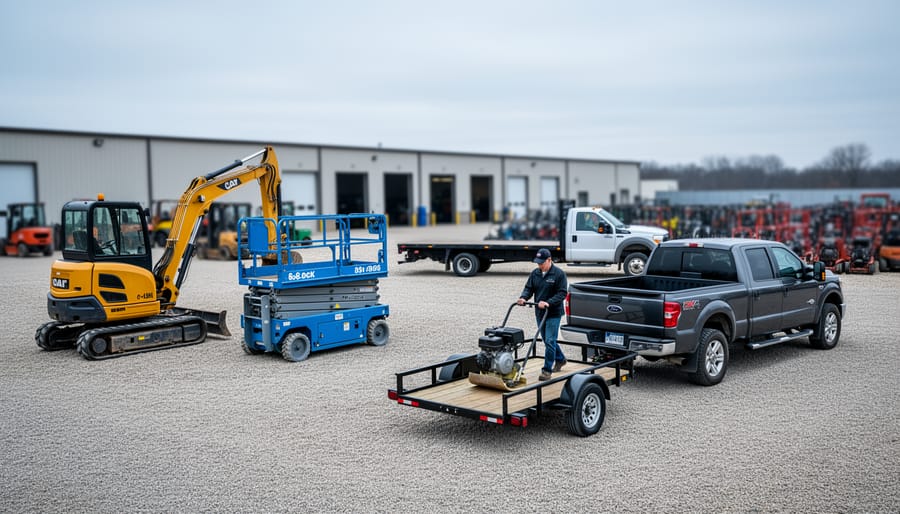
Equipment rental costs have climbed 15-25% over the past two years, with labor surcharges adding an unexpected $50-200 to your final bill. Understanding these charges means knowing that rental rates reflect three core components: the base equipment fee, damage waiver options, and increasingly common labor surcharges that cover delivery, setup, and fuel costs.
Compare at least three rental providers before committing, as rates for identical equipment can vary by 40% within the same market. Request itemized quotes that separate equipment fees from labor charges, delivery fees, and environmental surcharges so you can identify exactly where your money goes.
Reduce labor surcharges by picking up equipment yourself when feasible, bundling multiple tool rentals into a single transaction, and scheduling rentals during off-peak weekdays when providers often waive or reduce delivery fees. Many rental centers drop labor charges entirely for customers who can demonstrate they’ll handle their own transportation and basic setup.
Monitor rental duration closely since most providers calculate costs in four-hour, daily, weekly, or monthly increments. Returning equipment even one hour past your rental period can trigger charges for an entire additional day, while extending rentals to weekly rates often costs less than four separate daily rentals.
Community feedback consistently shows that transparent communication with rental staff about your project timeline and budget constraints leads to customized solutions, including loyalty discounts, bundled rates, and waived surcharges that rarely appear in advertised pricing.
What’s Driving Equipment Rental Rate Increases in 2024
Equipment Acquisition and Replacement Costs
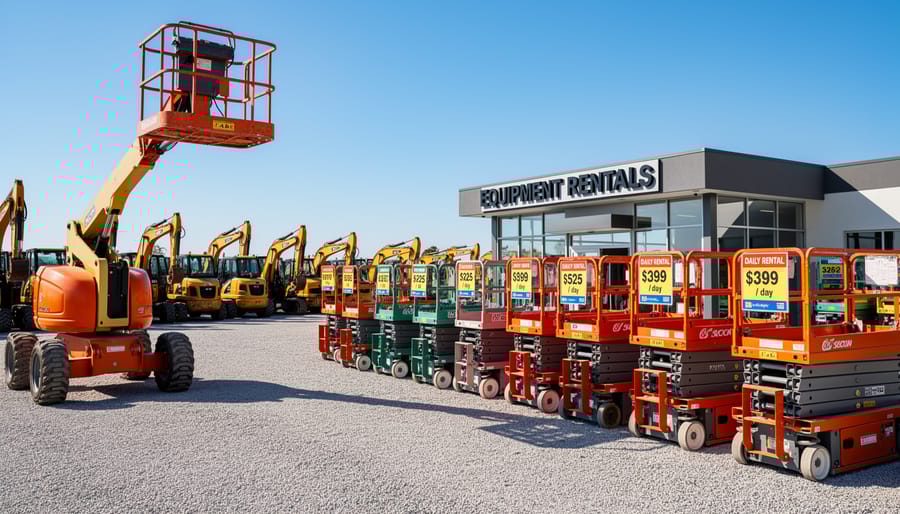
The reality facing rental companies today is straightforward: equipment costs more to buy and takes longer to arrive. Global supply chain disruptions and increased raw material prices have pushed manufacturer prices up by 15-30% over the past few years. What used to take weeks for delivery now often stretches into months, forcing rental businesses to maintain larger inventories just to serve their customers reliably.
When a rental company invests $50,000 in a new excavator or $5,000 in professional-grade power tools, they need to recover that cost over the equipment’s usable lifetime. Higher purchase prices mean higher daily rental rates to maintain the same return on investment. This pricing adjustment isn’t about increasing profit margins—it’s about covering the actual cost of acquiring and maintaining quality equipment.
Lead times also create hidden costs. Longer waits mean rental companies must order equipment earlier and tie up more capital in inventory. They’re also competing with construction firms and other businesses for limited equipment availability. These factors cascade through B2B pricing strategies and ultimately affect what you pay at the counter. Understanding this connection helps explain why rental rates have climbed—and why they’re likely to remain elevated until supply chains stabilize.
Maintenance and Operating Expenses
Behind every rental rate increase is a corresponding jump in what it costs to keep equipment running. Maintenance and operating expenses have climbed significantly over recent years, and these costs get passed directly to renters.
Parts and replacement components now cost substantially more than they did just a few years ago. Supply chain disruptions have affected everything from hydraulic hoses to engine filters, with some parts seeing price increases of 20-40%. Rental companies must stock these items to minimize downtime, which ties up more capital in inventory.
Fuel costs represent another major factor. Gas and diesel prices fluctuate, but the overall trend has been upward. Equipment like generators, excavators, and pressure washers consume considerable fuel, and these operating costs are calculated into daily and weekly rental rates. When fuel prices spike, rental companies often implement fuel surcharges or adjust their base rates accordingly.
Servicing and preventive maintenance have also become more expensive. Qualified technicians command higher wages, and the specialized tools required for modern equipment repairs aren’t cheap. Regular maintenance schedules must be followed rigorously to prevent breakdowns and ensure safety, which means rental companies are investing more in keeping their fleets operational. Many rental providers now share these maintenance schedules and service records with customers, building transparency into their pricing models based on real operational costs.
Market Demand and Availability
When construction activity surges in your area, you’ll likely notice rental equipment becomes harder to find and more expensive. This happens because rental companies have limited inventory, and when multiple projects compete for the same equipment, prices naturally rise. Think of it like hotel rates during peak vacation season—demand drives costs up.
Construction booms create a ripple effect throughout the rental market. Large commercial projects often lock up equipment for weeks or months, leaving less available for smaller jobs and weekend DIY projects. Equipment shortages become especially noticeable for popular items like excavators, skid steers, and aerial lifts.
Supply chain disruptions have also impacted equipment availability. Manufacturing delays mean rental companies can’t expand their fleets as quickly as demand grows, creating longer wait times and higher prices. Some regions experiencing rapid development report rental rate increases of 15-30% over the past two years.
According to community feedback from contractors and DIYers, booking equipment well in advance has become essential. Many rental centers now recommend reserving tools 2-3 weeks ahead for busy seasons rather than the traditional few days’ notice.
Understanding Labor Surcharges: What They Are and Why They Exist
Common Types of Labor Surcharges
When you rent equipment, several types of labor surcharges might appear on your invoice beyond the base rental rate. Understanding these fees helps you budget accurately and avoid surprise costs.
Delivery and pickup fees cover the transportation of equipment to and from your job site. These charges typically range from $50 to $300 depending on distance, equipment size, and fuel costs. Some rental centers waive delivery fees for orders above a certain threshold or within a specific radius. Always ask about pickup options if you have a truck available, as self-transport can eliminate this charge entirely.
Setup and dismantling fees apply when rental staff need to assemble, configure, or break down equipment at your location. Scaffolding, large compressors, and specialized machinery often require professional installation for safety and proper operation. These fees usually run $75 to $200 per service call, though complex equipment may cost more.
Operator services represent another common surcharge when you need a trained professional to run the equipment. Excavators, cranes, and aerial lifts frequently come with this option. Hourly operator rates typically range from $45 to $150, depending on the machine complexity and operator certification level required.
Emergency and after-hours rates apply when you need equipment outside standard business hours. Weekend rentals, holiday service, or last-minute requests often carry a 25-50% premium above regular rates. Planning ahead and scheduling during weekdays can significantly reduce these additional costs. Many community members report that flexible project timing helped them avoid these premium charges while still completing their work successfully.
When to Expect Additional Labor Fees
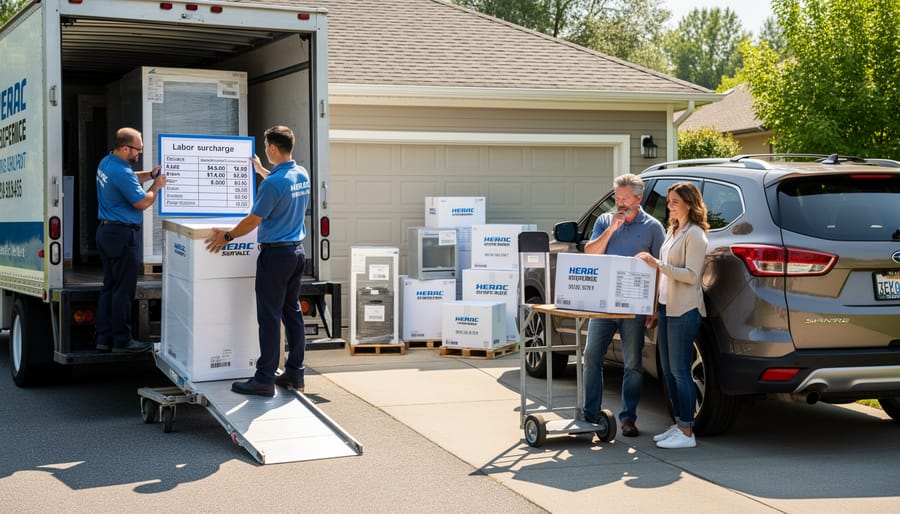
Labor surcharges typically kick in when your rental involves more than simply picking up equipment and returning it. Understanding these scenarios helps you budget accurately and avoid surprise charges.
You’ll commonly encounter labor fees when requesting delivery and pickup services. Rental companies charge for the time and fuel required to transport heavy machinery to your job site. Expect additional costs if you need operators to run specialized equipment like excavators or aerial lifts, as this requires trained, certified personnel.
Installation and setup services also trigger surcharges. If you’re renting scaffolding, temporary fencing, or party equipment that requires assembly, count on paying for the technician’s time. Similarly, equipment requiring calibration or specific positioning, such as concrete mixers or compaction equipment, often includes mandatory setup fees.
After-hours rentals, weekend pickups, or rush requests usually come with premium labor charges. Emergency equipment needs or same-day service almost always cost more due to staff scheduling demands.
Before booking, review the rental agreement’s fee structure carefully. Ask specific questions: “Does this rate include delivery?” or “Are there setup fees for this equipment?” Many rental centers now display labor surcharges clearly on their websites, but if you’re unsure, call ahead. Community reviews often highlight unexpected fees, helping you choose transparent rental providers who communicate all costs upfront.
Current Rental Rate Trends: What the Numbers Show
Power Tools and Small Equipment
Power tools and small equipment have seen moderate but steady rate increases over the past year. Standard corded drills now rent for approximately $15-25 per day, up from $12-20 previously. Circular saws and reciprocating saws typically range from $20-35 daily, reflecting a 10-15% increase. Generators are among the most affected items due to fuel costs and maintenance requirements. Portable generators (3,000-5,000 watts) now cost $40-70 per day, while larger units can exceed $100 daily. Air compressors have similarly increased, with standard pancake compressors renting for $30-50 per day and larger industrial models reaching $75-120.
According to community feedback, many rental centers now bundle tools with necessary accessories at slightly better rates than renting items separately. Some users report negotiating multi-day discounts of 20-30% when planning longer projects. Weekend specials remain common, allowing Friday pickup with Monday return at single-day rates. Labor surcharges, when applied to power tool deliveries or equipment setup, typically add $25-75 depending on distance and complexity.
Heavy Machinery and Large Equipment
Heavy machinery commands premium rates due to purchase costs, maintenance requirements, and transportation logistics. Current rental prices for excavators range from $300-$600 per day depending on size, while aerial lifts typically cost $200-$400 daily. Scaffolding rentals average $15-$25 per frame per week, with monthly rates offering better value for extended projects.
Labor surcharges on heavy equipment have increased 12-18% over the past year, reflecting operator certification requirements and insurance costs. Many rental companies now bundle delivery fees separately, adding $75-$200 per trip depending on distance. Planning your construction site setup efficiently can minimize multiple delivery charges.
Weekend and holiday rates often include 20-30% premiums. Community members report significant savings by booking mid-week and consolidating equipment needs into single rental periods. Always verify what’s included in quoted rates—fuel, damage waivers, and operator training can add unexpected costs. Request itemized quotes comparing daily versus weekly rates, as longer rentals frequently offer per-day discounts of 40% or more.
Regional Variations in Pricing
Where you rent equipment can significantly impact what you pay. Urban markets typically charge 15-30% more than rural areas due to higher overhead costs like rent, insurance, and wages. For example, a mini excavator might cost $250 per day in a small town but $325 in a major city for the same equipment.
Regional demand also plays a role. Areas experiencing construction booms or recovering from natural disasters often see temporary price spikes as equipment availability tightens. Coastal regions may charge higher rates to offset salt-related wear and maintenance costs.
Labor surcharges vary even more dramatically by location. States with higher minimum wages naturally see increased delivery and setup fees. Some rental companies in competitive markets waive these charges to attract customers, while others in areas with limited competition pass along full labor costs.
Understanding your local market helps you budget accurately and spot when rates seem unusually high, prompting you to shop around or negotiate better terms.
How to Minimize Your Rental Costs Despite Rising Rates
Timing Your Rentals Strategically
Choosing the right time to rent equipment can significantly reduce your costs. Rental companies typically experience slower periods during weekdays and off-season months, when they’re more likely to offer competitive rates. For example, many tool rental centers see lighter traffic during winter months for outdoor equipment, making it an ideal time to negotiate better pricing.
Multi-day and weekly rentals almost always provide better value than daily rates. Most rental companies structure their pricing so that a weekly rental costs only slightly more than three or four daily rentals. If your project extends beyond a single day, ask specifically about their weekly rates and do the math to compare.
Avoid premium rate periods like weekends, holidays, and peak construction seasons when demand drives prices up. Many rental centers implement weekend surcharges, adding 20-30% to standard rates. Planning your projects for Tuesday through Thursday can help you dodge these premiums. Additionally, booking equipment in advance during busy seasons locks in better rates and ensures availability. Community members frequently report that simply asking about current promotions or upcoming discounts often reveals savings opportunities that aren’t advertised. Don’t hesitate to inquire about price matching if you’ve found lower rates elsewhere.
Avoiding Unnecessary Labor Surcharges
One of the most effective ways to reduce your rental costs is by handling pickup, setup, and return yourself. Labor surcharges typically range from $50 to $200 or more depending on equipment size and complexity, so these DIY efforts can lead to significant savings.
Before committing to self-service, honestly assess your capabilities. Consider the equipment’s weight, your vehicle’s capacity, and whether you have the necessary loading equipment like ramps or tie-downs. Many rental companies provide equipment specifications and loading requirements online, so review these details carefully.
When picking up equipment, arrive with the right vehicle and securing materials. Most rental centers offer quick tutorials on safe loading and operation at no extra charge. Don’t hesitate to ask questions during this time, as proper handling prevents damage fees later.
For setup, carefully follow the manufacturer’s instructions provided with your rental. Watch tutorial videos beforehand if available. Community forums often share helpful setup tips from users who’ve rented the same equipment.
Return equipment clean and on time to avoid additional charges. A quick wipedown takes minutes but can save you cleaning fees averaging $25 to $75. Document the equipment’s condition with photos at pickup and return for your records.

Negotiating and Comparing Rates
Getting the best equipment rental rates starts with gathering quotes from at least three suppliers in your area. Don’t just compare the daily or weekly rates—ask for the total cost including labor surcharges, delivery fees, and any additional charges for accessories or fuel. Many rental companies offer different pricing tiers, so being upfront about your project timeline helps you optimize your pricing strategy.
Build relationships with your preferred rental suppliers. Many offer loyalty programs that provide discounts after a certain number of rentals or spending threshold. If you’re a professional tradesperson, ask about contractor accounts which often come with preferential rates and flexible payment terms.
Bulk rentals can significantly reduce costs. If you need multiple pieces of equipment, bundling them with one supplier often triggers volume discounts. Similarly, longer rental periods typically have better daily rates—a week-long rental might cost only slightly more than three days.
Don’t hesitate to negotiate, especially during off-peak seasons or for extended rentals. Community feedback shows that many suppliers are willing to match competitor pricing or waive certain fees to secure your business. Always ask if there’s room for flexibility on the quoted price.
What Rental Companies Are Saying About Future Pricing
Rental companies across the industry are offering mixed predictions about where pricing is headed in the coming months. According to recent industry surveys, most major rental providers expect rates to stabilize rather than continue their upward trajectory, though few anticipate significant decreases in the near term.
Several national rental chains have indicated that while base rental rates may plateau, labor surcharges are likely to remain in place as operational costs continue to reflect higher wages and insurance premiums. The consensus among regional providers suggests that adapting to market changes will require ongoing adjustments to pricing structures rather than returning to pre-pandemic rate levels.
What’s encouraging for customers is the growing transparency movement within the rental industry. More companies are now breaking down their pricing on invoices and websites, showing exactly what portions cover equipment depreciation, maintenance, labor costs, and delivery fees. This shift toward clarity helps you understand what you’re actually paying for and compare options more effectively.
Some rental businesses are also adopting customer-friendly policies like rate-lock guarantees for longer rental periods and advance notice requirements before implementing surcharge increases. A few progressive companies have introduced loyalty programs that offset labor surcharges for repeat customers or waive certain fees during off-peak seasons.
Industry representatives emphasize that competition remains strong, which should help keep pricing reasonable despite ongoing cost pressures. They recommend that customers ask directly about all fees upfront and request itemized quotes. Many rental managers report they’re willing to work with regular customers on pricing, especially for extended rentals or multiple equipment orders. The key takeaway is that while some costs may be here to stay, transparency and customer communication are improving across the board.
Community Insights: Real Experiences with Rental Rate Changes
Real renters are getting creative about managing the new pricing landscape. Mike, a general contractor from Oregon, shares his approach: “I always call ahead now to confirm the total cost, including labor surcharges. Last month I was quoted one rate online, but the final bill included a 15% surcharge I hadn’t budgeted for. Now I ask specifically about all fees upfront.”
Weekend warriors are finding value in timing their rentals strategically. Sarah, a DIY homeowner, discovered substantial savings by renting mid-week instead of weekends. “I saved nearly $40 on a tile saw rental just by taking a Friday off work instead of starting my bathroom project on Saturday,” she notes.
Several tradespeople recommend building relationships with local rental shops. James, a landscaper, explains: “My regular shop gives me advance notice about rate changes and sometimes waives the labor surcharge for loyal customers. It pays to stick with one provider rather than always chasing the lowest advertised rate.”
Community forums reveal that many renters are now sharing equipment among neighbors or project partners to split costs. One plumber suggests, “If you’re doing multiple jobs in the same area, coordinate with other contractors. We’ve started pooling our rentals when schedules align, which cuts our individual costs significantly.”
The consensus among experienced renters: transparency matters most. Always request itemized quotes, ask about all potential surcharges, and don’t hesitate to negotiate, especially for multi-day rentals or repeat business.
Understanding equipment rental rates and labor surcharges doesn’t have to be complicated. The key takeaway is that these costs reflect real increases in operating expenses, from equipment maintenance to wage adjustments and insurance premiums. While prices have risen, you’re not powerless in managing your rental expenses.
Smart rental practices make all the difference. Planning ahead, renting during off-peak times, bundling equipment, and maintaining open communication with rental providers can significantly reduce your costs. Don’t hesitate to ask about package deals or loyalty programs that many rental centers offer but don’t always advertise upfront.
Remember that a labor surcharge isn’t a hidden fee—it’s a transparent way for rental companies to adjust for rising operational costs without constantly changing base rates. When you understand what you’re paying for, you can make better decisions about which projects to tackle yourself and when professional assistance adds real value.
We’d love to hear from you. What strategies have worked best for managing your rental costs? Have you discovered partnerships with local rental centers that saved you money? Share your experiences and tips in the comments below to help fellow DIYers and professionals navigate today’s rental market together.
Related Posts


Post a Comment