
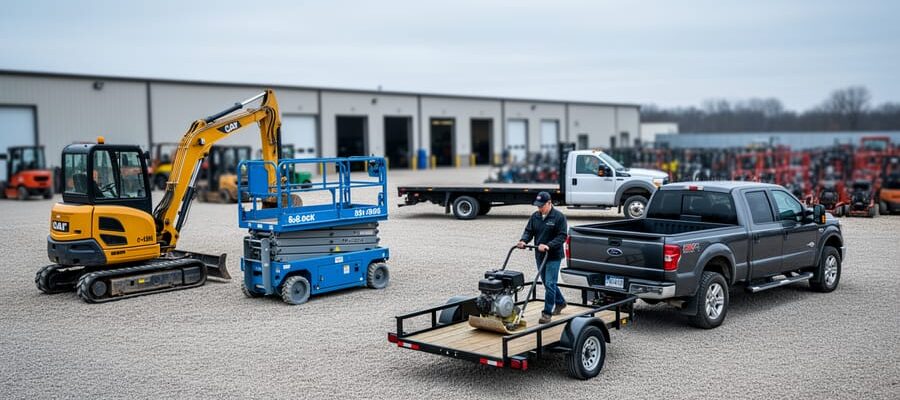

Your tool rental business faces constant pressure: customer demands shift overnight, equipment breaks down unexpectedly, seasonal fluctuations disrupt staffing, and new competitors enter the market with different pricing models. Traditional change management, with its rigid six-month planning cycles and corporate boardroom strategies, simply doesn’t work when you need to pivot quickly or lose customers to the shop down the street.
Agile change management flips this approach. Instead of massive overhauls that freeze operations for weeks, you make small, rapid adjustments based on real-time feedback from your counter staff, delivery drivers, and customers. Think of it as the difference between renovating an entire house at once versus fixing one room at a time while still living there. You test changes quickly, measure what works, and adjust course without disrupting your daily rentals.
This matters because your business operates in the real world, not a corporate strategy deck. When a contractor calls needing a specific excavator model you don’t stock, or when three customers in one week ask about weekend delivery options, agile change management gives you a framework to respond in days, not months. You gather input from the people doing the actual work, implement targeted solutions, and measure results through the metrics that matter: rental utilization rates, customer return frequency, and equipment downtime.
The core principle is simple: make smaller bets, learn faster, and involve your whole team in the process. Your front-line employees already know what customers want and what processes slow them down. Agile change management creates a structured way to turn those insights into operational improvements that strengthen your competitive position without the paralysis of traditional planning.
What Is Agile Change Management?
Breaking Down the Basics
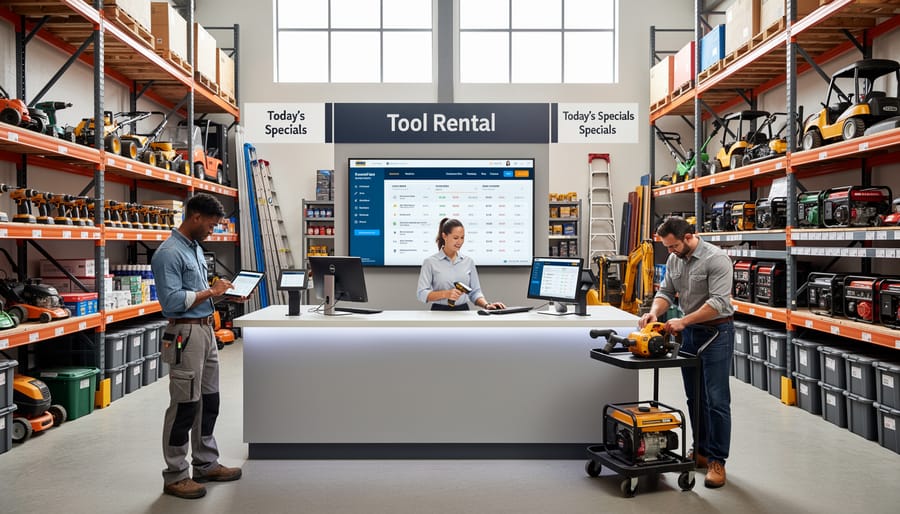
Agile change management brings three core principles that can transform how your tool rental business adapts to challenges. First is flexibility—the ability to pivot quickly when customer needs shift or equipment trends change. Instead of rigid annual plans, you make adjustments in shorter cycles, perhaps monthly or quarterly, based on what your customers actually request.
Second is iteration, which means making small improvements continuously rather than waiting for major overhauls. For example, if customers mention difficulty finding specific drill bits, you don’t wait six months to address it. You test adding a few specialty options, gather feedback through community-driven reviews, and refine your inventory accordingly.
Third is collaboration, bringing your entire team into the decision-making process. Your counter staff interact with DIY enthusiasts and professional tradespeople daily—they know which tools get requested most and what problems customers face. Regular check-ins where employees share these insights help you respond faster than competitors who rely solely on management decisions. This collaborative approach also extends to your customer community, where user-generated content reveals real-world needs and preferences that shape your inventory and service improvements.
Why Traditional Change Management Doesn’t Work for Tool Hire
Traditional operational change management approaches often fall short in the tool hire industry because they rely on rigid, long-term planning cycles that can’t keep pace with real-world dynamics.
Consider a typical scenario: you’ve spent months planning to expand your power tool inventory based on annual forecasts, only to discover that a sudden construction boom has shifted demand toward earthmoving equipment instead. By the time traditional change processes approve budget reallocation, the opportunity has passed, and your competitors have already captured that market segment.
Similarly, customer preferences shift rapidly. When cordless technology advances or new safety regulations emerge, rental businesses need to respond within weeks, not quarters. A six-month implementation timeline for adding battery-powered equipment means you’re already behind customer expectations.
Seasonal fluctuations present another challenge. Traditional planning assumes predictable patterns, but weather events, economic changes, and local project schedules create unpredictable demand spikes. A fixed inventory strategy developed in January may be completely unsuitable by March.
The root problem is simple: traditional methods assume stability in an inherently unstable environment. Tool hire businesses face constant variables including equipment breakdowns, supplier delays, competitive pricing changes, and evolving trade requirements. Rigid planning frameworks can’t accommodate this reality, leaving businesses perpetually playing catch-up rather than staying ahead.
Core Strategies for Implementing Agile Change Management
Start with Small, Iterative Changes
The most effective way to implement agile change management in your tool rental business is through small, controlled experiments rather than sweeping overhauls. This approach minimizes disruption while providing valuable insights about what works for your specific customer base.
Start by selecting one aspect of your operation to test. For example, if you’re considering expanding your inventory, pilot a small collection of specialized tools in a single category—perhaps adding three high-end tile saws to gauge demand before investing in a full masonry equipment line. Run this pilot for 30 to 60 days, tracking rental frequency, customer feedback, and maintenance requirements.
When adjusting rental terms, test changes with a subset of customers first. One successful rental shop introduced a new three-day weekend package at a 15 percent discount, initially offering it only to existing customers through email. After positive response and increased weekend bookings, they rolled it out store-wide. This iterative approach prevented potential revenue loss if the pricing hadn’t resonated.
Another practical example involves updating your rental agreement process. Rather than digitizing your entire system at once, start with just the checkout process or damage waiver documentation. Monitor how customers respond, identify technical glitches, and refine the system based on real user experiences.
Track specific metrics for each change: rental rates, customer satisfaction scores from community-driven reviews, return rates, and staff feedback. Set clear success criteria beforehand—for instance, a 20 percent increase in category rentals or positive feedback from 75 percent of users. If results fall short, adjust your approach or pivot to a different solution before committing further resources.

Build Cross-Functional Teams
Creating effective cross-functional teams doesn’t require a massive budget or complex organizational structure. For tool rental businesses, the key is bringing together the right mix of perspectives to drive meaningful change.
Start by identifying team members from different areas of your operation. Include frontline counter staff who interact with customers daily, warehouse personnel who manage inventory and equipment maintenance, and at least one person who handles your digital presence or marketing. This diversity ensures you’re considering all aspects of your business when implementing changes.
The real game-changer is involving your customers and community in the process. Invite loyal customers or regular contractors to participate in feedback sessions or brief surveys about proposed changes. Their insights are invaluable because they use your equipment and experience your service firsthand. Consider creating a simple online forum or email group where engaged customers can share their experiences and suggestions.
For businesses with limited resources, keep meetings short and focused. Thirty-minute check-ins every two weeks work better than lengthy monthly marathons. Use free collaboration tools like shared documents or basic project management apps to track progress and ideas between meetings.
Encourage open communication by creating a judgment-free environment where the newest hire’s suggestion carries as much weight as the owner’s perspective. When warehouse staff notice equipment patterns or counter staff identify common customer pain points, those observations become opportunities for improvement.
Remember, cross-functional teams work best when everyone understands they’re working toward shared goals: better customer service, more efficient operations, and sustainable business growth.
Embrace Customer Feedback Loops
In an agile tool rental environment, customer feedback becomes your compass for continuous improvement. Rather than waiting for formal surveys or annual reviews, create immediate channels where users can share their experiences while they’re fresh.
Start by implementing digital feedback touchpoints at key moments in the rental journey. When customers return equipment, send a quick two-question survey via SMS or email asking about their experience and equipment performance. Keep it simple—you’ll get higher response rates with brief, focused questions than lengthy forms.
Online review systems serve double duty as both feedback collection and community trust-building tools. Encourage customers to rate specific tools and share project photos. This user-generated content helps future renters make informed decisions while giving you real-time insights into which equipment performs well and which needs replacement or better maintenance protocols.
Community forums, whether on your website or social media channels, create ongoing dialogue. Monitor these spaces daily and respond within 24 hours. When a tradesperson mentions a missing tool type or a DIYer suggests better pickup procedures, you’ve received free consulting from your target market.
Establish rapid response protocols for implementing valuable suggestions. Not every idea requires months of planning. Simple changes like adjusting operating hours, adding popular accessories, or improving signage can often happen within days. Effective customer feedback systems aren’t just about collecting information—they’re about demonstrating you listen and act, building loyalty through responsive service that evolves with your community’s needs.
Create Flexible Response Plans
Building flexible response plans means creating practical backup strategies that keep your rental business running smoothly when unexpected changes occur. Start by identifying your most common disruptions: delayed equipment deliveries, sudden demand spikes for specific tools, or supplier availability issues. For each scenario, document two or three alternative actions your team can take immediately.
Create a simple response matrix that your staff can reference quickly. For example, if a popular excavator model is unavailable, your plan might include offering a slightly larger model at the same rate, partnering with a nearby rental company for temporary inventory sharing, or maintaining a waitlist with proactive customer communication. The key is having these options mapped out before problems arise.
Involve your team in developing these plans since they often spot potential issues first. Ask equipment managers about which tools frequently cause scheduling conflicts and encourage counter staff to share patterns in customer requests. This community-driven approach ensures your response plans reflect real operational challenges rather than theoretical problems. Review and update your plans quarterly, incorporating feedback from actual situations you’ve navigated. Keep documentation accessible in both digital and printed formats so any team member can act quickly when needed.
Use Data to Drive Decisions
You don’t need complicated software to make smarter decisions about your tool rental business. Start with basic tracking methods that deliver actionable insights.
Begin by monitoring which tools rent most frequently and during what seasons. A simple spreadsheet noting rental dates, tool types, and customer categories (DIY homeowners versus professional tradespeople) reveals patterns within weeks. You’ll quickly spot which equipment sits idle and which needs duplicate inventory.
Track customer feedback through brief checkout conversations or follow-up messages. Ask what projects they’re tackling and whether they found everything needed. This real-world intelligence guides inventory decisions better than guesswork. When three customers in one month request the same unavailable tool, that’s your signal to acquire it.
Monitor your operational metrics too. Calculate average rental duration, late return rates, and equipment downtime for maintenance. These numbers highlight bottlenecks requiring immediate attention. If certain tools consistently return damaged, investigate whether better customer education or equipment upgrades are needed.
Connect your data points to revenue impact. Understanding which equipment generates the best returns directly informs pricing strategy optimization and purchasing priorities.
Review your data weekly initially, then monthly once patterns emerge. This rhythm lets you pivot quickly when market demands shift, keeping your inventory aligned with actual customer needs rather than assumptions.
Real-World Applications in Tool Rental and Equipment Hire
Adapting Your Inventory Based on Community Demand
Consider how Mountain Ridge Tool Rental transformed their inventory strategy when their community feedback revealed unexpected demand patterns. In early spring, their user reviews consistently mentioned frustration finding specific cordless power tools, while their traditional gas-powered equipment sat idle. Rather than waiting for their annual inventory review, the team implemented a two-week sprint to address the issue.
They started by analyzing their customer feedback data and rental patterns from the previous month. The numbers confirmed what reviews suggested: cordless tool requests had increased 40% while gas equipment rentals dropped. Within the first week, they contacted suppliers about transitioning 30% of their gas inventory to cordless alternatives. By week two, they’d updated their online catalog and sent targeted emails to customers who’d previously requested unavailable items.
The results spoke clearly. Rental bookings increased 25% over the next month, and customer satisfaction scores improved significantly. Their community-driven approach meant listening to actual user needs rather than assumptions.
The key lesson: agile inventory management means treating customer feedback as actionable data. Set up regular review cycles, perhaps monthly initially, to assess what your community actually needs. Create simple feedback loops through post-rental surveys or review prompts. When patterns emerge, act quickly with small inventory adjustments rather than waiting for perfect information.
Responding to Equipment Maintenance Issues
Equipment breakdowns and maintenance issues are inevitable in tool rental operations, but agile change management helps you respond quickly while maintaining customer confidence. The key is building flexible response systems before problems occur.
Start by creating a transparent communication protocol. When equipment fails or needs unexpected maintenance, immediately notify affected customers through multiple channels—text, email, and phone. Offer specific alternatives rather than just apologies. For example, if a reserved pressure washer is down, suggest a comparable model or offer a free upgrade to keep their project on schedule.
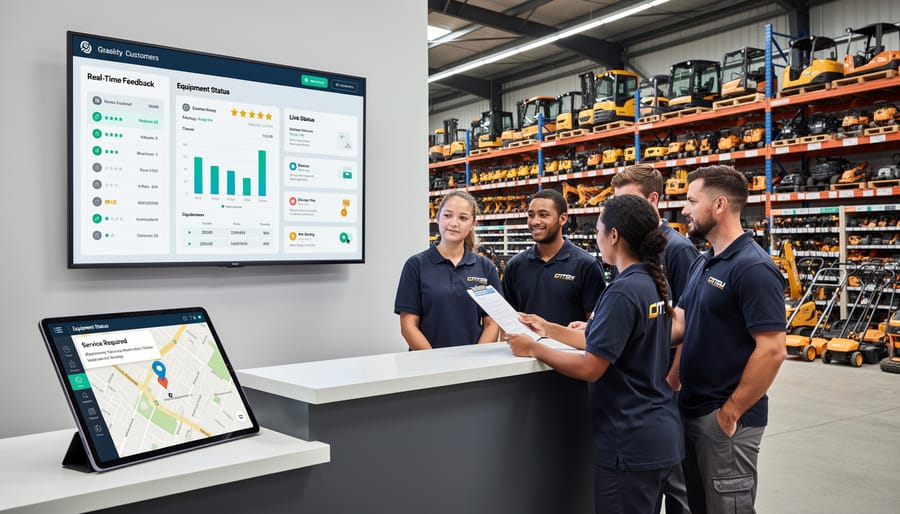
Implement daily equipment check-ins using a simple status board that your entire team can access. This visual management tool, borrowed from agile methodology, helps everyone see what’s available, what’s being serviced, and what needs attention. Color-code equipment by status: green for ready, yellow for minor issues, and red for out of service.
When safety concerns arise, pause immediately and gather your team for a quick stand-up meeting. These brief 10-minute huddles allow you to assess the situation, assign responsibilities, and determine next steps without lengthy meetings. Document the issue and resolution in a shared log that becomes your knowledge base for future reference.
Encourage customers to report problems through reviews and direct feedback channels. This community-driven input helps you spot patterns early and address recurring issues before they escalate, turning potential complaints into opportunities for improvement.
Implementing New Technology or Booking Systems
Rolling out new systems doesn’t have to mean shutting down operations or overwhelming your team. Start with a pilot phase—choose one location or a small group of staff to test the new online booking platform or contactless pickup process. This approach lets you identify issues before full deployment while building internal champions who understand the system inside-out.
Break the rollout into manageable sprints. Week one might focus on staff training through hands-on sessions rather than lengthy manuals. Week two could introduce the system to your most tech-savvy customers, gathering their feedback before wider release. For new technology implementation like inventory tracking, run parallel systems temporarily—maintaining your current method while testing the new one prevents service gaps.
Communication is critical throughout. Create simple visual guides showing customers how to use online booking in three steps or less. Post QR codes linking to tutorial videos at your counter. Assign team members as go-to experts who can troubleshoot common questions.
Finally, establish feedback loops immediately. Use quick surveys or comment cards asking specific questions: “Was checkout faster?” or “Did you find what you needed online?” This community-driven input helps you adjust quickly, ensuring changes actually improve the customer experience rather than complicate it.
Common Challenges and How to Overcome Them
Resistance from Staff or Long-Time Customers
When introducing agile changes to your tool rental operation, resistance from long-standing staff members or loyal customers is natural. People grow comfortable with familiar processes, whether it’s your counter staff who’ve used the same booking system for years or contractors who prefer your traditional rental agreements.
Start with transparent communication. Hold team meetings to explain why changes are happening and how they’ll benefit everyone. For instance, if you’re implementing a new digital inventory system, show staff how it reduces manual paperwork and helps them serve customers faster. Share the vision in plain language, avoiding business jargon that creates confusion.
Involve resistant team members in the change process. Ask experienced employees to test new procedures first and provide feedback. This builds ownership and often reveals practical improvements you hadn’t considered. Similarly, invite your most loyal customers to preview new services or provide input on changes before full rollout.
Implement changes gradually rather than overnight overhauls. Roll out one improvement at a time, allowing people to adapt before introducing the next change. This phased approach aligns with solid HR management practices and reduces overwhelm.
Celebrate small wins publicly. When someone successfully adapts to a new process, acknowledge their effort. Share positive customer feedback about improvements. These recognition moments build momentum and encourage others to embrace change rather than resist it.
Managing Change with Limited Resources
Running a small tool rental business doesn’t mean you can’t embrace agile change management. The key is working smarter with what you already have rather than investing in expensive systems or consultants.
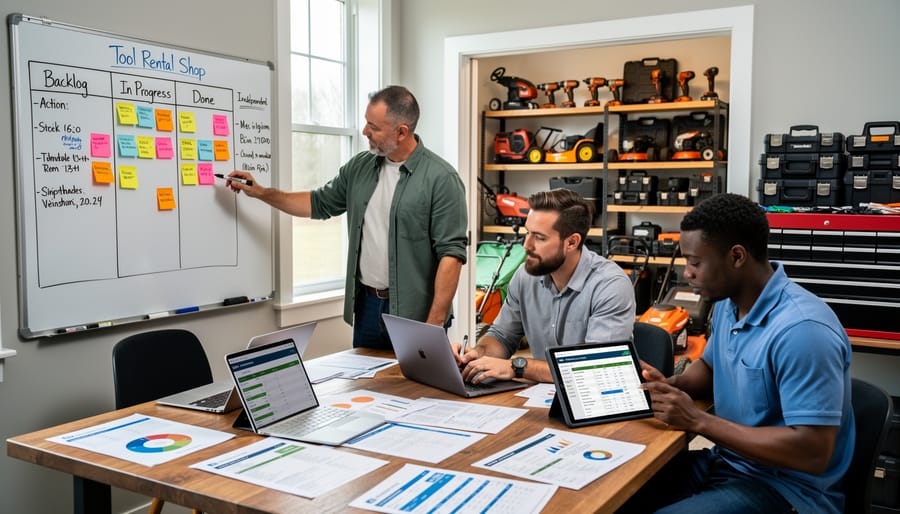
Start with a simple prioritization framework. Each week, identify three changes or improvements you want to test. These could be adjusting your rental pricing, reorganizing your tool display, or trying a new check-in process. Focus on quick wins that require minimal investment but can deliver noticeable results. For example, implementing a text message reminder system for returns might only cost a few dollars monthly but can significantly reduce late returns.
Use free or low-cost digital tools to track changes. A basic spreadsheet can serve as your change log, documenting what you tried, what worked, and what didn’t. This creates valuable data without requiring specialized software. Better yet, involve your customers in the process. Ask them directly what frustrates them or what would make rentals easier. Their feedback costs nothing and often reveals improvements you hadn’t considered.
Batch similar changes together to maximize your limited time. If you’re updating signage, do all signs at once rather than spreading the work over weeks. This approach reduces disruption and helps you see the collective impact faster.
Remember that agile change management is about continuous small improvements, not massive overhauls. Even dedicating just two hours weekly to testing and refining one aspect of your operation can lead to meaningful transformation over time. The community-driven feedback from your regular customers becomes your most valuable resource, guiding where to focus your limited time and budget for maximum impact.
Getting Started: Your First 30 Days
Ready to transform your tool rental business with agile change management? Here’s a practical 30-day roadmap to get you started, with milestones you can measure and celebrate along the way.
Days 1-10: Assess and Prepare
Begin by gathering your team for a kickoff meeting. Explain that agile change management means making small, quick adjustments based on real feedback rather than massive overhauls. Ask everyone to identify one pain point in your current operations, whether it’s slow equipment check-in, confusing pricing, or maintenance delays.
Create a simple feedback system. This could be as straightforward as a comment box at your counter or a quick online form. Encourage customers and staff to share what’s working and what isn’t. Set a goal to collect at least 20 pieces of feedback in your first ten days.
Days 11-20: Test Your First Change
Choose one manageable improvement based on the feedback you’ve gathered. For example, if customers mentioned confusing rental terms, rewrite one equipment category’s description in plain language. Or if staff noted maintenance tracking issues, try a new check-in process for just your power tools.
Implement this change as a test, not a permanent policy. Tell your team and customers you’re trying something new and want their honest opinions. Track specific metrics like transaction time, customer questions, or equipment downtime.
Days 21-30: Review and Iterate
Analyze your test results with your team. What improved? What unexpected issues came up? This is where agile thinking shines: you’re not committed to keeping changes that don’t work.
Based on what you learned, either refine your change, roll it back, or expand it to other areas. Schedule your first monthly review meeting to make this reflection process a regular habit. Document what you’ve learned in a simple log that anyone can reference.
Remember, agile change management isn’t about perfection in 30 days. It’s about building a culture where continuous improvement becomes second nature.
Embracing agile change management gives your tool rental business a real competitive edge in today’s fast-moving market. By staying flexible and responsive to customer needs, you can adapt your inventory, streamline processes, and improve service delivery faster than competitors using traditional management approaches. The beauty of agile methodology is that it doesn’t require massive overhauls or expensive consultants. Start small with one process improvement, gather feedback from your team and customers, then build from there.
We want to hear from you. Whether you’re just starting to explore agile principles or you’ve already implemented changes in your rental operation, your experiences matter to our community. What challenges have you faced when adapting to customer demands? Which agile practices have delivered the best results for your business? Share your stories, insights, and questions in the comments below. Your practical feedback helps fellow tool rental operators learn what works in real-world situations.
Remember, agile change management is a journey, not a destination. Every piece of feedback you collect and every small improvement you make brings you closer to a more efficient, customer-focused operation that stands out in the marketplace.
Related Posts


Post a Comment