

Managing tool rental inventory across multiple suppliers becomes exponentially harder as your business grows. An Order Management System (OMS) platform solves this by connecting your inventory tracking, supplier communications, and order processing into one centralized hub. Instead of juggling spreadsheets, email chains, and phone calls to track which tools are available from which suppliers, an OMS gives you real-time visibility into your entire supply chain from a single dashboard.
For tool rental businesses, OMS platforms transform how you handle the constant flow of equipment in and out of your facility. When a customer requests a specific power tool or heavy machinery, the system instantly shows you whether it’s in stock, reserved, out on rent, or available through your supplier network. The supplier portal component allows your vendors to update availability, confirm orders, and manage shipments directly within the platform, eliminating the back-and-forth that delays rentals and frustrates customers.
The inventory management features track each tool’s location, maintenance schedule, and rental history, ensuring you never double-book equipment or send out machinery that needs servicing. This visibility extends to your suppliers’ stock levels, so you can quickly fulfill orders even when your own inventory runs low. Rather than maintaining separate systems for purchasing, inventory, and supplier relationships, an OMS integrates these functions to reduce errors and save hours of administrative work daily.
Understanding whether an OMS platform fits your tool rental operation requires evaluating your current pain points. If you’re losing revenue to inventory confusion, spending excessive time coordinating with suppliers, or struggling to scale your business efficiently, an OMS platform addresses these challenges directly while providing the foundation for sustainable growth.
What Is an OMS Platform and Why Tool Rental Businesses Are Switching
The Core Features That Matter Most
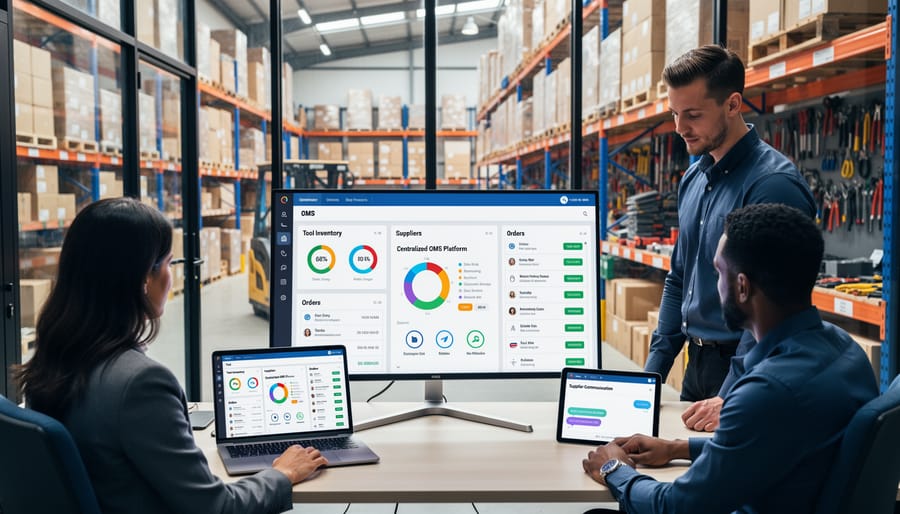
When evaluating OMS platforms for your tool rental business, focus on these core capabilities that directly impact your daily operations.
Inventory visibility is the foundation of any effective OMS. This feature gives you real-time insight into which tools are available, currently rented out, or undergoing maintenance. For example, if a customer wants to rent three concrete mixers for the weekend, the system instantly shows whether you have them in stock at your location or if they’re available at a partner supplier. This eliminates the frustration of double-bookings and helps you provide accurate availability information.
Order processing functionality streamlines how you handle rentals from start to finish. The platform should track each transaction from initial booking through pick-up, duration of hire, and return. Community-driven reviews from other rental businesses suggest that automated order processing reduces human error by up to 60%, particularly during busy periods when staff are juggling multiple customers.
Supplier communication tools become essential when you work with multiple vendors or partner locations. The system should allow seamless coordination, enabling you to quickly request equipment transfers or check supplier inventory without making phone calls. One tradesperson shared that this feature cut their equipment sourcing time from hours to minutes.
Reporting capabilities provide the data you need for smart business decisions. Look for platforms that generate clear reports on rental frequency, popular equipment, seasonal trends, and revenue by tool category. These insights help you stock the right equipment and identify growth opportunities without requiring a finance degree to understand the numbers.
How OMS Platforms Connect Your Suppliers and Inventory
An Order Management System acts as the central hub connecting your supplier relationships with your inventory tracking. Think of it as a digital command center where information flows automatically in both directions.
When you order new equipment from suppliers, the OMS platform records these incoming items and updates your inventory count in real-time. No more manual spreadsheet updates or guesswork about what’s arriving when. The system tracks purchase orders, delivery schedules, and automatically adds tools to your available rental stock once they’re checked in.
The integration works both ways. As customers rent tools, the OMS immediately adjusts inventory levels and can trigger automatic reorder alerts when stock runs low. Many platforms connect directly with supplier portals, allowing you to place orders without leaving your management system. This eliminates duplicate data entry and reduces ordering mistakes.
For businesses managing multiple locations or diverse tool categories, this seamless connection ensures accurate availability information across all touchpoints. When a customer checks your website or calls to reserve equipment, they see real-time availability based on actual inventory levels, not outdated information. This transparency builds trust and prevents the frustration of booking equipment that’s unavailable, something both DIY enthusiasts and professional tradespeople appreciate when planning projects.
Supplier Portal Updates: Making Vendor Relationships Easier
Real-Time Order Tracking and Communication
Gone are the days of endless phone calls and overflowing email inboxes when you need to check on an order. Modern OMS platforms with supplier portals give you instant visibility into every stage of your purchase orders and deliveries. Think of it as a digital tracking board that both you and your suppliers can access 24/7.
When you place an order for new equipment or replacement parts, you can log into the portal and see exactly where things stand. Is your order confirmed? Has it shipped? When will it arrive? These questions get answered with a few clicks instead of playing phone tag. For tool rental businesses, this means you can plan better and keep customers informed about when specific equipment will be available.
The system also displays real-time stock levels from your suppliers, so you know what’s available before placing an order. This transparency helps you avoid backorder surprises and make smarter purchasing decisions. Your suppliers benefit too, receiving clear order information without manual data entry or confirmation calls.
Recent delivery and tracking improvements in modern systems have made this communication even more seamless, with automated notifications keeping everyone updated throughout the fulfillment process.
Automated Reordering When Stock Runs Low
Modern OMS platforms include intelligent reordering features that monitor stock levels in real-time and automatically trigger purchase orders when inventory drops below predetermined thresholds. This functionality is essential for tool rental businesses where running out of popular equipment means lost revenue and disappointed customers.
Here’s how it works in practice: You set minimum stock levels for each tool based on rental patterns and seasonal demand. For example, if your pressure washers typically rent out 15 times weekly during spring, you might set a threshold of 5 available units. When rentals push available stock below this number, the system automatically generates a purchase order or sends alerts to your supplier through the connected portal.
Real-world scenario: A construction equipment rental shop notices their hammer drills are constantly booked. By setting automated reorder points at 3 units, the system ensures replacements are on their way before stock depletes completely. This prevents the frustrating situation where a professional tradesperson arrives expecting equipment that’s unavailable.
The system learns from historical data too, adjusting thresholds based on seasonal trends and upcoming bookings. This proactive approach eliminates guesswork and ensures your most requested tools remain in circulation, maximizing rental income while reducing manual inventory monitoring tasks.
Managing Multiple Suppliers in One Dashboard
Managing suppliers through separate systems creates headaches—different logins, inconsistent product information, and hours spent comparing prices across vendor websites. An OMS platform solves this by bringing all your supplier relationships into one centralized dashboard.
Instead of juggling multiple portals, you can view inventory from different tool manufacturers and distributors side-by-side. This makes it easy to compare pricing on similar items—say, comparing generator hire rates from three different suppliers—and choose the best value without opening multiple browser tabs. Many users in our community have reported saving 15-20% on procurement costs simply by having transparent pricing visibility across vendors.
The platform also helps maintain consistent standards. You can set quality benchmarks, track supplier performance metrics, and ensure every vendor meets your safety requirements before their tools reach your customers. Think of it as having a procurement manager working around the clock, monitoring delivery times, product availability, and pricing fluctuations.
For tool rental businesses working with both large equipment distributors and specialized niche suppliers, this consolidation eliminates the confusion of managing different ordering processes. You establish one workflow that applies across all vendors, reducing training time for staff and minimizing ordering errors that lead to customer disappointment.
Inventory Management Features That Actually Work for Tool Hire
Track Every Tool from Purchase to Rental to Return
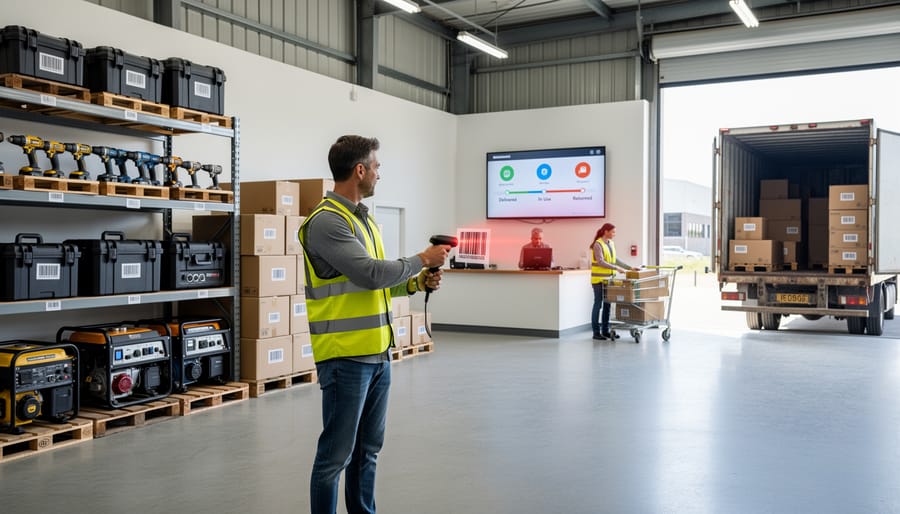
A robust OMS platform tracks each rental item from the moment it enters your inventory until it’s eventually retired. This comprehensive monitoring starts at purchase, logging essential details like acquisition cost, serial numbers, and warranty information. As equipment moves through its lifecycle, the system automatically updates its status—whether it’s available, out on rental, undergoing maintenance, or awaiting repair.
For rental businesses, maintenance scheduling becomes effortless. The platform sends alerts based on usage hours, rental frequency, or calendar intervals, ensuring tools receive servicing before problems arise. Digital condition reports, completed during check-in and check-out, document any damage or wear. Many modern systems even allow staff to attach photos directly to equipment records, creating a visual history that protects both your business and customers.
Utilization tracking reveals which tools generate the most revenue and which sit idle, informing smarter purchasing decisions. Combined with customer insights and analytics, you’ll understand demand patterns across seasons and customer types. This data-driven approach means you’re never overstocked on underperforming items or missing out on high-demand rentals. The system essentially creates a complete biography for every tool, helping you maximize return on investment while maintaining quality standards that keep customers coming back.
Managing Tool Availability Across Multiple Locations
If your tool rental business operates from multiple locations, keeping track of equipment across sites can quickly become chaotic. A quality OMS platform solves this challenge by providing real-time visibility into tool availability at each location from a single dashboard.
Rather than calling between branches or maintaining separate spreadsheets, staff can instantly see which depot has the specific cordless drill or concrete mixer a customer needs. This means you can fulfill customer requests even when the local branch is out of stock by arranging transfers from another location.
The platform tracks inter-location transfers automatically, updating inventory counts as tools move between sites. This prevents the common problem of equipment going missing or being double-booked because no one knew it had been moved. Many systems also calculate optimal stock distribution based on demand patterns at each location, helping you position inventory where it’s needed most.
For customers, this multi-location capability means better service. If they call one branch, staff can reserve equipment from any location and arrange delivery or pickup, expanding available options significantly. This flexibility often translates directly into increased rental revenue and customer satisfaction.
Preventing Lost Revenue from Missing Equipment
Missing equipment represents one of the most frustrating sources of revenue loss for tool rental businesses. When items disappear between jobs, get misplaced in storage, or simply aren’t returned on time, your bottom line suffers. Modern OMS platforms address these challenges head-on through advanced inventory tracking features.
Real-time tracking ensures every piece of equipment is accounted for throughout its journey—from warehouse to customer and back again. When combined with proper protocols for selecting the right equipment, these systems create accountability at every touchpoint.
Barcode scanning offers an affordable entry point for better tracking. Staff simply scan items during checkout and return, automatically updating inventory records and flagging discrepancies. This simple step dramatically reduces human error and takes seconds per transaction.
RFID (Radio Frequency Identification) technology takes tracking further by allowing multiple items to be scanned simultaneously without direct line-of-sight. Though initially more expensive, RFID proves valuable for high-volume operations or tracking smaller tools that easily go missing.
Many rental operators report theft prevention as an unexpected benefit. When customers know every item is tracked and their rental history documented, accountability increases naturally. Automated reminder notifications also recover forgotten rentals before they become losses, maintaining positive customer relationships while protecting your inventory investment.
What to Look for When Choosing an OMS Platform
Integration with Your Existing Systems
Your OMS platform needs to work smoothly with the software you already use daily. Think of it like connecting different tools in your workshop – each has a specific job, but they need to work together seamlessly.
Compatibility with your current booking system is essential. When a customer reserves a power drill through your online portal, that information should automatically flow into your OMS without manual data entry. The same applies to accounting software – rental transactions, invoices, and payment records need to sync properly to avoid double-handling. If you’re using platform payment systems or point-of-sale solutions at your counter, your OMS should connect with these too.
This is where APIs come in. An API (Application Programming Interface) is simply a bridge that lets different software programs talk to each other and share information automatically. Good OMS platforms offer APIs that connect with popular tools in the rental industry.
Data migration means transferring your existing customer records, inventory lists, and booking history into the new system. Reputable OMS providers help with this process, often providing step-by-step support or automated tools to move your data safely without losing crucial information about your customers or equipment.
Mobile Access for Field Teams
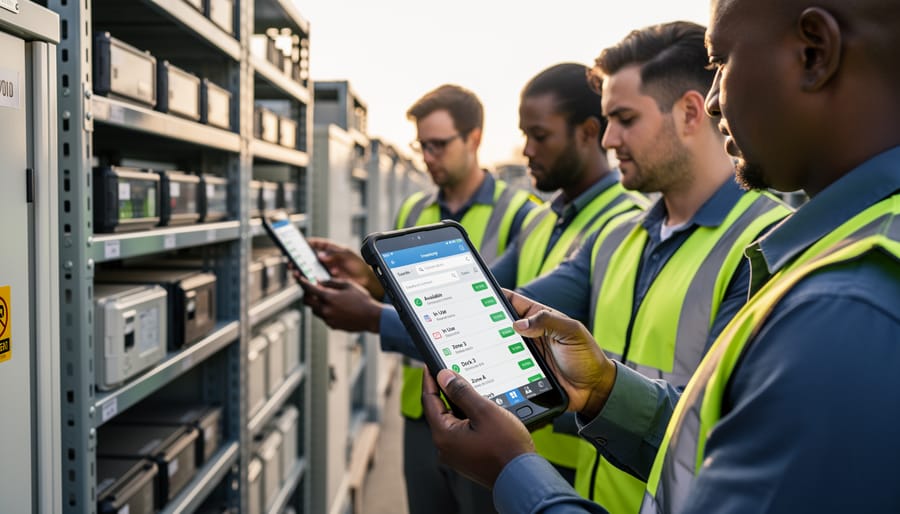
Mobile access transforms how your team manages tool rentals in real-time, whether they’re loading delivery vans, conducting site visits, or working the warehouse floor. When delivery drivers can check inventory availability from their phones before leaving a customer location, they can offer additional tools on the spot or confirm what’s available for same-day pickup. Warehouse staff benefit from instant updates when scanning returned equipment, immediately flagging items needing repair and making available tools visible to your booking system. On-site managers visiting large construction projects can verify tool availability, process extensions, and even arrange emergency deliveries without calling back to the depot. This mobility eliminates the frustrating delays that happen when field teams operate on outdated information. Modern OMS platforms offer dedicated mobile apps with simplified interfaces designed for quick data entry and barcode scanning, ensuring your entire operation stays synchronized regardless of location.
Pricing Models and Hidden Costs
Understanding OMS platform costs upfront helps rental businesses budget effectively and avoid surprises. Most providers offer three main pricing structures: per-user models charge monthly fees for each staff member accessing the system, typically ranging from $50-150 per user. Per-transaction pricing charges a small fee for each rental booking processed, which suits seasonal businesses with fluctuating volumes. Flat-rate subscriptions provide unlimited users and transactions for a fixed monthly cost, often starting around $500-2000 depending on features.
Beyond base subscription fees, factor in implementation costs like data migration from existing systems, initial setup support, and staff training sessions. Many platforms charge extra for customization work tailoring workflows to your specific rental processes. Integration fees may apply when connecting your OMS to accounting software or payment gateways. Ongoing support packages, software updates, and additional storage for expanding inventory databases represent recurring expenses. When evaluating total cost of ownership, consider how pricing optimization strategies within the platform might offset these investments through improved efficiency and revenue management.
Real-World Impact: How OMS Platforms Change Daily Operations
When tool rental businesses implement an OMS platform, the changes go far beyond simple digitization. The real transformation happens in day-to-day operations, as shop owners and managers consistently report across industry forums and user communities.
Take Sarah, who runs a mid-sized equipment rental shop in Manchester. Before adopting an OMS platform, her team spent roughly three hours daily managing spreadsheets, calling suppliers to check stock availability, and manually updating rental schedules. “We’d often double-book equipment or promise deliveries we couldn’t fulfill because our inventory data was always a day behind,” she shares in a recent community review. After implementation, her administrative time dropped by 65%, and booking errors virtually disappeared.
The supplier portal component proves particularly valuable. Rather than making dozens of phone calls each week, rental shop managers now see real-time supplier inventory directly within their system. John, a trade tool specialist from Birmingham, notes: “I can compare availability and pricing from five suppliers in minutes instead of spending my entire morning on the phone. It’s changed how we operate fundamentally.”
Customer-facing improvements matter equally. Several businesses report that automated availability checking and instant booking confirmations have reduced customer inquiry calls by 40-50%. This means staff can focus on helping customers select the right tools rather than checking systems constantly.
Community feedback consistently highlights unexpected benefits too. Shop owners mention improved relationships with suppliers due to clearer communication, better cash flow from automated invoicing, and the ability to spot seasonal trends they previously missed. One Glasgow-based rental company discovered through their OMS analytics that compact excavators were consistently unavailable during spring months, prompting them to expand that inventory segment and increase revenue by 23%.
The pattern is clear: businesses report spending less time on administrative tasks and more time serving customers, making strategic decisions, and growing their operations. The platform doesn’t just organize existing processes; it fundamentally reshapes how efficient tool rental businesses can become.

Implementing an OMS platform can transform how tool hire businesses manage their operations, bringing together supplier coordination and inventory tracking in one streamlined system. The real power lies in how these two components work together: when your supplier portal feeds directly into your inventory management, you eliminate manual data entry, reduce errors, and gain real-time visibility across your entire operation. This means faster order processing, better stock accuracy, and ultimately, happier customers who can rely on equipment availability when they need it.
If you’re considering an OMS platform for your tool rental business, start by assessing your current pain points. Are you losing track of supplier orders? Struggling with stock discrepancies? Spending too much time on administrative tasks? Understanding your specific challenges will help you choose a system that addresses your needs rather than adding unnecessary complexity.
Begin with a pilot program if possible, testing the platform with a subset of your inventory or a single location. This approach lets you work out any kinks before full implementation and helps your team adapt gradually to new processes.
We’d love to hear from you about your experience with OMS platforms. Have you recently implemented a system, or are you researching options? What features matter most to your business? Share your insights and questions in the comments below. Your real-world experiences help fellow tool hire operators make informed decisions and build a stronger community of knowledgeable professionals.
Related Posts

Post a Comment