
Zoysia grass creates a dense, carpet-like lawn that tolerates heat and drought better than most turf varieties, but it demands specific maintenance techniques that differ dramatically from traditional cool-season grasses. Mow at 1 to 2 inches using a sharp reel or rotary mower during active growth periods, cutting no more than one-third of the blade height at once to prevent scalping and stress. Water deeply but infrequently—aim for 1 inch per week including rainfall, applying it in early morning sessions to reduce disease risk while encouraging the deep root system that makes zoysia remarkably resilient. Dethatch annually when the thatch layer exceeds half an inch, typically in late spring when the grass enters peak growth and can recover quickly from aggressive maintenance. Test soil pH yearly and maintain it between 6.0 and 6.5, applying lime or sulfur as needed before fertilizing with a slow-release nitrogen formula at 2 to 3 pounds per 1,000 square feet during the growing season. This warm-season grass enters dormancy and turns brown in fall, requiring minimal intervention during winter months while conserving resources for explosive spring green-up.
Understanding Zoysia: What Makes This Grass Different
Zoysia grass stands apart from the typical lawn varieties you might be familiar with. Unlike common cool-season grasses like fescue or ryegrass, zoysia is a warm-season grass that thrives in Australian climates, entering active growth when soil temperatures consistently reach 18-20°C. This fundamental difference impacts everything from when you start mowing to how often you need to water.
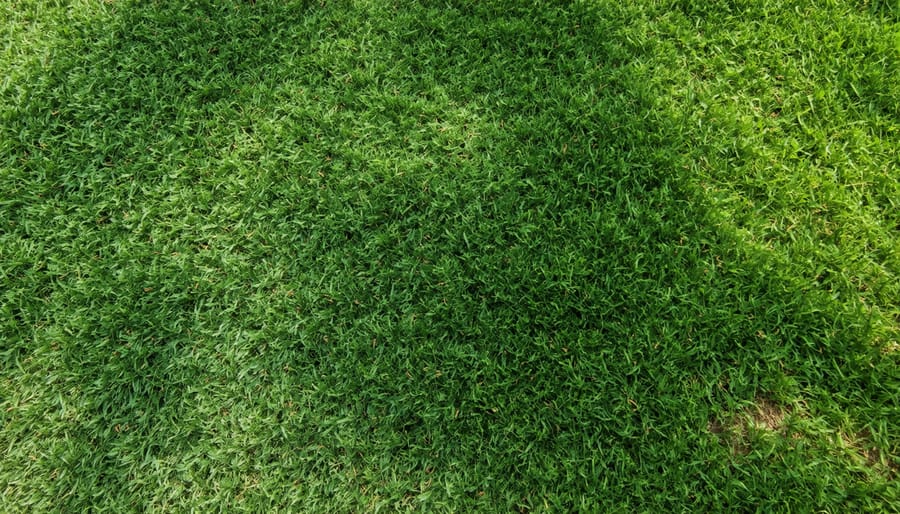
What truly distinguishes zoysia is its remarkably dense growth pattern. The grass develops through both above-ground stolons (horizontal stems) and underground rhizomes, creating an incredibly thick turf that naturally crowds out weeds once established. Many homeowners appreciate this characteristic because it means less time spent on weed control compared to other grass types. However, this density also creates unique maintenance challenges, particularly with thatch buildup.
Zoysia’s drought tolerance is another standout feature. The grass enters dormancy during extended dry periods rather than dying, and it requires less frequent watering than many alternatives once established. This makes it an excellent choice for water-conscious homeowners, though understanding proper watering schedules remains essential.
The trade-off with zoysia is its notoriously slow establishment period. While general lawn care principles still apply, new zoysia lawns can take an entire growing season or more to fill in completely. This slower growth continues throughout its life, meaning zoysia requires less frequent mowing than fast-growing grasses, but timing your maintenance tasks becomes more critical.
These distinct characteristics mean you cannot simply apply standard lawn care routines to zoysia. The specialized equipment and techniques needed for proper maintenance, from specific mowing heights to dethatching schedules, require understanding what makes this grass tick.
Essential Tools and Equipment for Zoysia Maintenance
When to Rent vs. Buy Your Equipment
For most homeowners with zoysia lawns under 5,000 square feet, purchasing basic tools like a quality reel or rotary mower makes financial sense since you’ll use them 20-30 times per season. Based on community feedback, a decent rotary mower costs $300-500 and pays for itself within two seasons compared to rental fees of $50-80 per use.
However, specialized equipment tells a different story. Core aerators, dethatchers, and overseeders are prime rental candidates since zoysia typically needs aeration just once or twice yearly. Renting a core aerator costs $60-90 per day versus $400-1,200 to purchase. Similarly, power dethatchers rent for $70-100 daily while quality models start at $300.
Consider your lawn size when deciding. Properties over 10,000 square feet benefit from owning power equipment due to extended use time. Smaller lawns can manage with rentals, especially for seasonal tasks like spring dethatching.
Budget-conscious approach: Buy mowers, spreaders, and hand tools. Rent aerators, dethatchers, and specialized equipment. Many users report splitting rental costs with neighbors for same-day use, cutting expenses in half while building community connections. Time your rentals for optimal zoysia care periods—late spring for dethatching and early fall for aeration—when equipment availability and pricing are most favorable.
Mowing Zoysia the Right Way

Seasonal Mowing Adjustments
Zoysia grass requires different mowing approaches throughout the year to maintain optimal health and appearance. Understanding these seasonal adjustments helps you work with the grass’s natural growth cycles rather than against them.
During spring green-up (typically March through May in most regions), start mowing when the grass reaches about 2-3 inches. Begin at a higher cutting height initially—around 2 inches—to avoid scalping the tender new growth. As the grass strengthens and fills in, gradually lower to your target summer height. In northern zones, spring green-up occurs later, sometimes not until mid-May.
Summer represents peak growth season, requiring more frequent mowing. Cut every 5-7 days during active growth periods, maintaining heights between 1-2 inches depending on your zoysia variety. Monitor weather conditions—during heat stress or drought, raise your mowing height by half an inch to help the grass retain moisture and protect roots.
Fall preparation begins when temperatures consistently drop below 70°F. Gradually raise cutting height by a quarter inch to strengthen the grass before dormancy. Reduce mowing frequency as growth slows. Your final mowing of the season should occur just before the grass enters dormancy, removing any excess length that could harbor disease or pests over winter. Southern regions may require light winter mowing if temperatures remain mild.
Watering Strategy for Deep Roots
Zoysia grass develops an impressive deep root system that can extend 12 inches or more into the soil, making it one of the most drought-tolerant warm-season grasses available. This natural resilience means you’ll water less frequently than with other grass types, saving both time and money on your water bill.
The key to maintaining healthy zoysia is encouraging those roots to grow deep rather than keeping them shallow with frequent, light watering. Apply 1 to 1.5 inches of water per week during the growing season, but do this in one or two sessions rather than daily sprinklings. This watering depth should penetrate 6 to 8 inches into the soil, which you can check by pushing a screwdriver into the ground after watering—it should slide in easily to that depth.
During periods of adequate rainfall, you may not need to water at all. Zoysia will tell you when it needs moisture through specific signs: the grass blades will start to fold or roll inward, take on a grayish-blue tint, or your footprints will remain visible on the lawn long after you’ve walked across it. These are your cues to water deeply.
Here’s an important insight from homeowners who’ve learned the hard way: overwatering causes far more problems with zoysia than underwatering. Excessive moisture promotes shallow root growth, increases disease susceptibility, and encourages thatch buildup. If you’re seeing mushrooms, persistent wet spots, or spongy areas in your lawn, you’re likely watering too much.
The best time to water is early morning between 4 and 10 AM, which allows grass blades to dry before evening and reduces disease risk. Consider installing a rain gauge or using the tuna can test—place empty cans around your lawn during watering to measure how long it takes to collect one inch of water.
Fertilization Schedule That Actually Works
Feeding zoysia grass properly makes the difference between an okay lawn and one that’s truly thriving. The key is timing your applications to match when zoysia is actively growing, which typically runs from late spring through early fall.
Start your fertilization program in late spring, about 2-3 weeks after your zoysia has fully greened up. This first application should be a nitrogen-rich fertilizer with an NPK ratio around 3-1-2 or 4-1-2, applied at approximately 0.5 to 1 pound of nitrogen per 1000 square feet. Many DIYers in our community recommend using a broadcast spreader for even coverage across your lawn.
Plan a second feeding in early summer, around late June or early July, using similar rates. If your lawn shows strong color and density, you might skip this application. Zoysia isn’t a heavy feeder compared to other grasses, so avoid overdoing it.
Your third application should come in late summer, typically mid-August. This feeding helps maintain color and prepares the grass for fall. Use the same nitrogen rate as previous applications.
Stop fertilizing by early September in most regions. Late-season feeding is a common mistake that pushes tender new growth right before dormancy, significantly weakening winter hardiness. Just as proper watering tools and techniques matter for healthy growth, timing your last feeding correctly protects your investment.
Throughout the season, aim for a total of 2-4 pounds of nitrogen per 1000 square feet annually. Established lawns typically need less than newly established ones. Consider a soil test every few years to fine-tune your approach based on actual nutrient levels rather than guessing. This data-driven method prevents waste and optimizes results.
Tackling Thatch Buildup Before It Chokes Your Lawn
Zoysia’s dense, vigorous growth habit creates a beautiful, carpet-like lawn, but it also makes the grass particularly susceptible to thatch buildup. Thatch is that spongy layer of dead stems, roots, and organic debris that accumulates between the green grass blades and the soil surface. While a thin layer (under half an inch) actually benefits your lawn by insulating roots and retaining moisture, excessive thatch prevents water, air, and nutrients from reaching the soil, essentially suffocating your grass from below.
To check your lawn’s thatch level, use a spade or knife to cut out a small wedge of turf. Examine the cross-section and measure the brownish layer between the grass and soil. If it exceeds half an inch, it’s time to take action.
For zoysia lawns, the ideal dethatching window is late spring through early summer, when the grass is actively growing and can quickly recover from the aggressive treatment. Never dethatch during dormancy or stress periods, as this can severely damage your lawn.
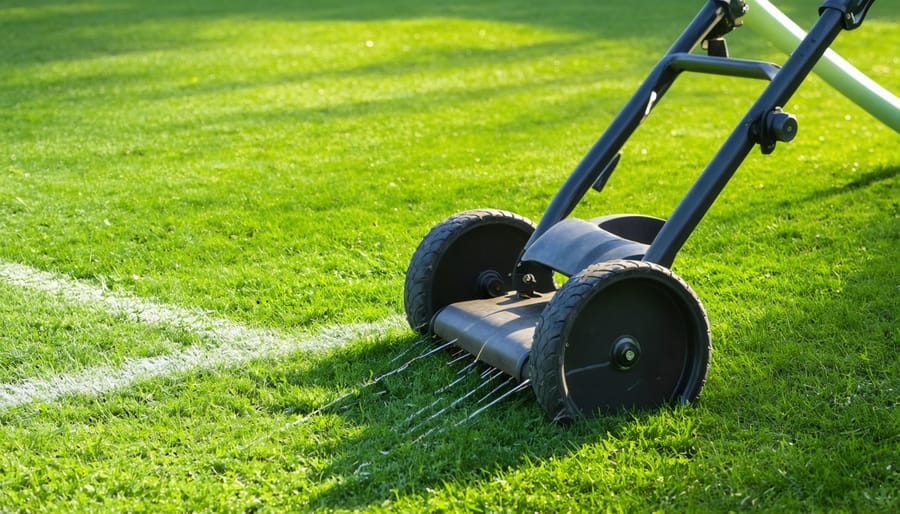
You have several equipment options depending on your lawn size. For smaller areas, a dethatching rake works well, though it requires significant elbow grease. For medium to large lawns, a vertical mower (also called a verticutter or power rake) is your best bet. These machines use vertical blades to slice through thatch and pull it to the surface. Most equipment rental centers stock these machines, making professional-grade dethatching accessible without the investment.
Set the blades to penetrate just into the thatch layer without gouging the soil. Make two passes in perpendicular directions, then rake up and remove the loosened debris. Your lawn will look rough initially, but proper watering and fertilization will have it bouncing back within weeks.
Aeration: The Secret to Zoysia Density
Core aeration is one of the most impactful maintenance practices for achieving the dense, carpet-like quality that makes zoysia lawns so desirable. This process involves removing small plugs of soil from your lawn, creating channels that allow air, water, and nutrients to penetrate deep into the root zone. For zoysia grass, which naturally develops thick thatch layers, aeration becomes particularly important for preventing soil compaction and promoting vigorous growth.
The ideal time to aerate your zoysia lawn is late spring, typically between May and early June, when the grass is actively growing and can quickly recover from the process. This timing allows the grass to heal and fill in aeration holes before stressful summer heat arrives. Avoid aerating during dormancy or when the grass is under stress.
Most zoysia lawns benefit from annual aeration, though high-traffic areas or clay-heavy soils may require twice-yearly treatment. For equipment, a core aerator (also called a plug aerator) works best—these machines pull out soil plugs rather than simply punching holes. Gas-powered core aerators are available at most rental centers and provide professional results for DIY homeowners.
After aeration, leave the soil plugs on the lawn to break down naturally, returning valuable organic matter to the soil. This is an excellent time to apply a light topdressing of compost or sand (quarter-inch layer) to improve soil structure, especially in low spots. Water thoroughly post-aeration to encourage root development into the newly created channels, and consider applying a balanced fertilizer to maximize recovery and growth.
Weed and Pest Control Without Harming Your Grass
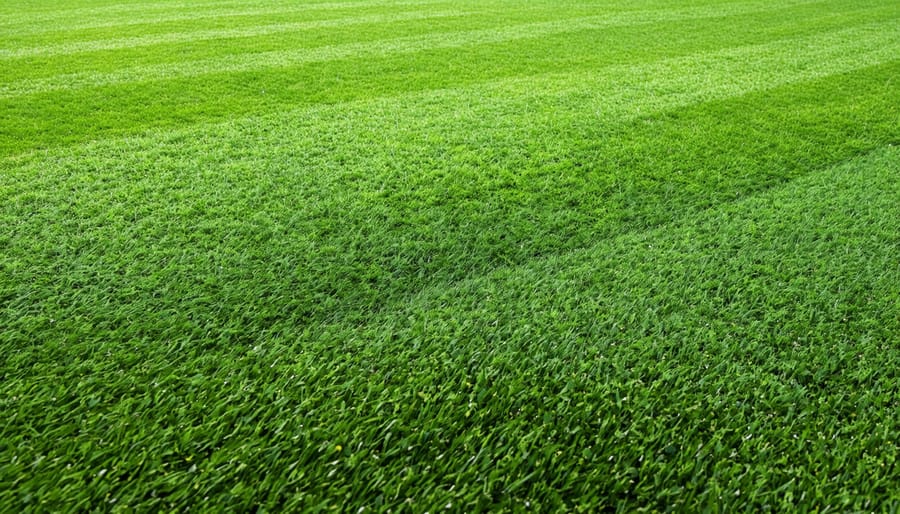
Zoysia grass has a secret weapon against weeds: its dense growth habit naturally chokes out unwanted plants once the lawn matures. However, getting to that point requires strategic weed and pest management, especially during establishment.
The most common weeds you’ll encounter in zoysia lawns include crabgrass, goosegrass, dandelions, and clover. While zoysia’s thick turf eventually makes it difficult for weeds to take hold, newly established lawns need extra protection.
Timing is everything with pre-emergent herbicides, which prevent weed seeds from germinating. Apply these products in early spring before soil temperatures reach 55°F—typically late February to early March in most regions. A second application in late summer (around August) helps control fall weeds. Pre-emergent herbicides containing prodiamine or dithiopyr work well with zoysia without causing damage.
For weeds that have already sprouted, post-emergent herbicides become necessary. Zoysia tolerates most selective herbicides designed for warm-season grasses. Products containing 2,4-D, dicamba, or quinclorac effectively control broadleaf weeds and grassy invaders. Always read labels carefully and apply when temperatures are between 60-85°F to avoid stressing your lawn.
Common zoysia pests include white grubs, chinch bugs, and armyworms. Regular monitoring helps catch infestations early. Walk your lawn weekly and look for irregular brown patches, thinning areas, or visible insect activity. Many homeowners find success with integrated pest management approaches—combining cultural practices like proper watering and mowing with targeted treatments only when pest populations exceed acceptable thresholds.
Here’s good news from lawn care enthusiasts in our community: once your zoysia establishes that trademark dense mat, you’ll spend far less time and money fighting weeds compared to other grass types. Patience during the first growing season pays dividends for years to come.
Seasonal Maintenance Calendar
Use this month-by-month checklist to keep your zoysia lawn thriving throughout the year. Keep in mind that timing varies by region—southern climates typically run 4-6 weeks earlier than northern zones, while transition zones fall somewhere in between.
Spring (March-May):
Early Spring: Wait for soil temperatures to consistently reach 55-60°F before starting active maintenance. Zoysia stays dormant longer than cool-season grasses, so resist the urge to intervene too early. Remove winter debris and thatch buildup once the grass begins greening up.
Mid-Spring: Apply pre-emergent herbicide to prevent summer weeds before soil hits 65°F. Begin mowing when grass reaches 3 inches, cutting back to your target height of 1-2 inches. Make your first fertilizer application once the lawn is 50% green.
Late Spring: Increase mowing frequency to weekly as growth accelerates. Check irrigation systems and begin watering deeply but infrequently—about 1 inch per week including rainfall.
Summer (June-August):
This is zoysia’s peak growing season. Mow weekly, raising cutting height slightly during heat stress. Water early morning to reduce disease risk. Apply second fertilizer application in early summer. Monitor for grubs and chinch bugs, which are most active now. Spot-treat weeds as needed with post-emergent herbicides.
Fall (September-November):
Early Fall: Make final fertilizer application 4-6 weeks before expected first frost. Continue regular mowing schedule until growth slows.
Late Fall: Reduce mowing frequency as grass enters dormancy. Complete final mowing at regular height—don’t scalp before winter.
Winter (December-February):
Zoysia goes fully dormant and turns brown. Avoid foot traffic on frozen grass to prevent damage. No fertilizing, mowing, or watering needed. Use this downtime to service equipment and plan spring projects.
Southern regions may see minimal dormancy or year-round green, requiring occasional winter mowing.
Zoysia grass stands apart from other lawn varieties with its unique maintenance requirements, but the initial investment in proper care pays dividends through a resilient, low-maintenance lawn that thrives for years. While it demands attention to specific details like mowing height, controlled watering, and strategic fertilization, these targeted efforts result in a dense, drought-resistant turf that naturally crowds out weeds and withstands heavy foot traffic. By incorporating comprehensive lawn care strategies and following seasonal garden care principles, you’ll achieve the lush, green lawn zoysia is known for. We’d love to hear about your zoysia maintenance experiences. What challenges have you faced? Which tools or techniques worked best for you? Share your questions and insights in the comments to help fellow lawn enthusiasts create their perfect outdoor spaces.
Related Posts


Post a Comment