

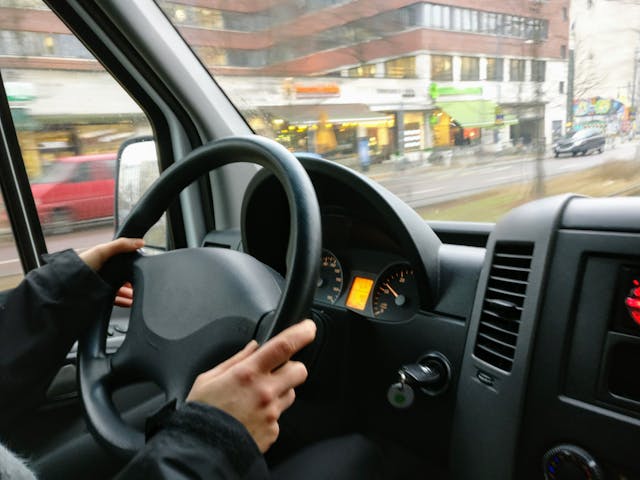
Driving a medium-sized vehicle, such as a van, small truck, or minibus, requires more than just confidence behind the wheel. These vehicles handle differently from standard cars and demand greater awareness of space, weight, and maneuverability. Whether you are driving for work, travel, or transport purposes, learning to operate a medium-sized vehicle safely and legally is essential.
This guide covers everything you need to know, from understanding the differences between vehicle types and learning essential safety techniques to meeting Australia’s licensing requirements.
Understanding Medium-Sized Vehicles
Medium-sized vehicles are typically heavier and larger than standard passenger cars but smaller than heavy trucks. They often include delivery vans, small buses, utility vehicles, and light rigid (LR) trucks. Because of their larger dimensions and higher center of gravity, these vehicles demand extra care when braking, turning, and reversing.
Before getting behind the wheel, familiarize yourself with the vehicle’s dimensions, mirrors, blind spots, and load capacity. The extra size affects how you plan maneuvers, for example, you will need wider turns and longer stopping distances compared to a normal car.
Key Differences from Driving a Car
If you are used to driving a compact car, operating a medium-sized vehicle will feel different at first. The biggest adjustments include:
- Braking distance: Larger vehicles take longer to stop, especially when loaded. Maintain a safe following distance.
- Turning radius: You will need more space for cornering and lane changes. Use mirrors frequently to avoid clipping curbs or vehicles.
- Height and clearance: Always check for low bridges, parking structures, and tree branches.
- Visibility: Rely heavily on mirrors and shoulder checks, as rear visibility is often limited.
- Weight distribution: Loads must be balanced evenly to maintain stability and prevent swaying.
Getting used to these differences through proper instruction and regular practice will make your driving safer and more efficient.
Preparing Before You Drive
Preparation is one of the most important steps in safe vehicle operation. Before every trip, carry out a quick inspection to ensure your vehicle is in good condition. Check the following:
- Tyres: Confirm that pressure and tread depth meet legal standards.
- Lights: Test all lights and indicators before departure.
- Brakes: Listen for unusual sounds and make sure braking feels consistent.
- Fluids: Check engine oil, coolant, and brake fluid levels.
- Load security: Ensure all cargo is properly secured and evenly distributed.
Neglecting a pre-drive inspection can lead to safety hazards, legal penalties, or expensive damage.
Mastering Safety Techniques on the Road
When you’re on the road, use the same defensive driving habits you would in a car, but with extra care. Medium-sized vehicles are heavier and slower to respond, so mistakes can be harder to correct. Keep at least four seconds of distance from the vehicle in front to give yourself time to react if traffic stops suddenly. Because of the extra weight, these vehicles take longer to accelerate and brake, so always follow the speed limit and slow down before corners or intersections.
Staying aware is the key to driving safely. Look ahead and plan your moves early to avoid sudden lane changes or surprises on the road. Check your mirrors often to see nearby cars, cyclists, and pedestrians. Avoid distractions completely, especially mobile phones, since larger vehicles have more blind spots.
Legal Requirements for Driving Medium-Sized Vehicles
In Australia, not all licences allow you to operate medium-sized vehicles. Depending on your vehicle’s size and weight, you may need a specific licence class. To legally drive light rigid (LR) vehicles such as minibuses, vans, or small trucks, you must hold an LR licence. This licence applies to vehicles with a Gross Vehicle Mass (GVM) ranging from 4.5 to 8 tonnes, as well as those built to transport more than 12 passengers, the driver included.
If you are new to commercial or transport driving, understanding how to get your light rigid license in Australia is essential. The process includes eligibility checks, a medical assessment, and a driving test with an accredited provider. Completing an approved LR course ensures you meet all legal requirements and gain practical experience behind the wheel.
Parking and Reversing Safely
Parking a medium-sized vehicle requires patience and precision. Always choose spaces that give you enough room to maneuver. Before reversing, step out and check the area behind your vehicle. Use a spotter if possible, especially when backing into tight spaces. Take advantage of mirrors and, if available, rear-view cameras or sensors. Move slowly and avoid sharp turns while reversing.
When parking on inclines, use the handbrake and turn the wheels toward the curb. This prevents the vehicle from rolling if the brake fails.
Training and Practice Tips
Professional instruction is the best way to build confidence when driving a medium-sized vehicle. A qualified instructor can teach essential skills such as cornering with heavy loads, reversing safely in tight spaces, and maintaining control during sudden maneuvers. Start by practicing with empty or lightly loaded vehicles before handling heavier ones. Use large, open areas like parking lots to work on turning, parking, and reversing. It is also important to practice emergency braking and obstacle avoidance, as well as review road rules regularly to stay informed about any regulations specific to larger vehicles.
Common Mistakes to Avoid
Even experienced drivers make mistakes when moving to larger vehicles. Common errors include:
- Turning too sharply and hitting curbs
- Misjudging braking distance
- Forgetting to secure loads properly
- Ignoring vehicle height and hitting low-clearance objects
- Failing to adjust mirrors for wider blind spots
Recognizing these mistakes helps you stay alert and avoid accidents.
Staying Calm and Focused
Driving larger vehicles can be stressful at first, especially in busy or narrow areas. The key is to stay calm, plan your movements, and remain patient.
If you feel tired or overwhelmed, pull over safely and take a short break. Fatigue can reduce reaction time and decision-making. Confidence develops through consistent practice — the more you drive, the more natural it becomes.
Conclusion
By learning the vehicle’s specific characteristics, following safety checks, and obtaining the correct licence, you’ll build the skills needed for a smooth and safe driving experience.
Every hour spent learning and practicing makes you a more confident driver. With preparation and patience, you’ll be able to handle any journey safely and professionally.
Related Posts


Post a Comment