

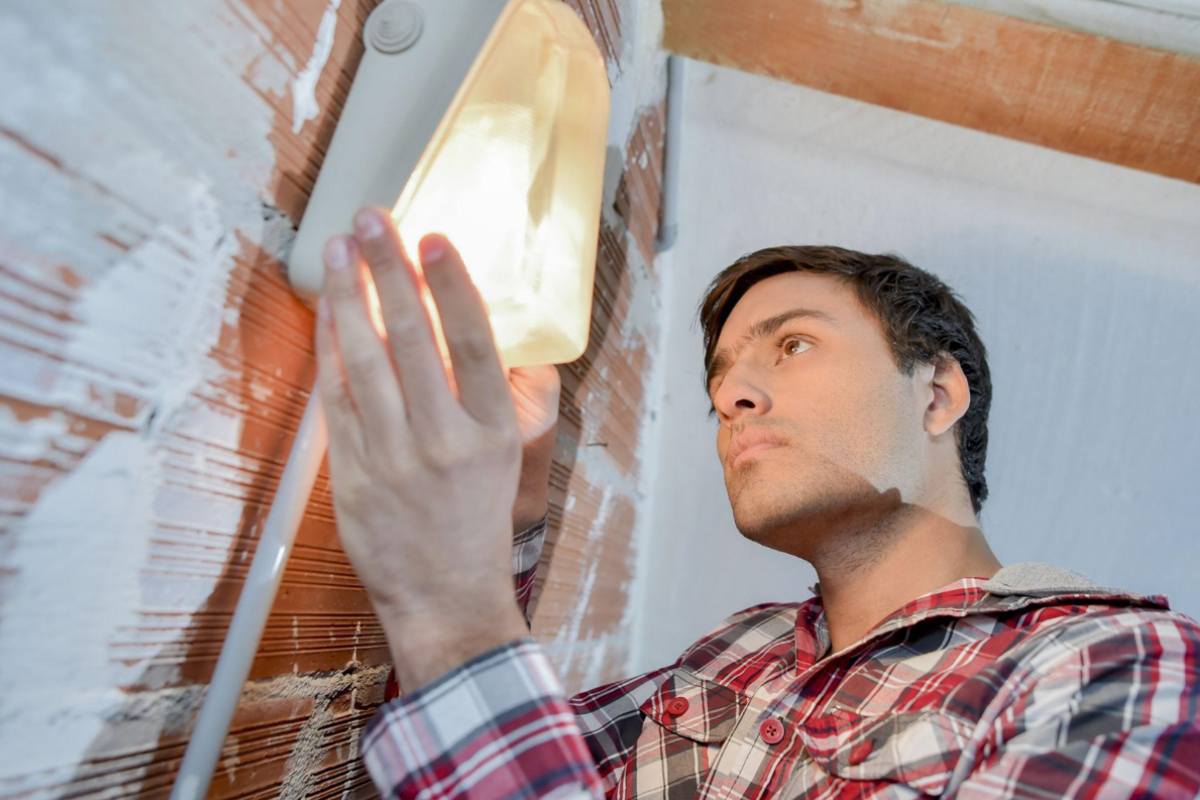
Electrical safety is paramount for maintaining a secure home environment. While DIY electrical work can be tempting due to cost savings, it’s fraught with risks if not undertaken correctly. Homeowners often encounter issues ranging from minor shocks to significant electrical fires. Understanding and implementing basic electrical safety measures can mitigate these risks and ensure peace of mind. This article provides essential safety tips every homeowner should follow to navigate DIY electrical projects safely.
Understanding Electrical Hazards
Common electrical hazards lurk in various corners of the home, requiring vigilant awareness. Faulty wiring, for instance, is a prevalent danger and can manifest as frayed wires, exposed conductors, or loose connections. Electrical malfunctions often present themselves through flickering lights, frequent circuit breaker trips, or warm outlets and switches.
One significant risk is overloading circuits and outlets. This typically occurs when too many high-wattage devices are plugged into a single outlet or circuit, leading to potential overheating and fire hazards. Recognising the early signs of electrical problems like persistent electrical shocks, strange odours emanating from appliances, or discoloured switch plates is crucial. Identifying and addressing these issues promptly can prevent severe consequences.
Essential Tools and Safety Gear
Equipping oneself with the right tools and safety gear is a cornerstone of safe DIY electrical work. Must-have tools include wire strippers, voltage testers, needle nose pliers, and a reliable set of screwdrivers. Insulated tools are particularly important, as they reduce the risk of electrical shocks.
Safety gear is indispensable. Homeowners should always wear rubber-insulated gloves to protect against accidental contact with live wires, and safety goggles are vital to shield eyes from sparks or debris. Proper storage and maintenance of tools and safety gear cannot be overemphasised. Tools should be kept dry and clean and stored in a safe, easily accessible location, ensuring they function correctly during use.
Safety Precautions Before Starting Any Project
Before embarking on any electrical project, certain safety precautions must be taken. Turning off the power supply is the first and most crucial step. This can be done by switching off the relevant circuit breaker or removing the fuse corresponding to the work area.
Using a voltage tester to verify that the electrical supply is indeed off is a vital secondary step. This ensures there’s no live current in the circuit where work is being done. Properly labelling circuit breakers and outlets can prevent confusion and potential hazards. Clearly marked breakers facilitate easier identification and management of circuits during maintenance.
Encountering a problem beyond one’s expertise isn’t uncommon. In such scenarios, it’s essential to cease work immediately and consult a professional electrician. Attempting to resolve complex issues without proper knowledge can lead to dire consequences.
Safe Practices for Common DIY Electrical Projects
Many homeowners undertake projects like installing lighting fixtures, replacing electrical outlets, or extending circuits. Understanding the safe practices for these tasks can significantly reduce risks.
When installing lighting fixtures, ensure the power is off and follow the manufacturer’s instructions closely. Replace electrical outlets and switches with care, ensuring proper wiring connections. It’s advisable to use screw terminals rather than push-in fittings for more reliable connections.
Adding or extending electrical circuits requires cautious planning. An electrical load calculation should be performed to ensure the new circuit doesn’t overload the existing system. Overlooking this can result in frequent breaker trips or worse, electrical fires.
Working with outdoor electrical systems presents additional challenges due to exposure to elements. It’s vital to use weatherproof materials and enclosures rated for outdoor use. Seal all connections to prevent moisture ingress, which can lead to corrosion and electrical failures.
Avoiding Common Electrical Mistakes
Several common mistakes plague DIY electrical enthusiasts. Improper wire connections, such as using wire nuts incorrectly or leaving exposed wires, can create significant hazards. Ensuring all connections are secure and covered is fundamental.
Using the correct wire gauge and type cannot be ignored. Undersized wires can overheat, leading to potential fire hazards. Always refer to local electrical codes to determine the appropriate wire type and gauge for your project.
Skipping permits and inspections might seem like a way to save time, but it can have severe consequences. Most local authorities require permits for significant electrical work. Inspections ensure that the project adheres to safety codes, reducing the risk of future failures.
Finally, securing electrical boxes and panels correctly is often overlooked. Loose fittings can lead to wire damage or expose live components, posing hazards. Use appropriate screws and fixtures to secure boxes and panels firmly.
Conclusion
Electrical safety in DIY projects cannot be overstated. It’s essential to understand the risks and implement safe practices diligently. Homeowners are encouraged to prioritise safety and seek professional help when necessary. Maintaining a safe and electrically sound home involves continuous learning and precautionary measures. Always staying informed and practising safety at all times can make all the difference in preventing accidents and ensuring a secure living environment. Understanding common causes of power outages and other electrical issues can contribute significantly to this awareness.
Related Posts


Post a Comment