Maintaining your home’s plumbing system is crucial for its overall health and functionality. Tackling minor plumbing repairs on your own not only saves money but also offers a sense of empowerment. Completing DIY plumbing repairs can help homeowners save significantly on service costs. However, it’s essential to acknowledge the safety considerations and know when to call a professional plumber.
Fixing Leaky Faucets
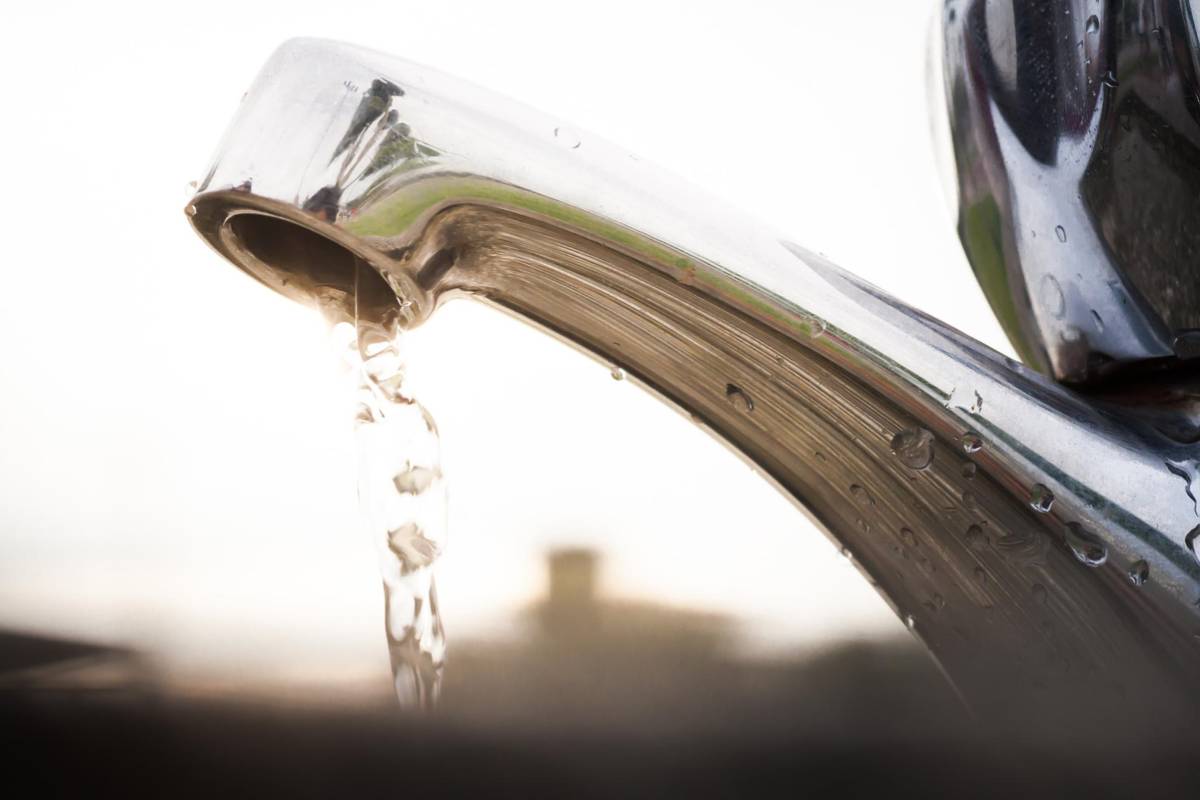
Leaky faucets are a common household issue that can result from several causes, including worn-out washers, O-rings, or corrosion. Identifying the source of the problem is the first step to fixing it.
To repair a faucet, you’ll need some basic tools: an adjustable wrench, a Phillips head screwdriver, replacement washers, or O-rings.
Here’s a step-by-step guide to fixing a compression faucet:
- Turn off the water supply to the faucet.
- Use the adjustable wrench to remove the faucet handle.
- Inspect the washer and O-ring for signs of wear and replace them if necessary.
- Reassemble the faucet and turn on the water supply to check for hidden leaks.
To prevent future leaks, regularly check the faucet components for wear and replace them promptly. Keeping the moving parts lubricated can also reduce friction and wear.
Unclogging Drains
Clogged drains in sinks and bathtubs are often caused by hair, soap scum, and food debris. There are several techniques for unclogging drains, depending on the severity of the blockage.
Start with a plunger, applying firm pressure to dislodge the obstruction. If this doesn’t work, try using a plumber’s snake to retrieve the clog manually. For stubborn blockages, a chemical drain cleaner can be used, although it’s essential to follow the instructions carefully to avoid damaging your pipes.
To prevent clogs, install drain covers to catch larger debris and regularly flush your drains with hot water to dissolve buildup.
If the clog persists despite trying these methods, it might be time to call a professional plumber who can address the issue more comprehensively.
Repairing Running Toilets
A running toilet can waste a significant amount of water and increase your utility bill. Understanding the basic mechanics of a toilet can help you identify common parts that might need repair, such as the flapper valve or fill valve.
Here’s how to fix a running toilet:
- Turn off the water supply to the toilet.
- Remove the lid from the toilet tank.
- Inspect the flapper valve for wear and replace it if necessary.
- Adjust the fill valve to ensure the water level is appropriate.
- Turn the water supply back on and test the toilet for proper operation.
The necessary tools include a wrench and a replacement flapper or fill valve, which can be purchased at most hardware stores. Knowing where to buy plumbing tools in Aspley can come in handy when sourcing these supplies.
To prevent future toilet issues, regularly inspect the tank components and replace any worn parts. Avoid using chemical toilet cleaners that can degrade the tank’s components over time.
Addressing Low Water Pressure
Low water pressure can make simple tasks like showering and washing dishes frustrating. This issue is often caused by clogged aerators, leaks, or problems with the main water valve.
Simple fixes for improving water pressure include:
– Cleaning the aerators on your faucets by unscrewing them and soaking them in vinegar to dissolve mineral deposits.
– Checking for visible leaks in your pipes and repairing them promptly.
– Ensuring the main water valve is fully open and not obstructed.
If these steps don’t resolve the issue, the problem might be more significant, such as a failing pressure regulator or corroded pipes, requiring professional assistance.
Fixing Pipe Leaks
Pipe leaks can manifest in various forms, including joint leaks and pinhole leaks. Identifying the type of leak is crucial for choosing the appropriate repair method.
Basic tools and materials needed for pipe repair include pipe clamps, epoxy putty, rubber pipe repair tape, and a pipe cutter.
For temporary fixes:
- Apply epoxy putty to seal small leaks until more permanent repairs can be made.
- Use rubber pipe repair tape to wrap around leaking joints.
For permanent solutions:
- Cut out the damaged section of piping with a pipe cutter.
- Replace it with new pipe, using pipe connectors and sealing with appropriate solder or adhesive.
Preventative measures to avoid future leaks include regularly inspecting pipes for signs of wear and replacing aged or corroded sections promptly. Ensuring proper insulation can also prevent pipes from freezing and bursting during colder months.
Conclusion
Common plumbing issues such as leaky faucets, clogged drains, running toilets, low water pressure, and pipe leaks are problems that many homeowners can fix themselves. Regular maintenance goes a long way in preventing these problems. DIY repairs offer cost savings and personal satisfaction but remember to heed the limitations of one’s skills and tools. For more serious issues, contacting a professional plumber remains the best course of action to ensure the longevity and reliability of your home’s plumbing system.
Related Posts