
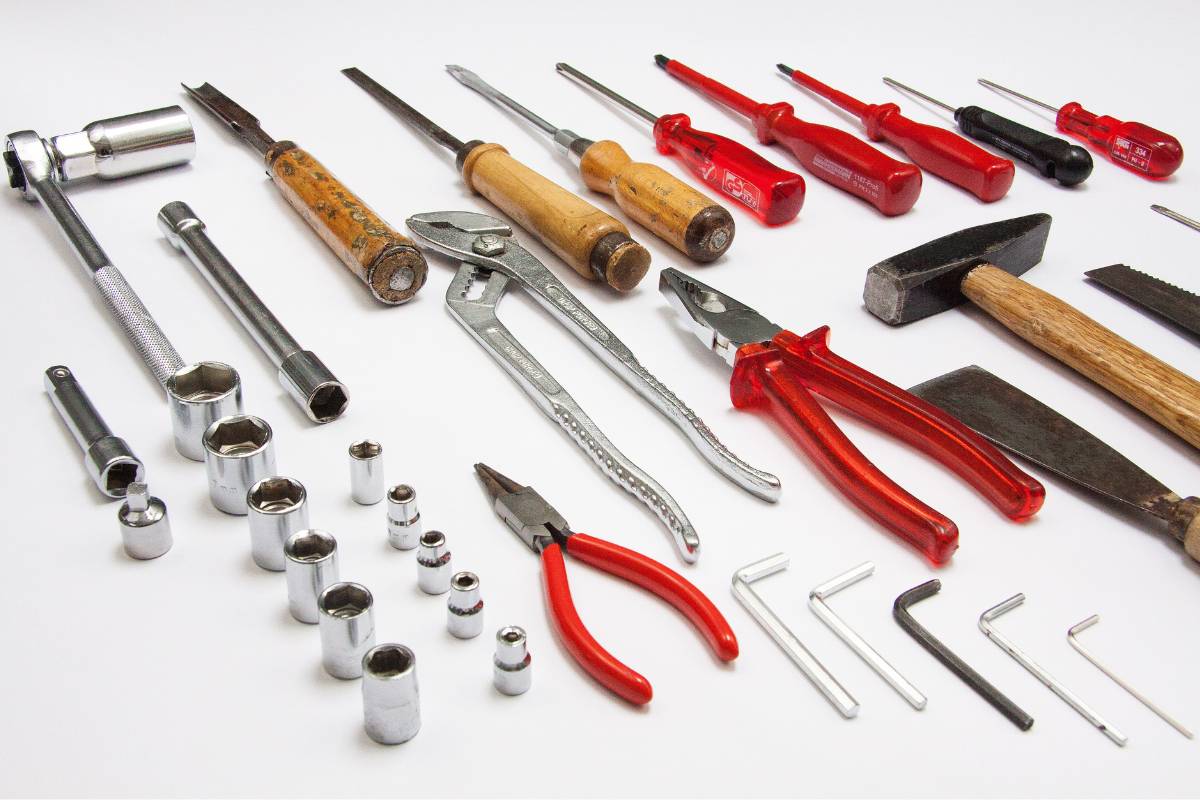
Renting tools has become a cost-effective alternative to purchasing, especially for businesses and DIY enthusiasts who require specialized equipment. The decision between short-term and long-term rentals depends on factors like project duration, budget, and maintenance needs. According to a report by IBISWorld, the tool and equipment rental industry in Australia was valued at AUD 8.4 billion in 2023, reflecting a growing preference for rentals over purchases. Understanding the financial advantages of short-term vs. long-term rentals can help businesses and individuals optimize costs and efficiency.
Cost Benefits of Short-Term Tool Rentals
Short-term rentals are ideal for one-time projects or infrequent tool use. This option allows individuals and businesses to access high-quality equipment without the hefty investment of buying.
Key Financial Advantages of Short-Term Rentals:
- Lower Upfront Costs – No need for a significant financial commitment.
- No Maintenance Fees – Rental companies handle repairs and upkeep.
- Access to Latest Equipment – Always use updated and well-maintained tools.
- No Storage Hassles – Return the equipment after use without worrying about space.
For contractors or small businesses, short-term rentals can keep cash flow flexible. A Sydney tax accountant can help evaluate tax-deductible expenses related to equipment rentals, maximizing financial benefits.
When to Choose Long-Term Tool Rentals
Long-term rentals are ideal for ongoing projects or businesses that frequently use specific tools but don’t want to commit to ownership. In many cases, long-term rentals come with lower daily rates, making them a financially sound option for extended use.
Key Financial Advantages of Long-Term Rentals:
- Lower Daily Rental Rates – The longer the rental period, the lower the cost per day.
- Predictable Budgeting – Fixed costs over time help with financial planning.
- Reduced Ownership Costs – Avoid depreciation, insurance, and storage costs.
- Priority Service & Support – Many rental companies provide maintenance and customer support for long-term clients.
Comparing Rental Costs: Short-Term vs. Long-Term
To illustrate the cost difference, let’s consider a scenario involving a concrete mixer rental:
- Short-Term Rental (1 day): AUD 110 per day
- Long-Term Rental (1 month): AUD 2,500 per month (AUD 83 per day equivalent)
If you only need the tool for a single job, short-term rental is more cost-effective. However, if you have frequent projects requiring the same tool, long-term rental saves money over time.
Tax Benefits of Tool Rentals
One significant financial advantage of renting tools is the potential tax benefits. Rental expenses are often fully deductible as business expenses, unlike purchased tools, which may need to be depreciated over time. Consulting with Causbrooks can help businesses maximize deductions and optimize tax strategies.
Hidden Costs to Consider
While rentals can save money, it’s essential to factor in potential hidden costs. These may include:
- Late Return Fees – Exceeding the rental period can lead to penalties.
- Damage Charges – Any damage beyond normal wear and tear may result in extra fees.
- Delivery & Pickup Fees – Some rental companies charge extra for transportation.
- Deposit Requirements – A refundable deposit may be needed upfront.
Who Benefits Most from Short-Term Rentals?
Short-term rentals are best suited for:
- Homeowners & DIY Enthusiasts – For occasional home improvement projects.
- Event Planners – Temporary use of specialized tools for venue setup.
- Seasonal Businesses – Those that only require tools for limited months each year.
- Contractors with One-Time Projects – For specialized tasks that don’t justify ownership.
Who Should Consider Long-Term Rentals?
Long-term rentals work best for:
- Construction Companies – Businesses with ongoing building projects.
- Landscaping Firms – Frequent use of heavy-duty landscaping tools.
- Manufacturers – Operations that require specialized equipment over extended periods.
- Logistics & Warehousing – Businesses needing forklifts and pallet jacks regularly.
Final Thoughts
Choosing between short-term and long-term tool rentals depends on project duration, budget, and business needs. Short-term rentals provide flexibility and convenience, while long-term rentals offer cost savings and stability. By carefully evaluating rental contracts and consulting with professionals, businesses and individuals can make informed financial decisions that maximize efficiency and savings. Whether for a one-time job or a long-term project, renting tools remains a smart and cost-effective alternative to purchasing.
Related Posts