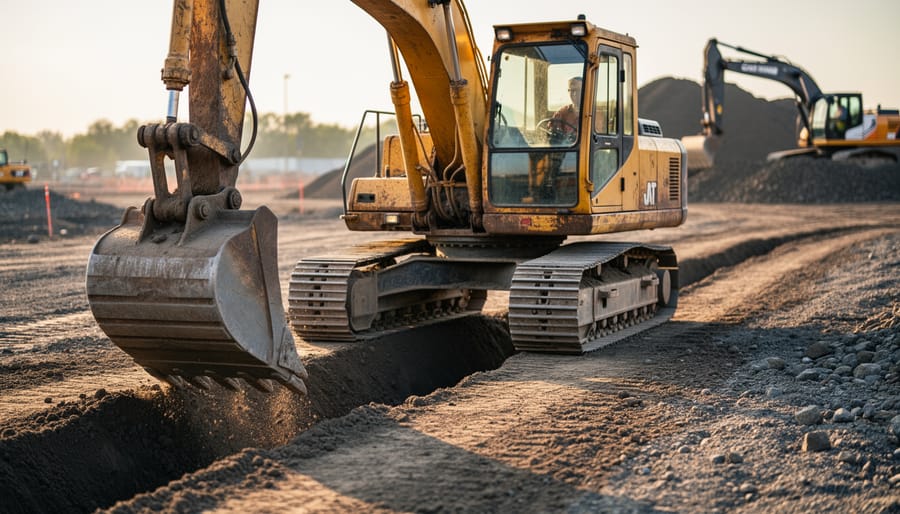
Evaluate whether decades-old excavators, bulldozers, and loaders can handle your next project by inspecting hydraulic systems for leaks, testing engine compression, and examining structural integrity for cracks or excessive wear. Many vintage machines from the 1970s through 1990s deliver surprising reliability when properly maintained, offering rental rates 30-50% lower than modern equivalents while performing identical tasks for straightforward earthmoving, trenching, and grading work.
Check the machine’s service history and hour meter readings before committing—equipment with documented maintenance records and under 10,000 operational hours typically performs comparably to newer models for basic applications. Older large construction machinery lacks computerized controls and emissions systems that complicate repairs, making them easier to troubleshoot and fix on-site with standard mechanical knowledge.
Request operator demonstrations to assess actual performance rather than relying solely on visual inspections, since internal component wear isn’t always visible. Pay attention to unusual sounds, sluggish hydraulic response, excessive exhaust smoke, or difficulty starting—these indicate potential costly repairs that negate any rental savings.
Consider your project’s specific demands carefully, as older equipment sacrifices fuel efficiency, precision controls, and safety features found in contemporary machines. For demolition, basic excavation, and material handling where advanced technology isn’t essential, vintage construction equipment represents a practical, budget-friendly choice that’s proven its durability through decades of service across countless job sites.
What Defines ‘Old’ Construction Machinery
The Golden Age of Simple Engineering (1960s-1980s)
Between the 1960s and 1980s, construction equipment manufacturers prioritized mechanical reliability over complex electronics. This era produced machines that could withstand decades of use because they featured straightforward hydraulic systems, simple diesel engines, and easily accessible components. Think of these machines as the workhorses that built modern infrastructure—designed when repair manuals fit in your back pocket and most problems could be diagnosed without a computer.
What made this period special was the focus on durability. Steel frames were heavier and thicker than today’s standards, bearings were oversized to extend service life, and parts were often interchangeable across different models. A skilled operator could troubleshoot issues on-site using basic tools, which meant less downtime and lower operational costs. Many excavators, loaders, and backhoes from this period are still running strong today, testament to their robust engineering.
For DIY enthusiasts and professionals considering older equipment rentals, understanding this golden age helps explain why certain vintage machines remain popular choices. Their mechanical simplicity translates to easier maintenance, more predictable performance, and often lower rental rates. However, they typically lack modern safety features and fuel efficiency, which is worth considering for your specific project needs.
Pre-Digital Era Equipment (1990s-Early 2000s)
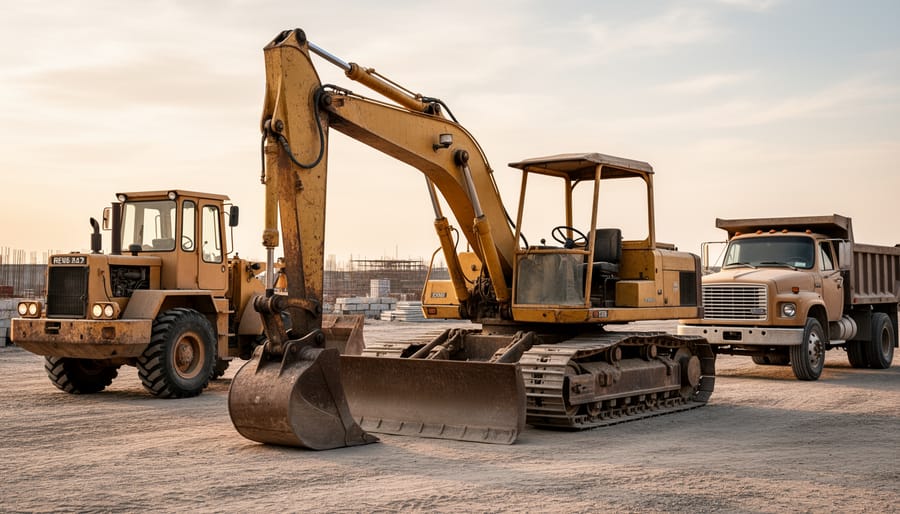
The 1990s through early 2000s marked a sweet spot in construction equipment design—machines were built with robust mechanical systems but hadn’t yet transitioned to computer-controlled operations. This generation of equipment offers significant advantages for certain users today.
These pre-digital machines feature straightforward hydraulic and mechanical systems that most technicians can diagnose and repair without specialized computer software or proprietary diagnostic tools. A skilled mechanic with basic equipment can typically troubleshoot issues on-site, reducing downtime and repair costs. This accessibility makes them particularly attractive for smaller contractors and DIY users who value self-sufficiency.
The lack of electronic control modules means fewer potential failure points. There are no circuit boards to corrode, sensors to malfunction, or software glitches to navigate. What you see is largely what you get—a diesel engine, hydraulic pumps, and mechanical linkages that operate predictably.
Community feedback consistently highlights the durability of machines from this era. Manufacturers like Caterpillar, John Deere, and Bobcat produced equipment with heavy-duty components designed for longevity rather than planned obsolescence. Many of these machines have accumulated tens of thousands of operational hours while remaining productive.
For rental purposes, pre-digital equipment often provides excellent value. The lower acquisition costs translate to competitive rental rates, making them ideal for budget-conscious projects where advanced features aren’t necessary. However, they typically consume more fuel and lack modern safety enhancements, factors worth considering for your specific application.
The Real Advantages of Renting Older Construction Equipment
Lower Rental Costs Without Sacrificing Performance
Choosing older construction equipment can dramatically reduce your rental costs while still delivering excellent results for many projects. Older machines typically rent for 30-50% less than their modern counterparts, making them ideal when budget constraints are a priority.
The key is understanding when age doesn’t matter. For straightforward tasks like excavation, grading, or material transport, a well-maintained 10-15 year old excavator or loader performs nearly identically to new models. These machines were built with proven technology that handles basic operations reliably. Where newer equipment shines is in fuel efficiency, advanced controls, and specialized features—benefits that matter less for simple, short-duration jobs.
Community reviews from previous renters provide valuable insight here. Many professionals report that older compactors, backhoes, and skid steers deliver the same productivity as newer versions for standard residential and light commercial work. The cost savings become significant on multi-day rentals or when hiring multiple pieces of equipment simultaneously.
Consider older machines when your project involves basic functions, shorter timelines, and jobs where operator comfort features aren’t critical. Reserve premium newer equipment for complex tasks requiring precision controls or extended operation periods where fuel costs accumulate.
Easier Repairs and Better Parts Availability
One of the biggest advantages of older construction machines is their straightforward mechanical design. Unlike modern equipment packed with electronic sensors and computerized controls, vintage machines rely on basic mechanical systems that most experienced operators and mechanics can understand and repair. When something goes wrong on a job site, you’re often dealing with issues like hydraulic leaks, worn belts, or fuel system problems—all fixable with standard tools and some mechanical know-how.
This simplicity means field repairs are actually feasible. Instead of waiting days for a specialized technician with diagnostic software, many problems can be addressed right where the machine sits. A skilled operator can often swap out a hydraulic hose, replace a filter, or adjust linkages without towing the equipment to a dealer service center.
The parts availability for older machines also works in your favor. Because these models were produced in high volumes and stayed in service for decades, aftermarket manufacturers have created extensive catalogs of replacement components. You’ll find multiple suppliers competing on price, which keeps costs reasonable compared to proprietary parts for newer models.
Additionally, many components are interchangeable across different brands and years, giving you more sourcing options. Online marketplaces and salvage yards often stock parts from decommissioned machines, providing budget-friendly alternatives to new components while maintaining reliability.
Proven Track Records and Known Issues
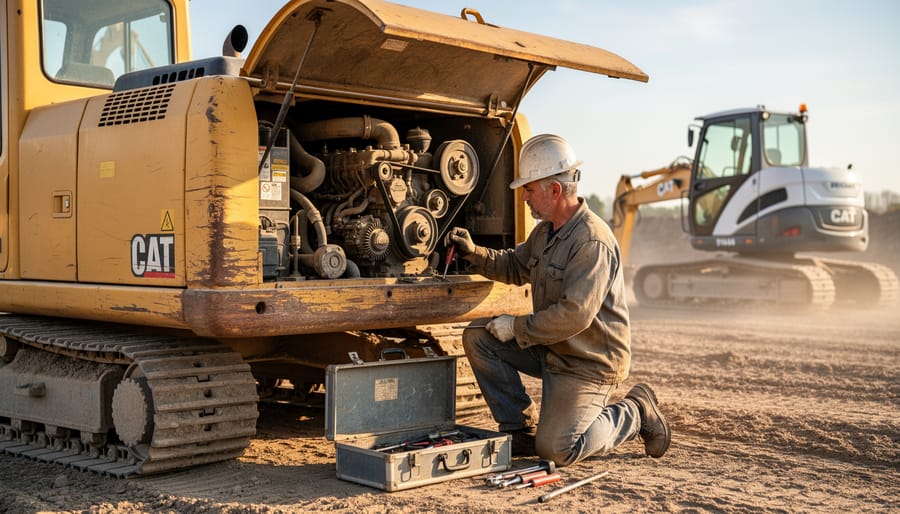
One of the biggest advantages of older construction equipment is that time has done the testing for you. When a machine has been in service for twenty or thirty years, every weak point, common failure mode, and maintenance quirk has already been discovered and documented by countless operators. This creates a level of predictability that newer models simply cannot match.
Take the classic backhoe loader as an example. Models from the 1980s and 1990s have millions of combined operating hours across thousands of machines. Mechanics know exactly which hydraulic seals tend to fail first, which engine components need regular attention, and what warning signs indicate developing problems. Online forums and community reviews have catalogued these issues extensively, creating a valuable knowledge base that helps you avoid surprises.
This transparency extends to parts availability and repair costs. Because the problems are well-known, aftermarket suppliers have developed affordable replacement components for common wear items. You won’t encounter mysterious electronic failures that require expensive diagnostic equipment or proprietary software to troubleshoot.
Compare this to brand-new equipment, where early production runs may contain design flaws that won’t become apparent until thousands of hours of real-world use. With older machines, those growing pains happened decades ago, and the surviving equipment represents proven designs that have stood the test of time. This makes maintenance planning more straightforward and budgets more predictable for both rental operations and end users.
Most Reliable Old Construction Machines Still Available for Hire
Vintage Excavators and Backhoes
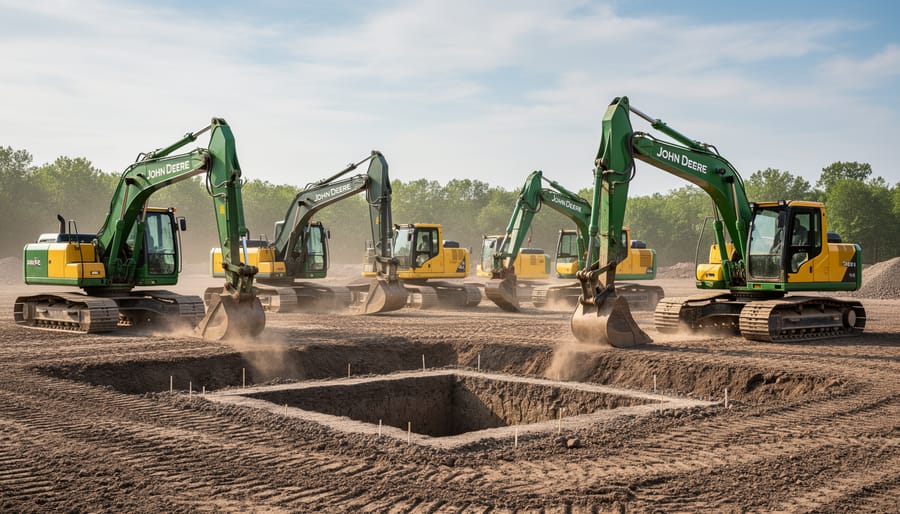
Classic excavators and backhoes from the 1970s through 1990s remain surprisingly popular rental choices, particularly models from Caterpillar and John Deere. The Caterpillar 416 backhoe loader, introduced in 1985, earned a reputation for reliability that keeps it in rental fleets today. Similarly, John Deere’s 310 series backhoes became workhorses for small to medium-sized excavation projects.
These vintage machines excel at straightforward digging tasks like trenching for utilities, foundation work, and landscaping projects. Their mechanical simplicity means fewer electronic components that can fail, making them easier to operate for first-time renters and simpler to repair when issues arise.
What makes these older models rental favorites? First, they’re significantly less expensive to rent than modern equivalents, often 30-40% cheaper. Second, their proven track record means you’re working with thoroughly tested technology. Many community reviews highlight how these machines handle basic jobs without the learning curve of computerized controls.
However, expect trade-offs: older excavators typically lack comfort features like air conditioning, produce more noise, and consume more fuel. They’re ideal for budget-conscious projects where basic functionality matters more than efficiency. Always inspect hydraulic hoses and check for leaks before starting work, as wear on aging components is the most common maintenance concern.
Old-School Bulldozers and Graders
When it comes to moving serious amounts of earth, vintage bulldozers and graders remain surprisingly competitive with modern equipment. Many rental operators and construction veterans swear by machines from the 1970s through 1990s, particularly Caterpillar D7 and D8 models, which continue working reliably after decades of service.
What makes these earthmovers special? Users consistently praise their mechanical simplicity. Unlike newer computerized machines, older bulldozers feature hydraulic systems and diesel engines that tradespeople can actually troubleshoot and repair on-site. One contractor shared that his 1985 Cat D6 required minimal maintenance beyond routine fluid changes and track adjustments, operating at a fraction of the cost of leasing newer equipment.
Graders from this era, especially models like the Caterpillar 140G, receive similar feedback. Operators appreciate the direct mechanical controls and visibility, though they note the learning curve is steeper without modern assists.
The trade-off? These machines consume more fuel and lack safety features like ROPS (Roll-Over Protective Structures) found on contemporary models. They also require operators with experience reading the ground rather than relying on GPS grading systems. For large-scale earthwork where precision matters less than moving volume, however, community feedback suggests these workhorses deliver excellent value, especially through rental arrangements where maintenance is handled by the provider.
Classic Skid Steers and Loaders
Compact skid steers and wheeled loaders from the 1990s and early 2000s remain surprisingly capable workhorses for smaller construction tasks, landscaping projects, and property maintenance. These machines excel at material handling, grading, and site preparation without the hefty rental costs of newer models.
What makes older compact equipment particularly appealing is their straightforward mechanical systems. Unlike modern computerized machines, vintage skid steers feature simpler hydraulics and controls that are easier to troubleshoot and maintain. This simplicity translates to lower repair costs and fewer electronic failures that can sideline a project.
When evaluating older compact loaders, inspect the hydraulic system thoroughly for leaks, test the bucket controls for responsiveness, and check tire or track condition. Listen for unusual engine noises and verify that all safety features, including the operator restraint system and safety bar, function properly. Many DIYers find these machines ideal for excavating small foundations, moving gravel or topsoil, and clearing brush.
Community feedback consistently highlights Bobcat and Case models from this era as reliable choices. Just remember that operator training is essential, even with older equipment. These powerful machines demand respect and proper handling to prevent accidents on your worksite.
Vintage Compaction and Paving Equipment
Older compaction and paving equipment continues to prove its worth on driveways, parking areas, and smaller road projects. Vintage steel drum rollers and vibratory plate compactors from the 1980s and 1990s deliver surprisingly consistent results when properly maintained. These machines excel at soil preparation and asphalt finishing, making them popular rental choices for cost-conscious contractors and ambitious DIYers tackling residential paving work.
Steel drum rollers (sometimes called smooth wheel rollers) compact soil and asphalt through sheer weight and vibration. Older models typically weigh between 1 to 3 tons and feature straightforward mechanical controls that are easy to understand, even for first-time users. The simple hydraulic systems found in vintage rollers mean fewer electronic components that might fail, though you should always inspect hydraulic lines for leaks before operation.
Walk-behind plate compactors remain workhorses for smaller areas like garden paths and driveways. These vibrating plates use engine-driven force to compress gravel and sand bases. Vintage models from established manufacturers often feature cast iron bases that outlast modern lightweight alternatives.
When evaluating older compaction equipment, check for worn drum surfaces, excessive vibration indicating bearing issues, and verify all safety guards remain intact. Community reviews frequently highlight that well-maintained vintage compactors often outperform neglected newer models, making equipment history more important than age alone.
What to Check Before Renting Older Construction Machinery
Essential Safety Inspections
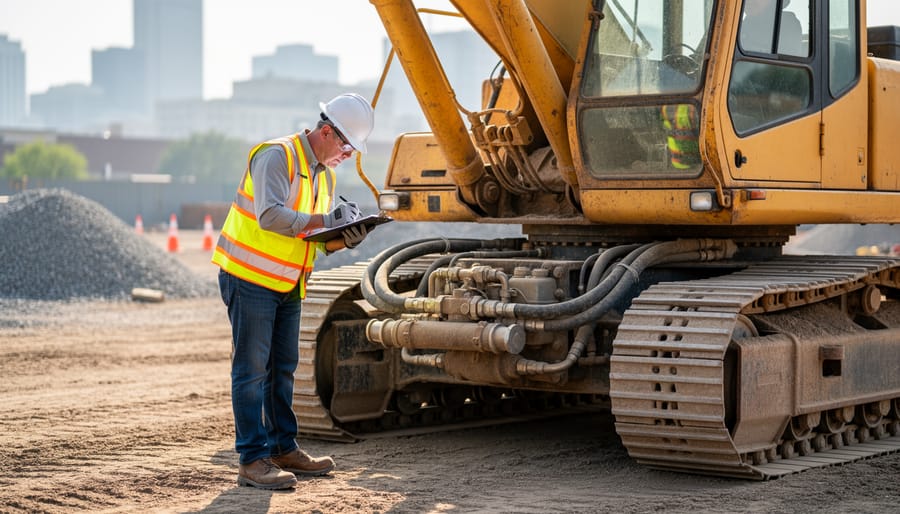
Before operating any older construction machine, conduct a thorough safety inspection to identify potential hazards. These checks are crucial because wear and deterioration accelerate over time, and older equipment may lack modern safety features.
Start with the hydraulic system, which powers most movements on excavators, loaders, and lifts. Look for oil leaks around hoses, cylinders, and connection points—any wet spots or pooling fluid indicate problems. Check hose condition by feeling for soft spots, cracks, or bulging, which signal impending failure. Verify that hydraulic fluid levels meet manufacturer specifications and that the fluid appears clean, not milky or contaminated.
Next, test the braking system comprehensively. For machines with foot brakes, press firmly and ensure the pedal doesn’t sink to the floor. Parking brakes should hold the machine on an incline without slipping. Listen for unusual grinding or squealing sounds during brake application, which suggests worn pads or damaged components.
Examine structural integrity by walking around the entire machine. Look for rust that appears flaky or creates holes rather than surface discoloration. Check welds for cracks, especially at stress points like boom connections and frame joints. Inspect bucket teeth, blade edges, and attachment points for excessive wear or damage.
Finally, evaluate operator controls before starting work. Test all levers, pedals, and switches to confirm they move smoothly without sticking. Verify that emergency stop buttons function properly and that safety guards remain securely fastened. Check gauges and warning lights during startup—these instruments alert you to developing problems. If any inspection reveals significant concerns, consult with the rental provider or a qualified mechanic before proceeding.
Performance Red Flags to Watch For
Before committing to renting older construction equipment, watch for these critical warning signs that indicate the machine may be unreliable or unsafe for your project.
Excessive fluid leaks are immediate red flags. While minor seepage from seals is common in vintage hydraulic systems, puddles of oil, coolant, or hydraulic fluid beneath the machine suggest serious problems. Check around hoses, cylinders, and engine components during your inspection.
Unusual noises during operation often signal internal wear. Grinding sounds from transmissions, knocking from engines, or squealing from hydraulic pumps indicate components nearing failure. Listen carefully during a test run, and don’t hesitate to ask the rental provider about any concerning sounds.
Structural damage compromises safety. Look for cracked welds, bent frame members, or repairs that appear makeshift. Rust that goes beyond surface oxidation, especially on load-bearing components, can weaken the machine’s integrity.
Inconsistent operation is another concern. If controls feel spongy, movements are jerky, or the machine struggles with basic functions, internal systems may be failing. Similarly, excessive smoke from the exhaust, particularly blue or black smoke, indicates engine problems.
Check maintenance records if available. Machines without documented service history or with gaps in maintenance should raise concerns. Community feedback from previous renters can also reveal patterns of reliability issues that aren’t immediately visible during inspection.
Questions to Ask Your Rental Provider
Before committing to rent older construction equipment, protect yourself by asking these essential questions. First, request the complete maintenance history and service records to understand how well the machine has been cared for. Ask about total operating hours, as this metric reveals actual wear better than age alone. Find out what recent repairs or part replacements have been completed, particularly for critical components like hydraulics, engines, and safety systems. Inquire whether replacement parts are still readily available from manufacturers or specialty suppliers, since discontinued models can become expensive to fix mid-project. Don’t hesitate to ask if you can test-run the equipment before finalizing your rental, and verify what happens if the machine breaks down during your rental period. Finally, request references or check community reviews from previous renters who’ve used that specific machine. These questions help you make an informed decision and avoid costly surprises.
Operating Old Construction Equipment Safely
Understanding Missing Modern Safety Features
Older construction machines often lack the safety features we now consider standard. Unlike modern equipment, vintage machines typically don’t include rollover protection structures (ROPS), seat belts, backup alarms, or automatic shut-off systems. You won’t find proximity sensors that detect nearby workers, and ergonomic controls designed to reduce operator fatigue are usually absent.
Many older models also lack adequate guarding around moving parts like belts, chains, and hydraulic components. Visibility can be compromised due to smaller windows and the absence of cameras or mirrors. Emergency stop buttons may be poorly positioned or missing entirely.
To compensate for these gaps, conduct a thorough pre-operation inspection every time you use vintage equipment. Install aftermarket safety upgrades where possible, such as ROPS kits, backup alarms, or additional lighting. Always establish a safety perimeter around the machine and ensure all operators wear appropriate personal protective equipment including hard hats, steel-toed boots, and high-visibility clothing.
Create clear communication protocols with ground crew members since older machines lack modern signaling systems. Never bypass or disable existing safety mechanisms, even if they seem inconvenient. Consider having a spotter present during operation, particularly in confined spaces or around pedestrians. Regular maintenance checks become even more critical with aging equipment to prevent mechanical failures that newer machines might detect automatically.
Best Practices for Vintage Machine Operation
Operating vintage construction equipment safely requires a different approach than running modern machines. Start every session with an extended warm-up period—older engines need at least 10-15 minutes to reach proper operating temperature, especially in cold weather. Listen carefully during warm-up for unusual sounds like knocking, grinding, or irregular idling that might signal mechanical issues.
Adjust your operating speed to match the machine’s capabilities. Vintage equipment typically runs slower than contemporary models, and pushing it beyond design limits accelerates wear and increases breakdown risk. Plan your project timeline accordingly, factoring in these reduced speeds rather than trying to force the pace.
Maintain heightened situational awareness throughout operation. Older machines often lack modern safety features like backup cameras, proximity sensors, or automatic shutdown systems. Establish a clear communication system with ground crew members, and always perform a complete walk-around inspection before moving the equipment. Check for hydraulic leaks, loose components, and obstacles in your path.
Keep emergency procedures front of mind. Know the location of all kill switches and fire extinguishers. Because vintage machines may respond differently than modern equipment in emergency situations, practice shutdown procedures when the machine is stationary. If you’re renting vintage equipment, ask the provider for a thorough demonstration of all controls and safety mechanisms before beginning work. Their experience with the specific machine can prevent costly mistakes and dangerous situations.
When New Is Better Than Old
While vintage construction machines have their charm and can work well for certain projects, there are situations where modern equipment is the smarter choice. Understanding when to opt for newer machinery helps you complete your work safely and efficiently.
For precision-critical projects, contemporary machines offer significant advantages. Modern excavators and loaders feature GPS guidance systems, automated grade control, and digital displays that ensure accuracy to within millimeters. If you’re laying foundations, installing drainage systems, or performing detailed landscaping work, this precision can save hours of rework and material costs.
Safety features represent another compelling reason to choose newer equipment. Today’s machines include rollover protection systems (ROPS), backup cameras, proximity sensors, and automatic shutdown mechanisms that weren’t available decades ago. When working near utilities, in confined spaces, or on unstable ground, these safety innovations can prevent accidents and protect operators.
Fuel efficiency and emissions standards also matter, especially for extended projects. Modern diesel engines consume 30-50% less fuel than their 1970s and 1980s counterparts while producing fewer pollutants. For longer rentals or environmentally sensitive sites, this efficiency translates to lower operating costs and regulatory compliance.
Consider equipment rental of newer machines when tight deadlines demand reliability. While well-maintained vintage equipment can perform admirably, modern machinery typically experiences fewer unexpected breakdowns and requires less downtime for maintenance. If project delays would cost you money or compromise client relationships, the dependability of contemporary equipment provides peace of mind.
Finally, if your project requires specialized attachments or hydraulic systems with specific pressure ratings, newer machines offer better compatibility with current accessories and tooling standards. This flexibility allows you to adapt quickly to changing project requirements without equipment limitations holding you back.
Old construction machines continue to offer compelling value in the rental market, particularly when you understand what to look for and how to evaluate them properly. Throughout this guide, we’ve explored how these vintage workhorses can deliver reliable performance at budget-friendly rates, making them ideal choices for many DIY projects and professional applications alike. The key is knowing which machines age well, what warning signs to watch for during inspection, and when modern alternatives might better serve your specific needs.
Before making your rental decision, take advantage of community reviews and user feedback from others who’ve worked with the equipment you’re considering. Real-world experiences from fellow tradespeople and DIY enthusiasts provide invaluable insights that specifications alone can’t offer. These honest assessments help you understand how machines perform under actual working conditions and alert you to potential issues.
We encourage you to explore the vintage machinery options available through your local rental providers. Whether you’re tackling a weekend project or managing a professional job site, there’s likely an older machine that fits your requirements perfectly. Don’t forget to share your own experiences with the equipment you rent, helping build the knowledge base that benefits everyone in our community.
Related Posts