Construction sites are inherently risky environments, and lifting operations are among the most hazardous tasks performed daily. Even a small oversight can lead to accidents, injuries, or significant property damage. That’s why creating a culture of safety through proper planning, reliable equipment, and trained personnel is essential for every construction project.
Planning and Communication Before Every Lift
Planning involves determining the load weight, centre of gravity, lift path, and landing area. It’s essential to map out potential obstacles such as power lines, nearby structures, or uneven ground. Each stage of the operation should be discussed during a pre-lift meeting involving crane operators, riggers, signalers, and supervisors.
Clear communication is another non-negotiable aspect of safe lifting operations. Using standardised hand signals or two-way radios helps maintain coordination between team members, especially when visibility is limited. Miscommunication is one of the top causes of lifting-related accidents, so ensuring everyone understands the plan and their role is key.
Using the Right Equipment
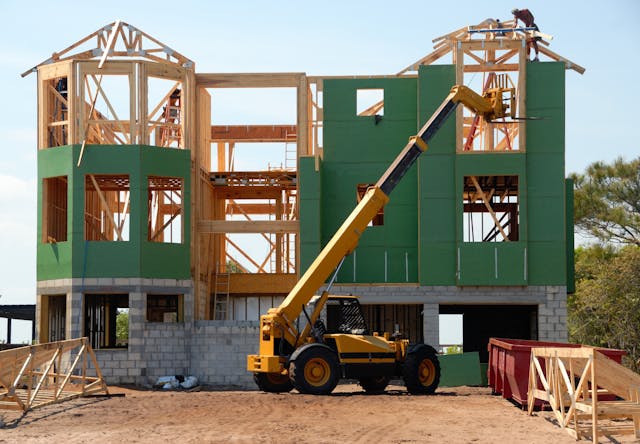
Selecting the right equipment is just as important as having trained personnel. Cranes and other heavy lifting machines require stable ground support, and that’s where cribbing blocks come into play. Products like Cranepads cribbing blocks are engineered to provide a solid, level foundation that distributes weight evenly across soft or uneven terrain.
Other essential lifting tools include outrigger pads, load indicators, and anti-sway systems that improve stability and control. Outrigger pads spread the load evenly on the ground, while load indicators warn operators when the crane approaches capacity. Anti-sway systems help keep suspended loads steady, reducing the risk of collisions or dropped materials during movement.
Ensuring Operator Competence and Ongoing Training
Even the best equipment cannot compensate for a lack of experience or awareness. All crane and hoist operators should hold valid certifications and undergo regular refresher training to keep their skills sharp. Training should cover load control, emergency procedures, and understanding manufacturer specifications.
Continuous professional development also helps operators adapt to new technologies and evolving safety standards. Supervisors should encourage open discussions about safety concerns and reward proactive behaviour. By empowering operators to take ownership of their responsibilities, construction companies can build stronger, safer teams.
Maintaining Ground Stability and Load Balance
One of the most overlooked factors in lifting operations is the ground condition. Soft soil, hidden voids, or waterlogged areas can compromise stability, causing cranes or other machinery to tilt or collapse. Conducting a soil assessment before positioning heavy equipment is essential. In some cases, engineers may recommend adding steel plates or cribbing mats to improve ground bearing capacity.
Equally important is ensuring proper load balance. Operators must verify that the load is evenly distributed and securely attached to prevent swinging or shifting mid-lift. A small imbalance can put unnecessary stress on rigging components, increasing the risk of failure. Precision, patience, and attention to detail always pay off in these situations.
Weather Conditions and Environmental Factors
The weather can drastically affect lifting safety. High winds, rain, and poor visibility all pose significant threats to stability and control. Cranes, for example, are highly sensitive to wind loads. Lifts should be postponed if gusts exceed the manufacturer’s safety limits. Monitoring weather conditions in real time helps prevent sudden surprises that could compromise worker safety.
Temperature and lighting also matter. Cold conditions can make steel brittle, while poor visibility increases the likelihood of miscommunication or collisions. Planning for environmental variables, such as scheduling lifts during daylight or using portable lighting at night, ensures safer and smoother operations.
Regular Inspections and Compliance with Regulations
Routine inspections of cranes, rigging gear, and lifting accessories are a cornerstone of any safety strategy. This includes daily visual checks and more detailed monthly or annual inspections by qualified personnel. Equipment that fails inspection should be taken out of service immediately until repaired or replaced. Compliance with local and national regulations, such as OSHA standards, ensures all operations meet the required safety thresholds.
Keeping accurate inspection records also serves as legal protection in the event of an incident. Documentation demonstrates a company’s commitment to safety and can be invaluable during audits or insurance reviews. Regular compliance not only avoids penalties but also builds a trustworthy reputation within the industry.
The Bottom Line
Safe lifting operations don’t rely on luck; they depend on preparation, teamwork, and discipline. Every person on site, from operators to supervisors, plays a role in preventing accidents. Investing in the right tools and enforcing strict inspection and communication protocols creates an environment where safety becomes second nature. Ultimately, a strong culture of safety ensures not just compliance but peace of mind for everyone involved in the lift.
Related Posts