
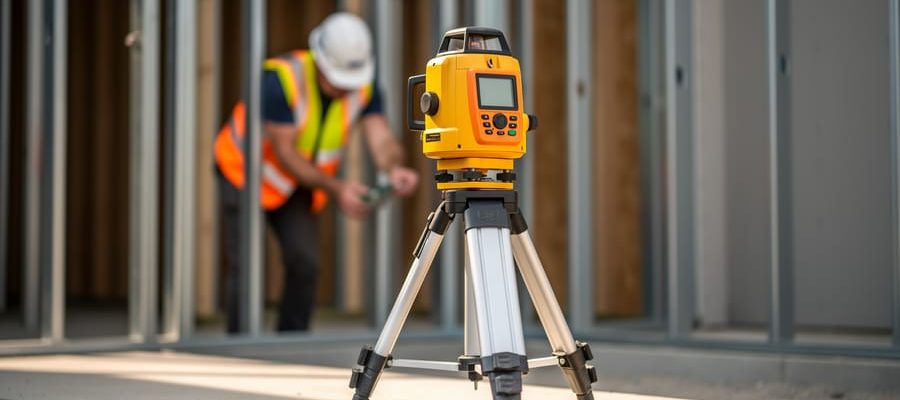
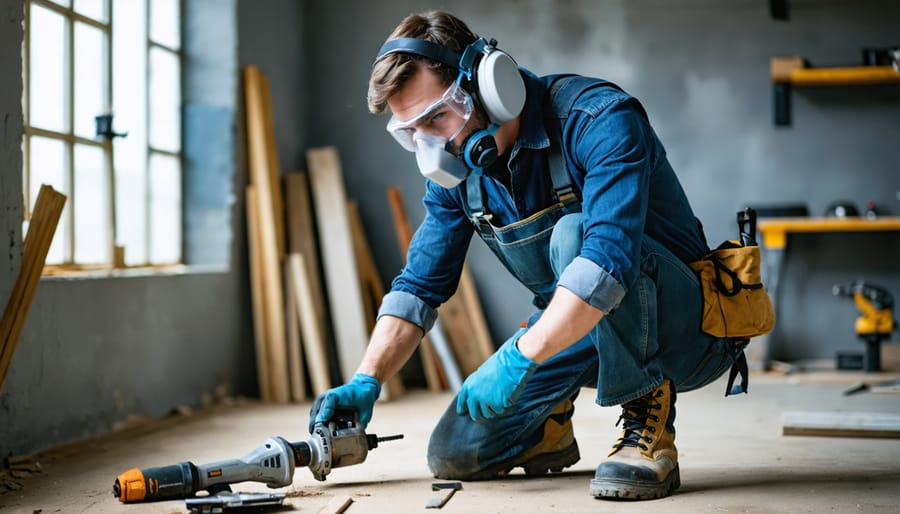
**Assess your specific tool and task before selecting equipment.** Power tools create different hazards—grinding produces sparks and debris requiring face shields and respirators, while pneumatic nailers demand hearing protection and safety glasses. Match your PPE to the actual risks: dust masks won’t protect against chemical vapors, and leather gloves that protect against abrasion can catch in rotating machinery.
**Prioritize impact-rated eye protection and hearing protection as non-negotiables.** ANSI Z87.1-rated safety glasses or goggles prevent 90% of workshop injuries, while exposure to tools operating above 85 decibels—including circular saws, grinders, and jackhammers—causes permanent hearing loss after just 15 minutes of unprotected use.
**Inspect PPE before each use and replace damaged equipment immediately.** Cracked safety glasses, compressed respirator filters, and worn glove palms compromise protection when you need it most. Check straps, seals, and structural integrity, especially on rental equipment or gear that’s been stored long-term.
**Layer protection based on cumulative risks rather than choosing one item.** Operating a demolition hammer requires simultaneous protection: steel-toed boots for falling debris, hearing protection for noise exposure, safety glasses for flying particles, work gloves for vibration dampening, and potentially a dust mask depending on the material being broken. Understanding which combinations protect against specific hazards transforms PPE from a checklist into an integrated safety system that adapts to your work environment.
Understanding PPE: Your Personal Shield Against Tool Hazards
The Five Essential Categories of PPE
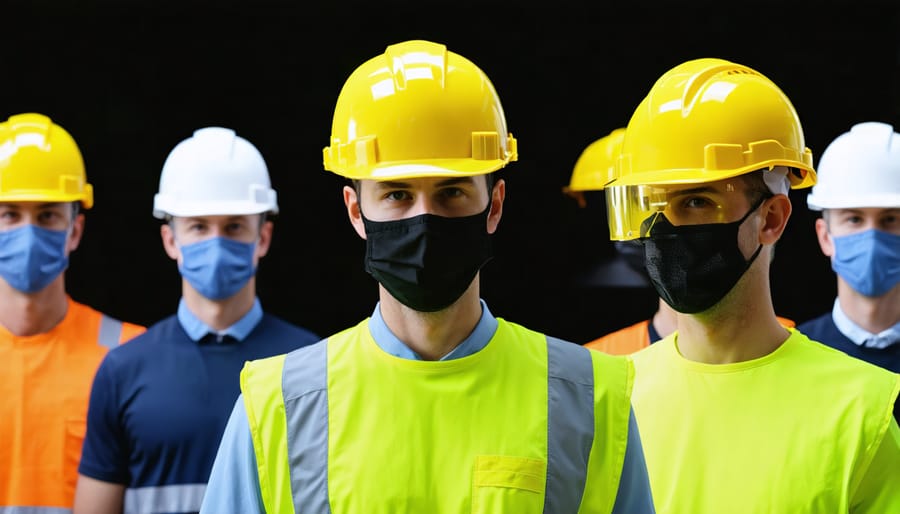
Personal Protective Equipment falls into five fundamental categories, each designed to shield specific parts of your body from workplace hazards. Understanding what each type protects against helps you make informed decisions before starting any project.
**Eye and Face Protection** guards against flying debris, dust, chemical splashes, and harmful radiation. Safety glasses provide basic impact protection for grinding or cutting tasks, while goggles offer sealed protection against fine particles and liquids. Face shields add extra coverage when using power tools that generate significant debris or when working with chemicals.
**Respiratory Protection** filters out harmful airborne particles, vapors, and gases that your lungs shouldn’t breathe in. Disposable dust masks work for light sanding projects, while half-face respirators with replaceable cartridges handle more serious exposures like paint fumes or fiberglass dust. The key is matching the respirator rating to your specific hazard—something our community members frequently discuss in their project reviews.
**Hearing Protection** prevents permanent hearing damage from prolonged exposure to loud tools. Foam earplugs offer basic protection and work well under other PPE, while earmuffs provide higher noise reduction ratings (NRR) for extremely loud equipment like jackhammers or chainsaws.
**Hand Protection** ranges from light-duty work gloves for handling materials to heavy-duty cut-resistant gloves for sharp objects and specialized gloves for chemical handling. Never wear gloves around rotating machinery where they could get caught.
**Body and Foot Protection** includes steel-toed boots to prevent crushing injuries, long pants to shield legs from debris, and high-visibility vests for outdoor work near traffic. Some projects require additional protection like welding aprons or knee pads depending on the specific task and environment.
PPE Standards and Certifications You Should Know
When shopping for PPE, you’ll notice various stamps, codes, and certifications on the packaging. Understanding these markings helps you identify quality gear that’s been independently tested for safety performance.
**ANSI Standards** (American National Standards Institute) are the most common ratings you’ll see in North America. For example, safety glasses marked “ANSI Z87.1” have passed impact resistance tests. The higher the rating number, the more rigorous the testing. Impact-rated footwear carries an “ANSI Z41” marking, indicating it can withstand specific compression and impact forces.
**EN Standards** (European Norms) work similarly but use different numbering. You might see “EN 388” on work gloves, which rates cut, abrasion, tear, and puncture resistance using a scale of 1-5. Higher numbers mean better protection—a glove rated 4 for cut resistance offers more protection than one rated 2.
**Key markings to look for:**
– **CE mark**: Indicates European safety compliance
– **CSA certification**: Canadian Standards Association approval
– **NIOSH approval**: Essential for respirators and dust masks
Don’t just grab the cheapest option at the hardware store. Check for these certifications on the product itself, not just the packaging. Counterfeit PPE exists, and unmarked gear hasn’t been independently verified for safety.
Community members frequently remind us: if you can’t find a certification marking, it’s not worth the risk. Your safety depends on proven protection, not assumptions.
Risk Assessment Before You Pick Up Any Tool
The 5-Minute Safety Check Every Operator Should Do
Before you pick up any tool, invest five minutes in a safety check that could prevent hours of pain or injury. This simple routine becomes second nature once you practice it a few times.
**Check Your Tool**
Inspect the tool itself first. Look for frayed power cords, cracked housings, loose guards, or damaged safety features. Test that all switches and triggers work properly. For power tools, ensure blades and bits are sharp, properly installed, and suitable for your material. Dull blades require more force and increase accident risk. Regular tool condition and maintenance prevents most equipment-related incidents.
**Assess Your Work Environment**
Survey your workspace for tripping hazards, adequate lighting, and proper ventilation. Clear away clutter and secure loose materials. Check that your work surface is stable. If working outdoors, consider weather conditions—rain and power tools don’t mix. Identify where your first aid kit and fire extinguisher are located.
**Know Your Materials**
Different materials create different hazards. Treated timber produces toxic dust. Metal grinding creates sparks and sharp fragments. Concrete cutting generates silica dust. Review material safety data sheets when working with chemicals or treated materials, and select PPE accordingly.
**Consider Duration**
A five-minute cutting job requires different preparation than an all-day project. Extended use demands higher-quality PPE with better comfort features. Plan regular breaks to prevent fatigue, which increases accident likelihood.
**Final PPE Verification**
With your assessment complete, gather and don the appropriate PPE before starting work. Check that everything fits properly—loose gloves catch on moving parts, while tight respirators don’t seal correctly. This systematic approach takes less time than treating an injury and builds safety habits that last a lifetime.
Common Hazards by Tool Type
Understanding the specific hazards associated with different tool categories helps you select appropriate protective equipment before starting any project. Each tool type presents unique risks that require targeted protection strategies.
**Power Tools** generate multiple hazards simultaneously. Circular saws, drills, and grinders produce flying debris that can damage eyes, while loud operating noise (often exceeding 85 decibels) threatens hearing over time. Vibration from prolonged use causes hand-arm vibration syndrome, and rotating parts present entanglement risks for loose clothing or hair. Always wear safety glasses, hearing protection, and work gloves designed for grip without sacrificing dexterity.
**Hand Tools** may seem safer, but they’re responsible for numerous injuries. Hammers and chisels create metal fragments and sparks, requiring eye protection. Cutting tools like utility knives and saws demand cut-resistant gloves and careful hand positioning. Even basic tools can cause repetitive strain injuries during extended use.
**Pneumatic Equipment** combines compressed air power with traditional tool risks. Air-powered nailers and impact wrenches produce extreme noise levels and potential projectile hazards if connections fail. The compressed air itself can inject particles under skin. Use hearing protection, safety glasses with side shields, and ensure proper hose connections before operation.
**Heavy Machinery** including compactors, excavators, and concrete mixers present the most severe hazards. Beyond noise and vibration, users face crush injuries, chemical exposure from fuels and lubricants, and whole-body vibration. Steel-toed boots, hard hats, high-visibility clothing, and chemical-resistant gloves become essential rather than optional.
PPE Requirements by Tool Category: What You Actually Need
Power Saws and Cutting Tools
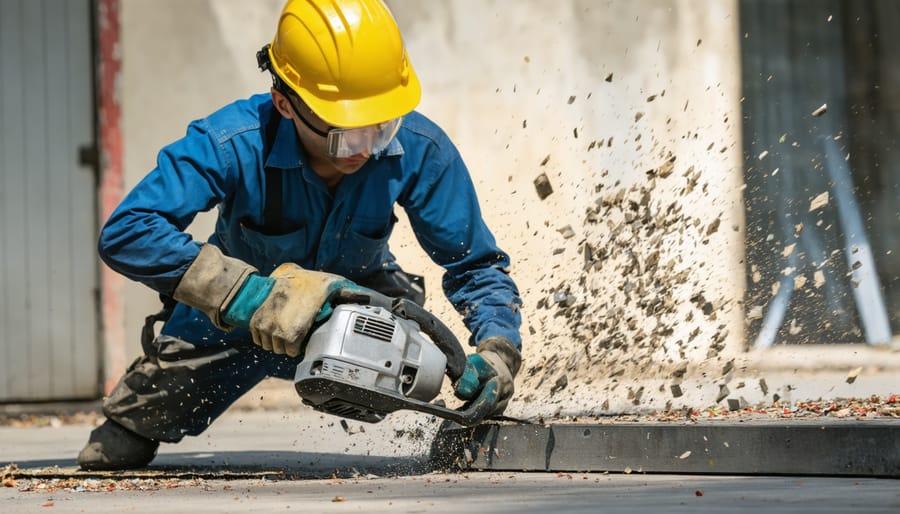
Power saws and cutting tools generate flying debris, extreme noise levels, and serious kickback risks that demand comprehensive protection. Whether you’re making precise miter cuts or tackling outdoor tree work, understanding the specific hazards helps you select appropriate PPE.
**Eye and Face Protection:** Safety glasses provide baseline protection for most cutting operations, but consider a full face shield when using angle grinders or cutting materials that produce larger fragments. Users in our community consistently recommend models with anti-fog coatings, particularly for extended cutting sessions.
**Hearing Protection:** Power saws regularly exceed 100 decibels. Foam earplugs (NRR 29-33) work for occasional use, while earmuffs offer easier on-off convenience. Many professionals prefer electronic earmuffs that allow normal conversation while blocking harmful noise spikes.
**Hand Protection:** Choose cut-resistant gloves rated ANSI A2 or higher for general saw work. Avoid loose-fitting gloves that could catch in moving parts. For chainsaw operation, standard gloves aren’t sufficient—the rotating chain requires specialized cut-resistant materials.
**Specialized Chainsaw PPE:** Chainsaws demand additional protection including chainsaw chaps or pants with cut-resistant layers, steel-toed boots, and helmet systems combining face shield and hearing protection. These aren’t optional—chainsaw injuries happen in seconds, and proper gear provides critical reaction time for chain brakes to engage.
Drilling and Impact Tools
Drilling and impact tools generate multiple hazards that require layered protection. Whether you’re using a standard drill for hanging shelves or operating a jackhammer for concrete demolition, understanding these risks keeps you safe and improves your control over the tool.
**Eye protection is non-negotiable.** Flying debris from drilling—metal shavings, wood chips, concrete dust, or masonry particles—can cause serious eye injuries. Safety glasses provide baseline protection for light-duty drilling, but upgrade to safety goggles with side shields when working overhead or with masonry materials. The sealed design prevents debris from entering around the frames.
**Hearing protection becomes essential** with hammer drills and jackhammers, which frequently exceed 100 decibels. Foam earplugs or earmuff-style protectors reduce noise exposure during extended use. Many professionals prefer earmuffs for quick on-and-off convenience between drilling sessions.
**Anti-vibration gloves** protect against hand-arm vibration syndrome (HAVS), a condition caused by prolonged exposure to vibrating tools. These specialized gloves contain padding that dampens vibrations while maintaining grip sensitivity. Users report they’re particularly valuable when operating impact drivers or rotary hammers for more than 15 minutes continuously.
**Dust masks or respirators** are necessary when drilling creates fine particulates, especially with concrete, drywall, or treated wood. Choose N95 respirators minimum for adequate filtration.
Sanders, Grinders, and Abrasive Tools
Sanders, grinders, and abrasive tools generate significant airborne dust and particles that pose serious respiratory and eye hazards. The type of material you’re working with directly determines your PPE requirements—wood dust, metal particles, concrete silica, and paint residue each demand different protection levels.
**Respiratory Protection by Dust Type:**
– Wood dust: N95 or P95 respirator minimum
– Concrete/masonry (silica dust): P100 respirator or powered air-purifying respirator (PAPR)
– Metal grinding: N95 minimum, upgrade to P100 for extended work
– Paint or coatings removal: Half-face respirator with appropriate cartridges
Disposable dust masks labeled N95 filter at least 95% of airborne particles, while P-rated masks also protect against oil-based particles. Always check the mask creates a proper seal—facial hair prevents effective sealing.
Wear safety goggles with indirect venting rather than basic safety glasses, as fine dust can enter around standard eyewear. Face shields provide additional protection during heavy grinding operations.
Long sleeves and closed-toe shoes protect skin from hot particles and abrasive dust. Many users report that leather welding sleeves work excellently for extended grinding sessions. Consider hearing protection too, as these tools frequently exceed safe noise levels during operation.
Painting and Chemical Application Equipment
Painting and chemical application equipment exposes you to multiple hazards simultaneously—inhaled fumes, skin contact with harsh chemicals, and eye splashes. At minimum, wear a respirator rated for organic vapors (look for cartridges marked “OV”) rather than a basic dust mask, which won’t filter chemical vapors. Many DIYers report in community reviews that they initially skipped proper respiratory protection and experienced headaches or dizziness—a clear sign of inadequate protection.
Protect your skin with chemical-resistant gloves (nitrile works for most paints and solvents) and long sleeves. Safety goggles with side shields prevent splashes during spraying or overhead rolling. When using paint sprayers, upgrade to a full-face respirator for combined eye and respiratory protection.
Ventilation is crucial but often overlooked. Work outdoors when possible, or use fans to create cross-ventilation indoors. Remember: PPE is your last line of defense, not a substitute for proper airflow. Always check product labels for specific PPE recommendations, as chemical compositions vary significantly between products.
Heavy Machinery and Lifting Equipment
Operating excavators, lifts, compactors, and other heavy rental equipment requires comprehensive protective gear due to multiple hazards. Steel-toe boots protect feet from crushing injuries and provide ankle support on uneven terrain. Hard hats are essential when working beneath suspended loads or in areas with overhead hazards. High-visibility clothing ensures operators and ground crew remain visible to each other, particularly critical on busy work sites. Hearing protection (earplugs or earmuffs rated for 85+ decibels) prevents long-term damage from engine noise and hydraulic systems. Many users recommend combining foam earplugs with earmuffs when operating compactors, which generate particularly intense noise levels. Always inspect equipment controls before operation and maintain clear communication with team members—hand signals work well in loud environments where hearing protection limits verbal communication.
Choosing the Right PPE: Beyond the Basics
When to Invest vs. When Budget Options Work
Not all PPE requires the same investment level, and understanding where to allocate your budget can maximize both safety and value. The key is matching quality to risk—some areas demand premium protection, while others work perfectly fine with budget-friendly options.
**Where Quality Matters Most**
Respiratory protection and eye safety are non-negotiable investment areas. Your lungs and vision can’t regenerate, making these your highest priorities. When working with silica dust, chemical fumes, or fine particulates, invest in properly rated respirators with genuine replacement filters. Cheap knock-offs often lack proper certification and may fail when you need them most. Similarly, impact-rated safety glasses from reputable manufacturers provide verified protection—those $3 convenience store glasses simply don’t meet ANSI Z87.1 standards.
**Where Budget Options Work**
For occasional DIY projects, mid-range hearing protection works perfectly fine. Disposable foam earplugs or basic earmuffs provide adequate noise reduction for weekend warriors. Work gloves also offer flexibility—you don’t need $40 specialized gloves for light tasks; a $10 pair with proper grip and cut resistance handles most home projects.
**Consider Your Usage Pattern**
Daily professional use justifies premium gear across the board—comfort and durability matter when wearing PPE for eight-hour shifts. However, if you’re renting tools for a single project, budget respiratory protection (properly rated) and quality eye protection, while using affordable options elsewhere. Community members consistently report that skimping on respiratory and eye safety leads to regret, while they’re satisfied with budget hearing and hand protection for occasional use.
Comfort and Compliance: Why It Matters
The most advanced PPE in the world provides zero protection if it sits unused in your toolbox. Research consistently shows that comfort directly impacts compliance—if safety gear is uncomfortable, poorly fitted, or restrictive, workers simply won’t wear it consistently.
Fit matters tremendously. Safety glasses that constantly slide down your nose will end up perched on your forehead. Respirators that don’t seal properly around facial contours let hazardous particles bypass the filters entirely. Gloves that are too bulky reduce dexterity and often get removed mid-task. Take time to try different brands and styles—sizing varies significantly between manufacturers.
Breathability affects whether you’ll actually keep gear on during extended work sessions. Modern moisture-wicking materials in ear protection and ventilated hard hats make a real difference during hot weather or physically demanding projects. According to community feedback from professional contractors, investing in temperature-regulating gear pays off in consistent use.
Consider your specific work environment too. If you’re switching between tools frequently, quick-adjustment features on respirators and hearing protection prevent the frustration that leads to shortcuts. The PPE you’ll actually wear consistently is always better than premium gear that stays in the truck.
Maintaining and Storing Your PPE
Inspection Before Each Use
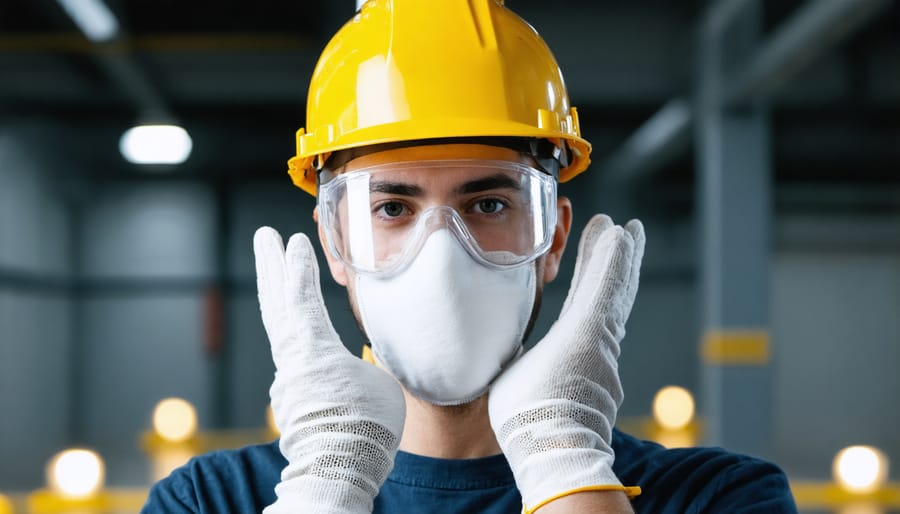
Before putting on any PPE, take a moment to inspect each piece—this simple habit can prevent injuries. For safety glasses, check for scratches, cracks, or loose frames that could impair vision or break under impact. Examine ear protection for damaged seals or headbands that won’t hold securely. Inspect gloves carefully for tears, punctures, or worn spots that expose your skin, and ensure they’re appropriate for your task—chemical-resistant gloves differ from cut-resistant ones. Check respirator filters for expiration dates and ensure straps maintain elasticity. Hard hats should be free from dents, cracks, or fading that indicates UV degradation. Steel-toed boots need intact soles and structural support. Think of PPE inspection like regular equipment inspection—both protect your investment and safety. If something looks compromised, replace it immediately. Damaged PPE offers false security, which is more dangerous than no protection at all.
When to Replace Your PPE
PPE doesn’t last forever, and knowing when to retire equipment is crucial for your safety. Hard hats typically need replacement every five years, or immediately after any impact—even if damage isn’t visible, the internal structure may be compromised. Safety glasses showing scratches, cracks, or cloudy lenses should be replaced, as vision impairment creates new hazards. Gloves with holes, worn spots, or stiffened material no longer protect effectively. Hearing protection with cracked ear cups or deteriorated foam requires immediate replacement.
Respirator filters need changing based on manufacturer guidelines and usage—if breathing becomes difficult or you detect odors, replace them immediately. Similar to tool maintenance schedules, establish regular PPE inspection routines. Check for fading (UV damage), stretching, torn straps, or any visible wear before each use. When in doubt, replace it—compromised PPE provides false security, which is more dangerous than no protection at all.
Common PPE Mistakes Even Experienced Users Make
The ‘Just This Once’ Trap
We’ve all been there: “It’s just a two-minute cut,” or “I’m only drilling one hole.” Yet data from workplace safety reports consistently shows that most tool-related injuries occur during these supposedly quick tasks. The psychology is simple—our brains rationalize that the time spent putting on safety gear outweighs the minimal risk of a fast job.
Consider the real-world example shared by community member Jake from Ohio, who lost partial vision in one eye from a wood chip while making “one quick cut” without safety glasses. Or the professional carpenter who shared how a momentary lapse—removing gloves to feel a measurement—resulted in a table saw injury requiring twelve stitches.
The danger multiplies because quick tasks often involve casual body positioning, divided attention, or working in awkward spaces where accidents happen faster. When you’re not mentally “geared up” for the task, your reaction time suffers too.
The fix is brutally simple: make PPE your first step, not your last consideration. Keep safety gear at every work station, not stored away in a toolbox. The thirty seconds spent putting on glasses and gloves is insignificant compared to recovery time from preventable injuries—or worse, permanent consequences that no amount of time can reverse.
Using the Wrong PPE for the Job
Wearing the wrong PPE creates a false sense of security that can be more dangerous than wearing nothing at all. One of the most common mistakes is substituting regular prescription glasses or sunglasses for proper safety glasses—standard eyewear lacks impact resistance and side shields, leaving your eyes vulnerable to flying debris and particles.
Dust masks are another frequent mismatch. A simple paper mask won’t protect against fine sawdust, chemical vapors, or spray particles. Different projects require specific respirator ratings—N95 masks filter particles but offer no protection against vapors, while P100 filters handle both but need proper sealing to work effectively.
Glove selection often trips people up too. Wearing fabric gardening gloves while operating power tools can actually increase injury risk as loose material catches in moving parts. Chemical-resistant gloves designed for cleaning won’t protect against cuts, while cut-resistant gloves may not guard against chemical burns.
The key is matching your PPE to the specific hazards you’ll encounter. Check manufacturer recommendations for your tools and materials, and don’t assume one type of protection works for everything. When in doubt, ask experienced users in your community or consult safety data sheets for guidance.
Building Your Personal PPE Kit
The Essential Kit for DIY Homeowners
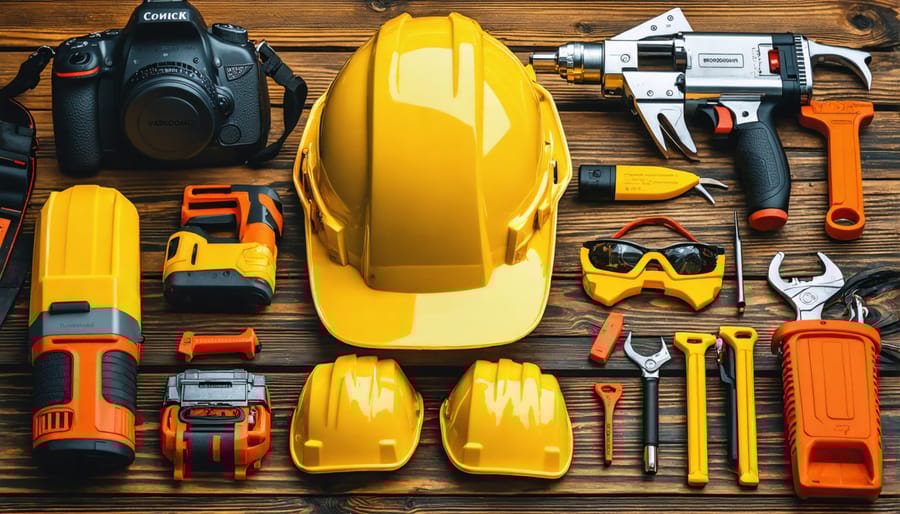
For homeowners tackling occasional projects and weekend warriors renting equipment, you don’t need a professional-grade arsenal—but you absolutely need the basics. Your essential starter kit should include safety glasses (impact-rated ANSI Z87.1), hearing protection for any power tool use, work gloves appropriate to your task, and a quality dust mask rated N95 or higher for sanding and cutting.
Many DIYers in our community recommend keeping closed-toe boots with slip-resistant soles as your go-to footwear for any project. While steel-toed boots offer maximum protection, a sturdy pair of work boots will handle most home improvement tasks safely.
Budget-conscious? Start here: decent safety glasses run $10-20, foam earplugs cost pennies, and a box of N95 masks provides dozens of uses for under $30. As one community member noted, “I spent more on pizza after the project than on the PPE that protected me during it.” This basic kit covers approximately 80% of common DIY scenarios—from drilling and painting to minor demolition and yard work.
The Professional’s Comprehensive Kit
For professionals working daily across multiple jobsites, investing in higher-quality PPE pays dividends in comfort, durability, and protection. Start with ANSI Z87.1-rated safety glasses featuring anti-fog and scratch-resistant coatings—essential when moving between temperature changes throughout your day. Your hearing protection should include electronic earmuffs (NRR 25+) that allow normal conversation while blocking hazardous noise, preventing the communication frustrations that lead workers to remove protection entirely.
Upgrade to composite-toe work boots that meet ASTM F2413 standards while being lighter and more comfortable than steel-toe alternatives. Professional-grade respirators with replaceable P100 filters offer better face seals and lower breathing resistance than disposables, critical for extended wear during grinding or sanding operations.
Consider cut-resistant gloves rated ANSI A4 or higher for tasks involving sharp materials or blades. Many professionals maintain separate glove sets: one for precision work, another for heavy material handling. Quality gear withstands daily abuse, maintains effectiveness longer, and reduces fatigue—directly impacting your productivity and long-term health. Fellow tradespeople consistently report that comfort features directly influence consistent PPE usage.
The right PPE isn’t about limitation—it’s about freedom. When you’re properly protected, you can tackle ambitious projects with confidence, push your skills further, and keep doing the work you love for years to come. Think of quality safety gear as an investment in your capability, not a restriction on it.
Before your next tool rental or project kickoff, take fifteen minutes to honestly assess your current PPE situation. Check expiration dates on respirator cartridges, inspect gloves for tears, and replace any safety glasses with scratched lenses. If you’re missing essential items for your planned work, add them to your project budget—they’re as important as the tools themselves.
We’d love to hear from our community: What PPE has made the biggest difference in your work? Have you discovered a particular brand or product that’s exceeded expectations? Perhaps you’ve learned a hard lesson about cutting corners on safety gear? Share your experiences, recommendations, and questions in the comments below. Your insights help fellow DIYers and professionals make informed decisions about their own safety investments.
Remember, every project you complete safely is one you can build upon. Protect yourself today so you can take on tomorrow’s challenges with confidence and capability.
Related Posts

Post a Comment