# Equipment Rental Yards: Your Gateway to the Right Tools, Right When You Need Them
**Assess your project scope before visiting a rental yard.** Calculate the timeline, space constraints, and tool requirements to determine whether renting makes more financial sense than purchasing. For one-time projects like concrete pours or tree removal, renting typically saves 60-80% compared to buying new equipment.
**Contact the rental yard 48-72 hours before your project start date.** Peak seasons (spring and summer) create high demand for popular items like excavators, power washers, and floor sanders. Early reservation ensures availability and gives you time to understand pricing structures, damage policies, and fuel requirements.
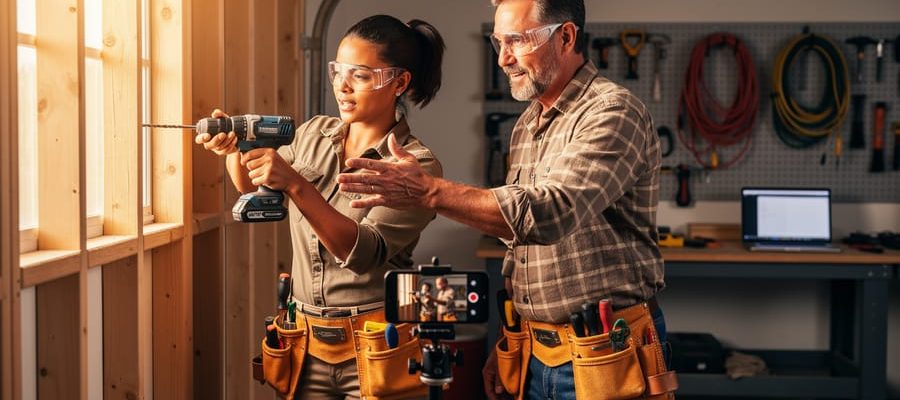
**Request a thorough equipment demonstration from yard staff.** Even experienced contractors benefit from model-specific training on controls, safety features, and troubleshooting. Take photos of pre-existing damage, verify all attachments are included, and ask about 24/7 emergency support options. Most rental yards provide free orientation to reduce accidents and ensure proper usage.
**Review insurance and liability coverage carefully.** Standard rental agreements may not cover all damage scenarios. Check whether your homeowner’s policy or contractor’s insurance extends to rented equipment, or consider purchasing the yard’s damage waiver for peace of mind on expensive machinery.
Equipment rental yards bridge the gap between project ambitions and budget realities, offering professional-grade tools without the commitment of ownership—but only when you understand how to navigate them effectively.
What Makes Equipment Rental Yards Different from Regular Tool Shops
The Basics: How Rental Yards Work
Renting equipment from a yard is straightforward once you understand the basic steps. First, browse available equipment either online or by visiting the yard in person. Many hiring businesses now offer websites where you can check availability and pricing before making the trip.
Once you’ve selected your equipment, you’ll need to provide identification and a payment method. Most rental yards require a deposit or credit card hold to cover potential damages—this is standard practice and will be refunded when you return the equipment in good condition.
During pickup, staff will walk you through the equipment’s basic operation and safety features. Don’t hesitate to ask questions—this is your opportunity to clarify how everything works. You’ll sign a rental agreement outlining your responsibilities and the return deadline.
When your project is complete, return the equipment clean and in the same condition you received it. Staff will inspect it, and assuming everything checks out, your deposit will be released. Many yards offer flexible return times, including after-hours drop-off for added convenience.
What You’ll Actually Find at a Rental Yard
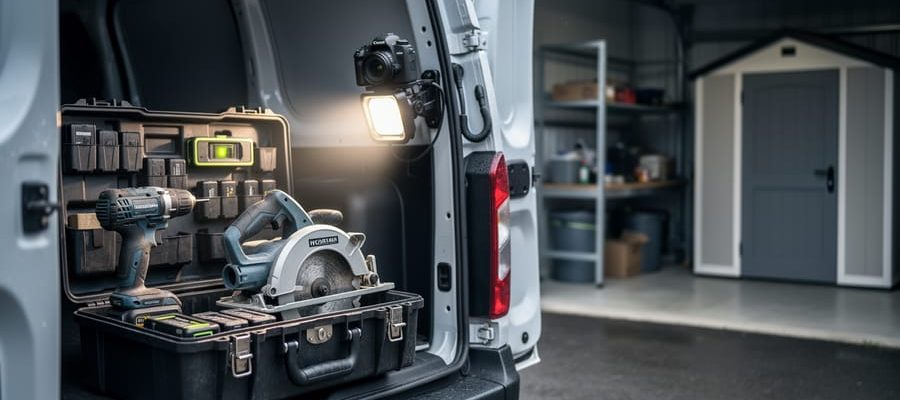
Rental yards stock an impressive range of equipment organized into several main categories. For **hand and power tools**, you’ll find everything from drills and sanders to nail guns and concrete mixers—perfect for weekend warriors tackling home improvements. **Lawn and garden equipment** includes aerators, pressure washers, stump grinders, and commercial-grade mowers that make yard work manageable without the storage commitment.
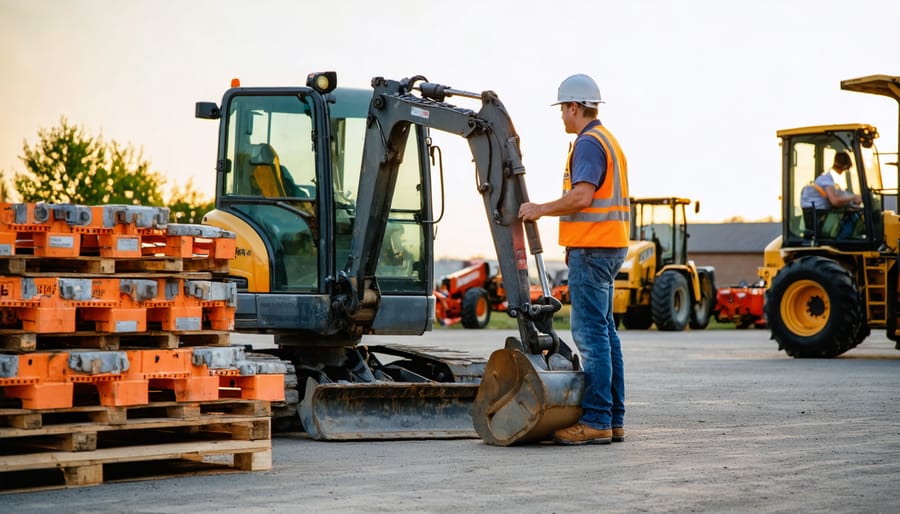
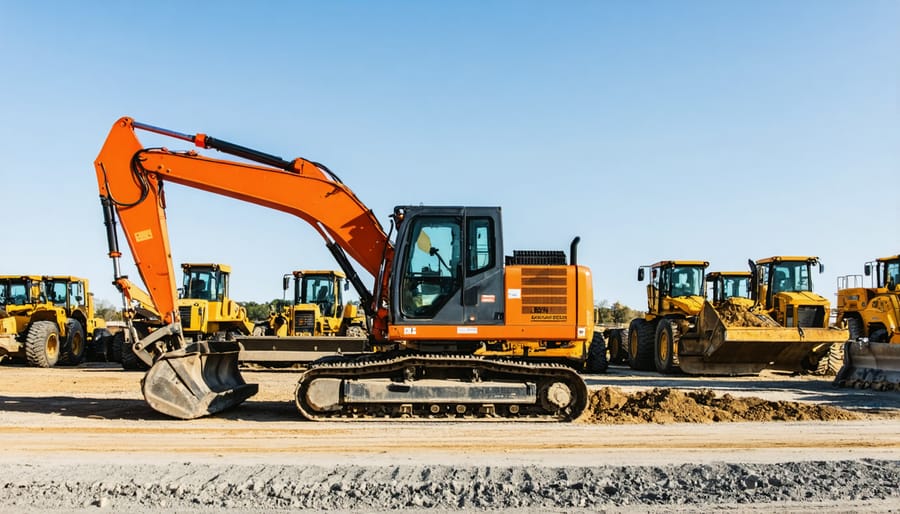
Moving up in size, **construction and earthmoving equipment** covers skid steers, mini excavators, backhoes, and telescopic forklifts used by contractors and serious DIYers alike. Don’t overlook the **specialty equipment** section, where you’ll discover floor sanders, carpet cleaners, generators, scaffolding, and party supplies like tents and tables.
Most yards also maintain **trailers and transportation equipment** for hauling your rental or moving materials. Many locations now feature online inventories with real customer reviews sharing their project experiences—a goldmine for first-timers unsure what equipment best suits their needs. Staff availability varies, but most rental yards employ knowledgeable team members who can recommend the right tool for your specific project, whether you’re renovating a bathroom or grading a driveway.
The Real Costs: When Renting Beats Buying
The One-Time Project Test
Before committing to a purchase, ask yourself: “Will I use this equipment more than once or twice?” This simple question is your starting point for the one-time project test.
Here’s the calculation framework: Take the rental cost and multiply it by the number of times you’ll realistically use the equipment in the next two years. If that total exceeds 60-70% of the purchase price, buying might make sense. Below that threshold, renting wins every time.
**Real-world example**: A concrete mixer rents for $80 per day. You’re pouring a patio—a true one-time project. Buying a decent mixer costs $600. Unless you’re planning three more concrete projects soon, rental saves you $520 plus storage headaches.
**Another scenario**: You need a pressure washer for annual deck cleaning. At $60 per rental and four uses over two years ($240), versus a $400 purchase price, you’re at the borderline. Factor in maintenance costs and storage, and rental through the share economy still edges ahead.
Community member Sarah shared: “I almost bought a tile saw for my bathroom reno. Rented for $45 instead of spending $350. Project done, money saved, garage still accessible.”
Hidden Costs Most People Forget
When comparing rental costs to ownership, many people focus only on the purchase price—but that’s just the beginning. The true cost of owning equipment includes several expenses that can quickly add up and often tip the scales in favor of renting.
**Maintenance and repairs** represent one of the biggest hidden costs. Equipment requires regular servicing, oil changes, blade sharpening, and filter replacements. When something breaks—and it will—repair bills can easily reach hundreds or thousands of dollars. One community member shared that their concrete mixer’s motor replacement cost nearly half the original purchase price.
**Storage expenses** are another factor people underestimate. Large equipment needs secure, weatherproof space. Whether you’re paying for additional garage space, a storage unit, or sacrificing valuable workspace, there’s a real cost involved. Plus, improper storage can lead to rust, degradation, and costly damage.
**Insurance coverage** for expensive equipment adds to your homeowner’s or business policy premiums. Professional-grade tools and machinery need protection against theft, damage, and liability—costs that rental yards already include in their rates.
**Depreciation** hits hard the moment you buy. Equipment loses value rapidly, especially in the first few years. When it’s time to sell or trade up, you’ll recover only a fraction of your investment.
Finally, consider **opportunity cost**—the money tied up in equipment could be earning returns elsewhere or available for other business needs. Rental yards absorb all these expenses, letting you pay only for the time you actually use the equipment.
Finding the Right Equipment Rental Yard for Your Project
Equipment Quality and Maintenance Standards
Before committing to a rental, inspect the equipment’s overall condition. Look for clean, well-organized machinery with visible service tags or maintenance stickers showing recent inspection dates. Quality rental yards keep detailed maintenance logs—don’t hesitate to ask when equipment was last serviced.
Check for obvious wear indicators: excessive rust, cracked hoses, frayed cables, or leaking fluids. Test basic functions before leaving the yard. Does the engine start easily? Do controls respond smoothly? Are safety features like guards and emergency stops intact and functional?
**Green flags** include equipment that looks clean (not just cosmetic—it shows care), clear operating instructions attached to the machine, and staff who can explain recent maintenance. Many yards now share customer reviews mentioning equipment reliability, which provides valuable real-world feedback.
**Red flags** warrant caution: staff who can’t answer maintenance questions, missing safety decals, equipment with obvious damage or makeshift repairs, and yards that rush you through the checkout process. If something feels off during inspection, request different equipment or consider another rental provider. Your project’s success—and your safety—depend on reliable, well-maintained tools.
Location, Hours, and Availability
Choosing the right rental yard starts with location—pick one within reasonable driving distance to minimize transportation costs and time. Most yards operate Monday through Saturday, with some offering extended weekday hours or Sunday availability, so confirm their schedule matches your project timeline before committing.
Reservation systems vary widely. Larger chains typically offer online booking with real-time availability checks, while smaller independent yards may prefer phone reservations. According to user feedback, booking 3-5 days ahead works well for common equipment, but popular items like excavators or specialized tools often need two weeks’ notice during peak construction season (spring through fall).
Always call to verify availability even if you’ve booked online—community reviews frequently mention discrepancies between digital systems and actual inventory. Ask about their hold policy: some yards guarantee your reserved equipment, while others operate first-come, first-served even with reservations.
Many renters recommend establishing a relationship with one yard. Regulars often get priority notification when equipment becomes available and more flexible pickup times, making your projects run smoother.
What User Reviews Actually Tell You
Customer reviews are your window into the real rental experience. Don’t just glance at star ratings—dig deeper to spot meaningful patterns. Look for repeated mentions of specific issues or praise across multiple reviews. If three different customers mention “well-maintained equipment” or “hard-to-reach staff,” you’ve found a reliable indicator.
Pay attention to how the rental platform or yard responds to negative feedback. Professional, solution-focused replies signal a business that values customer service. Generic responses or radio silence? Red flag.
Focus on recent reviews from the past 3-6 months, as management and equipment quality can change. One-star reviews often reveal deal-breakers like hidden fees or broken equipment, while five-star reviews highlight strengths like knowledgeable staff or flexible pickup times.
Watch for “verified renter” badges—these confirm actual customers rather than fake reviews. Notice the review details too: specific project mentions (like “rented a plate compactor for driveway”) carry more weight than vague praise. Reviews describing similar projects to yours offer the most valuable insights about whether this rental yard suits your needs.
Before You Show Up: Essential Preparation Steps
Documentation and Requirements You’ll Need
Before heading to your equipment rental yard, gather these essential documents to ensure a smooth checkout process. Most facilities require a valid government-issued photo ID such as a driver’s license or passport to verify your identity and age—you typically need to be 18 or older to rent.
For payment, bring a major credit card in your name. While some yards accept debit cards or cash, credit cards are often preferred because they simplify the security deposit process. Speaking of deposits, expect to provide one that ranges from $50 to several hundred dollars depending on the equipment value. This hold is released when you return the item undamaged.
Certain equipment categories require additional documentation. Power tools and general equipment usually don’t need special credentials, but aerial lifts, forklifts, and other specialized machinery may require proof of operator certification or training. Contractors should bring their business license and general liability insurance certificate—many rental yards require minimum coverage of $1 million for commercial customers.
If you’re renting a trailer or towable equipment, you’ll need proof of adequate vehicle towing capacity and potentially trailer insurance. Keep your insurance agent’s contact information handy, as the rental yard may need to verify coverage details before releasing equipment.
Questions to Ask Before You Commit
Before hiring equipment, protect yourself and your project by asking these essential questions at the rental yard:
**How do I operate this equipment safely?** Request a demonstration for unfamiliar tools. Most rental yards offer brief tutorials—don’t skip this step, even if you’re experienced. Ask about specific safety features and emergency shut-off procedures.
**What’s your damage policy?** Understand exactly what you’re liable for. Many yards offer damage waivers for a small fee. Clarify what constitutes normal wear versus damage, and whether you need your own insurance coverage.
**What fuel or power does it require?** Some equipment comes fueled; others don’t. Know whether you need regular or premium fuel, two-stroke mix, or if battery-powered models come fully charged. This prevents project delays.
**What happens if it breaks down?** Ask about their after-hours support number and replacement policies. Will they deliver a replacement at no charge? What’s the response time?
**Are accessories and safety gear included?** Confirm what comes with your rental—extension cords, bits, blades, safety glasses, or hearing protection. Bundled packages often save money and trips.
**Can I extend my rental period?** Understand the process for extensions and associated costs. Knowing this upfront prevents stress if your project takes longer than planned. Community reviews often highlight which yards offer flexible terms and responsive customer service.
Getting the Most from Your Rental Period
Inspection at Pickup: Protect Yourself
Before leaving the rental yard, protect yourself by thoroughly inspecting and testing your equipment. This critical step prevents disputes about pre-existing damage and ensures you’re not charged for issues you didn’t cause.
**Document the Condition:** Walk around the equipment with your phone and take photos or video of all sides, focusing on any scratches, dents, or worn areas. Capture serial numbers and hour meters. Many experienced renters shared that timestamped photos saved them from unfair damage charges.
**Test Every Function:** Don’t assume it works perfectly. Start the engine, test all controls, check fluid levels, and verify safety features like brakes and emergency stops. For power tools, run them briefly to confirm proper operation. If something feels off, report it immediately.
**Request a Demonstration:** Never hesitate to ask yard staff to show you proper operation, especially for unfamiliar equipment. Understanding controls, maintenance requirements, and shutdown procedures prevents costly mistakes and safety incidents.
**Review the Checklist Together:** Go through the rental agreement’s condition checklist with staff present. Note every imperfection in writing. Both parties should initial the document. This shared documentation creates accountability and protects you from questionable claims when you return the equipment.
Avoiding Common Extra Charges
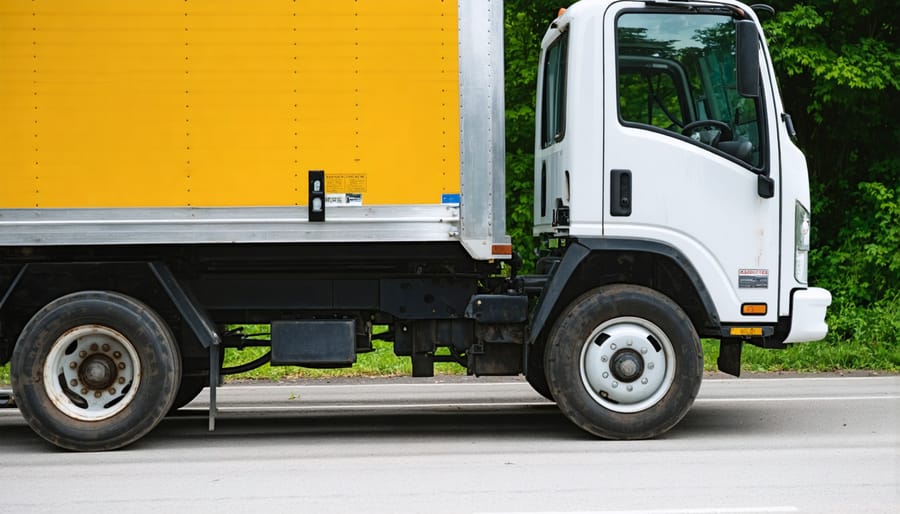
Protect your wallet by inspecting equipment thoroughly before leaving the yard—document any existing damage with photos on your phone. Return items clean and in the same condition you received them; most yards charge hefty cleaning fees for equipment caked in mud or debris. Set phone reminders for return times, as late fees typically kick in by the hour and add up quickly. Ask about grace periods when picking up your rental. Review the rental agreement carefully to understand what’s included in daily rates versus what triggers extra charges, like fuel refills or consumables. Many experienced renters in our community recommend purchasing optional damage waivers for expensive equipment, especially if you’re using it for the first time. Always clarify whether you need to return equipment with a full fuel tank—this simple question prevents surprise refueling charges. Finally, communicate immediately if you anticipate keeping equipment longer than planned; yards often offer better extension rates than late fees.
Safety Essentials Every Renter Must Know
Before you power up any rented equipment, understanding basic safety protocols can prevent injuries and equipment damage. Rental yards take safety seriously, and so should you—regardless of your experience level.
**Personal Protective Equipment (PPE) is Non-Negotiable**
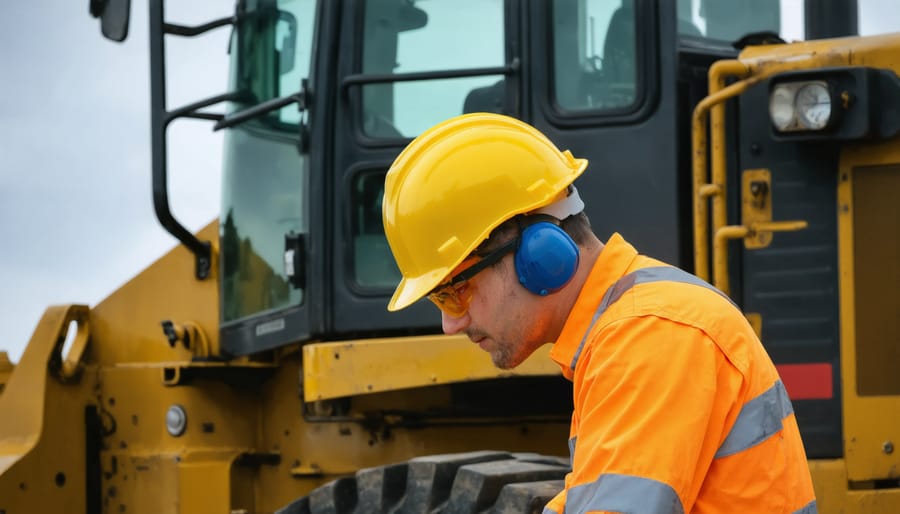
Always wear appropriate gear for your specific equipment. At minimum, this includes safety glasses, work gloves, closed-toe boots, and hearing protection for loud machinery. Ask the rental staff which additional PPE your project requires—they’ve seen it all and can recommend the right protection. Many rental yards sell or provide basic PPE if you’re missing essential items.
**Operational Safety Starts Before You Begin**
Never skip the equipment demonstration at the rental counter. Watch carefully, ask questions, and request a second walkthrough if needed. Inspect equipment before leaving the yard—check for visible damage, test all safety features, and ensure guards and shields are properly installed. Understand emergency shut-off procedures for every piece of equipment you rent.
**Know Your Limits and Emergency Contacts**
If something feels wrong during operation—unusual noises, vibrations, or performance issues—stop immediately and contact the rental yard. Keep their emergency number saved in your phone. According to user feedback from experienced renters, the most common mistake is pushing through problems instead of seeking guidance. Remember, rental staff would rather troubleshoot issues than deal with damaged equipment or, worse, injuries. When in doubt, stop and call.
What to Do When Something Goes Wrong
Equipment malfunctions happen, but knowing how to respond makes all the difference. If your rented equipment breaks down or stops working properly, stop using it immediately to prevent further damage or injury. Never attempt repairs yourself—this typically violates rental agreements and can void insurance coverage.
Contact the rental yard right away. Most facilities have emergency hotlines available during and after business hours. Describe the problem clearly, noting any unusual sounds, smells, or performance issues. The staff will walk you through basic troubleshooting steps or arrange for a replacement.
For minor issues like a dead battery or empty fuel tank, the yard may guide you through a simple fix. More serious malfunctions usually require equipment exchange at no additional cost, provided you followed operating instructions.
In case of accidents causing property damage or injury, document everything with photos and contact information from any witnesses. Notify the rental yard immediately, even if damage seems minimal. Review your rental agreement to understand your liability coverage—many renters don’t realize they’re protected for certain incidents.
Keep all receipts and communication records. Most yards appreciate customers who report problems promptly rather than returning damaged equipment without explanation. This transparency helps them maintain their fleet and often results in waived fees when issues weren’t your fault.
Equipment rental yards offer a smart, cost-effective solution for tackling projects of any size without the commitment of purchasing expensive tools. Whether you’re a weekend DIYer upgrading your home or a professional managing multiple job sites, rental yards provide access to quality equipment exactly when you need it. You’ll save on storage space, avoid maintenance headaches, and always have the right tool for the job.
Ready to start your first rental? Begin by browsing available equipment listings in your area and reading community reviews from users who’ve rented the same tools. Their real-world experiences will help you choose the perfect equipment and rental provider for your specific needs. Don’t hesitate to ask questions or request a demonstration—rental yard staff are there to ensure you feel confident operating the equipment safely and efficiently. Your next project is just a rental away.
Related Posts