Buying a home is a big step, so it is important to understand the property before making a commitment. A home inspection helps you spot potential problems, learn the true condition of the house, and avoid costly surprises after moving in.
It also helps you decide if the asking price is fair. Some issues may be small, while others could require major repairs. With a good checklist, you can review the home clearly and confidently. The goal of an inspection is to help you make a smart decision. By focusing on the right details, you can protect your investment and choose a home that suits your needs long-term.
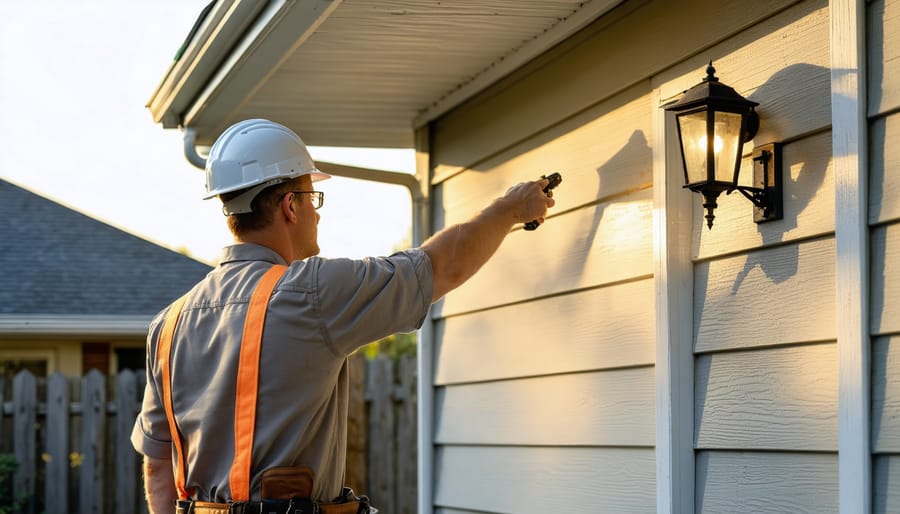
Start by examining the outside of the home. Look closely at the walls, roof, gutters, windows, and doors. Cracks, missing shingles, peeling paint, or damaged gutters may indicate that the home has not been maintained regularly. The exterior often gives the first clues about the property’s overall condition.
Outdoor spaces also matter. Check the driveway, fencing, drainage, and garden structures. Poor drainage can lead to water pooling near the foundation, which may cause serious damage over time. Simple observations during the exterior inspection can help you identify repairs that may be needed in the near future.
Inspect the Roof and Foundation
Roofs and foundations are two of the most important structural components of a home. Look for visible roof damage, sagging areas, broken tiles, or dark spots that could indicate leaks. If possible, ask when the roof was last repaired or replaced.
Foundation issues can be expensive to fix, so take time to look for cracks, uneven floors, sticking doors, or gaps in window frames. These may signal settling or shifting. While some minor cracks can be normal, larger or widening ones may require professional evaluation. Understanding these signs early can save you from costly repairs in the future.
Examine the Interior Walls, Floors, and Ceilings
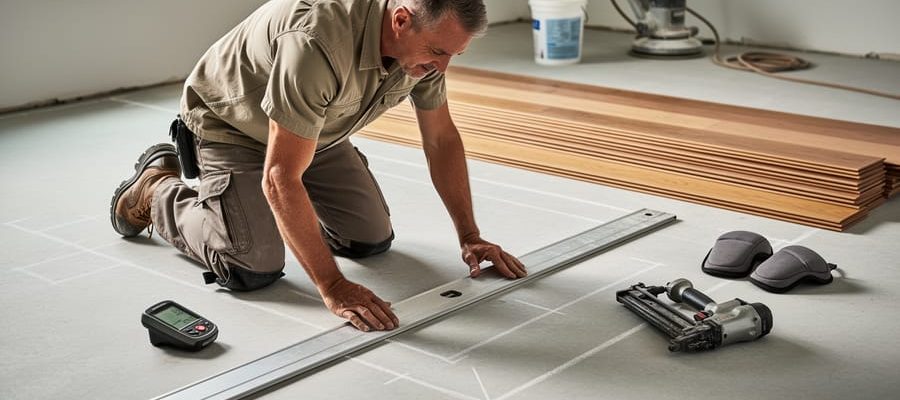
Inside the home, pay attention to the condition of surfaces. Stains on ceilings may indicate hidden leaks. Cracks in walls could signal structural movement, and uneven flooring might point to foundation or moisture issues. These details can help you determine whether the home has been maintained properly.
It is also helpful to check the home’s ventilation. A space that feels overly humid or has a musty smell may have poor airflow or hidden moisture problems.
Review Major Systems and Appliances
A home is more than just its structure. The electrical, plumbing, and heating systems all contribute to comfort and safety, so it is important to check their condition carefully. Ask about the age of the furnace, water heater, and cooling systems, since older units may need replacement soon and could affect your future budget.
Turn on lights, faucets, showers, and appliances to ensure everything works as it should. If you have been comparing different types of properties during your search, this is also a good time to notice how homes are maintained in general. For example, buyers who have looked at houses for rent in Sanctuary Point often gain a useful understanding of standard maintenance levels in the area, which can help them evaluate potential homes more confidently. Check under sinks for leaks, test electrical outlets, and make sure the water pressure is strong.
Look for Signs of Moisture or Mold
Moisture problems are among the most common issues found during home inspections. Mold can grow in damp, unventilated spaces and may cause health concerns if left untreated. Check areas like basements, bathrooms, kitchens, and laundry rooms for any signs of mold or mildew.
Use your senses during the inspection. A musty smell, peeling paint, or bubbling walls can signal hidden moisture. If you notice any signs, it is worth asking when the area was last inspected or repaired. Solving moisture problems early is much easier and cheaper than addressing them after they spread.
Test Doors, Windows, and Insulation
Doors and windows may seem minor, but they play a big role in energy efficiency and home security. Make sure they open and close smoothly and check for drafts or gaps. Older windows may need replacement, which can impact your long-term costs.
Insulation is another key area. Proper insulation helps regulate indoor temperature and reduces energy bills. If possible, ask the seller how well the home is insulated and whether any upgrades have been made.
Evaluate Safety Features
Safety should always be a priority when inspecting a home. Check smoke detectors, carbon monoxide detectors, security systems, and outdoor lighting. Ensure handrails, staircases, and walkways are stable and safe.
If the home has a pool, shed, or workshop, make sure these areas meet safety standards. Understanding these details ahead of time helps you plan necessary improvements and ensures the property is safe for everyone in your household.
Related Posts