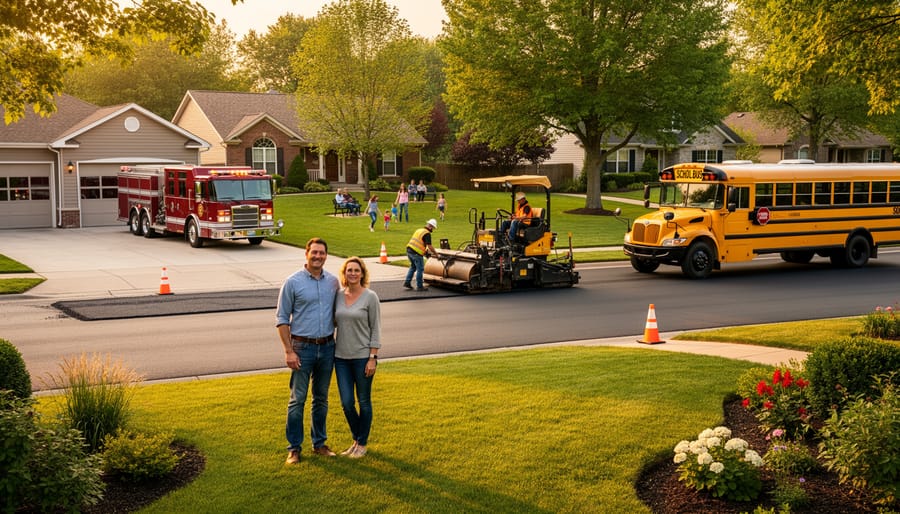
Property taxes fund the essential services and infrastructure that keep your neighborhood running smoothly every single day. When you write that check to your local council, your money directly supports public schools where your children learn, maintains the roads you drive on to work, pays firefighters and police officers who protect your community, and operates libraries, parks, and recreational facilities your family enjoys. Most homeowners pay thousands annually in property taxes, yet few understand exactly where this significant expense goes or how their local government allocates these funds.
Understanding property taxes empowers you to see the direct connection between your tax bill and the quality of life in your area. Schools typically receive the largest portion of property tax revenue, followed by emergency services, road maintenance, waste collection, and community programs. Your local council is legally required to provide a detailed breakdown of spending categories, and reviewing this information helps you evaluate whether you’re getting fair value for your investment. This guide breaks down each spending category in plain language, shows you how to read your tax statement, and explains how local governments determine funding priorities based on community needs.
The Breakdown: Where Every Dollar of Your Property Tax Goes
Public Education and Schools
The largest chunk of your property tax bill—typically 50-60% or more—goes directly to funding your local public schools. This isn’t just abstract government spending; it’s the financial backbone supporting education in your neighborhood.
Here’s where that money actually goes: A significant portion covers teacher and staff salaries, ensuring qualified educators show up every day. Another major expense is building maintenance and repairs—think replacing worn-out roofs, fixing HVAC systems, and updating aging electrical infrastructure. These aren’t unlike the maintenance projects you tackle at home, just on a much larger scale. Schools also use property taxes to purchase textbooks, computers, lab equipment, and transportation services like buses.
Many homeowners don’t realize the direct connection between school funding and their own property values. Communities with well-funded schools consistently see higher home values and faster appreciation rates. Real estate agents will tell you that the quality of local schools is often the first question buyers ask. When you pay property taxes, you’re essentially investing in your community’s educational infrastructure, which protects and enhances your property’s worth.
Your school district’s budget is typically public information, so you can see exactly how your dollars are allocated. Most districts publish detailed annual reports showing spending breakdowns by category. This transparency lets you understand whether your tax dollars are going toward classroom instruction, building projects, or administrative costs—giving you the full picture of how your investment supports local education.
Local Infrastructure and Road Maintenance
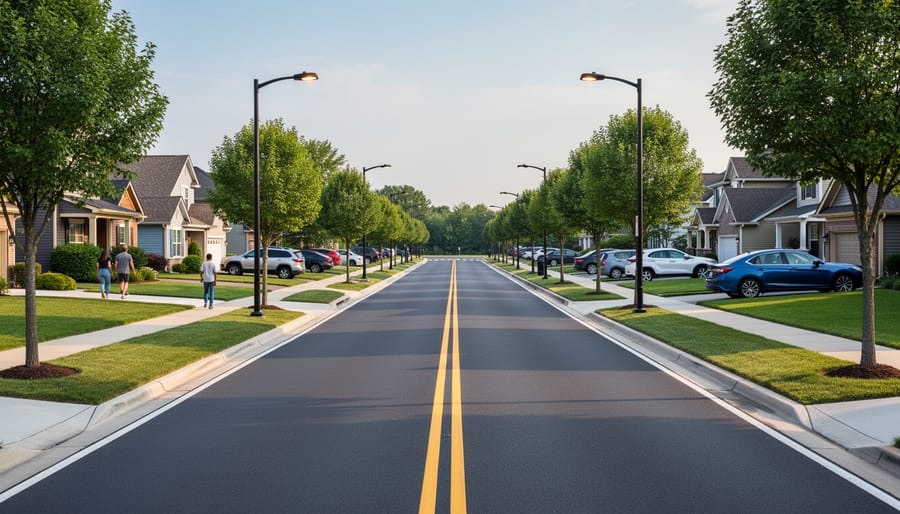
A significant portion of your property tax dollars goes directly into maintaining the roads you drive on and the infrastructure that keeps your neighborhood functioning smoothly. This includes everything from repaving residential streets to fixing potholes that damage your vehicle’s suspension.
Your local government uses these funds to maintain sidewalks where you walk your dog, repair cracked curbs, and replace aging storm drains that prevent flooding during heavy rains. Street lighting that helps you navigate safely at night also comes from this budget, including the electricity costs and bulb replacements.
You’ll notice these tax dollars at work when crews resurface your street, install new stop signs at intersections, or upgrade traffic signals for better flow. Winter maintenance like snow plowing and salting icy roads also falls under this category, keeping your commute safer during harsh weather.
Drainage systems represent another critical investment. Property taxes fund the underground pipes and catch basins that channel rainwater away from homes, preventing basement flooding and water damage. When storm drains get clogged with debris, municipal workers clear them using equipment purchased through tax revenue.
These improvements directly impact your property value. Well-maintained roads and functional infrastructure make neighborhoods more attractive to buyers, meaning your tax investment helps protect your home’s worth while ensuring daily convenience and safety.
Emergency Services: Fire and Police Protection
A significant portion of your property taxes directly funds the emergency services that protect your home and family. When you call 911, property tax dollars ensure help arrives quickly—whether that’s firefighters, police officers, or paramedics.
Fire departments rely heavily on property tax funding to maintain fire stations, purchase and maintain fire trucks and equipment, and pay firefighter salaries. This includes everything from basic fire suppression gear to specialized rescue tools used during emergencies. Many communities also use these funds to provide fire safety education programs and conduct regular inspections of public buildings.
Police protection represents another major expense covered by property taxes. Your tax dollars fund officer salaries, patrol vehicles, communications equipment, and training programs. This investment keeps officers equipped with modern tools like body cameras, updated dispatch systems, and crime prevention technology that helps keep neighborhoods safe.
Emergency medical services, including ambulances and first responders, also depend on property tax funding in many areas. These services ensure medical help reaches you quickly during health emergencies, accidents, or natural disasters.
Think of it this way: every time you see a fire station in your neighborhood or a police officer on patrol, you’re seeing your property tax dollars at work. These services operate around the clock, providing peace of mind that help is available whenever you need it most.

Public Works and Utilities
A significant portion of your property taxes keeps essential utilities and services running smoothly in your home and neighborhood. When you turn on your tap for a glass of water, your property taxes have helped fund the treatment plants, pumping stations, and miles of underground pipes that deliver clean water to your faucet. Similarly, when you flush a toilet or wash dishes, those same taxes support the sewage treatment facilities that safely process wastewater.
Your property tax dollars also cover waste management services, including regular trash pickup, recycling programs, and hazardous waste disposal sites. These services protect public health and keep communities clean. Many municipalities use these funds to maintain storm drains and manage stormwater systems, which prevent flooding during heavy rains and protect your property from water damage.
Street maintenance falls under this category too. Property taxes repair potholes, resurface roads, maintain streetlights, and clear snow in winter. These infrastructure investments directly affect your daily commute and the condition of your vehicle. Understanding where your money goes helps you recognize the value of these services. Next time you enjoy clean drinking water or drive on well-maintained roads, remember that your property taxes make these conveniences possible.
Parks, Recreation, and Community Facilities
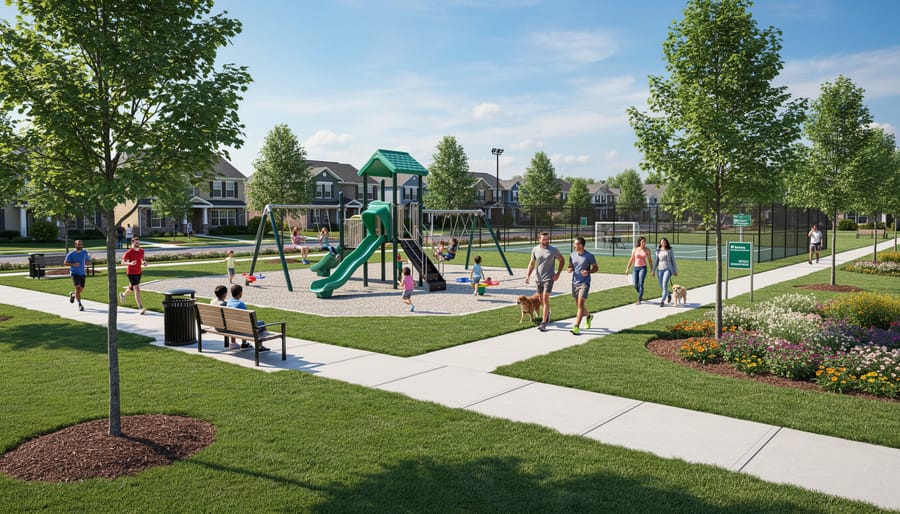
Your property tax dollars fund the green spaces and gathering places that make your neighborhood feel like home. Local parks, playgrounds, and recreational facilities rely heavily on property tax revenue for maintenance, improvements, and daily operations. This includes everything from mowing grass and repairing playground equipment to updating walking trails and maintaining sports fields where your kids play soccer on weekends.
Community centers offer affordable programs like youth sports leagues, fitness classes, and summer camps that keep families active and connected. Public libraries, also funded through property taxes, provide free access to books, digital resources, meeting spaces, and educational programs for all ages. These facilities often serve as community hubs where neighbors gather, learn new skills, and share knowledge—much like the community-driven reviews that help people make informed decisions about tools and projects.
Property taxes also support swimming pools, senior centers, and cultural programs that enhance quality of life across different age groups and interests. When you visit your local park or check out books at the library, you’re seeing your tax dollars at work creating accessible spaces that benefit everyone in your community.
How Property Taxes Impact Your Home and Neighborhood
The Connection Between Taxes and Property Values
Here’s a perspective many homeowners overlook: property taxes aren’t just an expense—they’re actually an investment in your home’s future value. When your property taxes fund quality schools, well-maintained roads, and reliable public services, they directly increase home values in your neighbourhood.
Think about it this way: buyers actively seek areas with top-rated schools and modern infrastructure. A community with smooth streets, updated public facilities, and low crime rates commands higher property prices than one with deteriorating conditions. Whether you’re considering an investment property or planning to sell your current home, these tax-funded improvements work in your favour.
Real estate data consistently shows that homes in well-funded districts sell faster and for more money. Every dollar spent on community improvements creates a ripple effect that can boost your property’s value over time. While the quarterly tax bill might sting, remember you’re contributing to the very factors that make your property desirable to future buyers and enhance your neighbourhood’s overall appeal.
What Poor Tax Funding Means for Homeowners
When property tax revenue falls short, homeowners feel the impact directly in their daily lives. Underfunded road maintenance means more potholes and cracked pavement, which can damage your vehicle’s suspension and tires—repairs that come out of your pocket. You might notice streetlights staying dark longer or parks becoming overgrown and neglected.
Emergency services suffer too. Reduced funding can mean fewer firefighters and EMTs on duty, leading to slower response times when you need help most. Police patrols may decrease, potentially affecting neighborhood safety and security.
Schools face tough choices, cutting programs, increasing class sizes, or deferring building maintenance. These changes directly affect your children’s education quality and, importantly, your home’s value. Properties in areas with poorly funded services typically see slower appreciation or even declining values. When potential buyers compare neighborhoods, they look at school ratings, road conditions, and local amenities—all funded by property taxes. Poor tax funding creates a cycle: deteriorating services make areas less desirable, which can lower property values and further reduce tax revenue. Understanding this connection helps homeowners recognize why adequate property tax funding matters beyond the bill itself.
Understanding Your Property Tax Bill
Your property tax statement might look overwhelming at first glance, but breaking it down makes it easier to understand exactly where your money goes. Think of it like reading a detailed receipt for your community services.
Start with the top section, which typically shows your property’s assessed value. This is what your local government determines your home is worth for tax purposes, which may differ from its market value. Below that, you’ll find the tax rate, often expressed as a percentage or per $1,000 of assessed value.
The main body of your statement lists individual line items for each taxing district. You’ll usually see separate amounts for schools, county services, city or town services, and special districts like libraries or fire protection. Some statements show these as percentages, making it easy to see that schools often receive 40-60% of your total payment.
Many statements include a year-over-year comparison showing how your bill changed from the previous year. This helps you track increases and understand trends in your local spending.
To dig deeper into how these funds are spent, visit your local government’s website. Most municipalities now publish detailed budgets online, showing exactly how much goes to teacher salaries, road maintenance, or emergency equipment. Your county assessor’s office can also explain how your assessed value was calculated and answer questions about specific line items.
Keep your statement handy throughout the year as a reference point when you see community improvements happening around you.
How Local Decisions Affect Your Tax Dollars
Your property tax dollars don’t disappear into a black box. Local governments operate on transparent budgets that you can access, review, and influence. Understanding this process puts you in the driver’s seat when it comes to community spending priorities.
Most municipalities publish their annual budgets online, breaking down exactly how property tax revenue gets allocated. These documents show spending by department and often include historical comparisons. Your city or county website typically hosts these reports in a “Budget & Finance” or “Transparency” section.
Local governments hold public budget hearings, usually in the spring or early summer before the fiscal year begins. These meetings are open to all residents and provide opportunities to ask questions, voice concerns, and suggest priorities. Check your municipality’s website or local newspaper for meeting schedules and agendas.
You can make your voice heard through several channels. Attend town council or county commission meetings where budget decisions happen. Many communities now offer virtual attendance options, making participation easier than ever. Submit written comments during public comment periods if you can’t attend in person. Join neighborhood associations or community groups that advocate for local priorities like infrastructure improvements or education funding.
Some municipalities conduct resident surveys about budget priorities, giving you direct input into spending decisions. Follow local government social media accounts to stay informed about upcoming decisions affecting your tax dollars. Remember, elected officials work for you, and your feedback genuinely matters in shaping how your community invests property tax revenue.
Common Questions Homeowners Ask About Property Tax Use
Let’s address some practical questions homeowners frequently ask about property taxes:
Do property taxes fund home improvement grants or rebates?
Sometimes, yes. Many local governments allocate a portion of property tax revenue to community development programs, which can include home rehabilitation grants, weatherization assistance, or first-time homeowner programs. Contact your city or county housing department to learn what programs are available in your area. Some municipalities also offer tax rebates for energy-efficient home improvements or accessibility modifications.
How can I verify my property taxes are being spent properly?
Most local governments publish annual budgets and financial reports online. Start by visiting your city or county website and look for the finance or treasurer’s department page. Many communities hold public budget hearings where residents can ask questions and review spending plans. You can also request itemized budget reports through public records requests. Community-driven oversight, including attending town hall meetings and reviewing independent audits, helps ensure accountability.
What happens if I don’t pay my property taxes?
Unpaid property taxes trigger a series of consequences that escalate over time. Initially, you’ll receive notices and accumulate interest charges and penalties. After several months of non-payment, a tax lien may be placed on your property, which affects your credit and ability to sell or refinance. Eventually, local authorities can foreclose on your home through a tax sale. If you’re struggling to pay, contact your local tax assessor immediately. Many jurisdictions offer payment plans, hardship exemptions, or deferral programs for qualifying homeowners, especially seniors or those facing temporary financial difficulties.
Understanding where your property taxes go transforms an annual bill from a frustrating expense into a clearer picture of community investment. Your dollars directly fund the essential services you use daily—from the roads you drive on to the schools educating neighborhood kids, from fire protection keeping your home safe to parks where you relax on weekends.
As a homeowner, staying informed about your local budget isn’t just good practice—it’s empowering. Review your municipality’s annual budget reports, attend town hall meetings, or check your local government’s website to see exactly how funds are allocated in your area. This knowledge helps you make informed decisions at the ballot box, understand why tax rates change, and appreciate the value you’re receiving.
Being an engaged community member means knowing where your money goes and having a voice in how it’s spent. This awareness makes you not just a smarter homeowner, but an active participant in building the community you want to live in.
Related Posts