

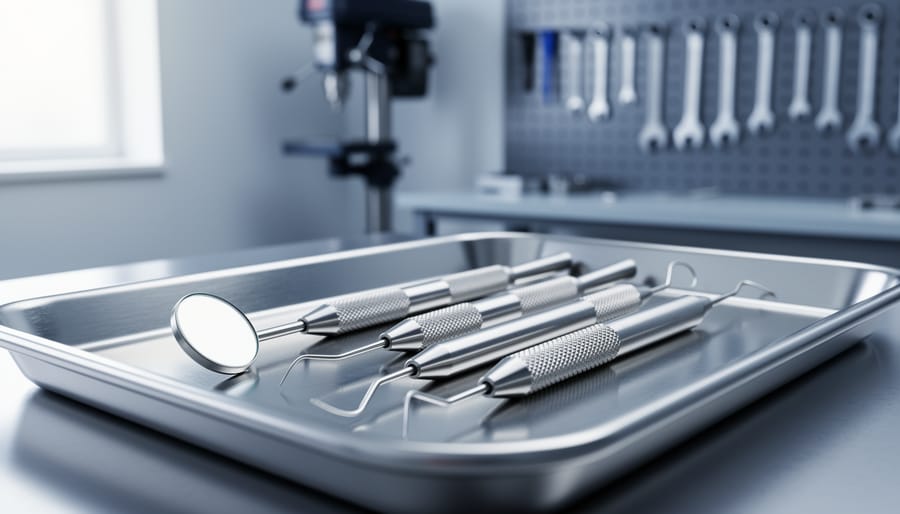
Your teeth and gums function like precision tools in your workshop—they require regular maintenance, proper care, and professional inspection to perform reliably for decades. Just as you wouldn’t skip routine equipment servicing, comprehensive dental health involves preventive care that catches small problems before they become expensive emergencies.
Comprehensive dental health services encompass everything from routine cleanings and X-rays to restorative procedures like fillings, crowns, and root canals. These services also include periodontal care for gum disease, orthodontics for alignment issues, and oral cancer screenings. Think of it as a complete maintenance package rather than waiting until something breaks down completely.
The difference between basic and comprehensive care mirrors the gap between owning a single screwdriver versus having a fully stocked toolbox. Basic dental visits focus solely on cleaning and cavity checks, while comprehensive services address your entire oral health system—examining jaw alignment, checking for signs of grinding, assessing gum recession, and identifying issues that could affect your overall health.
Most people discover too late that dental problems rarely resolve themselves. A small cavity left untreated becomes a root canal. Ignored gum inflammation progresses to bone loss. The preventive approach costs significantly less in both time and money than emergency repairs, much like regular equipment maintenance prevents costly breakdowns on job sites.
Understanding what comprehensive dental health includes empowers you to make informed decisions about providers, insurance coverage, and your long-term oral health strategy.
What Comprehensive Dental Health Actually Means
The Full-Service Approach to Oral Care
Think of comprehensive dental health services like visiting a complete tool hire centre rather than a specialty shop. Just as successful hiring businesses stock everything from basic drills to specialized equipment, a comprehensive dental practice offers preventive care, restorative treatments, cosmetic procedures, and emergency services all in one location.
This full-service approach eliminates the hassle of coordinating between multiple specialists. Instead of booking appointments at different offices for a cleaning, filling, and teeth whitening, you work with a single team who understands your complete dental history. They maintain your records, track your progress, and ensure all treatments work together seamlessly.
The benefits mirror why you’d choose a comprehensive tool supplier. You save time on travel and coordination, build relationships with providers who know your needs, and avoid compatibility issues that arise when different practitioners work independently. Your dental team can spot problems early during routine visits and address them before they require extensive work elsewhere. This integrated approach typically results in better outcomes, lower overall costs, and significantly less stress than managing fragmented care across multiple locations.
Prevention vs. Emergency Repairs
Just as you wouldn’t wait for your power drill to seize up before changing its brushes, your teeth deserve the same forward-thinking approach. Think about equipment maintenance: regular servicing costs a fraction of what you’d pay for emergency repairs or total replacement.
The same principle applies to dental health. A routine cleaning and check-up might cost $150-250, while an emergency root canal can easily exceed $2,000. Regular preventive visits catch small cavities before they become major problems, just like inspecting your circular saw blade prevents kickback incidents.
Beyond cost savings, consider the downtime factor. When your compressor fails mid-job, you lose productive hours and potential income. Similarly, a dental emergency means missed work days, pain, and disrupted schedules. Preventive care keeps you operational and productive.
Community feedback from tradespeople consistently shows that those who schedule bi-annual dental visits report fewer emergency situations and lower overall dental costs over time, mirroring the proven benefits of maintaining tools before they break down.
Why Tradespeople and DIYers Need Better Dental Access
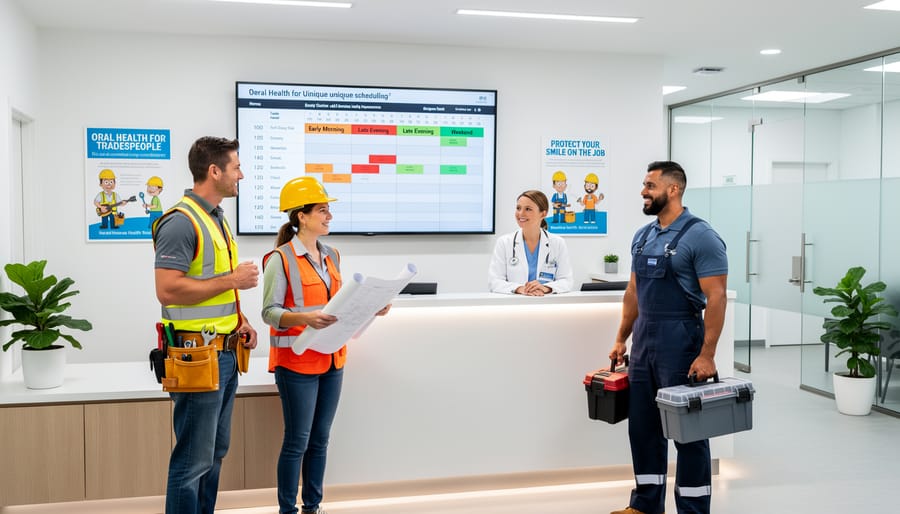
Occupational Hazards You’re Ignoring
Your trade comes with dental risks that most workers don’t consider until problems arise. Understanding these hazards is essential for protecting your oral health while on the job.
Dust exposure ranks among the most significant concerns in construction and renovation work. Silica dust, sawdust, and drywall particles don’t just affect your lungs—they settle in your mouth, creating an abrasive environment that wears down tooth enamel and irritates gums. This constant exposure can accelerate tooth decay and contribute to gum disease if proper protection isn’t used.
Concentration-related teeth grinding, known as bruxism, affects many tradespeople during precision work. When you’re focusing on detailed cuts, measurements, or installations, jaw clenching becomes an unconscious habit. Over time, this grinds down teeth, causes jaw pain, and can crack fillings or crowns. Many workers don’t realize they’re doing it until dental damage appears.
Physical injuries pose direct threats to dental health. Flying debris, accidental tool impacts, or slips with materials in hand can chip, crack, or knock out teeth entirely. According to dental professionals, workplace injuries account for thousands of emergency dental visits annually.
Protecting your dental health is as crucial as maintaining your equipment. Just as you wouldn’t skip safety gear for dangerous tasks, dental protection deserves the same attention. Consider this part of your overall workplace well-being strategy. Use dust masks rated for fine particles, invest in a custom mouthguard for grinding, and wear appropriate face protection during high-risk tasks.
The Real Cost of Dental Downtime
Dental emergencies don’t wait for convenient times, and for tradespeople, the timing can hit your wallet hard. Think about it this way: when a critical power tool breaks mid-job, you lose billable hours. The same applies to your teeth.
Consider Mark, a plumber who ignored a nagging toothache for weeks. When an abscess finally forced him to the emergency dentist, he missed three days of work on a bathroom renovation project. That’s three days without income, a delayed project timeline, and a frustrated client who had to reschedule their own plans. Emergency dental work also typically costs 2-3 times more than preventive care.
For self-employed tradespeople, dental downtime means no safety net. You’re not just dealing with pain and dental bills—you’re losing the income you’d earn during recovery. A root canal might sideline you for a day or two, while an extraction could mean limited speaking ability for client calls or physical discomfort that makes focusing on detailed work nearly impossible.
Regular dental checkups catch problems early, just like routine equipment maintenance prevents costly breakdowns. Scheduling preventive visits during slower work periods protects both your health and your income stream.
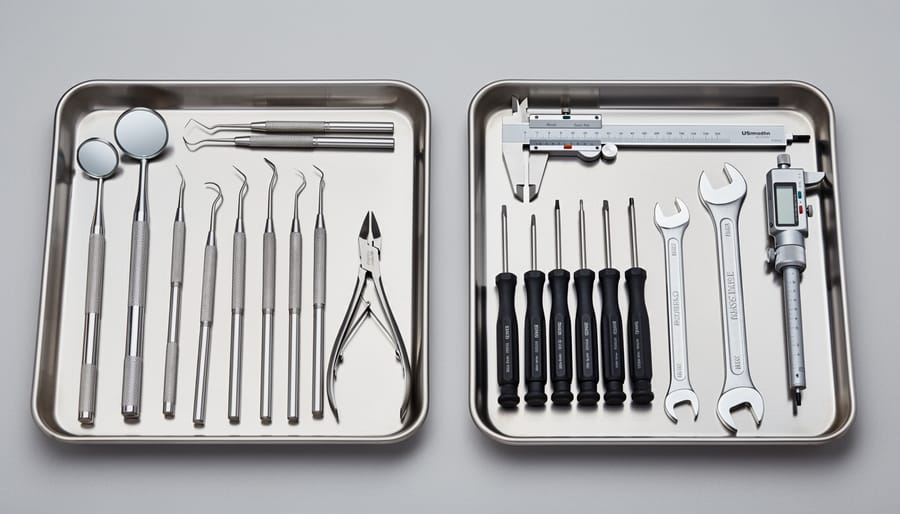
Essential Components of Comprehensive Dental Services
Preventive Care and Routine Maintenance
Think of preventive dental care as the scheduled maintenance you’d perform on valuable equipment. Just as you wouldn’t wait for your power tools to fail before servicing them, regular dental checkups catch small issues before they become major problems.
Professional cleanings remove built-up plaque and tartar that daily brushing can’t eliminate, similar to how you’d deep-clean equipment to prevent corrosion and wear. These typically happen every six months and take about an hour. Your dental hygienist uses specialized tools to access hard-to-reach areas, much like using the right attachment for detailed maintenance work.
Routine examinations allow your dentist to inspect for cavities, gum disease, and other concerns. This visual inspection is comparable to checking your tools for damage or wear patterns before they affect performance.
X-rays serve as diagnostic imaging, revealing hidden problems beneath the surface. Just as thermal imaging might detect electrical issues you can’t see, dental X-rays identify decay between teeth or problems with tooth roots and jawbone health.
Oral cancer screenings are also part of preventive visits, checking for abnormal tissues. These quick examinations can detect serious conditions early when treatment is most effective, protecting your overall health beyond just your teeth.
Restorative and Repair Services
Think of restorative dental services as your mouth’s repair shop. Just like fixing a cracked foundation or replacing worn-out parts in your workshop, these treatments address existing damage to get your teeth back in working order.
Fillings are the most common repair, similar to patching a hole in drywall. When decay creates a cavity, your dentist removes the damaged material and fills the space with composite resin, amalgam, or other materials. It’s a straightforward fix that prevents minor damage from becoming major problems.
Crowns act like protective caps over severely damaged teeth, much like reinforcing a weakened beam with metal brackets. They’re custom-made to fit over the entire visible portion of a tooth, restoring both function and appearance.
Root canals have an intimidating reputation but they’re essentially deep-cleaning procedures. When infection reaches the tooth’s inner pulp, your dentist removes the damaged tissue, disinfects the area, and seals it up. Think of it as removing rot from wood before it spreads further.
Other restorative work includes bridges to replace missing teeth and dental implants that serve as permanent anchors. The key is addressing problems early before they require more extensive repairs, just as you’d fix a small leak before it causes water damage.
Emergency and Same-Day Services
Just as you wouldn’t wait until a pipe bursts to find a plumber’s number, having access to emergency dental services prevents small problems from becoming major crises. Dental emergencies—like knocked-out teeth, severe infections, or broken crowns—require immediate attention, often within hours to save the tooth or prevent complications.
Think of emergency dental access like having a backup tool when your primary equipment fails mid-project. The right response time makes all the difference. A comprehensive dental practice should offer same-day appointments for urgent issues and clear after-hours contact information. Many practices now provide dedicated emergency slots each day, similar to how rental centers keep reserve equipment for unexpected needs.
When evaluating dental providers, ask about their emergency protocols: What constitutes an emergency? How quickly can they see you? Do they have weekend availability? Community reviews often highlight how practices handle urgent situations—these real experiences from other patients can guide your choice. Knowing you have reliable emergency access provides peace of mind, letting you focus on prevention while staying prepared for the unexpected.
How to Choose the Right Comprehensive Dental Provider
Check the Service Range (Like Reading a Tool Catalog)
When you’re browsing for a power tool hire shop, you want one location that stocks everything from drills to concrete mixers, saving you multiple trips. The same logic applies to dental care. A comprehensive dental practice should offer a wide service range under one roof, from routine cleanings and fillings to more specialized treatments like root canals, crowns, and extractions.
Before committing to a dental provider, verify what services they handle in-house versus what requires referrals to specialists. One-stop service matters because it means better coordination of your care, consistent quality standards, and familiarity with your dental history across all treatments. You’ll avoid the frustration of being bounced between different offices, repeating your medical history multiple times, and dealing with communication gaps between providers.
Ask upfront about their capabilities. Do they offer emergency appointments? Can they perform cosmetic procedures if needed? What about orthodontics or oral surgery? A truly comprehensive practice minimizes the need for external referrals, giving you convenience and continuity. Community reviews often highlight whether practices deliver on their promised service breadth, so check what other patients report about their actual experience accessing different treatments at the same location.
Read Reviews and Community Feedback
Just as you’d check star ratings and user reviews before hiring equipment, reading patient feedback is essential when choosing a dental practice. Community-driven reviews provide real insights into what you can expect from a clinic’s service, professionalism, and treatment outcomes.
Start by exploring multiple review platforms including Google, Facebook, and healthcare-specific sites. Look for patterns in feedback rather than focusing on individual comments. Are patients consistently praising the clinic’s communication? Do multiple reviewers mention short wait times or thorough explanations? These recurring themes often reveal the true quality of service.
Pay attention to how practices respond to both positive and negative reviews. A dental clinic that addresses concerns professionally demonstrates commitment to patient satisfaction, much like reputable tool hire businesses that value customer feedback.
Don’t overlook recommendations from your local community, workplace colleagues, or family members who’ve experienced quality dental care firsthand. Personal referrals often provide the most honest assessment of a practice’s reliability and patient care standards. Consider joining local online forums or community groups where members share their healthcare experiences and recommendations.
Consider Location and Accessibility
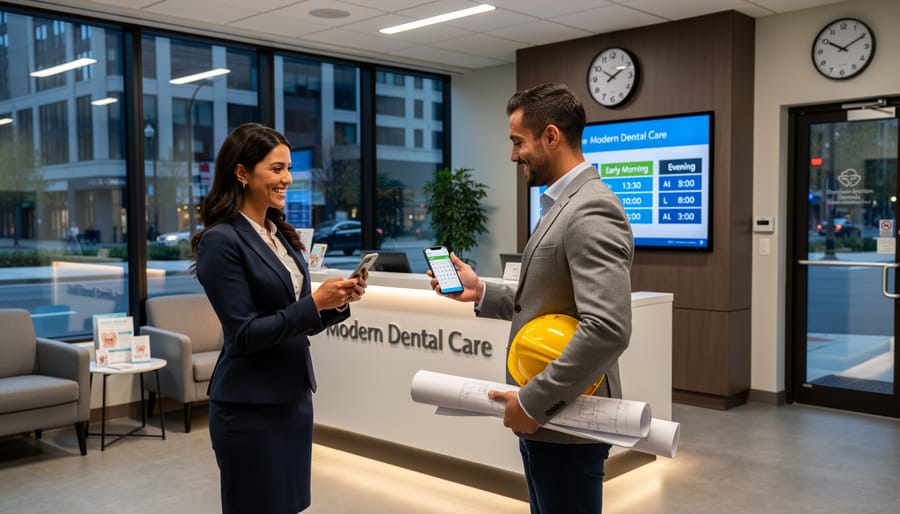
For busy tradespeople juggling job sites and project deadlines, finding dental care that fits your schedule is essential. Look for practices with extended hours, including early morning or evening appointments that won’t force you to lose billable hours. Weekend availability can be a game-changer when you’re working six-day weeks during peak season.
Consider the dental office’s proximity to your regular work areas or home base. A conveniently located practice means less windshield time and easier integration into your routine. Many tradespeople find success scheduling appointments during slower work periods or between jobs.
Ask about the practice’s flexibility with rescheduling. Construction delays and emergency calls are part of the trade, so you need a dental team that understands last-minute changes. Some offices offer same-day appointments for urgent issues, which matters when a toothache threatens to sideline you from work. Check if they provide appointment reminders via text or email, and whether they offer telehealth consultations for minor concerns. These practical considerations ensure dental care supports your work schedule rather than disrupting it.
Building Your Dental Health Maintenance Schedule
The Six-Month Service Interval
Think of your dental checkups like the seasonal maintenance schedule for your power tools or HVAC system. Just as you wouldn’t wait for your compressor to fail before checking it, the six-month dental interval catches problems before they become major repairs.
This timeframe isn’t arbitrary. Most dental issues develop gradually over three to six months, meaning biannual visits let your dentist spot early warning signs like minor enamel wear, gum inflammation, or small cavities when they’re still simple fixes. It’s preventive maintenance that saves you from emergency visits and costly procedures down the road.
Scheduling effectively is straightforward: book your next appointment before leaving the office, just like you’d mark your calendar for seasonal equipment inspections. Many dental practices send reminders, similar to service notifications from tool rental companies. If your schedule varies seasonally based on project demands, choose consistent months that work year-round, perhaps aligning with when you perform other routine maintenance tasks.
For those with specific risk factors like gum disease or diabetes, your dentist might recommend quarterly visits. Think of it as the difference between standard maintenance and high-use equipment that needs more frequent attention. The key is establishing a predictable routine that becomes second nature.
Daily and Weekly Care Routines
Think of your daily dental routine like the quick maintenance check you give your power tools before storing them—it takes just minutes but prevents major problems down the road. Start each morning by brushing for two full minutes using gentle circular motions, ensuring you reach all tooth surfaces just as you’d clean every part of a tool. Fluoride toothpaste acts as a protective coating, similar to how you’d apply rust prevention to metal equipment.
Flossing once daily removes debris from tight spaces between teeth—those hard-to-reach areas that brushing alone can’t access, much like using a precision brush for intricate tool components. Don’t skip this step; trapped food particles cause decay the same way sawdust buildup damages machinery.
Weekly, inspect your mouth for changes: bleeding gums, sensitivity, or unusual spots. Early detection prevents minor issues from becoming costly repairs. Consider using an antimicrobial mouthwash twice weekly as an extra protective measure, comparable to applying a sealant for added equipment protection.
This simple maintenance schedule—brushing twice daily, flossing once, and weekly self-inspections—takes roughly five minutes daily but significantly extends the lifespan of your dental health. Consistency matters more than intensity, just like regular tool maintenance outperforms occasional deep cleaning.
Just as you wouldn’t wait for your power drill to burn out before checking the brushes, or ignore a rusted blade until it snaps, your dental health deserves the same preventive mindset. Comprehensive dental health isn’t an expense—it’s an investment that pays dividends in both your professional capability and personal wellbeing. When your teeth and gums are in optimal condition, you can focus on the work that matters without the distraction of pain, discomfort, or unexpected emergency visits that derail your schedule and budget.
The parallels between equipment maintenance and dental care are striking. Regular inspections catch small problems before they become catastrophic failures. Quality preventive care costs a fraction of major repairs. And just like maintaining your tools extends their lifespan and performance, consistent dental maintenance protects your long-term health and saves money over time.
We encourage you to apply the same diligence you bring to your workshop or job site to your dental health routine. Schedule those regular checkups, don’t postpone treatments when issues arise, and research your dental provider with the same care you’d use when selecting professional-grade equipment. Your community of fellow DIY enthusiasts and tradespeople understands that reliability starts with maintenance. Make comprehensive dental health a non-negotiable part of your routine, because the best repair is the one you never have to make.
Related Posts


Post a Comment